
Hiking Lagoa do Fogo Volcano: A Complete Trekking Guide to São Miguel’s Volcanic Crater Lake
Explore the stunning Lagoa do Fogo volcano on São Miguel Island, Azores. This comprehensive guide covers the volcanic caldera, crater lake, hiking routes, terrain challenges, permits, and accommodation options for an unforgettable moderate trek in a protected natural reserve.
Quick Volcano Snapshot
| Attribute | Value |
|---|---|
| Volcano type | Caldera |
| Elevation | 575 meters |
| Location | São Miguel Island, Azores, Portugal |
| Activity status | Dormant |
| Trekking difficulty | Moderate |
| Typical trek duration | 4 hours |
| Altitude gain | Approximately 400 meters |
| Terrain type | Volcanic crater lake, forest trails, dirt roads, levada paths |
| Best season | Mid-June to end of September (shuttle access season) |
| Temperature range | Mild, variable with elevation and weather; frequent fog and clouds |
| Permit requirement | No formal permit required; shuttle ticket €5 during summer months |
Introduction: The Experience of Hiking Lagoa do Fogo Volcano
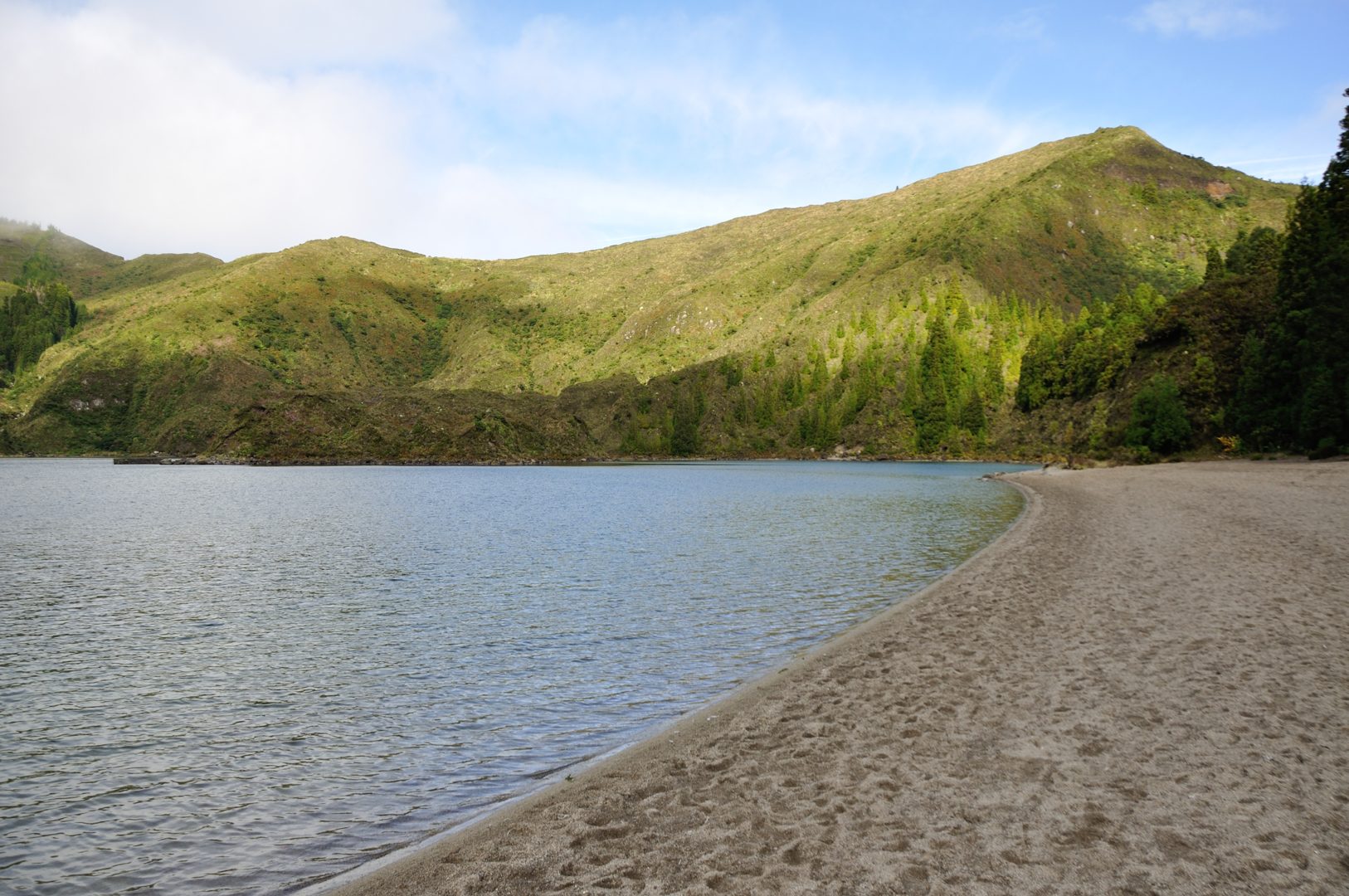
Approaching Lagoa do Fogo is like stepping into a volcanic masterpiece sculpted by time. The vast caldera opens to reveal a pristine crater lake, its waters shimmering in shades of deep blue and turquoise. The surrounding landscape contrasts sharply — lush forests and wild flora encircle the barren volcanic slopes, creating a dramatic interplay of life and raw geological power. Hiking here immerses you in the silence of a protected natural reserve, where every step brings you closer to the heart of an ancient volcano. Reaching the lake’s edge, the sense of standing within a colossal volcanic crater evokes awe and a profound connection to Earth’s fiery past.
The Volcano Itself: Geological Background
Lagoa do Fogo sits within the collapsed caldera of the Água de Pau volcano, one of São Miguel Island’s most significant volcanic structures. Formed approximately 15,000 years ago, this caldera spans about 2.8 kilometers in diameter and is partially filled by the crater lake itself. The volcano’s last eruption occurred in the 1500s, rendering it dormant today. The caldera’s formation resulted from a massive volcanic collapse, leaving steep crater walls and a basin that collects rainwater to form the lake. The volcanic soils around the area are rich in minerals, supporting diverse flora. Fumaroles and steam vents are minimal here, but the geological story is written in the rugged terrain, volcanic rock formations, and the lake’s pristine waters. This natural reserve preserves the volcanic landscape with minimal human impact, offering a rare glimpse into the island’s fiery origins.
The Volcano Trek: Terrain and Hiking Experience
The hike to Lagoa do Fogo is a rewarding journey through varied volcanic terrain that challenges and delights trekkers. Starting from the village of Praia, the trail ascends steadily through a mixture of dirt roads and forest paths. Early sections include walking along a dusty dirt road that leads toward farming areas and then into dense Japanese cedar forests. The forested segments provide shade and a cool respite, contrasting with the open volcanic slopes higher up. As you climb, the trail becomes steeper, with sections of stairs and uneven ground requiring careful footing. The volcanic soil here is often loose, composed of ash and pumice, which can be slippery especially after rain. The levada paths alongside the trail add a unique element, channeling water through the landscape and enhancing the lushness of the surroundings. Approaching the crater rim, the terrain opens to panoramic views of the caldera and the lake below. The volcanic rock formations and occasional patches of volcanic ash remind hikers of the powerful forces that shaped this landscape. Winds can be brisk near the summit, and temperature shifts are noticeable, so layered clothing is advisable. The descent retraces the ascent route, allowing hikers to experience the changing light and views from a different perspective. Overall, the trail is moderately difficult, with an elevation gain of about 400 meters over approximately 11 kilometers round trip. The path is well-marked and maintained, making navigation straightforward. Despite its moderate rating, hikers should be prepared for uneven surfaces, occasional steep sections, and variable weather conditions including fog and mist that can reduce visibility. The trail’s solitude is a highlight; due to limited vehicle access and shuttle restrictions during summer months, the route remains peaceful and uncrowded, offering an intimate encounter with the volcanic environment.
What Makes This Volcano Trek Unique
Lagoa do Fogo stands out for its breathtaking volcanic crater lake nestled within a vast caldera, a rare geological feature that combines aquatic beauty with volcanic grandeur. Unlike many volcano hikes that focus on summit views or lava fields, this trek offers the serene spectacle of a pristine lake surrounded by steep crater walls and protected natural forest. The area’s designation as a natural reserve since 1974 has preserved its wild flora and fauna, making the hike a blend of geological wonder and ecological richness. The contrast between the volcanic barren slopes and lush greenery creates a striking visual and sensory experience. Additionally, the hike’s moderate difficulty and well-marked trails make it accessible to a wide range of trekkers seeking adventure without extreme technical challenges. The shuttle bus system implemented during summer months limits vehicle traffic, enhancing the tranquility and environmental protection of the area. The opportunity to combine this trek with visits to other iconic Azores volcanic sites, such as Lagoa das Sete Cidades, adds to its appeal for volcano enthusiasts and nature lovers alike.
The Summit and Crater Experience
Reaching the rim of Lagoa do Fogo’s caldera is a moment of profound awe. From this vantage point, hikers are greeted by sweeping views of the volcanic crater lake, its waters a mesmerizing palette of blues reflecting the sky and surrounding greenery. The air carries a fresh, earthy scent mingled with subtle hints of volcanic minerals. The crater’s steep walls frame the lake like a natural amphitheater, emphasizing the scale and power of the volcanic forces that shaped it. The silence here is punctuated only by the gentle rustle of wind and the distant calls of native birds. Unlike active volcanoes, there is no sulfurous smell or fumarolic activity, but the geological presence is palpable. The panoramic vistas extend beyond the caldera to the rolling hills and ocean beyond, offering a spectacular reward for the climb. Sitting by the lake’s edge, hikers can reflect on the dynamic history of this landscape and the delicate balance between volcanic activity and natural regeneration.
Best Time to Trek Lagoa do Fogo
The optimal trekking season for Lagoa do Fogo is from mid-June to the end of September, coinciding with the shuttle bus service that regulates access to the natural reserve. During these months, weather conditions are generally mild and stable, with less rainfall and more daylight hours, enhancing safety and visibility on the trails. However, the area’s elevation and microclimate mean that fog and low-lying clouds are common, especially in the early morning and late afternoon, which can obscure views temporarily. Outside the shuttle season, access by private vehicle is possible but less regulated, and weather can be more unpredictable with increased chances of rain and wind. Trekkers should avoid the winter months when trails can be slippery and temperatures cooler. Early morning hikes offer the chance to experience the caldera in soft light and often clearer skies before clouds build up. It is advisable to check local weather forecasts and shuttle schedules in advance to plan the best timing for the trek.
Trekking Routes and Trail Options
The primary trekking route to Lagoa do Fogo is the PRC02 SMI trail, a circular path starting from the village of Praia. This trail covers approximately 10.9 kilometers and typically takes around 4 hours to complete. It is rated as medium difficulty, featuring a steady elevation gain of about 400 meters. The route begins with a gentle ascent along a dirt road, passing through farmland and gradually entering dense Japanese cedar forests. Hikers follow levada paths alongside water channels, adding scenic variety and a sense of tranquility. The trail then climbs steeply toward the crater rim, where expansive views of the volcanic lake and caldera await. The descent returns along the same path, allowing hikers to experience the changing landscape from a different perspective. For those seeking a shorter option, a 30-minute trail from the Miradouro da Lagoa do Fogo viewpoint leads down to the lake’s edge and back, suitable for casual walkers or those with limited time. Additionally, full-day guided tours often combine this hike with visits to nearby volcanic attractions such as Lagoa das Sete Cidades, offering a comprehensive volcanic experience. Shuttle bus stops at key viewpoints like Pico da Barrosa and Bela Vista provide convenient access points for partial hikes or scenic breaks. The trails are well-marked and maintained, making self-guided exploration feasible, though guided tours offer enriched geological and ecological insights.
Difficulty Assessment
Lagoa do Fogo’s trek is classified as a moderate volcano trek. The trail’s terrain includes dirt roads, forest paths, and volcanic ash slopes that require steady footing. While the elevation gain of approximately 400 meters is manageable for hikers with average fitness, the steep sections and uneven surfaces demand good balance and stamina. The absence of technical climbing or scrambling makes it accessible to most hikers who are comfortable with moderate uphill walking. Weather conditions such as fog, rain, or wind can increase the challenge by reducing visibility and making the trail slippery. Altitude is not a significant factor here, as the elevation is moderate. Overall, the trek suits adventure travelers seeking a rewarding volcanic landscape without the need for specialized mountaineering skills.
Essential Volcano Trekking Gear
For trekking Lagoa do Fogo, essential gear includes sturdy hiking boots with good grip to navigate loose volcanic soil and uneven terrain. Trekking poles are recommended to aid balance on steep or slippery sections. Layered clothing is important to adapt to temperature changes and potential wind near the crater rim. A windproof jacket will protect against gusts and sudden weather shifts. Due to the lack of shade on exposed slopes, sun protection such as a hat, sunglasses, and sunscreen is necessary. Carrying sufficient water and snacks is advised, as there are no facilities along the trail. A headlamp can be useful for early morning or late afternoon hikes. While volcanic gases are minimal here, those sensitive to allergens may consider a light face mask. Finally, a waterproof cover or rain jacket is prudent given the Azores’ variable weather.
Safety and Volcanic Hazards
Lagoa do Fogo is a dormant volcano with no recent eruptive activity, minimizing volcanic hazards such as lava flows or toxic gas emissions. However, hikers should remain cautious of natural trail risks including slippery volcanic ash, loose rocks, and steep sections that can lead to falls. Weather conditions can change rapidly, with fog and rain reducing visibility and trail traction. The protected status of the reserve means that visitors must respect trail boundaries to avoid damaging fragile ecosystems and to stay safe. There are no active fumaroles or sulfur vents near the hiking paths, reducing concerns about volcanic gases. It is advisable to check local weather and trail conditions before setting out and to follow official guidelines. Emergency services are accessible from nearby towns, but mobile coverage may be limited in some areas. Using the shuttle service during summer months enhances safety by reducing vehicle traffic and parking congestion.
Permits, Guides, and Logistics
Access to Lagoa do Fogo does not require formal permits; however, from mid-June to the end of September, vehicle access to the natural reserve is regulated by a shuttle bus system. The shuttle operates daily between 9:00 AM and 7:00 PM, with tickets costing €5 per person, free for children under six and local residents. Tickets can be purchased online or directly on the bus and allow hop-on/hop-off access at key viewpoints including Bela Vista, Lagoa do Fogo, and Pico da Barrosa. Outside this period, private vehicles can access the area with fewer restrictions. Several reputable tour operators offer guided hiking experiences, enhancing the trek with expert knowledge of the volcanic geology, flora, and fauna. Notable operators include Manawa Guided Hiking Tours, The Abroad Guide, and Civitatis. These tours typically include transportation from Ponta Delgada, accredited guides, trekking poles, and picnic lunches. Group sizes are often limited to ensure personalized attention and environmental protection. Logistics for independent trekkers involve renting a car on São Miguel Island, as public transport options are limited. Parking near trailheads is available but can be constrained during peak seasons. Hikers should plan for variable weather and carry sufficient supplies. The natural reserve status imposes rules to protect the environment, including prohibitions on swimming in the lake and restrictions on off-trail hiking. Visitors are encouraged to respect these regulations to preserve the area’s pristine condition.
Where to Stay Near Lagoa do Fogo
Accommodation options near Lagoa do Fogo cater to a range of preferences, from rural cottages to guesthouses and eco-lodges. The closest village, Praia, offers limited lodging, so many visitors choose to stay in larger towns such as Ribeira Grande or Ponta Delgada, approximately 30 minutes’ drive away. Ponta Delgada, the island’s capital, provides a wide selection of hotels, guesthouses, and vacation rentals with amenities including restaurants, shops, and transport links. For a more immersive experience, countryside cottages like ‘A Toca do Lince II’ offer tranquil stays with views of the ocean and mountains, ideal for those seeking solitude and nature. Several Airbnb listings in the region provide unique stays in rural settings close to the volcano. While there are no accommodations directly at the crater rim, the shuttle service and well-maintained roads make daily access feasible from nearby bases. Visitors interested in combining hiking with relaxation can also consider eco-friendly lodges and small inns in Ribeira Grande, which provide local charm and easy access to the trailheads. It is advisable to book accommodations in advance during the high season to secure preferred options.