
Climbing Pico Volcano: The Ultimate Trekking Guide to Portugal’s Highest Peak in the Azores
Pico Volcano, the highest mountain in Portugal, offers a demanding yet rewarding volcanic trek on Pico Island in the Azores. This guide covers the geological background, trekking terrain, routes, safety, permits, accommodations, and expert tips for adventurers seeking to conquer this iconic stratovolcano.
Quick Volcano Snapshot
| Attribute | Value |
|---|---|
| Volcano type | Stratovolcano |
| Elevation | 2,351 meters (7,713 feet) |
| Location | Pico Island, Azores, Portugal |
| Activity status | Dormant |
| Trekking difficulty | Demanding |
| Typical trek duration | 6 to 8 hours |
| Altitude gain | Approximately 1,120 meters |
| Terrain type | Lava fields, steep ash slopes, rocky ridges |
| Best season | Late spring to early autumn (May to October) |
| Temperature range | From -5°C in winter to 20°C in summer |
| Permit requirement | Mandatory check-in at Casa da Montanha; guided tours recommended |
The Experience of Hiking Pico Volcano
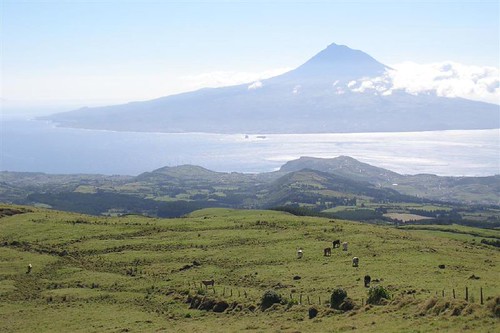
Approaching Pico Volcano, the highest peak in Portugal, is an encounter with raw geological power. The towering stratovolcano rises dramatically from the Atlantic, its near-perfect cone dominating the island landscape. The trail leads through stark volcanic terrain, where black lava fields contrast with vivid green vegetation and the azure ocean beyond. Each step upward reveals sweeping panoramic views of the Azores archipelago, while the air grows thinner and cooler. Reaching the crater rim, hikers are greeted by a vast volcanic caldera, a silent testament to the mountain’s fiery past. The final scramble to Piquinho, the summit cone, challenges both body and spirit, rewarding climbers with breathtaking vistas that stretch across the Atlantic horizon. This trek is a profound journey into volcanic wilderness and a celebration of nature’s grandeur.
Geological Background of Pico Volcano
Pico Volcano is a stratovolcano formed less than 10,000 years ago, making it the youngest and tallest volcano in the Azores archipelago. Its formation is linked to complex tectonic activity involving two main fault systems: the WNW-ESE dextral faults and the NNW-SSE normal left-lateral faults. These faults have shaped the volcanic landscape and controlled eruptive activity. Historical eruptions occurred primarily from flank vents, with lava flows reaching the sea in the 16th and 18th centuries. The summit crater, known as Piquinho, features ongoing degasification with fumaroles emitting water vapor at temperatures between 50°C and 75°C. The volcano’s geology is marked by extensive lava flows, volcanic cones, and sulfur deposits, creating a diverse and dynamic volcanic environment. This geological complexity makes Pico a fascinating subject for both scientists and trekkers alike.
Terrain and Hiking Experience on Pico Volcano
The trek up Pico Volcano is a demanding adventure that tests endurance and technical hiking skills. Starting at Casa da Montanha at 1,200 meters elevation, hikers face an immediate steep ascent over sharp lava rocks and volcanic ash. The initial section includes traversing a rugged lava field with uneven, jagged surfaces requiring careful footing. As the trail ascends, the terrain shifts to loose pumice and volcanic scree, which can be slippery and challenging to navigate, especially on the steep zigzagging ridges. The path is marked by 47 numbered poles, guiding hikers through the volcanic landscape. Altitude effects become noticeable above 1,800 meters, with thinner air and cooler temperatures demanding acclimatization and steady pacing. Wind exposure increases near the summit, where gusts can be strong and chilling. The final approach to the crater rim involves scrambling over volcanic rocks and negotiating narrow ridges with significant exposure. Descending requires caution due to loose scree that can cause slips and falls. Weather on Pico is highly variable; sudden fog, rain, or snow can reduce visibility and increase risk. Proper preparation, including sturdy hiking boots with excellent grip, trekking poles for stability, and layered clothing for temperature shifts, is essential. Despite the physical challenges, the trail rewards hikers with spectacular views of the island’s volcanic features, the surrounding ocean, and neighboring islands. The diverse volcanic terrain—from hardened lava flows to ash slopes and fumarolic vents—offers a unique and immersive volcanic hiking experience.
What Makes the Pico Volcano Trek Unique
Pico Volcano stands out as Portugal’s highest peak and one of the tallest mountains in the Atlantic, offering a volcanic trekking experience unlike any other in Europe. Its near-perfect conical shape and the dramatic contrast between black volcanic rock and lush island greenery create a striking landscape. The trek culminates at Piquinho, a mini-cone summit that requires a final scramble, adding an adventurous element to the climb. The volcano’s dormant status, combined with ongoing fumarolic activity, provides a rare glimpse into volcanic processes without the immediate hazards of eruption. The panoramic views from the summit encompass the entire Azores archipelago, including neighboring islands such as Faial and São Jorge. Additionally, the surrounding UNESCO-protected vineyards and the island’s rich whaling history add cultural depth to the natural spectacle. This blend of geological grandeur, challenging terrain, and cultural heritage makes the Pico Volcano trek a truly unique and memorable adventure.
The Summit and Crater Experience
Reaching the summit of Pico Volcano is a moment of profound awe. The crater rim reveals a vast caldera ringed by black volcanic cliffs, with fumaroles softly steaming and the faint scent of sulfur in the air. The summit cone, Piquinho, rises sharply within the crater, requiring a careful scramble over rugged volcanic rock. From this vantage point, hikers are rewarded with sweeping 360-degree views across the Atlantic Ocean and the Azores islands. The sight of neighboring islands like Faial and São Jorge, framed by the endless ocean, is breathtaking. The summit’s exposed position allows hikers to feel the full force of Atlantic winds, adding to the sense of standing on a wild, elemental peak. The silence is punctuated only by the hiss of escaping volcanic gases and the distant calls of seabirds. This sensory experience—combining visual grandeur, geological wonder, and the raw power of nature—makes the summit of Pico Volcano a truly unforgettable destination.
Best Time to Trek Pico Volcano
The optimal trekking season for Pico Volcano is from late spring through early autumn, typically May to October. During these months, weather conditions are generally more stable, with milder temperatures ranging from 10°C to 20°C and reduced rainfall. Summer offers longer daylight hours, allowing for safer and more flexible climbing schedules. However, even in summer, weather on Pico can be unpredictable, with sudden fog, wind, or rain, so hikers should be prepared for rapid changes. Winter months bring colder temperatures, often dropping below freezing at higher elevations, with snow and ice increasing the difficulty and hazards of the climb. Trekking during winter is recommended only for experienced mountaineers equipped for alpine conditions. Early morning starts are advised to avoid afternoon weather deterioration and to enjoy clear summit views. It is important to check volcanic activity updates and weather forecasts before planning the trek, as conditions can affect trail accessibility and safety.
Trekking Routes and Trail Options on Pico Volcano
The primary and most popular route to the summit of Pico Volcano begins at Casa da Montanha, located at approximately 1,200 meters elevation. This trail is well-marked with 47 numbered poles guiding hikers to the crater rim and summit cone. The ascent covers roughly 7 kilometers round-trip, with an elevation gain of about 1,120 meters. The trail starts with a steep climb over volcanic rock and lava fields, progressing to loose pumice and scree slopes. The final section involves a challenging scramble to Piquinho, the summit cone. This route is demanding and typically takes 6 to 8 hours to complete, including ascent and descent. Guided tours are widely available and recommended for safety, navigation, and local knowledge. Alternative routes are limited due to the volcano’s steep and rugged terrain, but some guided options include combined experiences such as whale watching or vineyard tours on the island. For those seeking a less strenuous experience, shorter hikes around the base of the volcano or visits to nearby volcanic features and natural pools offer rewarding alternatives. Regardless of the route, hikers should prepare for variable weather and challenging terrain.
Difficulty Assessment of the Pico Volcano Trek
Pico Volcano presents a demanding trekking challenge classified as a ‘demanding volcano ascent.’ The trail features steep gradients, loose volcanic scree, and rocky scrambling sections, requiring good physical fitness, surefootedness, and stamina. Altitude gain of over 1,100 meters in a relatively short distance intensifies the effort, and hikers may experience mild altitude effects near the summit. The terrain is uneven and can be slippery, especially in wet or icy conditions. While no technical climbing equipment is generally required in summer, the final summit scramble demands caution and basic climbing agility. Weather variability, including strong winds and sudden fog, adds to the challenge. This trek is not recommended for beginners, young children, or those with respiratory or heart conditions. Preparation, acclimatization, and possibly hiring a local guide are strongly advised to ensure safety and success.
Essential Gear for Trekking Pico Volcano
Successful ascent of Pico Volcano requires specialized gear tailored to volcanic and mountain conditions. Essential items include sturdy hiking boots with excellent grip to navigate sharp lava rocks and loose scree. Trekking poles provide stability on steep and uneven terrain. Layered clothing is crucial: moisture-wicking base layers, insulating mid-layers, and a waterproof, windproof outer shell to protect against sudden weather changes. Gloves, a warm hat, and neck gaiter are recommended, especially in cooler months. A headlamp is useful for early starts or late descents. Carry at least 1.5 to 3 liters of water and high-energy snacks to maintain hydration and energy. Sun protection—sunscreen, sunglasses, and a wide-brimmed hat—is vital due to high UV exposure and lack of shade. A map, compass, or GPS device is advised for navigation, although the trail is marked. For safety, a basic first aid kit and a gas mask or respirator may be considered due to occasional volcanic gases near fumaroles. Finally, a backpack with sufficient capacity to carry all gear comfortably is essential.
Safety and Volcanic Hazards on Pico Volcano
While Pico Volcano is currently dormant, safety precautions remain critical due to inherent volcanic and mountain hazards. The terrain includes unstable crater edges, loose scree, and sharp volcanic rocks that pose risks of falls and injuries. Fumaroles near the summit emit volcanic gases, primarily water vapor with minor sulfur compounds; although generally not hazardous, sensitive individuals should exercise caution. Weather conditions can change rapidly, bringing fog, rain, strong winds, or even snow, which reduce visibility and increase risk. Hikers should monitor updates from the Centro de Informação e Vigilância Sismovulcânica dos Açores (CIVISA), the local volcanic monitoring agency, for any changes in volcanic activity. It is advisable to hike with a guide familiar with the mountain’s conditions and to inform others of your itinerary. Emergency shelters are limited, so preparedness with appropriate gear and knowledge of descent routes is essential. Avoid hiking alone and carry communication devices for emergencies.
Permits, Guides, and Logistics for Pico Volcano Trekking
Trekking Pico Volcano requires mandatory check-in at Casa da Montanha, the official starting point located at 1,200 meters elevation. This registration system enhances hiker safety by tracking locations via GPS devices provided at check-in. While no formal permit fee is charged, this process is compulsory for all climbers, whether self-guided or with a tour operator. Hiring a local guide is highly recommended due to the challenging terrain, variable weather, and the need for expert navigation. Guides provide valuable knowledge of shortcuts, weather shelters, and safe routes, increasing the likelihood of a successful summit. Several reputable tour operators offer guided climbs, including Tripix Azores, which provides half-day and full-day tours with small group sizes and private options. Living Tours Azores offers overnight climbing packages with detailed safety briefings and equipment checks. Whale watching and cultural tours are also available from operators like Azores Whale Watching Tours, often combined with trekking experiences. Transfers from Madalena village to Casa da Montanha are typically arranged by tour companies, with additional costs depending on availability. Climbers must bring appropriate personal equipment, including hiking boots, layered clothing, and sufficient food and water, as rentals are not commonly available on the island. Due to the demanding nature of the trek, operators restrict participation for children under 12 and adults over 65, as well as individuals with certain health conditions. It is essential to book tours in advance, especially during peak season, to secure spots and ensure compliance with safety protocols.
Where to Stay and Nearby Bases for Pico Volcano Treks
Accommodation options on Pico Island cater to a range of preferences, from rustic cottages to modern eco-resorts, providing convenient bases for climbing Pico Volcano. The main gateway town, Madalena, is the most popular choice due to its proximity to the airport, ferry terminal, and Casa da Montanha trailhead (approximately a 20-minute drive). Madalena offers a variety of hotels, guesthouses, and boutique stays such as Alma do Pico Nature Residence, known for its serene forest setting and mountain views, and My Bed in Pico, a charming boutique hotel located near the ferry port. For travelers seeking authentic rural experiences, Adegas do Pico in the village of Prainha offers traditional stone cottages nestled among UNESCO-protected vineyards. The eco-friendly Aldeia da Fonte Resort in Lajes do Pico provides a tranquil retreat with ocean views and direct access to natural pools, about 40 minutes from the trailhead. Lava Homes in Santo Amaro offers modern, eco-conscious bungalows with stunning coastal vistas, ideal for those with private transport. Due to limited public transportation on the island, renting a car is strongly recommended to access accommodations and trailheads efficiently. Many lodgings provide local tour booking assistance and shuttle services. Early reservations are advised during peak hiking season to secure preferred accommodations. These diverse lodging options ensure climbers can rest comfortably and prepare thoroughly for their volcanic ascent.