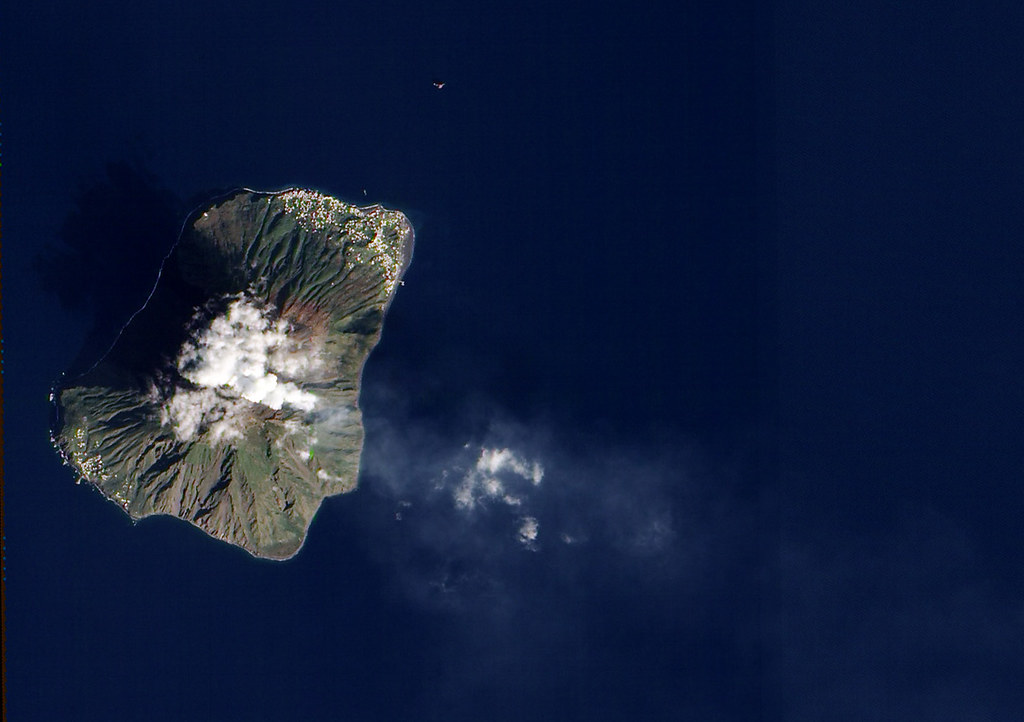

Hiking Vulcão da Ribeira Grande: A Complete Volcano Trekking Guide to São Miguel Island, Azores
Discover the dormant stratovolcano Vulcão da Ribeira Grande on São Miguel Island, Azores. This moderate difficulty trek offers panoramic views, diverse volcanic terrain, and rich geological features. Explore detailed routes, safety tips, permit information, and accommodation options for an unforgettable volcano hiking adventure.
Quick Volcano Snapshot
| Attribute | Value |
|---|---|
| Volcano type | Stratovolcano |
| Elevation | Approximately 575 meters |
| Location | São Miguel Island, Azores, Portugal |
| Activity status | Dormant |
| Trekking difficulty | Moderate |
| Typical trek duration | 2 to 4 hours depending on route |
| Altitude gain | Moderate elevation gain around 300-400 meters |
| Terrain type | Lava fields, volcanic ash slopes, lush vegetation, geothermal areas |
| Best season | Summer (June to September) |
| Temperature range | Mild, typically 15°C to 25°C |
| Permit requirement | No special permits required; local regulations apply |
Introduction: The Experience of Hiking Vulcão da Ribeira Grande
Approaching Vulcão da Ribeira Grande, hikers are greeted by a striking volcanic landscape that contrasts sharply with the lush greenery of São Miguel Island. The dormant stratovolcano rises gently, offering panoramic views that stretch across the island’s diverse terrain. The trail winds through a mosaic of volcanic rock, geothermal vents, and endemic flora, creating a sensory journey that blends geological wonder with natural beauty. Reaching the crater rim, the expansive vistas and the palpable sense of the Earth’s power evoke a profound connection to the volcanic forces that shaped this island. This trek invites adventurers to explore a landscape where ancient lava flows meet vibrant ecosystems, promising both challenge and awe.

The Volcano Itself: Geological Background
Vulcão da Ribeira Grande is a stratovolcano located on São Miguel Island, part of the Azores archipelago. Formed over hundreds of thousands of years through successive eruptions, it is characterized by layers of hardened lava, ash, and volcanic debris. The volcano’s structure reflects multiple eruptive phases, with trachytic lava flows shaping its slopes. The caldera hosts geothermal activity, including fumaroles and steam vents, which contribute to the island’s unique thermal springs. Historical eruptions have been relatively mild, with the volcano currently classified as dormant. Its geological formations include volcanic caves and degassing areas, where vapors escape through fractures in the rock. These features provide a living laboratory for understanding volcanic processes and the dynamic nature of island formation in the Atlantic.
The Volcano Trek: Terrain and Hiking Experience
The trek around Vulcão da Ribeira Grande offers a varied and engaging hiking experience that combines volcanic terrain with lush Azorean landscapes. Hikers begin on well-maintained paths near the Caldeiras da Ribeira Grande, where geothermal activity is visible through bubbling springs and steam vents. The trail surface varies from compact volcanic ash to rugged lava rock, requiring sturdy footwear with good grip. Sections of the route traverse gentle slopes covered in endemic vegetation, while others involve navigating loose pumice and rocky outcrops. The elevation gain is moderate, making the trek accessible to hikers with a reasonable fitness level, though some parts demand careful footing due to uneven ground and occasional scree. Weather conditions can shift rapidly, with cool breezes near the summit contrasting with warmer, humid conditions lower down. The trail also passes through areas of geothermal cooking caves, where traditional Azorean stews are prepared using natural steam, adding cultural interest to the hike. Panoramic viewpoints along the route provide breathtaking vistas of São Miguel’s coastline, volcanic peaks, and verdant valleys. The combination of geological features, diverse terrain, and natural beauty makes this trek a rewarding challenge that immerses hikers in the island’s volcanic heritage.
What Makes This Volcano Trek Unique
Vulcão da Ribeira Grande stands out for its harmonious blend of volcanic geology and vibrant island ecosystems. Unlike more rugged or active volcanoes, this dormant stratovolcano offers a moderate trek that reveals the subtle power of volcanic forces through its geothermal springs and degassing areas. The presence of traditional geothermal cooking caves along the trail is a rare cultural feature, where visitors can witness and even taste the unique Cozido das Caldeiras, a stew slow-cooked by natural steam. The panoramic views from the crater rim encompass the diverse landscapes of São Miguel, including verdant valleys, rugged coastlines, and neighboring volcanic peaks. This trek also provides opportunities to observe endemic flora and bird species, enriching the experience beyond geology. The accessibility of the trail combined with its geological and cultural highlights makes Vulcão da Ribeira Grande a distinctive destination for volcano hikers seeking both adventure and insight.
The Summit and Crater Experience
Reaching the summit of Vulcão da Ribeira Grande, hikers are rewarded with sweeping views that capture the essence of São Miguel Island’s volcanic landscape. The crater rim reveals a rugged terrain marked by fumaroles emitting gentle steam and the faint scent of sulfur, a reminder of the Earth’s simmering energy beneath. The expansive vista includes the deep blue Atlantic Ocean, rolling green hills, and the island’s patchwork of farmland and forest. The quietude at the summit contrasts with the dynamic geological processes that formed the volcano, offering a moment of reflection and awe. The terrain around the crater is uneven and rocky, requiring careful navigation, but the sense of accomplishment and the dramatic scenery make the effort worthwhile. Photographers find ample opportunities to capture the interplay of light and shadow across the volcanic features, especially during early morning or late afternoon.
Best Time to Trek Vulcão da Ribeira Grande
The optimal time to hike Vulcão da Ribeira Grande is during the summer months, from June to September, when weather conditions are most stable and temperatures range between 15°C and 25°C. During this period, the trails are generally dry and visibility is excellent, enhancing panoramic views. Outside of summer, the Azores experience more frequent rain and wind, which can make the volcanic terrain slippery and challenging. Additionally, from mid-June to the end of September, access to some viewpoints around the nearby Lagoa do Fogo is regulated with shuttle services to reduce environmental impact. Hikers should also consider early morning starts to avoid midday heat and to capture the best light for photography. Monitoring local volcanic activity and weather forecasts is advisable, although Vulcão da Ribeira Grande is dormant and poses minimal eruption risk.
Trekking Routes and Trail Options
The primary route for exploring Vulcão da Ribeira Grande is the PR29 SMI Caldeiras da Ribeira Grande – Salto do Cabrito circular trail, approximately 7.5 kilometers in length, with an average completion time of 2.5 to 4 hours depending on pace. The trail begins near the Caldeiras da Ribeira Grande thermal baths, where hikers can observe geothermal activity and historic architecture. From there, the path leads through pastures and volcanic degassing zones, with clear signage warning visitors to limit time spent in these areas due to gas emissions. The route ascends gently towards Monte Escuro and Lombadas, offering diverse terrain including paved roads, dirt paths, and rocky sections. Along the way, hikers encounter geothermal cooking caves used for traditional Cozido stews, adding cultural interest. The trail passes by a dam constructed in the early 20th century, blending human history with natural features. For those seeking a shorter or easier hike, alternative paths around the caldera and nearby waterfalls such as Salto do Cabrito provide options with less elevation gain and duration. Guided tours, such as those offered by Alma Verde Tours, provide transportation, local insights, and a curated experience combining hiking with cultural stops. Self-guided hikers should prepare with maps and adequate gear, as some trail sections can be uneven and exposed.
Difficulty Assessment
Vulcão da Ribeira Grande offers a moderate volcano trek suitable for hikers with a reasonable level of fitness and some prior hiking experience. The terrain includes a mix of well-maintained paths and uneven volcanic rock, requiring sturdy footwear and surefootedness. Elevation gain is moderate, approximately 300 to 400 meters, with some sections involving loose scree and rocky scrambling. Altitude is not extreme, minimizing risks of altitude sickness, but weather conditions such as wind and sudden temperature changes can add challenge. The trail’s length and terrain make it more demanding than beginner hikes but less technical than high-altitude or active volcano ascents. Trekking poles are recommended for stability, especially on descents. Overall, the hike is classified as a moderate volcano trek, accessible to active travelers prepared for varied volcanic terrain.
Essential Volcano Trekking Gear
For hiking Vulcão da Ribeira Grande, essential gear includes sturdy hiking boots with good grip to navigate volcanic rock and loose ash. Trekking poles are recommended to assist with balance on uneven terrain and descents. A windproof and waterproof jacket is necessary due to variable weather and potential wind exposure near the summit. Layered clothing helps manage temperature shifts from warm lower elevations to cooler crater rims. A headlamp is useful for early morning or late afternoon hikes. Hydration systems or water bottles are essential, as there are limited water sources along the trail. Sun protection, including a hat, sunglasses, and sunscreen, is important since volcanic landscapes offer little shade. While gas masks are not typically required, hikers should be aware of geothermal degassing zones and limit exposure. A small first aid kit, map or GPS device, and a fully charged mobile phone enhance safety.
Safety and Volcanic Hazards
While Vulcão da Ribeira Grande is dormant, hikers should remain cautious of volcanic hazards such as geothermal gas emissions, which can be harmful if inhaled in high concentrations. The trail passes through degassing areas where sulfurous gases escape; it is advised to limit time spent in these zones and avoid lingering. Unstable crater edges and loose scree present risks of falls or rockslides, so hikers must stay on marked paths and exercise caution. Weather can change rapidly, bringing fog, rain, or strong winds that reduce visibility and increase difficulty. Monitoring local volcanic activity reports and weather forecasts before the hike is recommended. Emergency services are accessible from nearby towns, but hikers should carry communication devices and inform others of their plans. The local park authorities provide safety guidelines and trail information to ensure a secure trekking experience.
Permits, Guides, and Logistics
No special permits are required to hike Vulcão da Ribeira Grande, as it is located within publicly accessible natural areas on São Miguel Island. However, visitors should respect local regulations, especially regarding geothermal zones and protected environments. Entry to certain viewpoints, such as those around Lagoa do Fogo, may be regulated seasonally with shuttle services operating from mid-June to the end of September to reduce environmental impact. For a richer experience, several local tour operators offer guided hikes and cultural tours. Alma Verde Tours is a prominent provider offering private full-day excursions that include the Salto do Cabrito hike, transportation from key locations such as Ponta Delgada and Ribeira Grande, and traditional Azorean meals cooked using geothermal steam. These tours provide expert guidance on volcanic geology, local flora and fauna, and cultural heritage. Costs for guided tours typically range around €200-€250 per group for a full-day experience. Self-guided hikers should prepare with detailed maps, appropriate gear, and check weather conditions. Public transportation options to trailheads are limited, so renting a car or booking a tour is recommended for convenience. Accommodation and amenities are available in Ribeira Grande and Ponta Delgada, facilitating logistics for multi-day stays.
Where to Stay Near Vulcão da Ribeira Grande
Ribeira Grande town serves as the primary base for exploring Vulcão da Ribeira Grande and surrounding volcanic landscapes. It offers a range of accommodations catering to different budgets and preferences. Notable options include Hotel Ribeira Grande, located centrally with amenities such as a spa, geothermal pool, and easy access to local dining and shops. This hotel provides comfortable rooms with modern facilities and is approximately a 15-minute drive from the volcano’s trailheads. For travelers seeking a more intimate experience, guesthouses like Mitós Vila and Casa da Levada offer cozy, locally styled lodging with personalized service. These accommodations are situated within short driving distance to the Caldeiras da Ribeira Grande area, facilitating early starts for hikes. Ponta Delgada, the island’s largest city, is about 30 minutes away by car and offers a wider selection of hotels, hostels, and apartments, ideal for visitors combining volcano trekking with broader island exploration. Many accommodations provide shuttle services or can arrange guided tours. Amenities in Ribeira Grande include restaurants serving traditional Azorean cuisine, grocery stores, and outdoor gear shops. Staying in Ribeira Grande or nearby ensures convenient access to the volcano while immersing visitors in the authentic culture and hospitality of São Miguel Island.