
Hiking Stromboli Volcano: A Complete Guide to Trekking Europe’s Most Active Volcano
Discover the thrill of hiking Stromboli, one of the world’s most active volcanoes located in Italy’s Aeolian Islands. This guide covers the volcanic geology, trekking terrain, routes, safety tips, permit requirements, and accommodation options for an unforgettable adventure.
Quick Volcano Snapshot
| Attribute | Value |
|---|---|
| Volcano type | Stratovolcano |
| Elevation | 926 meters |
| Location | Aeolian Islands, Sicily, Italy |
| Activity status | Active |
| Trekking difficulty | Demanding |
| Typical trek duration | 5 hours (sunset tour) |
| Altitude gain | 500-900 meters |
| Terrain type | Volcanic ash slopes, loose pumice, rocky paths, lava fields |
| Best season | Late May to July, September |
| Temperature range | 15°C to 30°C (varies seasonally) |
| Permit requirement | Mandatory guide for access above 290 meters |
The Experience of Hiking Stromboli Volcano
Approaching Stromboli, the air thickens with the scent of sulfur and the landscape shifts dramatically from lush Mediterranean vegetation to stark volcanic ash and blackened lava fields. The imposing conical peak rises sharply from the sea, crowned by plumes of smoke and intermittent fiery bursts. Hiking Stromboli is a visceral encounter with Earth’s raw power, where every step brings you closer to the primal forces shaping the planet. The contrast between the tranquil island villages and the volatile summit creates a unique emotional tension. Reaching the observation terraces, you witness incandescent lava fountains lighting the night sky, a spectacle that stirs awe and respect for this living mountain.
Geological Background of Stromboli Volcano
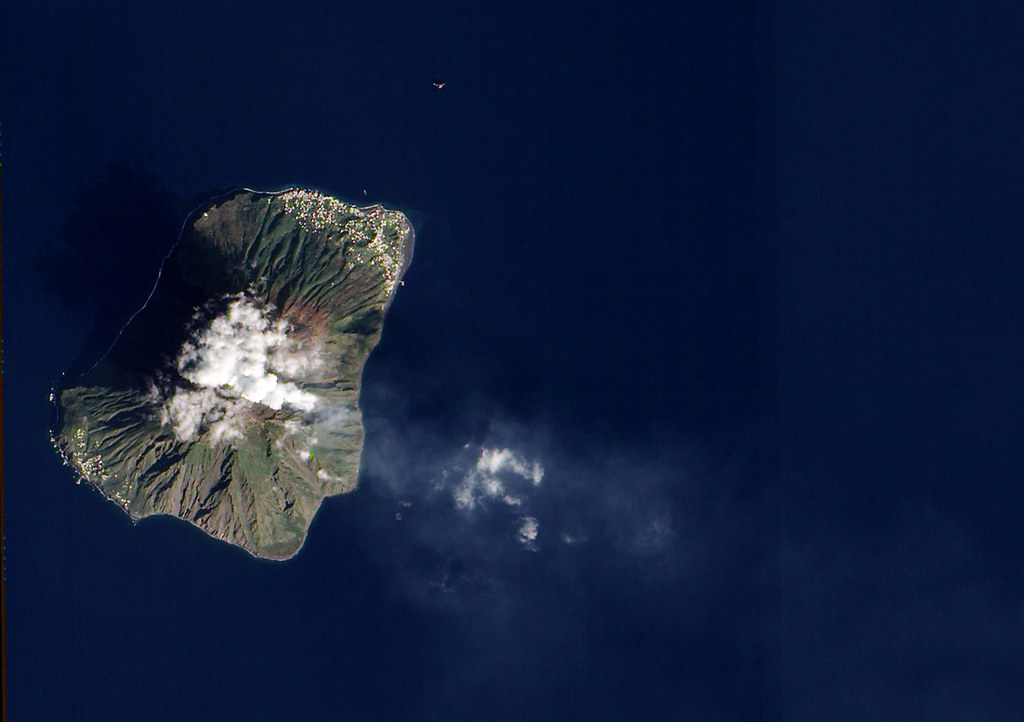
Stromboli is a classic stratovolcano, part of the Aeolian volcanic arc north of Sicily. It stands 926 meters above sea level, with its base extending over 2,700 meters below the sea floor. The volcano has been erupting almost continuously for the past 2,000 to 5,000 years, giving rise to the term “Strombolian eruption” to describe its characteristic mild explosive activity. Its summit hosts two active craters that regularly emit ash, incandescent volcanic bombs, and lava fragments. The volcano’s northern flank features the Sciara del Fuoco, a steep horseshoe-shaped depression formed by repeated collapses and lava flows. This dynamic geological environment is monitored closely by scientists using gas analyzers and seismic instruments to predict eruptive activity and ensure visitor safety.
Terrain and Hiking Experience on Stromboli
The trek up Stromboli is a demanding adventure that challenges hikers with a variety of volcanic terrains. Starting from the island’s small village, the trail initially winds through lush Mediterranean vegetation, including caper plants and bamboo groves, offering a gentle incline and scenic views of the surrounding sea and islands. As the ascent progresses, the landscape becomes increasingly barren and rugged. Hikers encounter steep slopes covered with loose volcanic ash and pumice, which can be slippery and require careful footing. The path is strewn with volcanic rocks and sharp lava fragments, demanding sturdy hiking boots with excellent grip. The climb involves zigzagging switchbacks to manage the steep gradient, with an elevation gain of approximately 500 to 900 meters depending on the route. Near the summit, the terrain is more exposed, with strong winds and rapidly changing weather conditions adding to the challenge. The volcanic ash and sand create a unique hiking surface that can be tiring but also allows for exhilarating descents by sliding down. The trail culminates at the observation terraces around 400 meters above sea level, where hikers can safely witness Stromboli’s spectacular eruptions under the guidance of certified experts. The hike typically lasts around five hours for guided sunset tours, combining physical exertion with moments of awe-inspiring natural spectacle. Altitude effects are mild but noticeable, and hikers should be prepared for temperature drops and wind chill near the summit. Overall, the terrain demands good physical fitness, proper gear, and respect for the volcano’s unpredictable nature.
What Makes the Stromboli Trek Unique
Stromboli’s near-continuous volcanic activity sets it apart from other volcano treks worldwide. Unlike dormant or infrequently erupting volcanoes, Stromboli offers the rare opportunity to witness live eruptions every 10 to 30 minutes, creating a mesmerizing display of incandescent lava fountains and ash plumes. The volcano’s nickname, the “Lighthouse of the Mediterranean,” reflects its glowing summit visible from miles away at night. The trek’s proximity to these active vents, combined with the dramatic Sciara del Fuoco lava channel, provides an intimate and thrilling volcanic experience. The island’s small, whitewashed villages nestled beneath the volcano add cultural charm and contrast to the raw volcanic landscape. Additionally, the hike’s timing around sunset enhances the spectacle, as fiery eruptions illuminate the darkening sky, creating unforgettable photographic moments.
The Summit and Crater Experience on Stromboli
Reaching the summit observation terraces of Stromboli is a sensory immersion into volcanic power. From this vantage point, hikers observe the two active craters emitting rhythmic bursts of smoke, ash, and glowing lava bombs. The air carries a pungent sulfurous aroma, and the ground beneath occasionally vibrates with subterranean rumblings. The soundscape includes gurgling and hissing from fumaroles, punctuated by explosive pops as magma is ejected. At night, the eruptions light up the sky with fiery jets, casting an eerie glow over the surrounding sea and islands. The panoramic views extend across the Tyrrhenian Sea to Sicily and Calabria, enhancing the sense of isolation and grandeur. This close encounter with an active volcano’s summit is both humbling and exhilarating, offering a profound connection to Earth’s dynamic forces.
Best Time to Trek Stromboli Volcano
The optimal trekking season for Stromboli is from late May through July and again in September, when weather conditions are generally stable and temperatures range from mild to warm. These months offer clearer skies and lower chances of rain, enhancing visibility of volcanic activity and surrounding landscapes. August tends to be hot and crowded, while winter months bring cooler temperatures and occasional closures due to increased volcanic hazards. Trekking is best scheduled for late afternoon to early evening to reach the observation terraces before sunset, allowing hikers to witness the spectacular nighttime eruptions. Visitors should monitor volcanic activity reports and heed local advisories, as sudden eruptions or red alerts can restrict access. Booking guided tours in advance is recommended, especially during peak season, to ensure safety and availability.
Trekking Routes and Trail Options on Stromboli
Currently, hiking Stromboli’s summit craters directly is restricted due to safety concerns following recent eruptions. The primary authorized route leads to the observation terraces at approximately 400 meters elevation, accessible only with a certified guide. This trail covers about 8 kilometers round trip, with an elevation gain of around 500 meters, and typically takes five hours including the volcanic show at sunset. The hike begins in the main village, ascending through vegetated lower slopes before transitioning to volcanic ash and rocky terrain. For those wishing to hike without a guide, access is limited to 290 meters elevation, reaching a viewpoint that still offers impressive views of the Sciara del Fuoco lava channel and eruptive activity, but lacks the proximity and spectacle of the higher terraces. This unguided route is about 8 to 9 kilometers long with a moderate difficulty rating and takes approximately 2.5 to 3.5 hours. Guided tours provide enhanced safety, expert interpretation, and access to the best vantage points. Multiple local operators offer sunset and nighttime hikes, often including equipment rental such as hiking boots and headlamps. The trail network is well-marked with red and white blazes, but hikers should be prepared for steep sections and loose volcanic material.
Difficulty Assessment of Stromboli Trek
Stromboli’s trek is classified as demanding due to its steep elevation gain, uneven volcanic terrain, and exposure to variable weather conditions. The ascent involves climbing approximately 500 to 900 meters over rocky, loose ash and pumice slopes, requiring good physical fitness and sure-footedness. While technical climbing skills are not necessary, hikers must be prepared for sustained uphill walking with occasional scrambling over volcanic rocks. Altitude effects are minimal but can contribute to fatigue. The trail’s surface can be slippery, especially on volcanic ash, making sturdy hiking boots essential. The descent is often faster but requires caution to avoid falls on loose scree. The hike’s duration ranges from 2.5 hours for the lower unguided route to about 5 hours for the guided higher terrace tour. Overall, the trek suits experienced hikers comfortable with challenging terrain and dynamic volcanic environments.
Essential Gear for Hiking Stromboli Volcano
Proper gear is crucial for a safe and comfortable Stromboli hike. Essential items include sturdy hiking boots with good grip to navigate loose volcanic ash and rocky terrain. Trekking poles can aid balance on steep and slippery sections. A windproof and waterproof jacket is recommended due to sudden weather changes and cooler temperatures near the summit. Headlamps or flashlights are necessary for sunset or nighttime hikes. Carry at least 1.5 to 2 liters of water per person to stay hydrated, as volcanic terrain offers little shade. Sun protection such as a hat, sunglasses, and sunscreen is important given the exposed landscape. A gas mask or respirator is generally not required but may be useful for sensitive individuals due to sulfur fumes. Gloves and layered clothing help with temperature fluctuations. Additionally, hikers should bring a small first aid kit, snacks, and a camera to capture the spectacular volcanic activity.
Safety and Volcanic Hazards on Stromboli
Stromboli’s continuous volcanic activity presents inherent risks that require strict safety measures. Explosive eruptions can eject hot volcanic bombs, ash, and gases up to several hundred meters, posing danger to hikers near the summit. The unstable crater edges and loose scree increase the risk of falls and rockslides. Sudden changes in volcanic activity, including paroxysmal eruptions, can occur with little warning. To mitigate risks, Italian authorities mandate that hikers above 290 meters must be accompanied by certified guides trained in volcanic hazard response and first aid. Guides monitor real-time volcanic activity and coordinate emergency evacuations if necessary. Visitors should stay on marked trails, avoid restricted zones, and heed all official warnings. Wearing appropriate gear and maintaining situational awareness are essential. The Civil Protection Agency and local monitoring stations provide updates and alerts. Respecting these safety protocols ensures a thrilling yet secure experience on this living volcano.
Permits, Guides, and Logistics for Hiking Stromboli
Hiking Stromboli requires adherence to strict regulations designed to ensure visitor safety amid its active volcanic status. Access above 290 meters is legally restricted to those accompanied by certified local guides. This rule is enforced to prevent accidents from sudden eruptions and unstable terrain. Visitors must sign liability waivers before ascending. Permits are included as part of guided tour fees, which typically cost around €30 for a sunset hike lasting about five hours. Several reputable tour operators provide guided excursions, including Il Vulcano a Piedi, Volcano Adventures, Neverending Voyage, and Stromboli Fire Trekking. These companies offer equipment rental such as hiking boots and headlamps, and their guides are trained in volcanic hazard monitoring, first aid, and emergency evacuation procedures. Booking in advance is highly recommended, especially during peak season, as group sizes are limited to around 20 people for safety. The hike starts from the main village of Stromboli, accessible by ferry from Sicily or Naples. Ferries operate multiple times daily, with travel times ranging from 1.5 to 4.5 hours depending on the route. Visitors should plan logistics carefully, considering ferry schedules and local transport options. It is illegal and punishable by fines to hike beyond permitted points without a guide. Following these guidelines ensures a safe and unforgettable Stromboli trekking experience.
Where to Stay and Nearby Bases for Stromboli Trekking
Accommodation options on Stromboli Island cater primarily to travelers seeking proximity to the volcano and authentic island life. The main village, Stromboli, hosts several small hotels, guesthouses, and B&Bs offering basic amenities and easy access to the trailhead. Notable options include Hotel La Sirenetta, known for its sea views and comfortable rooms, and Hotel Raya, which provides a blend of modern comfort and traditional charm. For a more intimate experience, guesthouses such as Casa Nostra offer cozy stays within walking distance of local restaurants and shops. The smaller village of Ginostra, accessible only by boat, offers a quieter alternative with limited accommodations like the Hotel Ginostra, ideal for travelers seeking solitude. Most lodgings provide essential services including Wi-Fi, breakfast, and equipment rental partnerships for hiking gear. Staying in the main village allows convenient ferry connections to Sicily and other Aeolian Islands, as well as easy access to guided tour meeting points. Given the island’s small size, all accommodations are within a short walk or shuttle ride to the volcano trails. Booking ahead is advised during peak season to secure preferred lodging. These bases provide a comfortable and practical starting point for Stromboli’s demanding but rewarding volcano treks.