
Trekking Nisyros Volcano: A Complete Guide to Greece’s Active Volcanic Island Adventure
Explore the active caldera of Nisyros Volcano in Greece’s Dodecanese Islands. This comprehensive guide covers geology, hiking terrain, routes, safety, permits, and local accommodations for an unforgettable volcano trekking experience.
Quick Volcano Snapshot
| Attribute | Value |
|---|---|
| Volcano type | Caldera |
| Elevation | Approximately 700 meters |
| Location | Nisyros Island, Dodecanese Islands, Greece |
| Activity status | Active |
| Trekking difficulty | Moderate |
| Typical trek duration | 3 to 6 hours |
| Altitude gain | Approximately 350 meters |
| Terrain type | Lava fields, ash slopes, fumaroles, rocky paths |
| Best season | May to July, September to October |
| Temperature range | 15°C to 30°C (59°F to 86°F) |
| Permit requirement | Entrance fee required for crater access |
The Experience of Hiking Nisyros Volcano
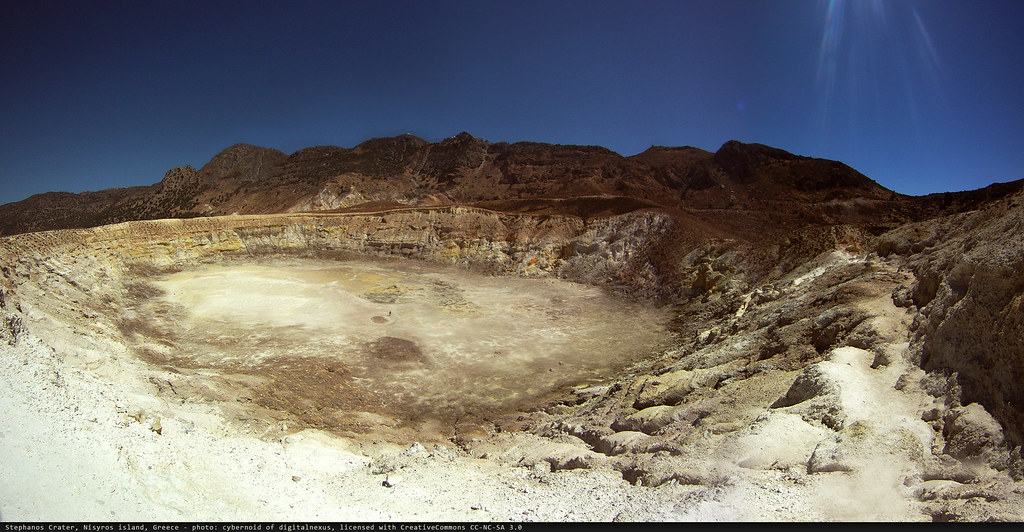
Approaching Nisyros Volcano, the landscape unfolds like a lunar panorama, where steaming fumaroles and sulfur-stained rocks contrast sharply with the lush greenery of the island’s outskirts. The trek immerses you in the raw power of geology, walking across hardened lava flows and volcanic ash that whisper stories of ancient eruptions. The air carries the unmistakable scent of sulfur, heightening the sense of adventure. Reaching the crater’s edge, the vast caldera opens beneath you, a steaming basin alive with bubbling mud and hissing vents. The juxtaposition of the barren volcanic terrain against the vibrant villages perched on the caldera rim creates a profound emotional connection to the Earth’s fiery heart.
Geological Background of Nisyros Volcano
Nisyros is a volcanic island formed by a caldera, created approximately 30,000 years ago during a massive eruption that caused the collapse of the volcano’s summit. The island is part of the South Aegean volcanic arc, a tectonically active region shaped by the subduction of the African plate beneath the Eurasian plate. The caldera spans about four kilometers in diameter and contains several craters, the largest being Stefanos Crater, which remains active with fumarolic activity and hot springs. The volcano’s last significant eruption occurred in 1888, characterized mainly by gas emissions and minor explosions rather than lava flows. The volcanic landscape is rich in minerals such as sulfur, which deposits around fumaroles, and the terrain features unique formations including lava pinnacles and hydrothermal vents. This geological activity continues to shape the island’s environment and offers a living laboratory for volcanologists and adventurous trekkers alike.
Terrain and Hiking Experience on Nisyros Volcano
Hiking Nisyros Volcano offers a diverse and engaging terrain that challenges and delights trekkers. The journey typically begins from the village of Nikia or Mandraki, perched on the caldera rim, where well-marked paths descend towards the volcanic floor. The initial descent follows a paved stone path that zigzags down steep slopes, offering dramatic views of the caldera and the towering lava pinnacles known as Parletia. The terrain here is a mix of solidified lava rock, loose volcanic ash, and pumice, requiring careful footing especially on steeper sections. As hikers approach the Stefanos Crater, the ground becomes noticeably warmer, and the sulfurous smell intensifies, signaling proximity to active fumaroles and steam vents. The crater floor is a fragile, porous surface with bubbling mud pools and steaming vents that demand caution and respect. Beyond Stefanos, the trail extends to smaller craters like Polyvotis, where sulfur deposits color the rocks vivid yellows and oranges, creating a surreal landscape. The volcanic terrain is exposed, with little shade, so hikers must prepare for sun exposure and variable winds. Temperature can fluctuate significantly from the caldera floor to the rim, adding to the physical demands. The hike is moderately strenuous due to elevation changes and uneven surfaces but is accessible to those with reasonable fitness and proper footwear. The volcanic landscape’s stark beauty, combined with the sensory experience of heat, smell, and sound from the active vents, makes this trek uniquely immersive and rewarding.
What Makes the Nisyros Volcano Trek Unique
Nisyros Volcano offers a rare opportunity to walk inside one of the largest accessible hydrothermal craters in the world. Unlike many volcanic treks, visitors can descend into the active Stefanos Crater, feeling the heat radiate from the earth and witnessing fumaroles emitting sulfurous gases up close. The island’s volcanic activity is ongoing but gentle, providing a safe yet thrilling experience. The trek’s uniqueness is enhanced by the surrounding traditional Greek villages perched on the caldera rim, offering panoramic views of the crater and the Aegean Sea beyond. The combination of geological wonder, cultural heritage, and Mediterranean charm creates an unparalleled adventure. Additionally, the island’s thermal springs and mineral-rich soils contribute to a landscape that is both scientifically fascinating and visually stunning.
Summit and Crater Experience on Nisyros
Reaching the rim of Stefanos Crater, hikers are greeted by a vast, steaming basin approximately 350 meters wide and 25 meters deep. The ground beneath is warm to the touch, and the air is thick with the pungent scent of sulfur. Bubbling mud pools and fumaroles hiss and release clouds of steam, creating an otherworldly atmosphere reminiscent of a distant planet. The crater floor’s fragile crust demands careful navigation, as some areas are hot and unstable. From the rim, panoramic views stretch across the island’s volcanic landscape and the surrounding Aegean Sea, with the villages of Nikia and Mandraki visible on the caldera’s edge. The sensory experience is intense: the heat, the smell, the sound of escaping gases, and the stark visual contrast between barren volcanic rock and vibrant blue waters evoke a profound connection to Earth’s dynamic forces.
Best Time to Trek Nisyros Volcano
The ideal time to trek Nisyros Volcano is during the spring (May to early July) and early autumn (September to October) when temperatures are moderate and the island is less crowded. Summer months can be hot and dry, with intense sun exposure on the exposed volcanic terrain, making early morning or late afternoon hikes preferable. Winter is mild but wetter, and some trails may be slippery. Visitors should avoid the hottest midday hours to prevent heat exhaustion, especially when exploring the crater floor where ground temperatures can be significantly higher. Seasonal ferry schedules from Kos and Rhodes influence accessibility, so planning around these is essential. Additionally, volcanic activity is continuously monitored, and visitors should heed any local advisories or restrictions.
Trekking Routes and Trail Options on Nisyros
The primary trekking route on Nisyros begins in the village of Nikia, located on the caldera rim at about 350 meters elevation. From here, hikers descend via a paved stone path that zigzags down to the caldera floor, passing dramatic lava pinnacles and volcanic rock formations. This descent takes approximately 30 to 45 minutes. Upon reaching the caldera floor, the trail leads to the Stefanos Crater, the largest and most active crater on the island, where visitors can explore fumaroles and mud pools. An alternative route starts from Mandraki, the island’s port and capital, accessible by road. From Mandraki, a scenic paved road leads to the volcano area, and shorter trails connect to various smaller craters such as Polyvotis, which features colorful sulfur deposits and a mini Grand Canyon-like formation. For more adventurous trekkers, extended hikes link the volcanic sites with traditional villages like Emporios and Paleokastro, offering a blend of geological and cultural exploration. Guided tours typically cover the main crater and surrounding volcanic features within a half-day, while self-guided hikers can customize their routes based on fitness and interest. Trail markings are generally clear, but some paths require careful navigation due to loose scree and uneven terrain.
Difficulty Assessment of Nisyros Volcano Trek
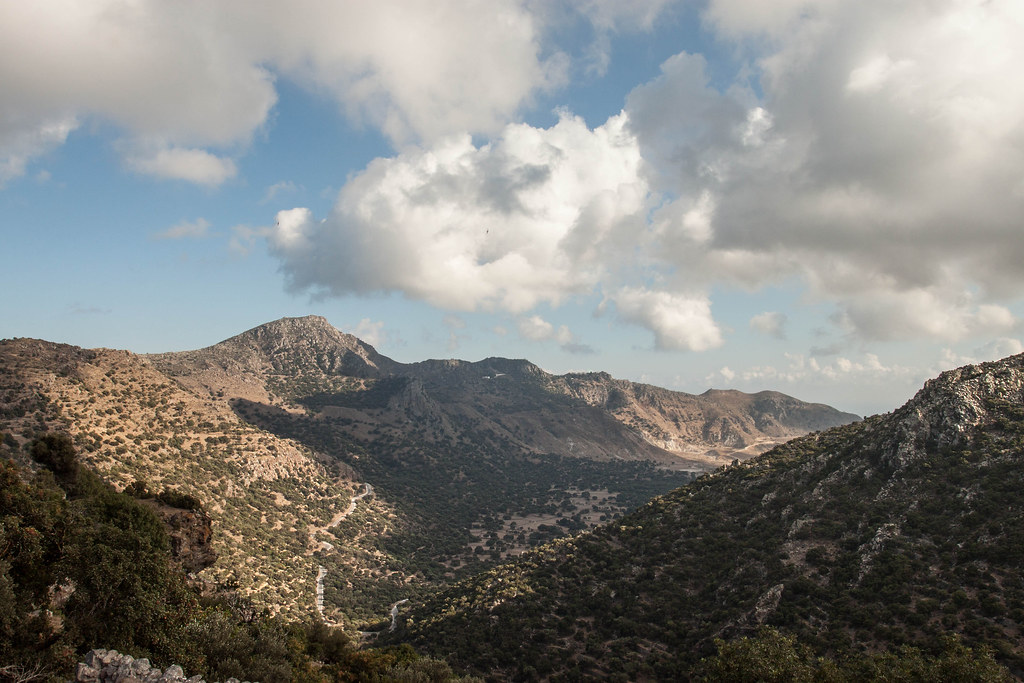
The Nisyros Volcano trek is classified as a moderate volcano trek. The terrain includes steep paved descents, loose volcanic ash, rocky paths, and uneven surfaces that require good balance and sturdy footwear. The altitude is relatively low, peaking around 700 meters, so altitude sickness is generally not a concern. However, the exposed volcanic landscape offers little shade, and hikers must be prepared for sun exposure and variable wind conditions. The physical demands include sustained walking on uneven terrain and some scrambling near fumaroles. No technical climbing skills are required, making the trek accessible to hikers with reasonable fitness levels. Caution is advised near fumaroles and hot vents due to unstable ground and toxic gases. Overall, the trek is suitable for adventurous travelers seeking a unique volcanic experience without the need for specialized mountaineering equipment.
Essential Gear for Trekking Nisyros Volcano
Proper preparation is key for a safe and enjoyable trek on Nisyros Volcano. Essential gear includes sturdy hiking boots with good grip to navigate rocky and loose volcanic terrain safely. Trekking poles can provide additional stability on steep descents and uneven paths. Due to the strong sun exposure and lack of shade, sun protection is critical: wear a wide-brimmed hat, UV-protective sunglasses, and apply high-SPF sunscreen. Lightweight, breathable clothing is recommended, along with layers for cooler temperatures near the crater rim. Carry ample water to stay hydrated, as volcanic heat and exertion increase fluid loss. A headlamp or flashlight is useful for early morning or late afternoon hikes. A gas mask or respirator is generally not necessary but may be considered by sensitive individuals due to sulfur fumes. A small first aid kit, map or GPS device, and a camera to capture the surreal landscape complete the recommended gear list.
Safety and Volcanic Hazards on Nisyros Volcano
While Nisyros Volcano is active, its current activity is limited to fumaroles and gas emissions, posing minimal eruption risk to visitors. However, hikers must remain vigilant of volcanic hazards such as toxic sulfur gases, which can cause respiratory irritation; it is advisable to avoid lingering near fumaroles and to heed all warning signs. The crater floor’s surface is fragile and hot, with unstable ground that can cause falls or burns. Loose scree and volcanic ash on trails increase the risk of slips and falls, especially on steep sections. Sudden weather changes, including strong winds and temperature drops near the crater rim, require appropriate clothing and caution. Visitors should follow guidance from local authorities and volcanological monitoring agencies, respect restricted areas, and avoid venturing off marked paths. Emergency services are available on the island, but communication may be limited in remote areas. Overall, careful preparation and respect for the volcano’s power ensure a safe trekking experience.
Permits, Guides, and Logistics for Trekking Nisyros Volcano
Access to Nisyros Volcano’s main crater, Stefanos, requires a modest entrance fee, typically around five euros, payable at the crater site. No special permits are needed beyond this fee for individual hikers. Guided tours are widely available and recommended for those seeking detailed geological insights and enhanced safety. Notable tour operators include Unlimited Adrenaline, Nisyros Travel, Go Ferry, and Volcano Adventures, all offering organized hikes, combined island tours, and transportation from nearby islands such as Kos and Rhodes. These operators provide knowledgeable guides who ensure safe navigation of volcanic terrain and enrich the experience with geological and cultural commentary. Logistics on Nisyros are straightforward: the island is accessible by regular ferries from Kos, Rhodes, and Piraeus, with travel times ranging from one to several hours depending on the departure point. Local buses and rental vehicles facilitate transport around the island, including to trailheads in Mandraki and Nikia. Visitors are advised to plan trips outside peak summer heat and to check ferry schedules in advance. The volcanic area is open year-round, but visitors should monitor volcanic activity reports and adhere to any temporary closures or safety advisories issued by local authorities. Combining guided tours with self-guided exploration allows flexibility and maximizes the volcano trekking experience.
Where to Stay Near Nisyros Volcano
Accommodation on Nisyros Island is intimate and traditional, reflecting the island’s tranquil character and volcanic heritage. The main base for volcano trekkers is Mandraki, the island’s port and capital, where a variety of lodging options are available. Notable accommodations include the family-run Three Brothers Hotel, offering simple rooms with sea views and convenient access to ferry docks; Porfyris Hotel, featuring a seawater pool and panoramic terraces overlooking Mandraki; and Amaranti House n’ Art, a tastefully restored stone house with modern amenities and a rooftop terrace. For a more authentic village experience, Nikia offers charming guesthouses perched on the caldera rim, providing stunning views of the volcano and sea. Emporeios village, quieter and rustic, hosts boutique accommodations such as a beautifully restored stone house with spectacular outdoor spaces, ideal for travelers seeking solitude and nature immersion. Most lodgings are within walking distance or a short drive from the volcano trailheads. Amenities typically include Wi-Fi, local cuisine restaurants, and rental services for vehicles and hiking gear. Staying multiple nights allows visitors to explore the volcano at different times of day, enjoy nearby hot springs, and experience the island’s cultural sites. Booking in advance is recommended during peak season (May to July) and for festivals such as the Koimisi tis Theotokou in August.