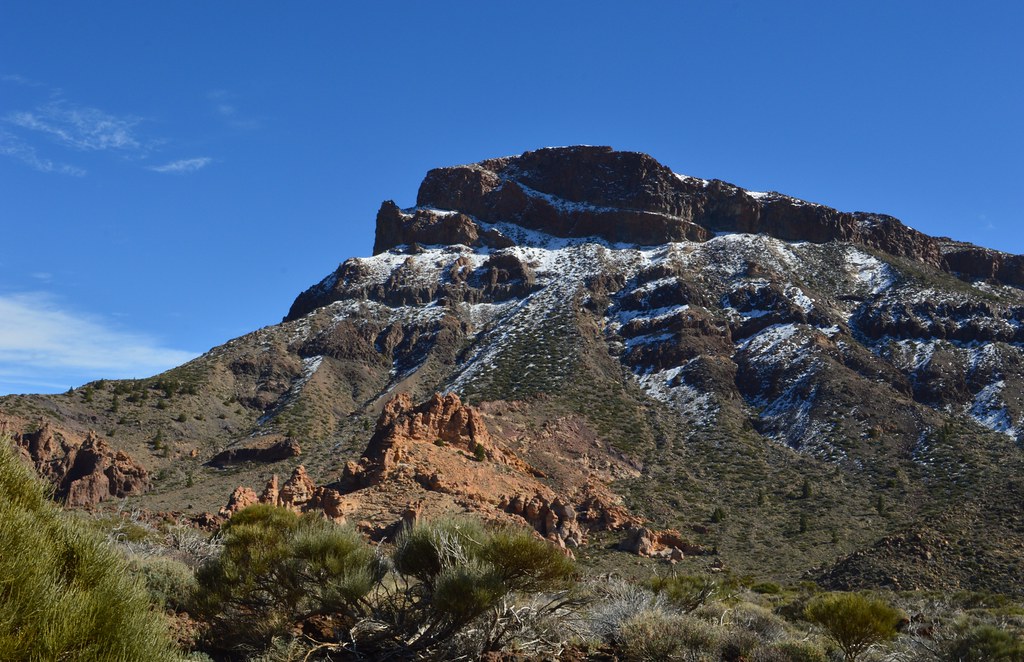


Mount Etna Volcano Trekking Guide: Conquer Europe’s Most Active Stratovolcano
Explore Mount Etna, Europe’s highest and most active volcano, with this comprehensive trekking guide. Discover its geology, hiking terrain, routes, safety tips, and where to stay for an unforgettable volcanic adventure in Sicily, Italy.
Quick Volcano Snapshot
| Attribute | Value |
|---|---|
| Volcano type | Stratovolcano |
| Elevation | 3,403 m (11,165 ft) |
| Location | Sicily, Italy |
| Activity status | Active |
| Trekking difficulty | Demanding |
| Typical trek duration | 6-8 hours (summit trek) |
| Altitude gain | Approximately 1,500 m from Sapienza Refuge |
| Terrain type | Lava fields, ash slopes, rocky terrain |
| Best season | April to September |
| Temperature range | -5°C to 20°C depending on season and altitude |
| Permit requirement | Guide required above 2,800 m altitude |
Introduction: The Experience of Hiking Mount Etna
Approaching Mount Etna, the landscape unfolds like a raw canvas of geological power. The vast lava fields stretch beneath a towering stratovolcano crowned with active craters that occasionally glow with molten fury. Hikers feel the pulse of the Earth beneath their feet as they ascend steep ash slopes and navigate rugged volcanic rock. The contrast between the fertile lower slopes, dotted with vineyards and orchards, and the barren summit terrain is striking. Reaching the crater rim, the air tinged with sulfur and the sight of steaming fumaroles evoke a profound connection to the planet’s fiery heart. This trek is not just a climb but a journey into the dynamic forces shaping Sicily.

The Volcano Itself: Geological Background
Mount Etna is a towering stratovolcano formed by the subduction of the African Plate beneath the Eurasian Plate. Its volcanic activity dates back approximately 500,000 years, making it one of the oldest and most studied volcanoes in Europe. The volcano’s structure is complex, featuring multiple summit craters and numerous flank vents that have produced frequent eruptions throughout history. Notable eruptions have shaped the surrounding landscape, with lava flows creating extensive fields and altering local topography. The summit hosts fumaroles emitting sulfurous gases, and the terrain is rich in volcanic minerals such as basalt and pumice. Etna’s continuous activity has earned it the designation of a Decade Volcano by the United Nations and a UNESCO World Heritage Site, highlighting its geological significance and ongoing natural evolution.
The Volcano Trek: Terrain and Hiking Experience
Hiking Mount Etna presents a demanding yet rewarding challenge shaped by its volcanic terrain. The trek typically begins at the Sapienza Refuge, situated at 1,910 meters, where hikers encounter a landscape of hardened lava flows, ash fields, and volcanic rock. The ascent involves steep slopes covered in loose volcanic ash and pumice, which can be slippery and require careful footing. Lava rock scrambling is common, with jagged formations that test balance and agility. The terrain varies from dense pine forests at lower elevations to barren, exposed ridges near the summit, where wind conditions intensify and temperatures drop sharply. Altitude effects become noticeable above 2,500 meters, with thinner air demanding steady pacing and acclimatization. The trail often traverses crater rims, offering dramatic exposure and panoramic views but requiring caution due to unstable edges. Weather on Etna can change rapidly, with fog and wind reducing visibility and increasing the difficulty. Hikers must be prepared for temperature fluctuations, from warm sunlit lower slopes to near-freezing conditions at the summit. The volcanic sand and ash can be abrasive, making gaiters and sturdy boots essential. Despite the challenges, the diverse terrain offers a unique hiking experience through a living volcanic landscape, where each step reveals the dynamic forces shaping the Earth.
What Makes This Volcano Trek Unique
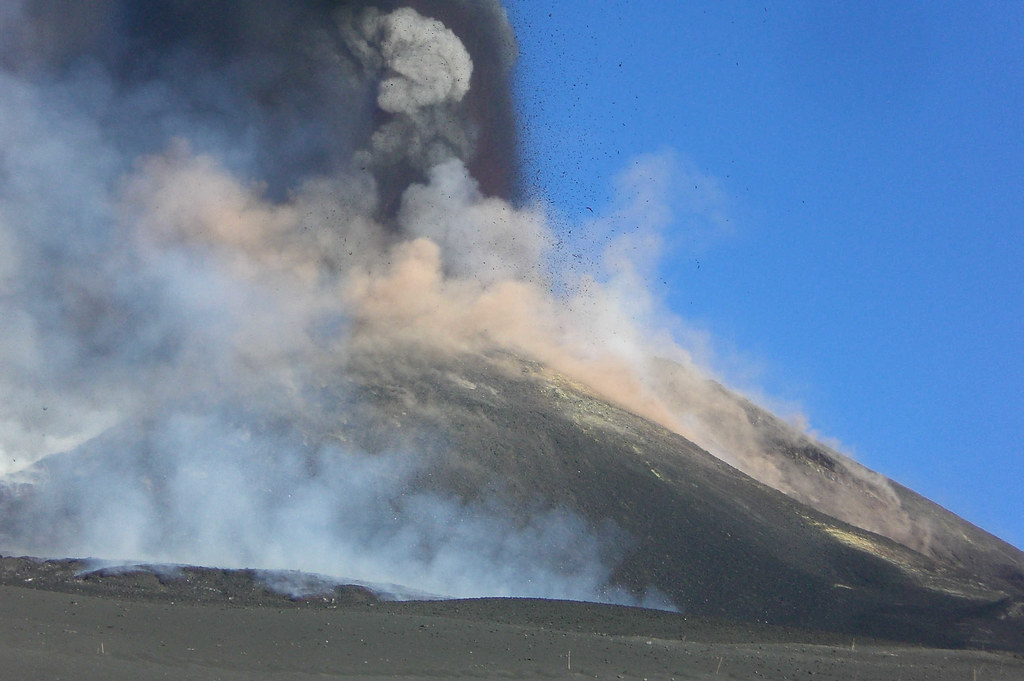
Mount Etna stands out as Europe’s highest and most active volcano, offering a rare opportunity to witness ongoing geological processes firsthand. Its frequent eruptions create a constantly evolving landscape, with fresh lava flows and steaming fumaroles visible even during hikes. The trek features diverse volcanic phenomena, including extensive lava fields, ash deserts, and multiple summit craters. Unique to Etna are the fertile lower slopes supporting vineyards and orchards, contrasting sharply with the stark volcanic summit. The volcano’s cultural significance, intertwined with ancient myths of Hephaestus’ forge and the monster Typhon, adds a layer of mystique. Additionally, the panoramic views from the summit stretch across the Mediterranean, encompassing the Aeolian Islands and the Calabrian coast on clear days. This blend of active geology, rich history, and breathtaking scenery makes the Mount Etna trek a singular adventure.
The Summit and Crater Experience
Reaching Mount Etna’s summit is a moment of awe and sensory immersion. The panoramic vista reveals a vast volcanic landscape, with the Mediterranean Sea shimmering in the distance. At the crater rim, hikers encounter steaming fumaroles emitting sulfurous gases, their heat palpable against the cool mountain air. The smell of sulfur and the sound of escaping gases create an otherworldly atmosphere, underscoring the volcano’s living nature. The terrain here is rugged, with fresh lava flows and unstable edges demanding respect and caution. On clear days, the view extends to the Aeolian Islands and the Calabrian coast, offering a breathtaking reward for the strenuous ascent. The summit experience is both humbling and exhilarating, connecting visitors intimately with the Earth’s fiery core.
Best Time to Trek Mount Etna
The optimal trekking season on Mount Etna spans from April to September, when weather conditions are generally stable and temperatures are moderate. May and late September to October are particularly favorable, offering pleasant temperatures and fewer crowds. During these months, clear skies enhance visibility, allowing spectacular views of the summit and surrounding landscapes. Winter months bring snow and ice, increasing the difficulty and requiring specialized equipment and experience. Weather on Etna can be unpredictable, with sudden fog, wind, and temperature drops, especially at higher elevations. Volcanic activity may also impose temporary access restrictions, so checking current conditions and official advisories before planning a hike is essential. Sunrise climbs are popular for their dramatic lighting and cooler temperatures but demand early starts and headlamps.
Trekking Routes and Trail Options
Mount Etna offers a variety of trekking routes catering to different skill levels and interests. The most popular starting point is the Sapienza Refuge on the south side, at 1,910 meters, providing access to the summit via a demanding 6-8 hour hike with approximately 1,500 meters of altitude gain. This route traverses lava fields, ash slopes, and leads to the active summit craters. Another option is the northern side starting at Piano Provenzana (1,800 m), which is quieter and features trails like the ‘Bottoniera del 2002’ eruption site, offering scenic and educational experiences with moderate difficulty. For those seeking less strenuous walks, family-friendly trails such as the Monti Sartorius loop provide gentle hikes through birch forests and historic lava fields. Guided tours often combine cable car and 4×4 vehicle rides to reduce hiking time and access higher elevations safely. Independent hiking is permitted up to 2,800 meters; above this altitude, certified guides are mandatory due to safety regulations. Each route offers unique volcanic landscapes, from ancient lava tubes to panoramic crater views, allowing hikers to tailor their experience to their preferences and fitness levels.

Difficulty Assessment
Mount Etna’s trek is classified as a demanding volcano ascent. The terrain includes steep ash slopes, loose pumice, and rugged lava rock requiring good balance and surefootedness. Altitude above 3,000 meters introduces thinner air, increasing fatigue and necessitating acclimatization. The hike demands a moderate to high fitness level, with endurance needed for sustained climbing and descending on unstable ground. Technical climbing skills are not required, but experience with volcanic terrain and variable weather conditions is beneficial. Independent hikers can ascend safely up to 2,800 meters; beyond this, certified guides are compulsory to navigate the active summit area and ensure safety amid fumaroles and unstable crater rims. Overall, the trek challenges both physical and mental resilience, rewarding prepared adventurers with unparalleled volcanic vistas.
Essential Volcano Trekking Gear
Proper gear is crucial for a safe and comfortable Mount Etna trek. Recommended items include sturdy, ankle-high hiking boots with good grip to handle loose volcanic ash and jagged lava rocks. Trekking poles aid balance on steep and slippery slopes. Layered clothing is essential to adapt to temperature changes, including a windproof and waterproof jacket, thermal base layers, and gloves. A hat or head wrap protects against sun and wind exposure. Due to volcanic gases near the summit, a gas mask or respirator may be advisable on guided tours. A headlamp is necessary for early morning or sunset climbs. Carry at least 2 liters of water, as no natural water sources exist above 1,300 meters. Sun protection such as sunscreen and sunglasses is vital since the terrain offers little shade. A helmet is mandatory for summit excursions to protect against falling rocks. Finally, a backpack with snacks, a first aid kit, and a camera to capture the dramatic landscapes completes the essential kit.
Safety and Volcanic Hazards
Mount Etna is an active volcano with inherent risks that require vigilance and respect. Volcanic gases, particularly sulfur dioxide, can be harmful; hikers should avoid fumarole areas and follow guide instructions. The crater edges are unstable and prone to sudden collapses, necessitating caution near rims. Loose scree and volcanic ash make footing precarious, increasing the risk of slips and falls. Falling rocks are a hazard, especially in windy conditions. Sudden eruptions, though monitored, can occur with little warning, and access restrictions may be imposed by authorities. Weather changes rapidly, with fog and strong winds reducing visibility and increasing exposure. Certified guides provide real-time monitoring and route adjustments to enhance safety. Visitors must adhere to official warnings, wear mandatory helmets in certain areas, and carry adequate gear. Preparation, awareness, and respect for the volcano’s power are essential for a safe trekking experience.

Permits, Guides, and Logistics
Visiting Mount Etna requires adherence to regional safety regulations and logistical planning. Independent hikers may ascend up to 2,800 meters without a guide; however, above this altitude, a certified Alpine or volcanological guide is mandatory due to the active volcanic terrain and safety concerns. Permits are not generally required for the lower trails, but access to summit craters is regulated and often included in guided tour packages. Several reputable tour operators provide expert-led excursions, including Visit Mount Etna, Etna Explore, Etna3340, EtnaWay, and Sicily Private Guided Tours. These companies offer a range of options from family-friendly walks to demanding summit treks, often incorporating cable car and 4×4 vehicle transfers to ease access. Costs vary by tour length and inclusions, typically ranging from €50 to €250. Booking in advance is strongly recommended, especially during peak seasons, as group sizes are limited to ensure safety and quality. The main access point for tours is the Sapienza Refuge on the south side, which features parking, shops, and ticket offices. Visitors should check live volcanic activity updates and weather forecasts before planning their hike. Transport options include rental cars, buses from Catania and Taormina, and organized transfers. Safety equipment such as helmets is usually provided by guides. Overall, engaging a licensed guide enhances safety, enriches the experience with geological insights, and ensures compliance with regulations.
Where to Stay Near Mount Etna
Accommodation options near Mount Etna cater to a range of preferences, from rustic mountain lodges to luxury boutique hotels. The village of Linguaglossa, located on the northern slopes, offers several comfortable hotels such as the Mareneve Resort Hotel, a modern 4-star property featuring a spa, wellness center, and panoramic views of Etna. It serves as an excellent base for exploring the volcano and nearby attractions like the Alcantara Gorges. On the southern side, the town of Nicolosi provides convenient access to the Sapienza Refuge trailhead, with hotels and guesthouses offering local cuisine and hospitality. For a more upscale experience, the Zash Country Boutique Hotel between Catania and Taormina combines historic architecture with modern luxury amidst citrus groves and Etna views. Donna Carmela, near Riposto, offers garden villas and farm-to-table dining, ideal for relaxation after trekking. Dimora Cottanera, nestled in vineyards on the northern slope, provides an intimate retreat with wine tastings highlighting the volcanic terroir. Taormina, a short drive away, features boutique hotels like Villa Angela, boasting spectacular panoramas of the volcano and Ionian Sea. Many accommodations provide shuttle services or easy access to tour operators. Early booking is advised, especially during peak hiking seasons, to secure preferred lodging close to trailheads and maximize the Mount Etna experience.