Climbing Parinacota Volcano: A Complete Trekking Guide to Bolivia’s Majestic Stratovolcano
Parinacota Volcano, a dormant stratovolcano towering at 6,348 meters on the Bolivia-Chile border, offers a challenging yet non-technical high-altitude trek. This guide covers geology, trekking routes, terrain, logistics, permits, and accommodations near Sajama National Park.
Quick Volcano Snapshot
| Attribute | Value |
|---|---|
| Volcano type | Stratovolcano |
| Elevation | 6,348 m |
| Location | Oruro Department, Bolivia (border with Chile) |
| Activity status | Dormant |
| Trekking difficulty | Moderate |
| Typical trek duration | 1-2 days |
| Altitude gain | Approx. 1,170 m from base camp |
| Terrain type | Volcanic scree, ash slopes, snowfields, rocky crater rim |
| Best season | April to October (dry season) |
| Temperature range | -10°C to 10°C at high altitude |
| Permit requirement | Required; obtained locally via guides or park authorities |
Introduction: The Experience of Hiking Parinacota Volcano
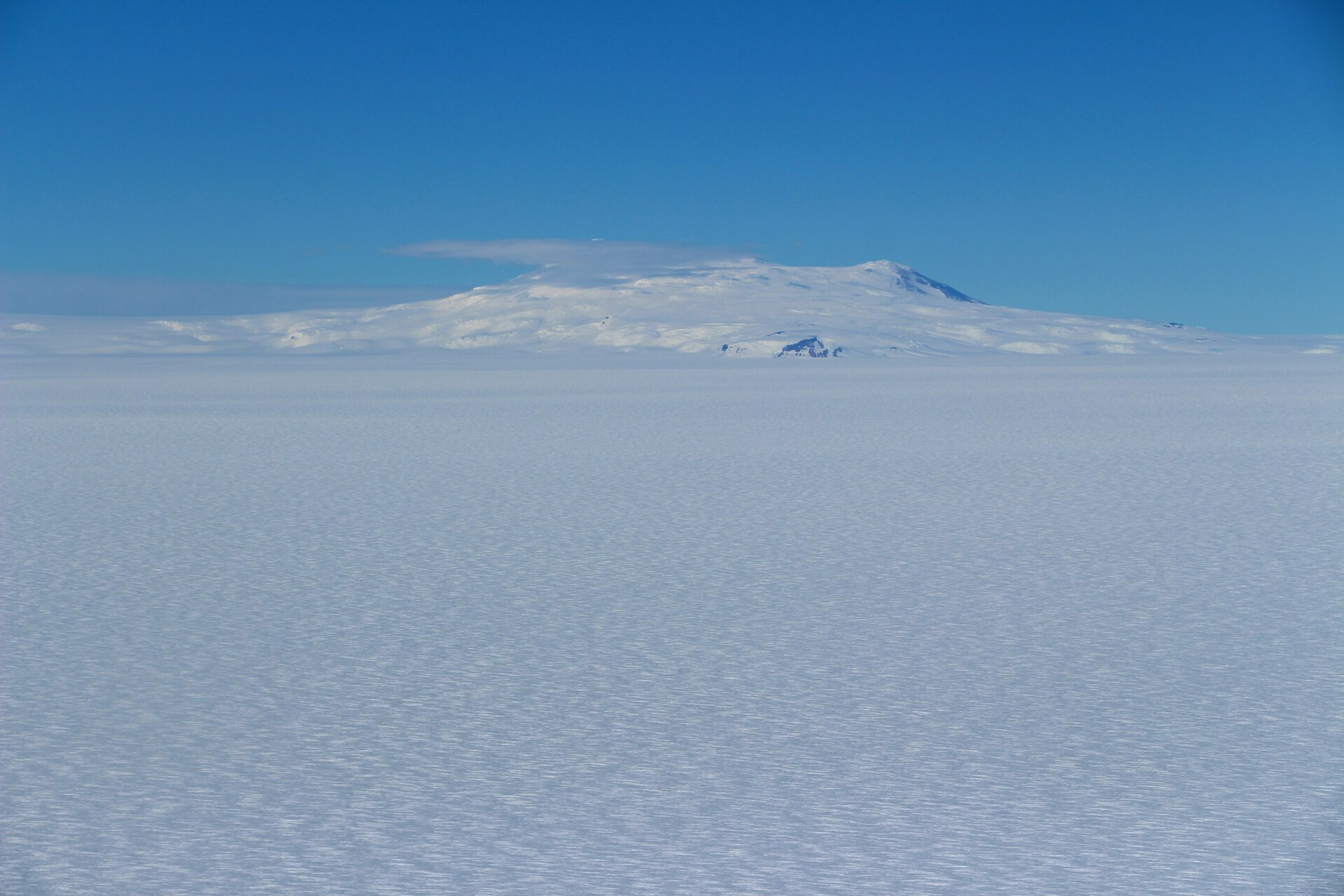
Approaching Parinacota Volcano, the landscape unfolds like a vast volcanic canvas. Its near-perfect conical shape rises sharply against the deep blue Andean sky, crowned with glistening snowfields. The barren volcanic slopes contrast starkly with the vibrant wildflower meadows and high-altitude lakes nearby. Hiking here is a journey into the heart of geological power, where every step brings you closer to the raw forces that shaped this majestic peak. The thin air sharpens your senses, and the silence is punctuated only by the crunch of volcanic scree underfoot. Reaching the crater rim, the panorama expands to reveal the twin peak Pomerape and the vast expanse of Sajama National Park, evoking a profound sense of awe and accomplishment.

The Volcano Itself: Geological Background
Parinacota is a dormant stratovolcano located on the border between Bolivia and Chile, part of the Payachata volcanic group alongside its twin, Pomerape. Formed through successive layers of lava flows and volcanic ash, Parinacota’s symmetrical cone rises to 6,348 meters, making it one of the highest peaks in the region. Its last significant eruption occurred approximately 1,700 years ago, leaving behind a large crater and extensive lava fields. The volcano features fumaroles and sulfur deposits near its summit, evidence of residual geothermal activity. The surrounding terrain includes volcanic minerals and unique formations shaped by glacial and volcanic processes. Parinacota’s geology offers a vivid glimpse into the dynamic forces of the Andean volcanic belt.
The Volcano Trek: Terrain and Hiking Experience
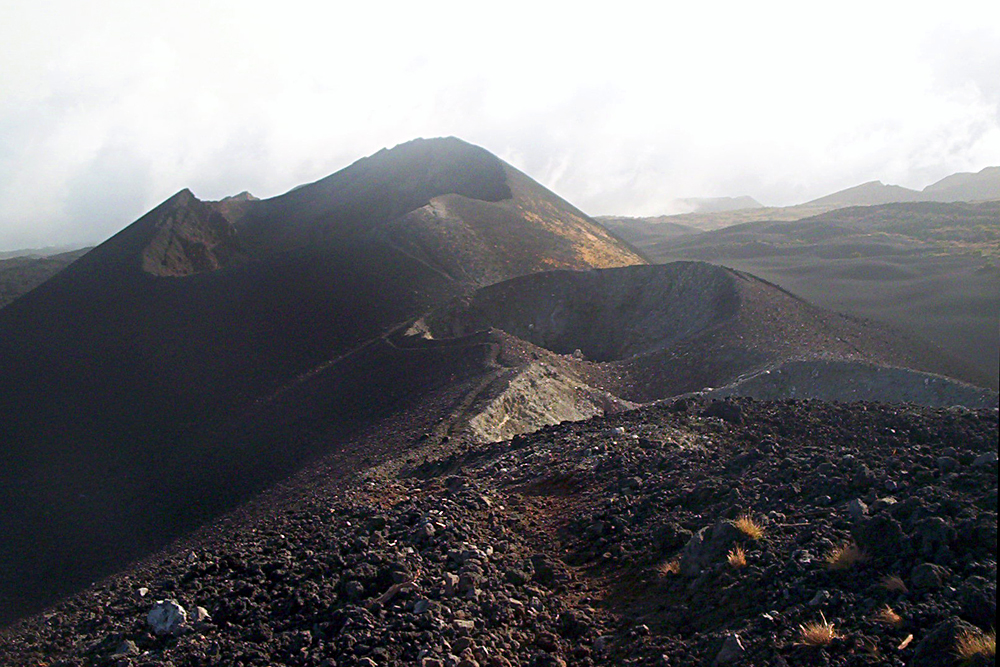
The trek up Parinacota Volcano is a physically demanding but technically straightforward climb, suitable for fit hikers with proper acclimatization. The ascent typically begins from a high base camp situated around 5,100 to 5,200 meters, accessible by 4×4 vehicles from the nearby village of Sajama. From here, the trail winds through a stark volcanic landscape characterized by loose scree, volcanic ash slopes, and rocky outcrops. The terrain demands careful footing, especially on steep sections where slopes can reach up to 40 degrees. Hikers will encounter a mix of volcanic scree and pumice, which can be slippery and unstable, requiring steady balance and trekking poles for support. As altitude increases, the air thins considerably, making each step more strenuous and necessitating frequent rest breaks to avoid altitude sickness. Near the summit, snowfields and occasional ice patches may appear, particularly outside the dry season, but technical climbing gear such as crampons and ice axes are generally not required during the main climbing months of April to October. The final approach to the crater rim involves navigating rocky terrain with panoramic views of the surrounding Andean peaks and high-altitude lakes. Weather conditions can change rapidly, with strong winds and temperature drops common near the summit, so layered clothing and windproof gear are essential. The descent retraces the ascent route, allowing hikers to experience the volcanic landscape from a different perspective, often sliding down scree slopes to conserve energy. Overall, the trek offers a compelling blend of physical challenge, geological wonder, and breathtaking scenery, rewarding climbers with a profound sense of achievement.

What Makes This Volcano Trek Unique
Parinacota Volcano stands out for its near-perfect conical shape and its status as part of the twin volcanoes with Pomerape, creating a striking silhouette against the Andean sky. The trek offers a rare opportunity to climb a 6,000-meter peak without technical mountaineering equipment during the dry season. Its location within Sajama National Park enriches the experience with diverse ecosystems, including high-altitude wetlands, wildflower fields, and native wildlife such as llamas and vicuñas. The cultural significance of the volcano to local Aymara communities adds depth, as climbers engage with traditions honoring Pachamama, or Mother Earth. The panoramic views from the summit encompass vast volcanic landscapes, snow-capped peaks, and shimmering highland lakes, making it a visually stunning and spiritually resonant adventure.
The Summit and Crater Experience
Reaching the summit of Parinacota is a moment of profound exhilaration. The crater rim reveals a vast volcanic caldera, with fumaroles emitting faint wisps of steam and the subtle scent of sulfur lingering in the crisp mountain air. The ground beneath is a mosaic of volcanic rock and mineral deposits, telling the story of ancient eruptions. From this vantage point, climbers are rewarded with sweeping views of the twin peak Pomerape, the expansive Sajama National Park, and distant Andean ranges. The silence at the top is punctuated only by the wind and the occasional call of highland birds. The thin air and cold temperatures heighten the sense of isolation and achievement, making the summit experience both humbling and inspiring.

Best Time to Trek Parinacota Volcano
The optimal climbing season for Parinacota is during the dry months from April to October, coinciding with the southern hemisphere’s autumn and winter. During this period, precipitation is minimal, and snow cover on the upper slopes is reduced, allowing for safer and more accessible trekking conditions. Weather tends to be more stable, with clear skies offering spectacular visibility. Outside this window, from November to March, the region experiences increased rainfall and snow, making the ascent more challenging and potentially hazardous due to slippery slopes and hidden crevasses. Climbers should also consider acclimatization schedules carefully, as altitude sickness is a significant risk. Early morning starts are common to avoid afternoon weather changes and to maximize daylight. Monitoring local weather forecasts and volcanic activity reports is essential for safety.
Trekking Routes and Trail Options
The primary route to Parinacota’s summit begins at the high base camp located around 5,100 to 5,200 meters, accessible by vehicle from the village of Sajama. From this camp, the trail ascends steadily through volcanic scree and ash slopes, generally without technical difficulties. The climb is usually completed in one long push, taking approximately 6 to 8 hours to reach the summit, with a descent of about 4 hours. Some operators offer acclimatization hikes around the base camp or nearby valleys to help climbers adjust to the altitude before the summit attempt. Alternative routes are limited due to the volcano’s steep slopes and protected park status, but some climbers may choose to approach from the Chilean side, requiring additional border crossing logistics. Guided tours often include transport, camping gear, and support staff, making the ascent more manageable. While the standard route is non-technical, some climbers opt for a more adventurous approach by entering the crater via rappelling, which requires technical skills and equipment. Overall, the route options balance accessibility with the physical demands of high-altitude trekking.

Difficulty Assessment
Parinacota Volcano is classified as a moderate volcano trek. The climb involves steep slopes up to 40 degrees, loose volcanic scree, and high altitude conditions that challenge even experienced hikers. While no technical climbing skills or equipment are required during the dry season, the physical demands of ascending above 6,000 meters are significant. Proper acclimatization is essential to mitigate altitude sickness risks. The terrain requires good balance and stamina, and weather conditions can add complexity with strong winds and cold temperatures near the summit. Fitness levels should be high, with endurance for long hours of continuous ascent and descent. This trek is suitable for hikers with prior high-altitude experience or those prepared to undertake acclimatization hikes.
Essential Volcano Trekking Gear
Key gear for climbing Parinacota includes sturdy hiking boots with excellent grip for loose scree and rocky terrain, trekking poles to aid balance and reduce knee strain, and layered clothing to adapt to fluctuating temperatures and wind exposure. A windproof and waterproof jacket is essential for summit conditions. While crampons and ice axes are generally not required during the dry season, carrying them may be advisable if climbing early or late in the season when snowfields persist. Sun protection such as sunglasses, sunscreen, and a wide-brimmed hat is critical due to high UV exposure at altitude. Hydration systems and high-energy snacks support endurance. A headlamp is useful for early morning starts. Additionally, a gas mask or respirator is not typically necessary, but climbers should be aware of potential sulfur gas near fumaroles.
Safety and Volcanic Hazards
While Parinacota is dormant, residual volcanic hazards include fumarolic gas emissions near the summit, which can contain sulfur dioxide and other irritants. Climbers should avoid prolonged exposure to these gases and be prepared for sudden weather changes that can reduce visibility and increase risk. The steep scree slopes pose risks of slips and falls, and unstable crater edges require caution. Altitude sickness is a primary concern; proper acclimatization and awareness of symptoms are vital. There is no recent eruptive activity, but monitoring by local authorities and park rangers provides updated safety information. Climbers are advised to hire certified guides familiar with the terrain and emergency protocols. Carrying communication devices and first aid kits enhances safety during the ascent.
Permits, Guides, and Logistics
Climbing Parinacota Volcano requires obtaining permits through Sajama National Park authorities, typically arranged by local tour operators or guides. The permit process involves park entry fees and compliance with environmental regulations to protect the fragile high-altitude ecosystem. Several reputable guiding companies operate in the region, including Bolivian Mountain Guides, Andean Ascents, AlexClimb, Bolivia Expeditions, Inca Land Tours, and Bolivian Journeys. These operators provide certified mountain guides, porters, camping equipment, and logistical support, ensuring a safe and well-organized ascent. Guided climbs usually start from the village of Sajama, accessible by a 3-5 hour drive from La Paz. Tours range from 2 to 3 days, including acclimatization hikes and summit attempts. Costs vary depending on group size and services but typically range from 680 to 1,300 Euros per person. Booking in advance is recommended, especially during the peak climbing season from April to October. Guides emphasize acclimatization strategies, weather monitoring, and safety protocols. Transport to base camp is commonly by 4×4 vehicles, and camping is the standard accommodation on the mountain. After the climb, many tours include visits to local hot springs for recovery. Climbers should prepare for remote conditions with limited infrastructure and bring all necessary personal gear. Communication with operators prior to arrival ensures tailored support and up-to-date information on trail and weather conditions.
Where to Stay Near Parinacota Volcano
The primary base for climbing Parinacota is the small village of Sajama, located within Sajama National Park at approximately 4,300 meters elevation. Sajama offers limited but essential accommodations catering to climbers and travelers. Options include simple guesthouses and hostels that provide basic amenities such as warm meals, communal areas, and equipment storage. Notable lodgings include local family-run hostels that offer authentic cultural experiences and personalized service. For those seeking more comfort, the nearby Uyuni Lodge, though located further away near the Uyuni Salt Flats, provides a luxurious retreat with stunning views of the Andes and volcanic landscapes, ideal for pre- or post-trek relaxation. Accommodations in Sajama serve as acclimatization points before ascending to the high base camp at around 5,100 meters, which is typically a camping site equipped with mountain tents provided by guiding companies. The base camp is accessible by 4×4 vehicles, reducing the initial trekking burden. Travelers should prepare for rustic conditions with limited heating and basic sanitation at high altitude. Booking accommodations in Sajama in advance is advisable during the climbing season to secure availability. The village also offers access to hot springs, providing a welcome respite after the climb. Proximity to the trailhead and local guide services makes Sajama the logistical hub for Parinacota expeditions.