Climbing Licancabur Volcano: Ultimate Guide to Trekking Bolivia’s Iconic High-Altitude Stratovolcano
Licancabur Volcano, a dormant stratovolcano on the Bolivia-Chile border, offers a demanding yet rewarding high-altitude trek culminating at one of the world’s highest crater lakes. This comprehensive guide covers geology, terrain, routes, permits, logistics, and accommodations for adventurers seeking to summit this majestic Andean peak.
Quick Volcano Snapshot
| Attribute | Value |
|---|---|
| Volcano type | Stratovolcano |
| Elevation | 5,916 meters |
| Location | Bolivia-Chile border, Potosí Department, Bolivia |
| Activity status | Dormant |
| Trekking difficulty | Demanding |
| Typical trek duration | 2 days |
| Altitude gain | 1,316 meters |
| Terrain type | Volcanic scree, loose rocks, ash slopes |
| Best season | April to November |
| Temperature range | -10°C to 10°C (varies with altitude and time of day) |
| Permit requirement | Mandatory permits required for Eduardo Avaroa Andean Fauna National Reserve |
The Experience of Hiking Licancabur Volcano
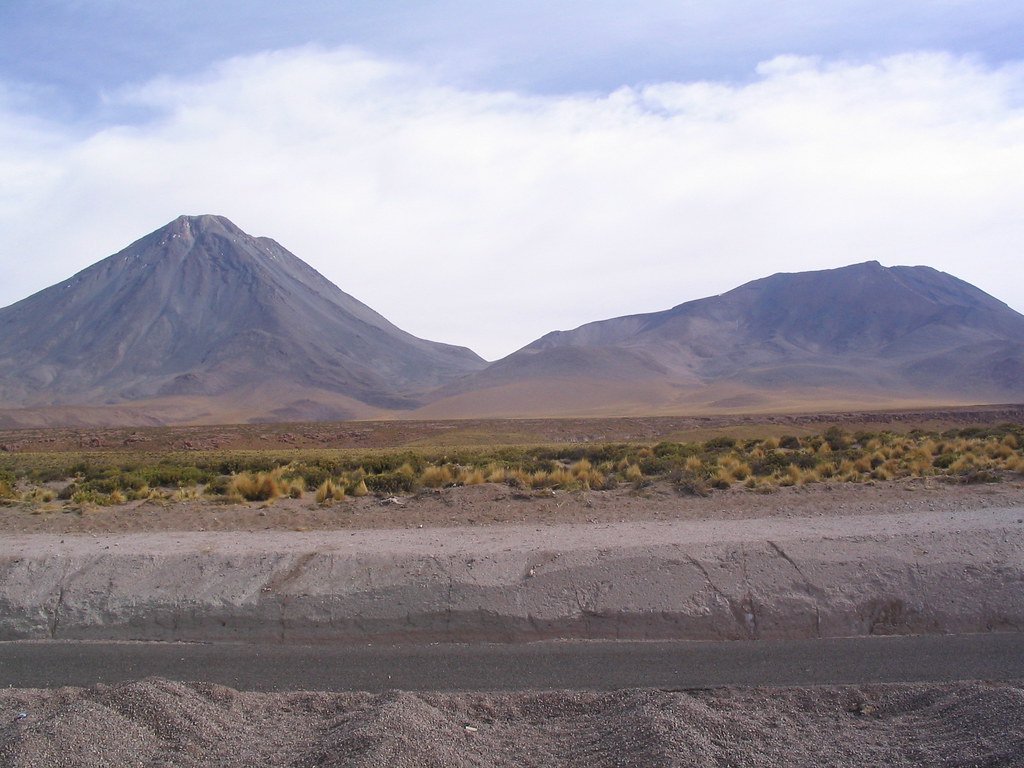
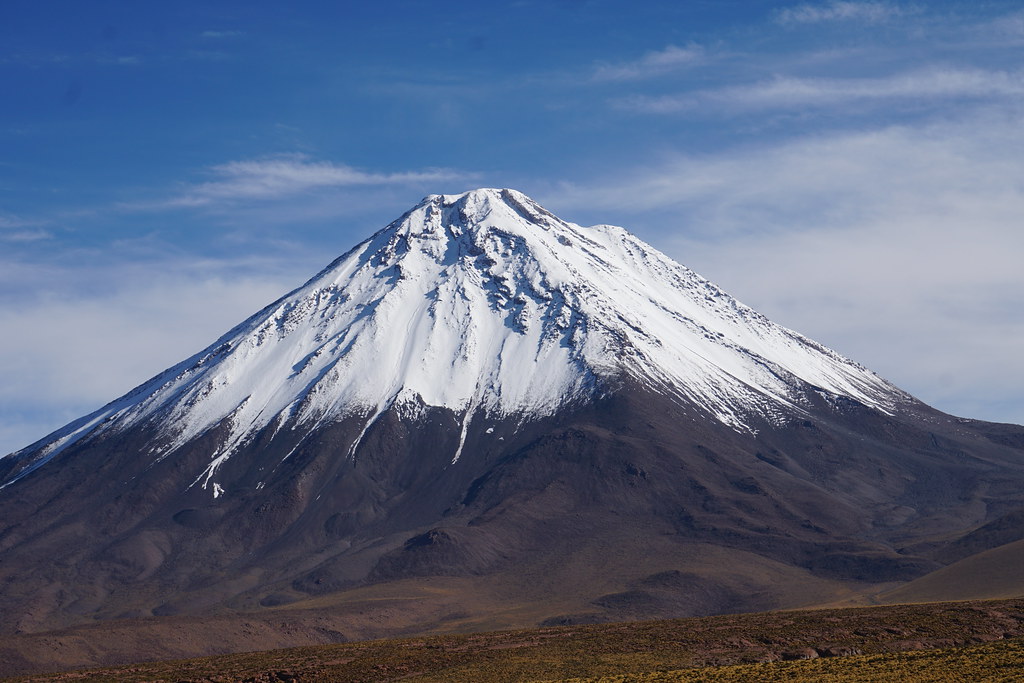
Approaching Licancabur Volcano, the landscape unfolds into a vast, arid expanse punctuated by the volcano’s near-perfect conical silhouette. The stark contrast between the barren volcanic slopes and the vibrant green and white lagoons below evokes a profound sense of geological power and isolation. As you ascend, the air thins and the terrain shifts from desert pampa to loose volcanic scree, demanding steady, deliberate steps. Reaching the summit, the frozen crater lake glimmers under the high-altitude sun, surrounded by panoramic views of the Andean peaks and the vast Altiplano. The emotional impact of standing at nearly 6,000 meters, amidst ancient Inca ruins, is a humbling testament to nature’s grandeur and human endurance.
Geological Background of Licancabur Volcano
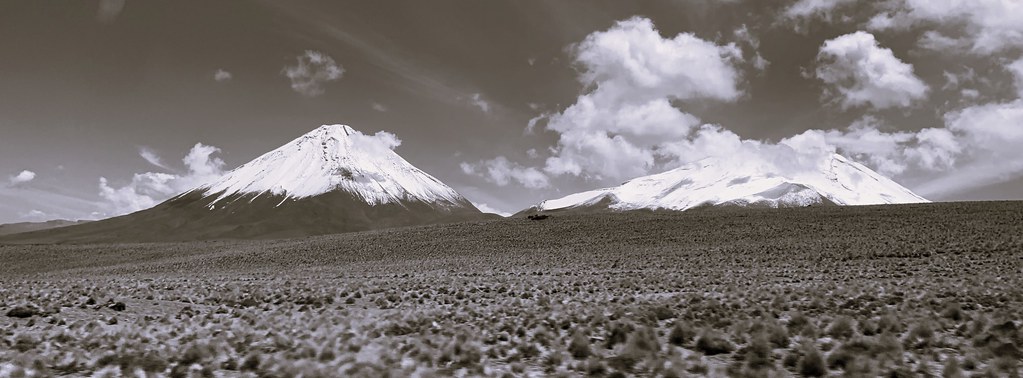
Licancabur is a stratovolcano formed atop ignimbrites from earlier volcanic activity in the Central Volcanic Zone of the Andes. Rising to 5,916 meters, it features a summit crater approximately 400 to 500 meters wide, housing one of the world’s highest crater lakes. The volcano’s composition is primarily andesite, with minor dacite and basaltic andesite flows. Although no historical eruptions are recorded, Holocene lava flows dated around 13,240 years ago indicate relatively recent volcanic activity. The arid climate prevents glacier formation, but fumaroles and sulfur deposits hint at residual geothermal heat. Archaeological sites on the summit and slopes reveal its cultural significance to the Inca and Atacama peoples, who used the mountain for ceremonial purposes.
Terrain and Hiking Experience on Licancabur
The trek up Licancabur is a demanding high-altitude ascent that challenges hikers with its steep slopes, loose volcanic scree, and thin air. Starting from approximately 4,600 meters after a 4×4 vehicle approach, the trail extends about 3.5 kilometers to the summit, gaining over 1,300 meters in elevation. The terrain consists mainly of volcanic sand, ash, and loose rocks, requiring careful footing to avoid slips. The path is not always well-marked, but experienced guides lead trekkers along the safest and most efficient routes, often following remnants of the Inca trail. Climbers face a steady incline averaging 35 degrees, with the final sections demanding the use of hands for balance on rocky outcrops. Weather conditions can be harsh, with cold temperatures and strong winds common near the summit, especially in the late morning. Acclimatization is critical; trekkers are advised to spend several days in San Pedro de Atacama or nearby high-altitude locations to prepare for the reduced oxygen levels. The ascent typically takes 6 to 7 hours, with the descent faster but still requiring caution due to loose scree. The volcanic landscape is stark and otherworldly, with panoramic views of the Altiplano, Laguna Verde, and neighboring volcanoes such as Sairecabur and Juriques. The combination of physical challenge, altitude, and dramatic scenery makes the Licancabur trek a memorable and rewarding experience for seasoned hikers.

What Makes the Licancabur Trek Unique
Licancabur’s trek stands out for its extraordinary high-altitude crater lake, one of the highest in the world, nestled within a 400-500 meter wide summit crater. The volcano’s near-perfect conical shape dominates the landscape, offering unparalleled views of the surrounding Altiplano and the striking Laguna Verde below. The presence of Inca archaeological ruins at both the summit and base adds a profound cultural and historical dimension to the climb. Unlike many other volcano treks, Licancabur’s route traverses a remote and arid environment resembling Martian terrain, appealing to geology enthusiasts and adventure seekers alike. The cross-border nature of the climb, with access only from the Bolivian side due to minefields on the Chilean slope, adds an element of exclusivity and logistical complexity. The combination of geological wonder, cultural heritage, and physical challenge makes Licancabur a truly unique volcano trekking destination.
Summit and Crater Experience on Licancabur
Reaching Licancabur’s summit is a breathtaking culmination of effort and endurance. At nearly 6,000 meters, the air is thin and cold, and the wind often intensifies, adding to the sense of isolation. The crater itself is a vast bowl approximately 400-500 meters wide, containing a small frozen lake that reflects the sky in a surreal mirror. The smell of sulfur lingers faintly, a reminder of the volcano’s dormant power. Surrounding the crater rim, hikers can observe fumaroles and mineral deposits, while the silence is punctuated only by the sound of wind and the crunch of footsteps on volcanic scree. The panoramic views encompass the vivid green and white lagoons below, the Salar de Uyuni salt flats in the distance, and neighboring volcanic peaks. The presence of Inca ceremonial ruins at the summit adds a mystical aura, connecting climbers to ancient traditions. This moment offers a profound sense of achievement and connection to the raw forces shaping the Earth.

Best Time to Trek Licancabur Volcano
The optimal trekking season for Licancabur spans from April to November, coinciding with the dry months in the region. During this period, weather conditions are more stable, with clear skies and lower chances of precipitation, making the ascent safer and more enjoyable. Temperatures can still be cold, especially at night and near the summit, often dropping below freezing. The summer months (December to March) bring the rainy season, which can cause slippery trails, increased risk of electrical storms, and occasional flooding in lower areas, making trekking hazardous. Early morning starts are recommended to avoid afternoon winds and to maximize daylight for the ascent and descent. Acclimatization is essential regardless of season, as altitude sickness is a significant risk. Monitoring local weather forecasts and volcanic activity reports is advised before planning the trek.
Trekking Routes and Trail Options for Licancabur
The only safe and legal route to ascend Licancabur is from the Bolivian side, accessed via the Eduardo Avaroa Andean Fauna National Reserve. The Chilean slope remains closed due to anti-personnel mines laid during past military conflicts. The typical itinerary begins in San Pedro de Atacama, Chile, where trekkers travel by 4×4 vehicle to the border crossing at Hito Cajón. After completing migration formalities, the journey continues into Bolivia, reaching the refuge at approximately 4,300 meters near Laguna Blanca. This shelter provides basic accommodation with beds and meals, allowing for acclimatization. The summit day starts early, with a vehicle ride to 4,600 meters, where the trekking begins. The ascent trail is about 3.5 kilometers long, climbing roughly 1,316 meters through volcanic scree and ash slopes. The path follows a zigzag pattern, sometimes referred to as the Inca Trail, and is moderately steep with sections requiring the use of hands for balance. The ascent typically takes 6 to 7 hours, with the descent lasting 2 to 3 hours. Guided tours are mandatory, and several operators based in San Pedro de Atacama and Uyuni offer organized expeditions including permits, transport, guides, and equipment. Alternative routes or self-guided climbs are not recommended due to safety and legal restrictions. The route offers spectacular views of Laguna Verde, Laguna Blanca, and the surrounding volcanic landscape throughout the trek.
Difficulty Assessment of Licancabur Trek
Licancabur is classified as a demanding volcano trek, primarily due to its high altitude, steep ascent, and challenging terrain. The climb is non-technical, requiring no specialized mountaineering equipment, but the loose volcanic scree and ash slopes demand good balance and surefootedness. The altitude gain of over 1,300 meters starting from 4,600 meters places significant strain on cardiovascular and respiratory systems, making acclimatization essential. Trekkers should possess excellent physical fitness and prior experience with high-altitude hiking. The thin air increases fatigue and risk of altitude sickness, which can impair judgment and physical performance. Weather conditions can be harsh, with cold temperatures and strong winds near the summit. Overall, the trek suits experienced hikers comfortable with strenuous ascents in alpine environments rather than beginners.
Essential Gear for Trekking Licancabur Volcano
Proper gear is critical for a safe and comfortable ascent of Licancabur. Recommended items include sturdy hiking boots with good traction to handle loose scree and rocky terrain. Trekking poles are highly advised to aid balance and reduce strain on knees during ascent and descent. Layered clothing is essential to adapt to temperature fluctuations: a moisture-wicking base layer, insulating fleece or down jacket, and a waterproof/windproof outer shell. Warm accessories such as gloves, a beanie, and a neck gaiter protect against cold and wind. Sunglasses with UV protection and high-SPF sunscreen are necessary due to intense solar radiation at altitude. A headlamp is useful for early morning starts. Carry sufficient water and high-energy snacks to maintain hydration and energy. A small first aid kit, including altitude sickness medication, is recommended. Gas masks or respirators are not typically required as volcanic gases are minimal. Finally, a camera or smartphone is ideal for capturing the stunning summit views.
Safety and Volcanic Hazards on Licancabur Trek
While Licancabur is dormant with no recent eruptions, trekkers must remain vigilant about high-altitude risks and terrain hazards. Altitude sickness is the primary concern; symptoms include headache, nausea, dizziness, and fatigue. Proper acclimatization and hydration are essential to mitigate these effects. The volcanic terrain features loose scree and ash slopes that can cause slips and falls, especially during descent. Weather can change rapidly, bringing cold temperatures, strong winds, and reduced visibility. The Chilean side of Licancabur remains off-limits due to anti-personnel mines, making unauthorized access extremely dangerous. Guides are mandatory to ensure safe navigation and adherence to regulations. There are no active fumaroles or significant volcanic gas emissions on the route, but hikers should avoid unstable crater edges. Emergency services are limited in this remote area, so preparation and caution are vital. Monitoring updates from geological agencies and park authorities before and during the trek is recommended.
Permits, Guides, and Logistics for Licancabur Trek
Climbing Licancabur requires careful planning due to its location on the Bolivia-Chile border and the sensitive nature of the terrain. Access is only permitted from the Bolivian side through the Eduardo Avaroa Andean Fauna National Reserve. Trekkers must obtain entry permits for the reserve, which typically cost around 150 Bolivianos (approximately $22 USD). These permits are included in most organized tours. Hiring a certified guide is mandatory for safety, environmental protection, and border regulations. Guides provide essential support, including route navigation, acclimatization advice, and emergency assistance. Several reputable tour operators based in San Pedro de Atacama and Uyuni specialize in Licancabur expeditions, such as Vulcano Expediciones, Caminandes, Inca Land Tours, Nomades, Explore Share, Bercovich Travels, and Chucaro Turismo Aventura. These companies offer 2-day tours that include transportation from San Pedro de Atacama, border crossing assistance, accommodation at mountain shelters (around 4,300 meters), meals, and guided ascent and descent. The typical itinerary involves a 4×4 transfer to the Bolivian border, overnight stay at the refuge near Laguna Blanca, and a pre-dawn summit attempt starting from 4,600 meters. Costs range from $300 to $600 USD per person depending on the operator and included services. Independent trekking is discouraged due to legal restrictions, altitude challenges, and safety concerns. Booking in advance is recommended, especially during the peak trekking season from April to November.
Where to Stay and Nearby Bases for Licancabur Trek
The primary base for Licancabur treks is San Pedro de Atacama, Chile, a well-equipped town offering a range of accommodations from budget hostels to mid-range hotels and boutique lodges. Popular options include Hostal Rural, Hotel Kimal, and Casa de Don Tomas, all providing comfortable amenities and easy access to tour operators. San Pedro serves as the logistical hub for arranging permits, guides, and transport. On the Bolivian side, trekkers stay overnight at a basic mountain shelter near Laguna Blanca at approximately 4,300 meters altitude. This refuge offers simple beds and meals, eliminating the need to carry heavy camping gear. The shelter provides essential rest and acclimatization before the summit attempt. Due to the remote location, no other accommodations exist closer to the trailhead. Additional nearby attractions include Laguna Verde and Laguna Blanca, which are accessible for acclimatization hikes and offer stunning views of Licancabur and surrounding volcanoes. Travelers should plan to arrive in San Pedro several days before the climb to acclimatize properly and finalize logistics. Transportation between San Pedro and the Bolivian border is typically arranged by tour operators using 4×4 vehicles, covering approximately 3 hours including border formalities.