
Trekking Volcán de Yojoa: A Complete Guide to Hiking Honduras’ Dormant Stratovolcano Overlooking Lake Yojoa
Volcán de Yojoa offers a moderate trek through lush forests and volcanic terrain with stunning crater rim views over Honduras’ largest lake. This guide covers geology, hiking routes, safety, permits, accommodations, and local tour operators for an immersive volcano trekking experience.
Quick Volcano Snapshot
| Attribute | Value |
|---|---|
| Volcano type | Stratovolcano |
| Elevation | 1740 m |
| Location | Santa Bárbara, Honduras |
| Activity status | Dormant |
| Trekking difficulty | Moderate |
| Typical trek duration | 4-6 hours |
| Altitude gain | Approx. 600 m |
| Terrain type | Lush forest trails, volcanic ash slopes, rocky crater rim |
| Best season | Dry season (November to April) |
| Temperature range | 15°C to 25°C |
| Permit requirement | No formal permit required; guided tours recommended |
Introduction: The Experience of Hiking Volcán de Yojoa
Approaching Volcán de Yojoa, the landscape shifts dramatically from the vibrant waters of Honduras’ largest lake to the rugged volcanic slopes that rise above it. The trek immerses you in dense, fragrant forests where the air is thick with the scent of damp earth and wildflowers. As you ascend, the trail reveals the raw geological power that shaped this stratovolcano, contrasting the lush greenery below with barren volcanic rock near the crater rim. Reaching the summit offers a profound sense of accomplishment, standing on the edge of a dormant volcano with panoramic views of Lake Yojoa and the surrounding mountains. The silence here is punctuated only by the wind and distant birdcalls, creating a deeply emotional connection to the Earth’s volcanic forces.
The Volcano Itself: Geological Background
Volcán de Yojoa is a stratovolcano located in the Santa Bárbara region of Honduras, forming part of the Central American volcanic arc. Its formation dates back to the Pleistocene and Holocene epochs, characterized by layers of hardened lava, ash, and volcanic debris. Although no historic eruptions have been recorded, geological evidence indicates at least two eruptive events within the last 10,000 years. The volcano features a broad crater rim with remnants of scoria cones and lava flows extending northward toward the village of Río Lindo. The volcanic field includes pit craters and extensive lava deposits, showcasing a complex volcanic history. Fumaroles and sulfur deposits are minimal, reflecting its dormant status. The mineral composition includes basaltic and andesitic rocks, typical of stratovolcanoes in this region. This geological backdrop offers trekkers a unique opportunity to witness volcanic formations shaped by millennia of activity.
The Volcano Trek: Terrain and Hiking Experience
The trek up Volcán de Yojoa is a rewarding journey through diverse terrain that challenges and delights hikers of moderate experience. The trail begins in lush tropical forests, where the canopy filters sunlight and the ground is soft with leaf litter and rich soil. Early sections feature well-marked paths winding through dense vegetation, alive with the sounds of native birds and the scent of wildflowers. As you gain elevation, the forest gradually thins, revealing volcanic soil and rocky outcrops. The terrain becomes more rugged, with loose volcanic ash and pumice underfoot, requiring careful footing to avoid slips. Sections of the trail involve scrambling over jagged lava rocks, especially near the crater rim, where the landscape opens dramatically. The volcanic ash slopes can be steep and dusty, demanding steady pacing and good hiking boots with solid grip. Altitude gain of approximately 600 meters introduces mild effects of thinner air, but the elevation is generally manageable for those acclimated to moderate hikes. Wind conditions near the summit can be brisk, adding a chill to the air and enhancing the sense of exposure on the crater rim. Temperature shifts are noticeable, with cooler air at higher elevations contrasting the warmth of the forested base. The trail’s diversity—from shaded forest paths to exposed volcanic ridges—creates a dynamic hiking experience that tests endurance and rewards with spectacular views. Trekkers should be prepared for variable footing, occasional steep sections, and the physical demands of altitude gain. The well-maintained trails and clear signage facilitate navigation, making the volcano accessible to hikers with moderate fitness and some prior trekking experience. Overall, the terrain offers a compelling blend of natural beauty and volcanic geology, immersing visitors in the powerful forces that shaped this landscape.
What Makes This Volcano Trek Unique
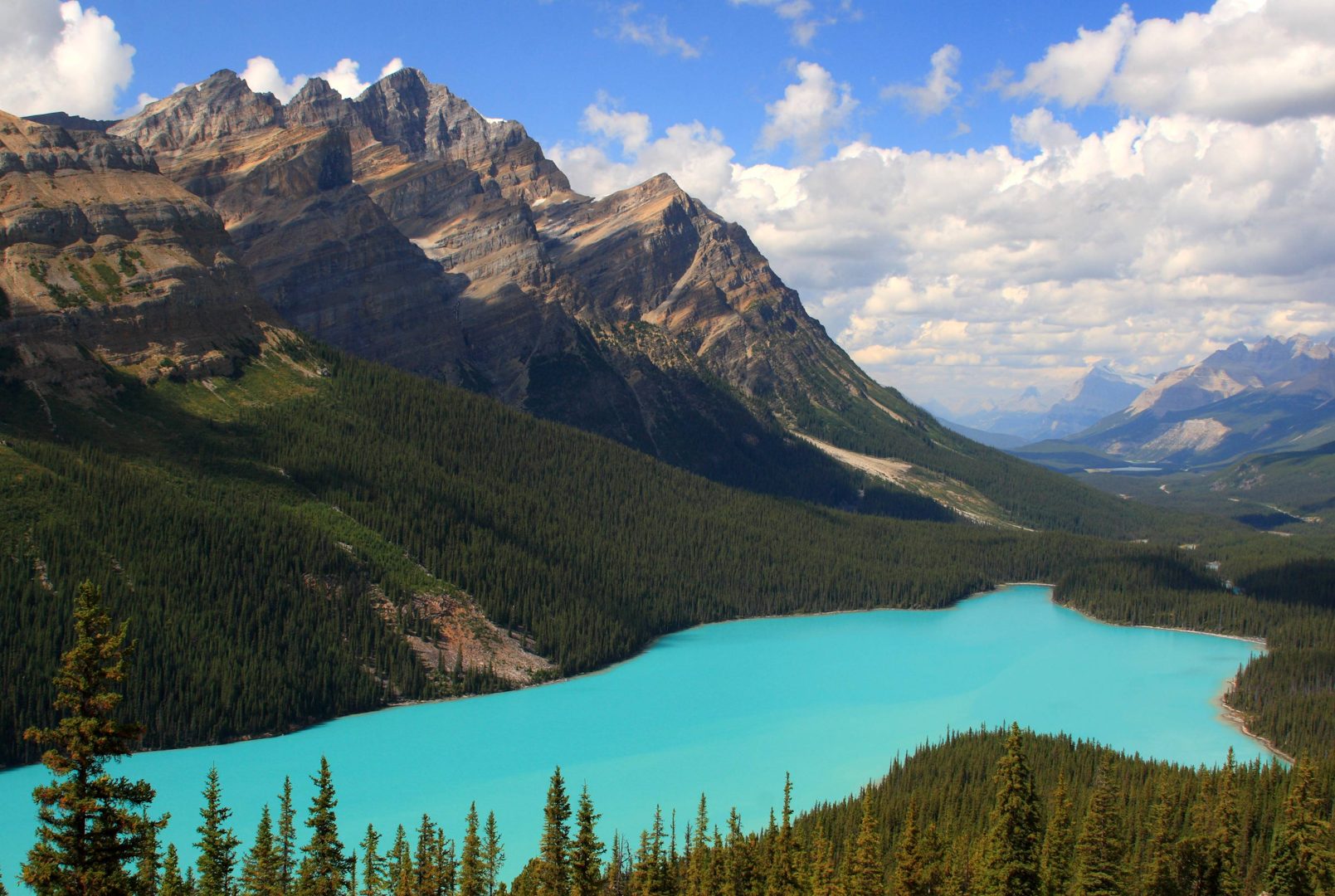
Volcán de Yojoa stands out for its breathtaking vantage points overlooking Lake Yojoa, Honduras’ largest freshwater lake. Unlike many volcanoes, this trek combines the lush biodiversity of tropical forests with stark volcanic landscapes, creating a striking contrast. The crater rim trails provide panoramic views of the lake’s shimmering waters framed by surrounding mountains, a rare feature among Central American volcanoes. The volcano’s dormant status allows for safe exploration of its geological features without the immediate threat of eruptions. Additionally, the area’s rich birdlife and endemic flora add ecological interest to the trek. The presence of local coffee farms and small villages near the volcano enriches the cultural experience, offering insights into rural Honduran life. The combination of volcanic geology, lake scenery, and cultural immersion makes Volcán de Yojoa a distinctive and rewarding trekking destination.
The Summit and Crater Experience
Reaching the summit of Volcán de Yojoa is a moment of awe and reflection. The crater rim offers sweeping views across Lake Yojoa’s vast expanse, its deep blue waters contrasting vividly with the dark volcanic rock. The air carries a faint earthy scent, and the occasional breeze whispers through the sparse vegetation clinging to the rim. Though dormant, the crater’s rugged edges reveal the volcano’s fiery past through jagged lava formations and scattered volcanic debris. From this vantage point, hikers can observe the interplay of light and shadow across the lake and surrounding hills, especially striking at sunrise or late afternoon. The silence at the summit is profound, broken only by the calls of birds soaring overhead and the rustle of wind. This sensory experience connects trekkers intimately with the volcanic landscape, evoking the immense geological forces that shaped this region.
Best Time to Trek Volcán de Yojoa
The optimal time to hike Volcán de Yojoa is during the dry season, which runs from November through April. During these months, trails are less muddy and weather conditions are more stable, providing safer and more comfortable trekking. Early mornings and late afternoons offer cooler temperatures and softer light for photography. The wet season, from May to October, brings heavy rains that can make trails slippery and increase the risk of landslides or trail erosion. Additionally, the dry season reduces the presence of volcanic gases and humidity, enhancing visibility and overall trekking safety. Visitors should also consider local weather forecasts and volcanic monitoring updates before planning their trek. Sunrise climbs are popular for spectacular views over the lake and surrounding mountains, but require early starts and headlamps. Daytime hikes offer warmer temperatures and easier logistics for most trekkers.
Trekking Routes and Trail Options
Volcán de Yojoa offers several trail options catering to different fitness levels and time availability. The primary route begins near the village of Los Naranjos, accessible by local transport from nearby towns. This trail ascends through dense forest before reaching volcanic slopes and the crater rim. It covers approximately 8 kilometers round trip with an elevation gain of around 600 meters, typically completed in 4 to 6 hours. For hikers seeking a shorter experience, a loop trail near the base offers a gentle 2 to 3-hour hike through forested areas with lake views. More ambitious trekkers can extend their journey by combining the volcano trail with nearby routes in Cerro Azul Meámbar National Park, adding several hours and additional elevation. Guided tours are available through local operators such as Lago Adventure and D&D Brewery and Lodge, who provide knowledgeable guides, transportation, and equipment. Self-guided hikers benefit from well-marked trails and clear signage but should carry maps and GPS devices. Seasonal trail conditions vary, with some sections becoming slippery during the rainy season. Overall, the trail network around Volcán de Yojoa provides flexible options for diverse trekking preferences.
Difficulty Assessment
The trek up Volcán de Yojoa is classified as a moderate volcano trek. The terrain includes well-maintained forest paths, steep volcanic ash slopes, and rocky sections near the crater rim that require sure-footedness. Altitude gain of approximately 600 meters is manageable for hikers with moderate fitness but may challenge beginners. No technical climbing skills or equipment are necessary, making it accessible to most trekkers with some hiking experience. Weather conditions, such as rain or wind, can increase difficulty, so preparation is essential. Overall, the trek balances physical challenge with rewarding scenery, suitable for adventure travelers seeking a volcanic hiking experience without extreme technical demands.
Essential Volcano Trekking Gear
Key gear for hiking Volcán de Yojoa includes sturdy hiking boots with good grip to handle loose volcanic ash and rocky terrain. Trekking poles are recommended to aid balance on steep or slippery sections. Lightweight, breathable clothing layered for temperature changes is essential, along with a windproof jacket for summit exposure. A wide-brimmed hat and sunscreen protect against strong sun at higher elevations. Carry ample water and snacks for hydration and energy. A headlamp is useful for early morning starts or late finishes. While volcanic gases are minimal due to the volcano’s dormant status, sensitive hikers may consider a lightweight respirator or mask. A map, GPS device, or guidebook ensures safe navigation. Finally, insect repellent and a first aid kit complete the essential gear list for a safe and comfortable trek.
Safety and Volcanic Hazards
Although Volcán de Yojoa is dormant with no recent eruptions, trekkers should remain aware of general volcanic and hiking hazards. Loose volcanic ash and pumice can cause slips and falls, especially on steep slopes and near the crater rim. Unstable rocks and uneven terrain require cautious footing. Weather can change rapidly, with sudden rain making trails slippery and increasing risk of hypothermia at higher elevations. Volcanic gases are minimal but hikers with respiratory issues should monitor their condition. It is advisable to check local volcanic activity reports and weather forecasts before the trek. Guided tours provide added safety through experienced leadership and knowledge of trail conditions. Emergency services are limited in this rural area, so carrying a first aid kit and communication device is recommended. Respect trail closures and official warnings to ensure a safe hiking experience.
Permits, Guides, and Logistics
Volcán de Yojoa does not require formal permits for hiking, making it accessible for independent trekkers. However, hiring a local guide is highly recommended to enhance safety, navigation, and cultural insight. Local tour operators such as Lago Adventure and D&D Brewery and Lodge offer guided treks with transportation, equipment rental, and expert knowledge of the volcano and surrounding region. These operators provide flexible tour packages ranging from half-day hikes to multi-activity adventures including kayaking and birdwatching around Lake Yojoa. Costs for guided hikes typically range from $30 to $60 USD per person, depending on group size and services included. Public transportation options connect nearby towns to trailheads, with buses running regularly from San Pedro Sula and other regional hubs. The trailhead near Los Naranjos village is accessible by local buses or taxis. Visitors should plan logistics in advance, especially during peak dry season when demand increases. Accommodation providers like D&D Brewery Lodge can assist with arranging tours and transport. While no official park fees apply, supporting local guides and services contributes to sustainable tourism and community development.
Where to Stay Near Volcán de Yojoa
The Lake Yojoa region offers a variety of accommodations catering to different traveler preferences, all within convenient distance to Volcán de Yojoa’s trailheads. The most popular base is the D&D Brewery and Lodge, located in the village of Los Naranjos just outside Peña Blanca. This unique lodge combines comfortable private cabins and dormitory rooms with amenities including a swimming pool, full-service restaurant, and on-site microbrewery producing Honduras’ first craft beer. The friendly, bilingual staff provide excellent local knowledge and can arrange guided volcano treks and other tours. For travelers seeking a quieter, nature-immersed stay, Bioparque Paradise is a nearby coffee farm and private nature reserve offering rustic cabins and camping facilities. It features over 5 kilometers of hiking trails and a tranquil environment ideal for birdwatching and relaxation. Finca Las Glorias, situated lakeside on a well-maintained coffee plantation, offers basic but comfortable rooms, a pool, and a restaurant, with excellent opportunities for birdwatching and learning about coffee cultivation. Brisas del Lago is the largest hotel in the area, featuring a large restaurant with lake views and lakeside facilities, though its architecture is somewhat dated. For those preferring self-catering or more intimate stays, numerous Airbnb cabins and vacation rentals are available around the lake, offering stunning views and peaceful surroundings. Most accommodations are within a 15 to 30-minute drive of the volcano’s trailheads, with local transport or arranged transfers available. Staying near Lake Yojoa provides the perfect balance of adventure access and comfort, with opportunities to explore the lake’s natural beauty and local culture after your volcano trek.

