
Trekking Volcán La Muralla: A Demanding Volcano Hike Through Honduras’ Remote Cloud Forest
Volcán La Muralla, a dormant stratovolcano in Honduras’ Olancho region, offers a challenging trek through rugged terrain and pristine cloud forests within La Muralla National Park. This comprehensive guide covers the volcano’s geology, trekking routes, safety, permits, accommodations, and what makes this remote volcano a unique adventure for experienced hikers and nature lovers.
Quick Volcano Snapshot
| Attribute | Value |
|---|---|
| Volcano type | Stratovolcano |
| Elevation | 2,064 meters |
| Location | Olancho, Honduras |
| Activity status | Dormant |
| Trekking difficulty | Demanding |
| Typical trek duration | 2 to 3 days |
| Altitude gain | Approximately 1,000 meters |
| Terrain type | Cloud forest trails, rugged mountain paths, volcanic rock |
| Best season | November to April (dry season) |
| Temperature range | 10°C to 22°C |
| Permit requirement | Park entrance fee required; guided tours recommended |
The Experience of Hiking Volcán La Muralla
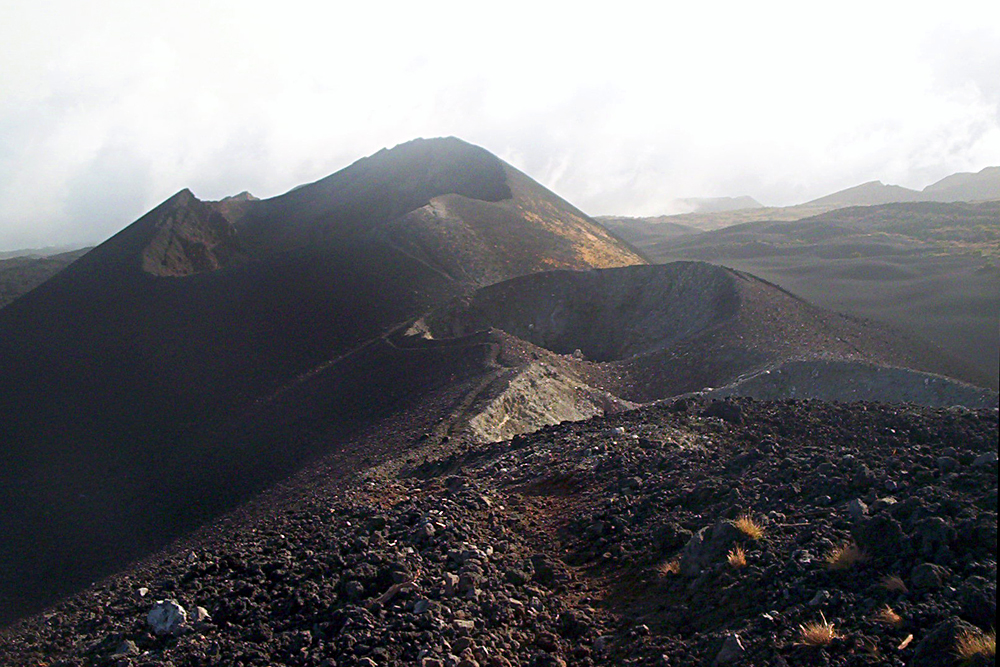
Approaching Volcán La Muralla immerses you in a dramatic landscape where towering cloud forests cloak rugged volcanic peaks. The trail winds through dense vegetation, revealing glimpses of orchids and rare bird species, including the elusive resplendent quetzal. The contrast between the lush greenery and the stark volcanic formations evokes a profound sense of nature’s power and resilience. As you ascend, the air cools and thickens with mist, heightening the anticipation of reaching the summit. Standing at the crater rim, surrounded by the vastness of Honduras’ highlands, offers a humbling and exhilarating encounter with the Earth’s geological forces.

Geological Background of Volcán La Muralla
Volcán La Muralla is a dormant stratovolcano situated within the Sierra de Agalta mountain range in Honduras’ Olancho Department. Formed through successive layers of hardened lava, ash, and volcanic debris, this volcano contributes to the rugged topography of the region. Although it has not erupted in recent history, its geological features include steep slopes and rocky outcrops characteristic of stratovolcanoes. The area surrounding La Muralla is rich in volcanic minerals and supports a diverse ecosystem shaped by its volcanic soils. The volcano’s name, meaning “The Wall,” reflects the imposing mountain formations that create a natural barrier resembling a massive wall. This geological setting fosters unique habitats, including cloud forests that thrive on the volcanic terrain.
Terrain and Hiking Experience on Volcán La Muralla
Trekking Volcán La Muralla is a demanding adventure that challenges hikers with its rugged and varied terrain. The trail begins at the park’s entrance near El Díctamo and quickly ascends through dense cloud forest, where humidity and mist create a lush environment teeming with orchids and diverse wildlife. Hikers navigate steep slopes covered in volcanic rock, loose soil, and occasional muddy patches, especially during the rainy season. The path includes sections of narrow ridges and rocky scrambles that require careful footing and good balance. Altitude gain is significant, reaching over 1,000 meters, which can affect breathing and stamina.
The terrain’s complexity is compounded by the lack of developed infrastructure, demanding strong navigation skills and physical fitness. Weather conditions vary, with cool temperatures and frequent winds near the summit. The forest canopy opens sporadically, offering breathtaking views of the surrounding mountains and valleys. The trail’s natural obstacles, such as fallen trees and uneven ground, add to the challenge but also enhance the sense of wilderness and exploration.
Throughout the hike, trekkers experience a rich biodiversity, including sightings of rare birds like the resplendent quetzal and a variety of orchids unique to the region. The volcanic soil supports a vibrant ecosystem, contrasting with the stark volcanic rock formations near the summit. The journey requires endurance, proper gear, and preparation for sudden weather changes. Despite its difficulty, the trail rewards hikers with an immersive encounter with one of Central America’s most pristine and remote volcanic landscapes.
What Makes the Volcán La Muralla Trek Unique
Volcán La Muralla stands out for its remote location within one of Honduras’ most pristine cloud forests, offering trekkers a rare opportunity to explore a largely untouched volcanic environment. Unlike more frequented volcanoes, La Muralla’s trails weave through dense forests rich in biodiversity, including over 120 species of orchids and the chance to spot the elusive resplendent quetzal. The volcano’s rugged terrain and lack of tourism infrastructure create a true wilderness experience.
The trek’s uniqueness also lies in its cultural and ecological context. The surrounding La Muralla National Park serves as a vital water source for local communities and a refuge for diverse flora and fauna. The mountain formations resemble a natural wall, lending the volcano its name and a dramatic silhouette against the sky. This combination of geological grandeur and ecological richness makes the trek an exceptional adventure for hikers seeking both physical challenge and deep connection with nature.
The Summit and Crater Experience at Volcán La Muralla
Reaching the summit of Volcán La Muralla is a moment of profound awe. The crater rim, though dormant, reveals rugged volcanic rock formations shaped by ancient eruptions. From this vantage point, hikers are rewarded with sweeping panoramas of Honduras’ mountainous highlands, cloud forests, and distant valleys. The air is crisp and often filled with mist, lending a mystical atmosphere to the summit.
The silence at the top is punctuated only by the wind and occasional bird calls, emphasizing the volcano’s remote nature. Unlike active volcanoes, there is no sulfur smell or fumarolic activity, but the geological presence is palpable. The sense of accomplishment is heightened by the challenging ascent and the knowledge of standing atop a significant geological landmark within a fragile ecosystem.
Best Time to Trek Volcán La Muralla
The optimal time to trek Volcán La Muralla is during Honduras’ dry season, from November through April. During these months, trails are more accessible, and the risk of heavy rain and muddy conditions is reduced. The dry season offers clearer skies and more stable weather, enhancing visibility and safety on the rugged paths.
The wet season, spanning May to October, brings frequent rain showers that can make trails slippery and challenging. Additionally, the cloud forest remains humid year-round, so hikers should be prepared for mist and occasional light rain even in the dry months. Early morning starts are recommended to avoid afternoon showers and to enjoy cooler temperatures. Seasonal considerations also include monitoring local weather and park advisories to ensure safe trekking conditions.
Trekking Routes and Trail Options on Volcán La Muralla
Volcán La Muralla offers several trekking routes primarily accessed through La Muralla National Park’s entrance near the community of El Díctamo. The most common route is a multi-day trek that covers approximately 15 to 20 kilometers, with an elevation gain of around 1,000 meters, requiring 2 to 3 days to complete.
The main trail begins at the park’s visitor center and ascends through cloud forest, passing notable natural landmarks such as waterfalls and diverse flora zones. Hikers can choose to camp at designated sites within the park, which require prior arrangement and payment of camping fees. The trail is not heavily marked, so guided tours are highly recommended for navigation and safety.
Alternative routes include shorter day hikes to lower elevations or exploratory paths through the park’s buffer zones, but these do not reach the summit. Due to the park’s limited infrastructure and challenging terrain, most trekkers opt for guided multi-day expeditions that provide logistical support, local knowledge, and enhanced wildlife spotting opportunities. The routes vary in difficulty, with some sections involving steep climbs and rocky scrambles, demanding good physical condition and hiking experience.
Difficulty Assessment of the Volcán La Muralla Trek
The trek to Volcán La Muralla is classified as demanding due to its rugged terrain, significant altitude gain, and remote location. Hikers face steep ascents through dense cloud forest, uneven volcanic rock paths, and occasional muddy or slippery sections, especially during the wet season. The trail’s lack of developed infrastructure and limited signage increase the challenge, requiring good navigation skills or a knowledgeable guide.
Altitude effects are moderate, with the summit reaching just over 2,000 meters, which can affect breathing and stamina for some trekkers. The physical demands necessitate a solid fitness level, endurance, and experience with mountain hiking. Technical climbing skills are not required, but sure-footedness and caution on rocky or narrow sections are essential. Overall, this trek is best suited for experienced hikers seeking a remote and physically challenging volcano ascent.
Essential Gear for Trekking Volcán La Muralla
Preparing for the Volcán La Muralla trek requires gear suited to demanding mountain and cloud forest conditions. Essential items include sturdy hiking boots with excellent grip for rocky and muddy terrain, trekking poles to aid balance on steep and uneven paths, and gaiters to protect against volcanic ash and debris.
A waterproof and windproof jacket is crucial due to frequent mist and potential rain showers. Layered clothing helps manage temperature shifts from warm forested lower slopes to cooler summit conditions. A headlamp is recommended for early starts or late finishes. Hydration systems or water bottles are necessary, as water sources may be limited.
Sun protection, including a hat, sunglasses, and sunscreen, is important despite the forest canopy. A basic first aid kit, insect repellent, and a map or GPS device enhance safety. For those sensitive to altitude or dust, a lightweight respirator or mask may be useful. Camping gear is required for multi-day treks, including a tent, sleeping bag, and cooking equipment if planning to stay overnight in the park.
Safety and Volcanic Hazards on Volcán La Muralla
Volcán La Muralla is dormant, presenting minimal volcanic hazards such as eruptions or toxic gas emissions. However, the trek involves natural risks typical of remote mountain environments. Hikers should be cautious of unstable terrain, including loose volcanic rocks and slippery mud, which can cause falls or injuries.
The dense cloud forest habitat may harbor insects and wildlife, so appropriate precautions against bites and stings are advised. Weather can change rapidly, with fog, rain, and wind reducing visibility and increasing hypothermia risk. The remote location means emergency services are limited; therefore, trekking with a guide and informing others of your itinerary is essential.
Park authorities monitor environmental conditions, but hikers should stay updated on local advisories. Carrying a first aid kit, sufficient water, and communication devices enhances safety. Respecting trail boundaries and avoiding unstable crater edges prevent accidents. Overall, careful preparation and awareness of natural hazards ensure a safe and rewarding trekking experience.
Permits, Guides, and Logistics for Volcán La Muralla Trekking
Access to Volcán La Muralla is managed through La Muralla National Park, which requires an entrance fee of approximately $10 USD per person. Camping within the park is permitted at designated sites for an additional fee ranging from $5 to $10 USD per night. Visitors must register at the park’s visitor center near El Díctamo before beginning their trek.
Guided tours are strongly recommended due to the park’s remote location, challenging terrain, and limited trail markings. Local tour operators such as Mesoamérica Travel and Intrepid Travel offer organized multi-day trekking packages that include guides, permits, transportation, and camping arrangements. Guided tours typically cost between $30 and $100 USD depending on the length and inclusions.
Logistics for reaching the park involve traveling to the Olancho Department, with the nearest major cities being Tegucigalpa and La Ceiba, both approximately 200 km away. Renting a 4×4 vehicle is advisable for the final stretch to the park entrance due to rough road conditions, especially during the rainy season. Public transportation options are limited and less reliable.
Food and water supplies are scarce inside the park; trekkers should bring sufficient provisions for the duration of their hike. Cash is essential as card payments are generally not accepted. Communication networks are weak or nonexistent within the park, so planning for emergencies is critical. Visitors should also be aware of local safety advisories regarding travel in Honduras and take necessary precautions.
Overall, thorough preparation, securing permits, and booking experienced guides are key to a successful and safe trekking experience on Volcán La Muralla.
Where to Stay Near Volcán La Muralla
Accommodation options near Volcán La Muralla are limited due to the park’s remote location and underdeveloped tourism infrastructure. The closest community with lodging facilities is La Unión, approximately 14 kilometers from the park entrance. Here, visitors can find small guesthouses and local inns offering basic amenities such as beds, meals, and secure parking.
Popular accommodations in La Unión include modest family-run hostels and small hotels that provide a comfortable base for early starts to the trek. Facilities typically include simple rooms with private or shared bathrooms, local cuisine, and friendly hospitality. Due to limited options, booking in advance is advisable, especially during the dry season when trekking activity increases.
For travelers seeking more urban comforts, larger cities like Tegucigalpa and La Ceiba offer a wider range of hotels, from budget to mid-range and boutique establishments. However, these cities are several hours’ drive from the park, requiring early departures and longer travel times.
Camping within La Muralla National Park is possible at designated sites along the trekking routes. Campers should bring their own gear and supplies, as there are no on-site shops or services. The park’s natural setting provides a unique opportunity to experience the cloud forest environment overnight.
Overall, staying in La Unión or camping inside the park are the primary options for visitors, emphasizing the need for careful planning and self-sufficiency when trekking Volcán La Muralla.