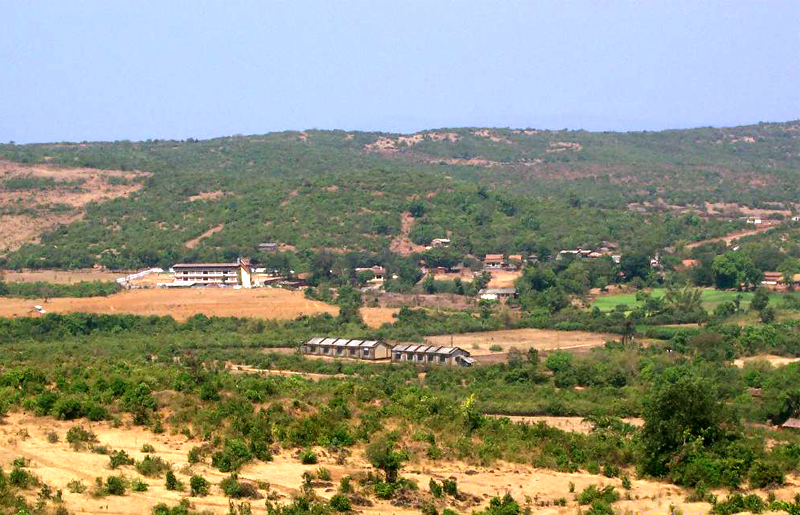

Trekking Volcán Cauchero: Exploring Panama’s Remote Stratovolcano and Pristine Cloud Forests
Volcán Cauchero, a dormant stratovolcano in Panama’s Veraguas Province, offers a moderate trekking challenge through untouched cloud forests and volcanic terrain. This guide covers the volcano’s geology, hiking experience, routes, permits, logistics, and accommodation options to help adventurers prepare for an unforgettable volcano trek in a remote natural setting.
Quick Volcano Snapshot
| Attribute | Value |
|---|---|
| Volcano type | Stratovolcano |
| Elevation | Approx. 3475 meters |
| Location | Veraguas Province, Panama |
| Activity status | Dormant |
| Trekking difficulty | Moderate |
| Typical trek duration | 5 to 7 hours ascent |
| Altitude gain | Approx. 1800 meters |
| Terrain type | Cloud forest, volcanic rock, ash slopes |
| Best season | Dry season (December to April) |
| Temperature range | 0°C to 20°C (32°F to 68°F) |
| Permit requirement | Required; park entry fees apply |
The Experience of Hiking Volcán Cauchero
Approaching Volcán Cauchero, trekkers are greeted by a dramatic landscape where dense, pristine cloud forests cloak the lower slopes, giving way to rugged volcanic terrain higher up. The air carries the scent of moist earth and rich vegetation, contrasting with the stark volcanic rock that tells the story of ancient eruptions. As you ascend, the shifting ecosystems reveal the power of geological forces shaping this remote region. Reaching the crater rim, the panorama unfolds with breathtaking views of Panama’s verdant mountains and distant horizons, evoking a profound connection to the Earth’s raw energy and timeless beauty.
Geological Background of Volcán Cauchero
Volcán Cauchero is a classic stratovolcano formed through successive layers of hardened lava, tephra, and volcanic ash. Its formation dates back millions of years as tectonic activity along the Central American volcanic arc shaped the landscape. Though currently dormant, the volcano’s structure reveals multiple craters and lava flows that narrate a history of powerful eruptions. The volcanic soils around Cauchero are rich in minerals, supporting the lush cloud forests that thrive on its slopes. Fumaroles and sulfur deposits, common in active volcanoes, are minimal here, reflecting its dormant status. The volcano’s geology offers a fascinating glimpse into the dynamic processes that continue to mold Panama’s mountainous terrain.
Terrain and Hiking Experience on Volcán Cauchero
Trekking Volcán Cauchero presents a diverse and engaging hiking experience that challenges and rewards adventurers. The trail begins in dense, humid cloud forests where moss-draped trees and vibrant orchids create a lush canopy. The forest floor is often soft and damp, with roots and rocks requiring careful footing. As the ascent continues, the terrain transitions to steeper volcanic slopes composed of loose ash, pumice, and hardened lava rocks. Hikers encounter sections of moderate scrambling over jagged volcanic rock, demanding good balance and sturdy footwear.
The altitude gain of approximately 1800 meters introduces noticeable changes in temperature and oxygen levels. Early in the hike, the climate is warm and humid, but as elevation increases, temperatures drop significantly, sometimes reaching near freezing at the summit. Wind exposure becomes more pronounced near the crater rim, adding to the physical challenge.
Trail conditions vary seasonally; during the dry season, paths are firmer and easier to navigate, while the wet season brings slippery mud and increased risk of falls. The volcanic terrain’s loose scree requires careful descent techniques to avoid injury. Throughout the hike, trekkers are immersed in a rich biodiversity hotspot, with opportunities to spot rare birds like the quetzal and unique amphibians.
Overall, the hike demands moderate fitness and preparation but rewards with a profound connection to Panama’s volcanic wilderness and spectacular natural vistas.
What Makes the Volcán Cauchero Trek Unique
Volcán Cauchero stands out for its remote location and the pristine cloud forests that envelop its slopes, offering a trekking experience far from crowded tourist paths. Unlike many volcanoes with barren summits, Cauchero’s ascent traverses vibrant ecosystems rich in endemic flora and fauna. The opportunity to witness the transition from dense tropical forest to volcanic alpine terrain within a single hike is rare in Central America.
The volcano’s dormant status provides a safe yet thrilling environment to explore volcanic geology without the immediate hazards of activity. The trek also offers cultural insights into Panama’s highland regions, where local communities maintain traditional lifestyles closely tied to the land. This blend of natural beauty, geological intrigue, and cultural richness makes Volcán Cauchero a compelling destination for adventurous hikers and nature enthusiasts alike.
The Summit and Crater Experience
Reaching the summit of Volcán Cauchero is a moment of awe and accomplishment. The crater rim reveals a rugged volcanic landscape shaped by ancient eruptions, with jagged rocks and sparse vegetation. From this vantage point, panoramic views stretch across Panama’s mountainous terrain, with glimpses of distant valleys and cloud-covered peaks.
The air is crisp and cool, often accompanied by brisk winds that remind hikers of the altitude’s demands. The silence at the summit is profound, broken only by the occasional call of highland birds. The volcanic soil and rock beneath your feet tell a story of Earth’s fiery past, while the surrounding greenery symbolizes nature’s resilience and renewal. This sensory experience—combining sight, sound, and touch—creates a lasting memory of connection to the planet’s dynamic forces.
Best Time to Trek Volcán Cauchero
The optimal time to hike Volcán Cauchero is during Panama’s dry season, from December through April. During these months, trails are less muddy and weather conditions are more stable, reducing risks associated with slippery terrain and sudden rainstorms. Early morning starts are recommended to avoid afternoon heat and to enjoy clearer summit views.
The wet season, spanning May to November, brings heavy rains that can make trails challenging and increase the risk of landslides or trail erosion. Additionally, cloud cover during the rainy months often obscures panoramic vistas from the summit. Temperatures at higher elevations can drop near freezing at night year-round, so hikers should prepare for cold conditions regardless of season.
Volcanic activity is dormant, so there are no restrictions related to eruptions, but always check local weather and park advisories before planning your trek.
Routes and Trail Options for Volcán Cauchero
The primary trekking route to Volcán Cauchero begins near the town of Boquete in Panama’s Veraguas Province. This trail is well-established and favored for its moderate difficulty and scenic diversity. The ascent covers approximately 5 to 7 hours, with an elevation gain of around 1800 meters.
Hikers start in lush premontane cloud forests, gradually ascending through varied habitats until reaching the volcanic alpine zone near the summit. The trail is mostly single-track with some rocky and steep sections requiring careful navigation. There are no alternative routes widely recognized, making the main trail the safest and most practical option.
For those seeking a less strenuous experience, guided 4×4 tours offer transport partway up the volcano, reducing hiking time and effort. Several local tour operators provide guided hikes, combining transportation, permits, and expert knowledge to enhance safety and enjoyment.
Self-guided hikers should prepare with detailed maps and adequate gear, as trail signage can be limited in some areas. The trail’s moderate length and elevation gain make it suitable for hikers with reasonable fitness and some mountain trekking experience.
Difficulty Assessment of the Volcán Cauchero Trek
Volcán Cauchero’s trek is classified as a moderate volcano ascent. The trail demands sustained physical effort due to the steady elevation gain of approximately 1800 meters over 5 to 7 hours. The terrain includes uneven volcanic rock, loose scree, and muddy forest paths, requiring good balance and sturdy hiking boots.
Altitude effects are moderate but noticeable, with temperatures dropping significantly near the summit and thinner air that can challenge those unaccustomed to mountain hiking. No technical climbing skills are required, but sections of scrambling over rocks may test agility.
Fitness levels should include endurance for a full-day hike with variable weather conditions. Beginners with good physical condition can complete the trek, especially with a guide, while experienced hikers will appreciate the diverse terrain and natural beauty. Overall, the trek offers a rewarding challenge without technical mountaineering demands.
Essential Gear for Trekking Volcán Cauchero
Proper gear is crucial for a safe and comfortable trek on Volcán Cauchero. Recommended items include sturdy hiking boots with excellent grip to navigate volcanic rock and slippery forest trails. Trekking poles can aid balance and reduce strain on knees during steep ascents and descents.
Layered clothing is essential to adapt to temperature changes from warm forested base to cold summit. A windproof and waterproof jacket protects against wind chill and rain. Warm gloves and a hat are advisable for summit conditions.
A headlamp is recommended for early morning or night hikes to the summit, ensuring visibility on dark forest paths. Carry at least 2 liters of water and high-energy snacks to maintain hydration and stamina.
Sun protection, including sunscreen and sunglasses, is important as UV exposure increases with altitude. A small first aid kit, insect repellent, and a map or GPS device complete the essential gear list for this volcano trek.
Safety and Volcanic Hazards on Volcán Cauchero
Although Volcán Cauchero is dormant, safety precautions remain vital. The primary hazards include unstable volcanic terrain such as loose scree and sharp rocks that can cause slips and falls. Trail sections may be slippery, especially during or after rain, increasing risk of injury.
Altitude-related effects such as cold temperatures, wind exposure, and reduced oxygen levels require proper acclimatization and clothing. Sudden weather changes are common in mountainous tropical regions, so hikers should be prepared for rain, fog, and temperature drops.
Volcanic gases and fumaroles are minimal due to dormancy, but hikers should remain alert to any unusual smells or steam vents and avoid venturing near unstable crater edges.
Local authorities and park rangers monitor trail conditions and provide safety information. Hiring certified local guides is recommended to navigate the terrain safely and respond to emergencies. Always inform someone of your hiking plans and expected return time.
Permits, Guides, and Logistics for Volcán Cauchero Trekking
Trekking Volcán Cauchero requires obtaining permits from Panama’s environmental authorities, as the volcano lies within protected natural areas. Park entry fees apply and are typically managed at trailheads or through tour operators. It is advisable to check current permit requirements and fees in advance.
Several reputable local tour companies specialize in Volcán Cauchero and nearby Volcán Barú treks, offering guided hikes, transportation, and logistical support. Notable operators include BaruExpedition, Beyond Adventure Tours, Volcán Ecotours, 4×4 Volcan Baru, and PanamaGet. These companies provide certified bilingual guides familiar with the terrain, safety protocols, and cultural context.
Guided tours often include hotel pick-up from Boquete or surrounding towns, transportation to trailheads, park permits, and sometimes meals. Booking in advance is recommended, especially during peak trekking seasons from December to April.
Self-guided hikers must arrange their own transportation, typically via bus or taxi from Boquete to the trail start. Trail signage can be limited, so carrying detailed maps or GPS devices is essential. Water sources along the trail are scarce; hikers should carry sufficient supplies.
Safety regulations encourage trekking in groups or with guides due to occasional trail confusion and variable weather. Emergency services are limited in this remote area, reinforcing the value of professional guidance and thorough preparation.
Where to Stay Near Volcán Cauchero
The town of Boquete, located approximately 20 to 30 kilometers from Volcán Cauchero, serves as the primary base for trekkers. Boquete offers a range of accommodations from budget hostels to mid-range hotels and eco-lodges, providing comfortable amenities and easy access to the volcano’s trailheads.
Recommended lodging includes Hotel Gaia Lodge, known for its central location and tranquil garden setting, and Cabañas Las Molas, which offers spacious cabins with hot water and kitchen facilities. Both properties are pet-friendly and praised for their cleanliness and supportive staff.
For those seeking immersive nature experiences, eco-lodges and guesthouses in the surrounding highlands provide rustic charm and proximity to cloud forest trails. Many accommodations offer shuttle services to trailheads and can assist with arranging guided tours.
In the nearby Bocas del Toro Province, towns like Cauchero and Almirante provide additional lodging options, including vacation rentals and boutique hotels such as Bocas Paradise Hotel and Punta Caracol Acqua Lodge. These locations are further from the volcano but ideal for combining beach and mountain adventures.
Visitors are encouraged to book accommodations well in advance during peak trekking seasons. Boquete’s vibrant culinary scene and local markets also enhance the overall trekking experience, offering opportunities to sample regional cuisine and prepare for the ascent.