
Hiking Volcán La Tigra: A Complete Trekking Guide to Honduras’ Cloud Forest Volcano
Volcán La Tigra, a dormant complex volcano in Honduras, offers a unique trekking experience through lush cloud forests and diverse wildlife habitats. This guide covers the volcano’s geology, hiking terrain, routes, permits, accommodations, and safety tips for adventurers seeking an immersive volcano trek near Tegucigalpa.
Quick Volcano Snapshot
| Attribute | Value |
|---|---|
| Volcano type | complex volcano |
| Elevation | 2270 meters |
| Location | Francisco Morazán, Honduras |
| Activity status | dormant |
| Trekking difficulty | moderate |
| Typical trek duration | 2 to 4 hours depending on route |
| Altitude gain | up to 668 meters |
| Terrain type | cloud forest with volcanic soil, muddy and slippery trails |
| Best season | November to April (dry season) |
| Temperature range | 10°C to 20°C |
| Permit requirement | entry fee required |
The Experience of Hiking Volcán La Tigra
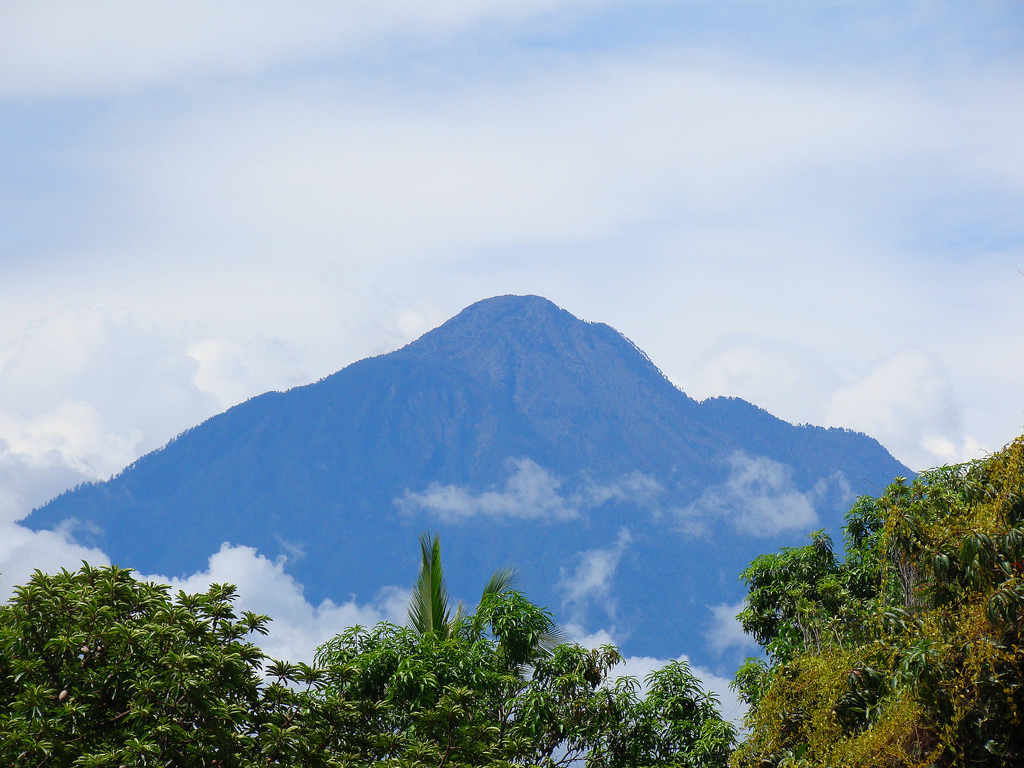
Approaching Volcán La Tigra, hikers enter a realm where dense cloud forests envelop ancient volcanic slopes. The air is cool and moist, filled with the scent of moss, orchids, and rich earth. As you ascend winding trails, the landscape shifts from lush greenery to mist-shrouded canopies, revealing the volcano’s dormant power beneath. The contrast between the vibrant life of the forest and the silent volcanic terrain creates a profound sense of connection to the Earth’s geological forces. Reaching viewpoints along the trail, the panorama of Honduras’ mountainous terrain unfolds, offering a rewarding culmination to the trek.

Geological Background of Volcán La Tigra
Volcán La Tigra is classified as a complex volcano, characterized by multiple vents and a varied volcanic structure formed over millennia. Situated in the Francisco Morazán region of Honduras, it rises to an elevation of approximately 2270 meters. The volcano’s formation involved successive eruptions that shaped its rugged terrain, now largely dormant. Its volcanic soils support the rich biodiversity of the surrounding cloud forest. Though no recent eruptions have been recorded, the volcano’s geological features include ancient lava flows and volcanic minerals that contribute to the area’s unique ecosystem. The presence of fumaroles or active vents is not noted, consistent with its dormant status.
Terrain and Hiking Experience on Volcán La Tigra
Hiking Volcán La Tigra offers a diverse and immersive trekking experience through Honduras’ first national park and cloud forest reserve. The terrain is predominantly composed of well-marked trails winding through dense montane cloud forests, characterized by thick mosses, ferns, bromeliads, and towering oak trees. Trails vary in difficulty, ranging from gentle paths suitable for families to more challenging routes with significant elevation gain and steep sections.
Trekkers can expect to navigate slippery volcanic soil and muddy patches, especially during the rainy season from May to October. The trails often feature uneven surfaces with exposed roots and occasional rocky outcrops, requiring sturdy hiking boots with good grip. Some routes, such as the Bosque Nublado y la Cascada trail, involve a positive altitude gain of up to 668 meters over approximately 7 kilometers, demanding moderate fitness and endurance.
The cloud forest environment creates a cool and humid microclimate, with temperatures typically ranging between 10°C and 20°C. Hikers should be prepared for sudden weather changes, including mist and light rain, which can reduce visibility and increase trail slipperiness. The forest canopy provides partial shelter, but wind exposure can be felt at higher elevations and viewpoints.
Wildlife encounters are a highlight, with opportunities to spot diverse bird species like the elusive quetzal, as well as mammals such as armadillos and agoutis. The soundscape includes the calls of tropical birds and the rustle of forest life, enhancing the sensory experience.
Trail infrastructure includes two main park entrances at Jutiapa and El Rosario, both equipped with visitor centers and limited camping facilities. Dormitories are available at Jutiapa for those wishing to extend their stay. Signage along trails provides estimated walking times and difficulty ratings, aiding navigation.
Overall, the hiking experience at Volcán La Tigra balances natural beauty with moderate physical challenge, making it accessible to a broad range of trekkers seeking an authentic cloud forest volcano adventure.
What Makes the Volcán La Tigra Trek Unique
Volcán La Tigra stands out for its integration of volcanic landscapes with one of Central America’s most vibrant cloud forests. Unlike typical volcanic treks dominated by barren lava fields, this volcano offers lush greenery, abundant wildlife, and a rich ecosystem thriving on volcanic soils. The park’s status as Honduras’ first national park and its designation as one of the world’s 30 natural wonders add to its significance.
The trek provides a rare opportunity to observe endemic bird species, including the resplendent quetzal, within a volcanic setting. Waterfalls, misty forest canopies, and panoramic views of Tegucigalpa from nearby El Picacho Park complement the volcanic experience. The combination of geological history, biodiversity, and cultural importance makes La Tigra a distinctive destination for adventurous hikers and nature enthusiasts alike.
The Summit and Crater Experience at Volcán La Tigra
While Volcán La Tigra is dormant and does not feature an active crater, reaching its higher elevations rewards hikers with breathtaking views over the cloud forest canopy and the surrounding Honduran highlands. The summit area is often enveloped in mist, lending a mystical atmosphere to the experience. From vantage points near the peak, trekkers can glimpse the sprawling city of Tegucigalpa nestled in the valley below, contrasting urban life with the wildness of the volcano.
The absence of volcanic activity means the summit is safe to explore, with no fumaroles or sulfurous gases present. Instead, the summit offers a serene environment where the sounds of the forest dominate. The cool, fresh air and the sense of standing atop an ancient volcanic formation create a memorable and contemplative moment for visitors.
Best Time to Trek Volcán La Tigra
The optimal time to hike Volcán La Tigra is during the dry season, which runs from November to April. During these months, trails are less slippery, and weather conditions are generally more stable, providing clearer views and safer footing. The dry season also reduces the prevalence of mosquitoes and other insects.
The rainy season, from May to October, brings frequent showers that can make trails muddy and challenging. However, the forest is lushest during this time, and waterfalls are at their most spectacular. Trekkers should be prepared with waterproof gear and exercise caution on slippery paths.
Early morning hikes are recommended to avoid afternoon rains and to increase chances of wildlife sightings, especially birds. Additionally, cooler temperatures in the morning enhance comfort during the ascent. Seasonal closures or restrictions are not commonly reported, but visitors should check local park updates before planning their trip.
Trekking Routes and Trail Options in Volcán La Tigra
Volcán La Tigra National Park features six main trails, each offering unique experiences through the cloud forest and volcanic terrain. These trails vary in length, difficulty, and scenery, catering to both beginners and experienced hikers.
1. Bosque Nublado y la Cascada: This is one of the most popular and challenging routes, spanning approximately 7.1 kilometers with a positive elevation gain of 668 meters. The round-trip hike takes about 3 hours and 35 minutes. It leads hikers through dense cloud forest to a picturesque waterfall, offering opportunities for wildlife observation and photography.
2. Sendero Las Golondrinas: A moderate trail of 4.2 kilometers, typically completed in 1 hour and 35 minutes. It is suitable for hikers with some experience and provides a balanced mix of forest scenery and manageable terrain.
3. Sendero La Esperanza: Covering 4.5 kilometers, this moderate trail leads to a scenic overlook with expansive views of the forest canopy. The hike duration is around 2 to 3 hours, depending on pace.
4. Sendero La Mina: A more difficult trail, 6.7 kilometers long with an elevation gain of 648 meters. It takes approximately 2 to 3 hours to complete and is recommended for fit hikers seeking a more strenuous challenge.
5. Sendero Bosque Nublado: A shorter trail of 3.1 kilometers with a 273-meter elevation gain, taking about 1 hour and 30 minutes. It offers a gentle introduction to the cloud forest environment.
6. Sendero Granadillas & Sendero Juacara: These are the shortest and easiest trails, ideal for beginners and families. They provide relaxed walks through the forest with chances to spot local wildlife.
All trails are well-marked and can be navigated without a guide, though hiring one can enhance the experience through expert knowledge of flora and fauna. The park has two main entrances: Jutiapa on the west and El Rosario on the east, each with visitor centers and access to different trailheads.
Hikers can plan loop routes or out-and-back hikes depending on their preferences and time constraints. Maps are available at the park entrances, and digital offline maps are recommended for navigation.
Difficulty Assessment of the Volcán La Tigra Trek
Volcán La Tigra offers a moderate trekking challenge suitable for hikers with a reasonable level of fitness. The trails involve steady elevation gains, with some routes reaching up to 668 meters in altitude difference. Terrain varies from well-maintained dirt paths to slippery volcanic soil and occasional rocky sections.
The cloud forest environment means hikers should be prepared for humid conditions and potentially wet trails, especially during the rainy season. While technical climbing skills are not required, good balance and sure-footedness are important due to uneven surfaces and exposed roots.
The altitude, peaking around 2270 meters, may cause mild effects for those unaccustomed to higher elevations, such as increased breathing effort. However, the moderate altitude generally does not pose significant risks.
Overall, the trek is classified as a moderate volcano trek, accessible to most hikers who are comfortable with uphill walking and variable trail conditions. Beginners are advised to start with shorter, easier trails and progress as fitness improves.
Essential Volcano Trekking Gear for Volcán La Tigra
To safely and comfortably hike Volcán La Tigra, trekkers should equip themselves with the following gear:
– Sturdy hiking boots with good traction to handle slippery and uneven terrain.
– Waterproof jacket and rain gear, especially during the rainy season.
– Layered clothing to adapt to cool and variable temperatures in the cloud forest.
– Trekking poles to assist with balance on steep or slippery sections.
– A hat and sunscreen for sun protection during exposed trail segments.
– Insect repellent to guard against mosquitoes and other insects.
– A hydration system or water bottles to stay hydrated throughout the hike.
– A headlamp or flashlight if planning early starts or late finishes.
– A map of the park or a GPS device with offline maps for navigation.
– Snacks or packed meals for energy on longer hikes.
– A camera or binoculars for wildlife and birdwatching opportunities.
Gas masks or respirators are not necessary, as the volcano is dormant with no active fumaroles or gas emissions.
Safety and Volcanic Hazards at Volcán La Tigra
Volcán La Tigra is classified as dormant, with no recent volcanic activity or active fumaroles, significantly reducing volcanic hazards for trekkers. However, safety considerations remain important.
The primary risks involve natural trail hazards such as slippery paths, loose volcanic soil, and uneven terrain, which can lead to falls or injuries. Sudden weather changes, including fog and rain, can reduce visibility and increase trail difficulty.
Wildlife encounters are generally safe, but hikers should respect animals’ space and avoid feeding or disturbing them. Carrying a basic first aid kit is advisable.
Visitors should adhere to park regulations, stay on marked trails, and avoid venturing into restricted areas. Monitoring local weather forecasts and park advisories before and during the hike is recommended.
Emergency services are limited within the park, so preparation and caution are essential. Guides familiar with the terrain can enhance safety, especially for less experienced hikers.
Overall, while volcanic hazards are minimal, natural trail and environmental risks require attention to ensure a safe trekking experience.
Permits, Guides, and Logistics for Hiking Volcán La Tigra
Access to Volcán La Tigra National Park requires an entry fee of approximately $10 USD per person, which contributes to trail maintenance and conservation efforts. Visitors planning to camp within the park should expect additional fees ranging from $5 to $10 USD per night for campsite use. These fees are payable at the park entrances located at Jutiapa and El Rosario.
Guided tours are widely available and recommended for those seeking enhanced knowledge of the park’s biodiversity and geology. Prices for guided hikes vary, with half-day tours starting around $25 USD and full-day experiences ranging from $50 to $75 USD. Some guides include meals and transportation, so it is advisable to confirm inclusions beforehand.
Notable tour operators offering services to La Tigra include La Tigra Tours, Yonder Tours, and Tiqy Tours. These companies provide organized day trips from Tegucigalpa, often including hotel pickup, 4×4 transportation, park entrance fees, and expert local guides. Group sizes are typically limited to enhance the personalized experience.
Transportation logistics involve traveling from Tegucigalpa to the park, approximately 22 kilometers away. Options include public buses departing from Parque Herrera, costing around $3 to $5 USD but with longer travel times and less reliability. Alternatively, taxis or shuttle services offer faster, more comfortable rides at $30 to $50 USD one way.
Visitors should plan for a 30-minute walk from the bus stop at Jutiapa to the park entrance. It is recommended to carry offline maps or GPS devices for navigation within the park.
Food options inside the park are limited; hikers should bring their own meals or budget $5 to $15 USD for on-site food. Adequate preparation is essential to ensure a comfortable and enjoyable trek.
Overall, the permit process is straightforward, and guided tours provide valuable insights and logistical support, making Volcán La Tigra accessible to a wide range of visitors.
Where to Stay Near Volcán La Tigra
Accommodation options near Volcán La Tigra cater to various preferences, from rustic park facilities to comfortable hotels in nearby Tegucigalpa.
Within the park, both Jutiapa and El Rosario entrances offer limited camping facilities for visitors wishing to immerse themselves in the cloud forest overnight. Jutiapa additionally provides dormitory-style lodging, suitable for budget travelers and groups. These on-site options have basic amenities and are ideal for early starts or extended exploration.
For more comfortable stays, the capital city of Tegucigalpa, located approximately 22 kilometers from the park, offers a range of hotels and guesthouses. Notable accommodations include the Clarion Hotel Real Tegucigalpa, known for its spacious rooms, vibrant social spaces, and convenient location about 15 kilometers from the park. This hotel features amenities such as a pool, restaurant, and comfortable beds, making it suitable for both business travelers and tourists.
Other lodging options in Tegucigalpa include boutique hotels and local guesthouses that provide easy access to transportation for day trips to La Tigra. Staying in the city allows visitors to enjoy urban comforts, dining, and cultural experiences alongside their volcano trekking adventure.
Travelers should consider proximity to the park entrances when selecting accommodation, as early morning departures are common to maximize hiking time. Transportation services from hotels to the park are often arranged by tour operators or can be booked independently.
Overall, the combination of park-based camping and city hotels offers flexibility for visitors planning their stay near Volcán La Tigra.