
Volcán La Esperanza Volcano Trekking Guide: Explore Honduras’ Scenic Stratovolcano and Cloud Forest Trails
Volcán La Esperanza in Honduras offers a moderate difficulty volcano trek through lush cloud forests and scenic mountain landscapes. This dormant stratovolcano provides hikers with diverse terrain, rich biodiversity, and cultural immersion in the Intibucá region. Discover detailed trekking routes, geological insights, safety tips, and local accommodations for an unforgettable Central American volcano adventure.
Quick Volcano Snapshot
| Attribute | Value |
|---|---|
| Volcano type | Stratovolcano |
| Elevation | 1920 meters (town altitude), volcano summit approx. 2100 meters |
| Location | Intibucá, Honduras |
| Activity status | Dormant |
| Trekking difficulty | Moderate |
| Typical trek duration | 1 to 2 days |
| Altitude gain | Approximately 300 meters |
| Terrain type | Cloud forest trails, volcanic rock, mountain paths |
| Best season | Dry season (November to April) |
| Temperature range | 10°C to 22°C (50°F to 72°F) |
| Permit requirement | No formal permits required; guided tours recommended |
Introduction: The Experience of Hiking Volcán La Esperanza
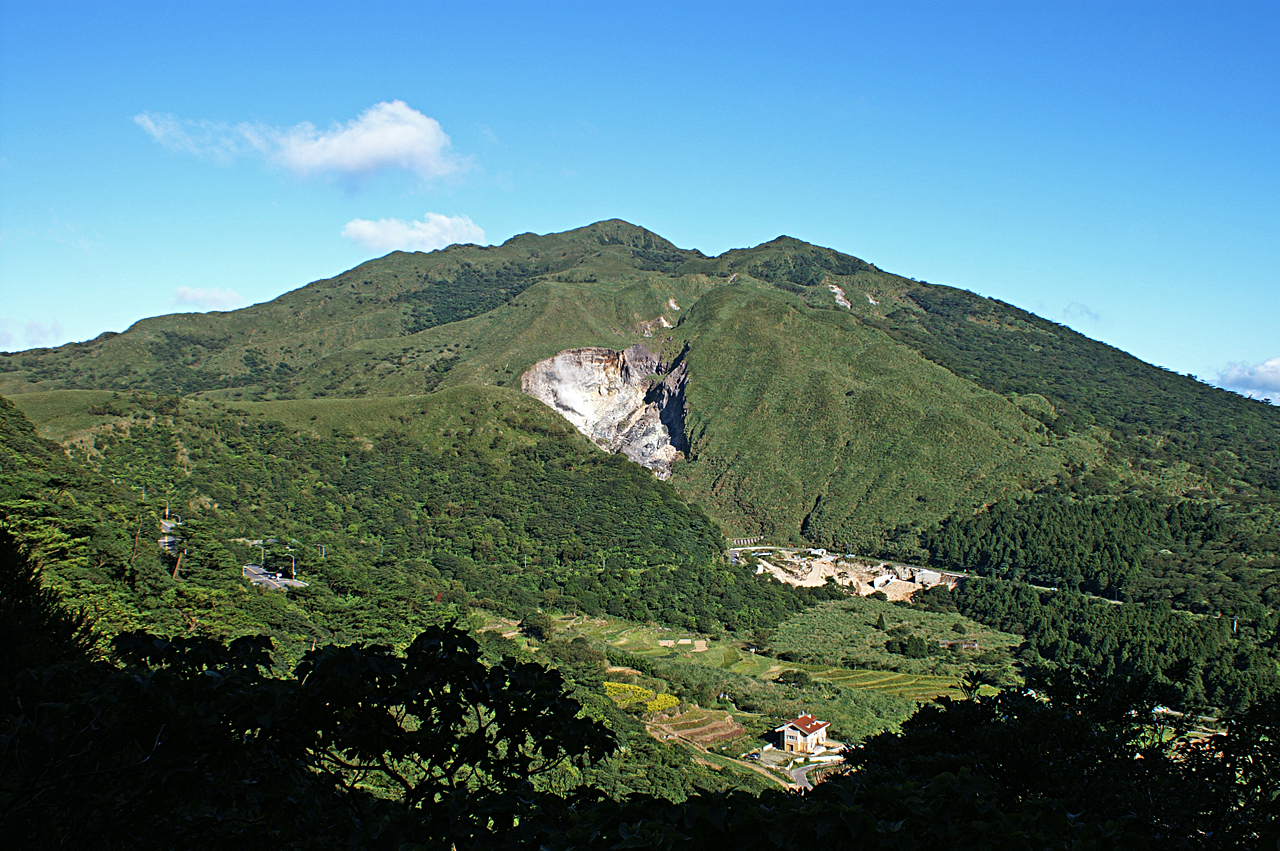
Approaching Volcán La Esperanza, hikers are greeted by a dramatic blend of lush cloud forests and rugged volcanic terrain. The trail winds through dense greenery, where mist often cloaks the canopy, creating an ethereal atmosphere. As you ascend, the landscape shifts to reveal volcanic rock formations and panoramic mountain vistas. The sense of geological power is palpable, with the dormant stratovolcano standing as a silent guardian over the Intibucá region. Reaching the crater rim offers a profound connection to the Earth’s ancient forces, framed by the vibrant biodiversity of Honduras’ highlands.

The Volcano Itself: Geological Background
Volcán La Esperanza is a stratovolcano located in the Intibucá department of western Honduras. Formed through successive layers of hardened lava, tephra, and volcanic ash, this volcano is part of the Central American volcanic arc. Its dormant status means it has not erupted in recent history, allowing the surrounding ecosystems to flourish. The volcano’s structure features a classic conical shape with a crater that is largely vegetated, reflecting its long period of inactivity. The volcanic soils contribute to the rich biodiversity of the cloud forests enveloping the slopes. Geological features include ancient lava flows and mineral deposits that tell the story of past volcanic activity. Steam vents and fumaroles are not currently active, but the terrain reveals the volcano’s dynamic volcanic past.
The Volcano Trek: Terrain and Hiking Experience
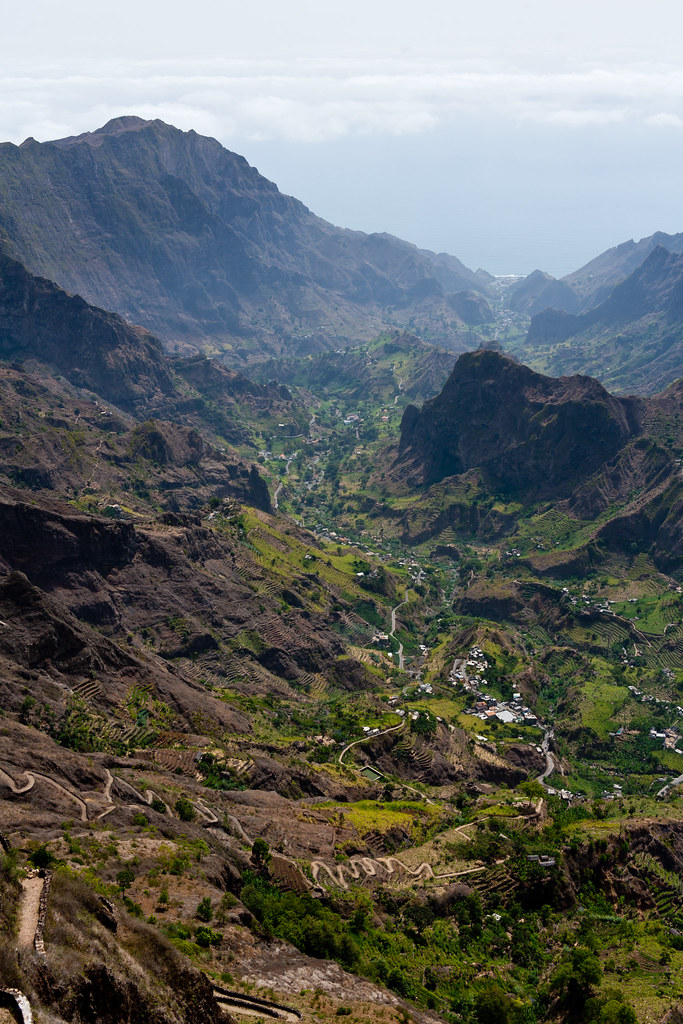
Trekking Volcán La Esperanza offers a varied and immersive hiking experience through one of Honduras’ most scenic volcanic landscapes. The trail begins at the base near the town of La Esperanza, ascending gradually through dense cloud forests characterized by moss-covered trees, orchids, and a rich variety of birdlife. The terrain is predominantly soft soil and leaf litter, which can become slippery during the rainy season, requiring careful footing. As the trail climbs higher, hikers encounter sections of volcanic rock and loose gravel, remnants of ancient lava flows that add a rugged texture to the path. The moderate altitude gain of approximately 300 meters is manageable for hikers with a reasonable fitness level, but the trail’s uneven surfaces and occasional steep inclines demand good hiking boots and trekking poles for stability. Weather conditions can vary rapidly; mornings often start cool and misty, warming as the sun rises, but sudden showers are common, especially outside the dry season. The trail offers a mix of shaded forest cover and open ridges where panoramic views of the surrounding mountains and valleys unfold. Altitude effects are mild but noticeable, with some hikers experiencing slight breathlessness near the summit. Wind exposure increases near the crater rim, where the landscape opens to reveal volcanic rock formations and the crater itself, often shrouded in mist. Descending the volcano allows hikers to enjoy the contrasting terrain again, with opportunities to spot local wildlife and appreciate the ecological richness of the region. Overall, the hike combines natural beauty with geological intrigue, providing an engaging challenge that rewards trekkers with unforgettable vistas and a deep connection to Honduras’ volcanic heritage.
What Makes This Volcano Trek Unique
Volcán La Esperanza stands out for its integration of volcanic landscapes with lush cloud forests, creating a rare combination of geological and ecological diversity. Unlike many active volcano treks, this dormant stratovolcano offers a peaceful environment where hikers can immerse themselves in nature without the urgency of volcanic hazards. The trek’s location in the Intibucá region introduces visitors to indigenous Lenca culture, enriching the experience with local traditions and hospitality. The scenic mountain trails provide sweeping views of Honduras’ highlands, often framed by mist and clouds that enhance the mystical atmosphere. The biodiversity along the route includes rare bird species and endemic plants, making it a paradise for nature enthusiasts. This volcano trek is also less frequented by tourists, offering an off-the-beaten-path adventure that combines moderate physical challenge with cultural and natural discovery.
The Summit and Crater Experience
Reaching the summit of Volcán La Esperanza is a moment of quiet triumph. The crater rim, though largely overgrown, reveals the volcano’s ancient volcanic architecture. From here, hikers can gaze across the surrounding mountain ranges and valleys, often enveloped in a sea of clouds. The air is crisp and carries the subtle scent of damp earth and forest. While the crater shows no signs of current volcanic activity, the geological formations tell a story of fiery eruptions long past. The silence at the summit contrasts with the dynamic landscape below, offering a contemplative space to appreciate the power of nature. The panoramic views provide excellent opportunities for photography and reflection before the descent.
Best Time to Trek Volcán La Esperanza
The optimal time to hike Volcán La Esperanza is during the dry season, which runs from November through April. During these months, trails are less muddy and weather conditions are more stable, providing clearer views and safer footing. Early mornings often bring mist and cool temperatures, ideal for comfortable trekking before the midday sun warms the slopes. The rainy season, from May to October, can bring heavy showers that make trails slippery and increase the risk of landslides. Additionally, the dry season reduces the likelihood of encountering dense fog that can obscure views from the summit. Visitors should also consider local weather forecasts and be prepared for sudden changes, as mountain climates can be unpredictable year-round.
Trekking Routes and Trail Options
The primary trekking route to Volcán La Esperanza begins near the town of La Esperanza, accessible by paved roads and local transport. This main trail is well-marked and typically completed in one to two days, depending on the pace and itinerary. The ascent covers approximately 300 meters in elevation gain and traverses cloud forest paths, volcanic rock sections, and open ridges. Hikers can opt for a guided day hike or an overnight trek that includes camping near the summit or staying in local accommodations. Alternative routes explore surrounding trails connecting to nearby natural reserves and indigenous communities, offering extended trekking options for adventurous hikers. These side trails provide opportunities to experience additional biodiversity and cultural encounters but require local guidance due to limited signage. Guided tours by operators such as Intrepid Travel, Beaks and Peaks, and Mesoamérica Travel offer structured itineraries with expert knowledge, transportation, and logistical support. Self-guided trekking is possible but recommended only for experienced hikers familiar with the terrain and local conditions.
Difficulty Assessment
Volcán La Esperanza is classified as a moderate volcano trek. The terrain includes uneven forest trails, loose volcanic rock, and occasional steep sections that require good physical fitness and sure-footedness. Altitude is moderate, with the summit around 2100 meters, which may cause mild altitude effects for some hikers. The trek does not require technical climbing skills or specialized equipment, making it accessible to hikers with prior trekking experience. Weather variability and trail conditions can increase difficulty, especially during the rainy season. Overall, the trek suits intermediate hikers seeking a rewarding volcano experience without extreme technical challenges.
Essential Volcano Trekking Gear
For hiking Volcán La Esperanza, essential gear includes sturdy hiking boots with good grip to navigate slippery and rocky terrain. Trekking poles are recommended to aid balance on uneven paths. Layered clothing is important to adapt to temperature changes, including a moisture-wicking base layer, insulating mid-layer, and a waterproof windproof jacket. A hat and sunscreen protect against sun exposure during open ridge sections. Carry sufficient water and snacks for hydration and energy. A headlamp is useful for early starts or late finishes. While volcanic gases are minimal due to dormancy, a lightweight face mask can be carried for dust protection on dry trails. A small first aid kit and insect repellent are advisable given the forest environment.
Safety and Volcanic Hazards
Volcán La Esperanza is dormant, presenting minimal volcanic hazards such as gas emissions or eruptions. However, hikers should remain cautious of natural risks including slippery trails, loose rocks, and sudden weather changes common in mountainous cloud forests. The trail can be muddy and unstable during the rainy season, increasing the risk of falls. Wildlife encounters are generally safe but require respect for local fauna. It is advisable to hike with a guide familiar with the terrain and weather patterns. Local authorities and park services monitor conditions, but visitors should stay informed of any advisories. Emergency communication may be limited in remote areas, so carrying a charged mobile phone and informing others of trekking plans is essential. Standard mountain safety practices apply, including pacing oneself, staying on marked trails, and carrying adequate supplies.
Permits, Guides, and Logistics
Volcán La Esperanza does not require formal permits for trekking, making access straightforward for independent travelers. However, hiring a local guide is highly recommended to enhance safety, navigation, and cultural understanding. Several reputable tour operators specialize in volcano and eco-tourism in Honduras, including Intrepid Travel, Beaks and Peaks, and Mesoamérica Travel. These companies offer guided treks with transportation from major cities, knowledgeable naturalist guides, and logistical support such as accommodation bookings and meals. Guided tours typically range from one to three days and include visits to nearby cultural sites and natural reserves. Costs vary depending on itinerary and group size but generally include park fees, guide services, and transport. Visitors should arrange transportation to La Esperanza town, which is accessible by paved roads approximately four hours from Tegucigalpa, the capital. Local buses and private shuttles serve the region, but schedules can be irregular. It is advisable to coordinate transfers through tour operators or trusted local contacts. Accommodation options in La Esperanza provide comfortable bases for trekking, and guides can assist with gear rental and safety briefings. Overall, logistical planning is manageable with local support, ensuring a rewarding and well-organized volcano trekking experience.
Where to Stay Near Volcán La Esperanza
The town of La Esperanza serves as the primary base for trekking Volcán La Esperanza, offering a range of accommodations suited to different traveler preferences. Notable options include cozy guesthouses, eco-lodges, and cabins that blend comfort with natural surroundings. For example, the Moonrise Retreat Cabin provides an alpine-style stay with amenities such as a fireplace, outdoor chimneys, and proximity to river sounds, creating a tranquil atmosphere for rest before or after the trek. Other local lodgings offer clean, spacious rooms with kitchen facilities, Wi-Fi, and attentive staff, ensuring a welcoming environment. Many accommodations are within a short drive or walking distance from trailheads, facilitating early morning starts. Amenities often include breakfast service featuring local coffee and traditional breads, enhancing the cultural experience. For those seeking immersion in nature, eco-lodges near the forest edge provide direct access to hiking trails and birdwatching opportunities. Booking in advance is recommended, especially during the dry season when trekking demand increases. Local hosts are knowledgeable about the volcano and can assist with arranging guides and transportation. Staying in La Esperanza also allows visitors to explore nearby attractions such as Celaque National Park and indigenous communities, enriching the overall adventure.