
Trekking Cerro Rico: Exploring Bolivia’s Historic Silver Mountain
Cerro Rico, the iconic silver mountain towering over Potosí, Bolivia, offers a unique trekking experience combining rich colonial history, active mining culture, and moderate hiking challenges. This guide covers geology, terrain, routes, permits, safety, and accommodations for adventurers seeking to explore this legendary dormant complex volcano.
Quick Volcano Snapshot
| Attribute | Value |
|---|---|
| Volcano type | Complex volcano |
| Elevation | 4,753 meters (15,594 feet) |
| Location | Potosí Department, Bolivia |
| Activity status | Dormant |
| Trekking difficulty | Moderate |
| Typical trek duration | 4 to 4.5 hours |
| Altitude gain | Approximately 620 meters (2,024 feet) |
| Terrain type | Rocky, mining tunnels, steep slopes |
| Best season | May to October (dry season) |
| Temperature range | 5°C to 15°C (41°F to 59°F) |
| Permit requirement | Guided tour required for mine access; no special permits for trekking |
The Experience of Hiking Cerro Rico
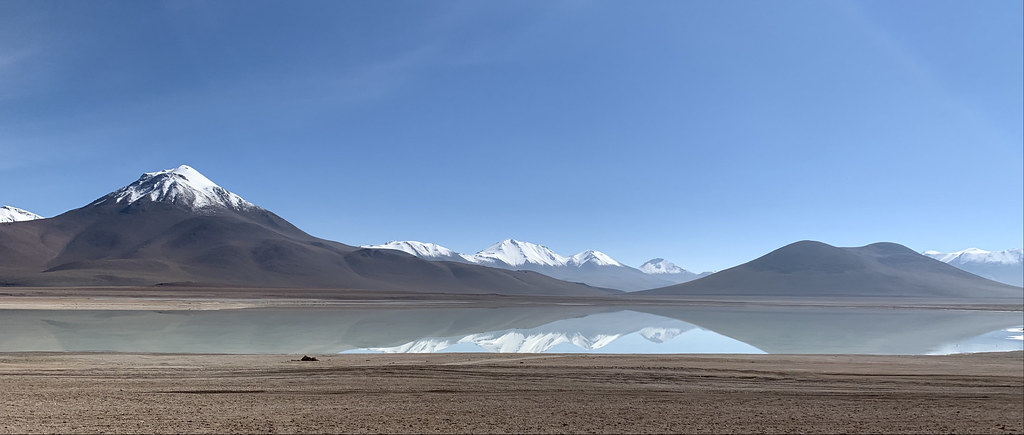
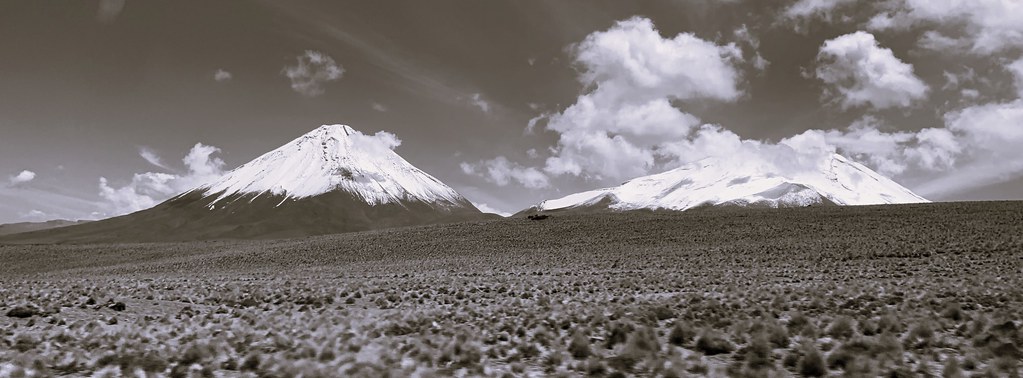
Approaching Cerro Rico, the mountain looms like a sentinel over the city of Potosí, its jagged silhouette a testament to centuries of relentless mining. The landscape is stark and raw, with barren slopes scarred by mining activity contrasting sharply against the high-altitude sky. Trekking here is not just a physical challenge but a journey through history, where the echoes of colonial silver extraction resonate beneath your feet. The ascent offers panoramic views of Potosí and the surrounding Andes, while the air carries a palpable sense of the mountain’s geological and cultural power. Reaching the summit or exploring the mine tunnels evokes a profound connection to the mountain’s legacy and the miners who have shaped it.

Geological Background of Cerro Rico
Cerro Rico is a complex volcano situated in the Andes of southern Bolivia, near the city of Potosí. Unlike typical stratovolcanoes, Cerro Rico’s structure has been heavily modified by centuries of mining, which has altered its original shape and reduced its height by approximately 250 meters. The mountain is composed primarily of volcanic rock rich in silver and other minerals such as zinc, lead, and tin. Its formation dates back millions of years through volcanic activity that deposited mineral-rich veins within its structure. The mountain’s geology is characterized by extensive underground tunnels and galleries, created by both natural processes and human mining efforts. These tunnels have made Cerro Rico a unique geological and historical landmark, revealing the intimate relationship between volcanic activity and mineral wealth.
Terrain and Hiking Experience on Cerro Rico
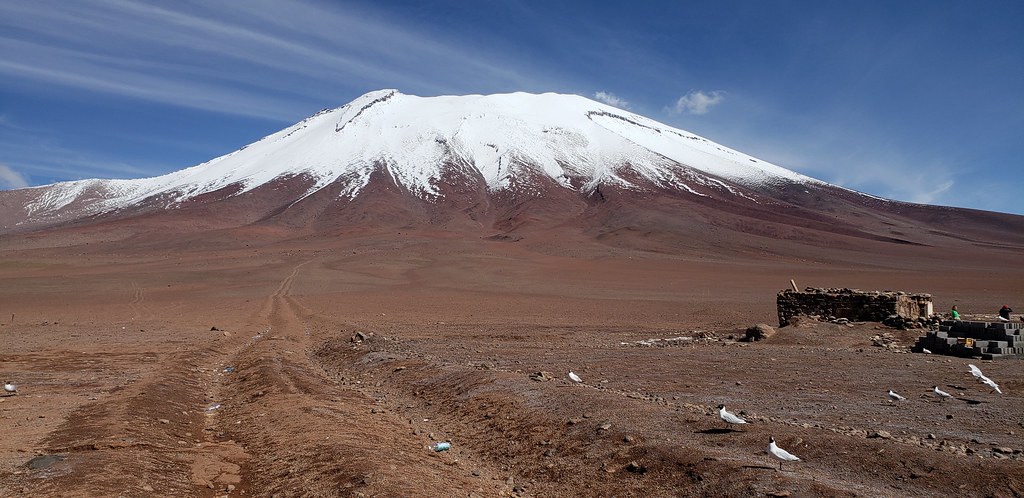
Trekking Cerro Rico presents a distinctive challenge shaped by its mining heritage and high-altitude environment. The trail to the summit is moderately difficult, covering approximately 5.9 miles (9.5 kilometers) with an elevation gain of around 620 meters (2,024 feet). Hikers encounter a mix of rocky slopes, loose volcanic scree, and uneven terrain scarred by centuries of mining activity. The ascent involves navigating steep sections where footing can be unstable, requiring careful attention and sturdy hiking boots with good grip. The mountain’s barren slopes offer little vegetation, exposing trekkers to intense sun and wind, which can cause rapid temperature fluctuations. Altitude is a significant factor; at nearly 4,800 meters above sea level, hikers may experience symptoms of altitude sickness, so acclimatization and pacing are essential. The trail also passes near active mining areas, where the landscape is punctuated by mining shafts and tunnels, adding an element of raw industrial atmosphere to the natural setting. The final approach to the summit rewards trekkers with sweeping views of Potosí and the surrounding Andes, while the descent offers opportunities to slide down loose scree slopes, adding an adventurous flair to the return journey. Overall, the hike combines physical exertion with a profound sense of history and geology, making it a compelling experience for those prepared for its challenges.
What Makes the Cerro Rico Trek Unique
Cerro Rico’s trek is unlike any other volcanic hike due to its deep intertwining of natural geology and human history. The mountain is famed not only for its dormant volcanic origins but also as the source of vast silver deposits that fueled the Spanish Empire. The trek offers a rare glimpse into active mining culture, with miners still working in tunnels that date back centuries. Visitors can witness the coexistence of ancient mining traditions and modern extraction methods. The presence of the Mining Market, where miners prepare their rituals and purchase supplies, adds a cultural dimension unique to this volcano. The mountain’s precarious condition, with ongoing subsidence and risk of collapse, underscores the fragility of this historic site. This combination of geological significance, cultural heritage, and active mining makes Cerro Rico a singular destination for adventurous trekkers and history enthusiasts alike.
Summit and Crater Experience on Cerro Rico
Reaching the summit of Cerro Rico is a powerful moment, standing atop a mountain that has shaped global history. The summit offers commanding views over the city of Potosí, nestled in the high Andes, and the vast surrounding mountain ranges. Unlike many volcanoes, Cerro Rico’s summit is heavily altered by mining, with no traditional crater but rather a landscape marked by mining shafts and tunnels. The air is thin and crisp, and the silence is occasionally broken by distant mining activity. The summit’s barren terrain and the sight of the mining infrastructure evoke a sense of awe and respect for the mountain’s enduring legacy. The experience is both humbling and exhilarating, connecting trekkers to the geological forces and human stories embedded in the mountain.

Best Time to Trek Cerro Rico
The optimal trekking season for Cerro Rico is during the dry months from May to October. During this period, the weather is cooler and more stable, with less rainfall, making trail conditions safer and more comfortable. The rainy season, from November to April, brings slippery trails and increased risk of landslides or rockfalls, which can complicate the hike and mining operations. Temperatures at high altitude can be cold year-round, especially at night, so layering is essential. Trekking early in the morning is recommended to avoid afternoon winds and to enjoy clearer views. Visitors should also consider acclimatization time due to the high elevation to reduce the risk of altitude sickness.
Routes and Trail Options on Cerro Rico
The primary trekking route to Cerro Rico’s summit starts from the city of Potosí, ascending the mountain’s eastern slopes. The trail is approximately 5.9 miles (9.5 kilometers) round trip and typically takes 4 to 4.5 hours to complete. The path is moderately steep, with sections of loose scree and rocky terrain. There are no officially marked alternative routes, but some guided tours incorporate visits to mining areas and tunnels as part of the experience. Guided tours often include transportation from Potosí’s city center to the trailhead, equipment provision, and bilingual guides who explain the mountain’s history and mining culture. Self-guided trekking is possible but less common due to the complex terrain and safety considerations near mining operations. For those interested in exploring the mines, specialized guided tours offer access to safer sections of the tunnels, providing a complementary underground adventure to the surface trek.
Difficulty Assessment of Cerro Rico Trek
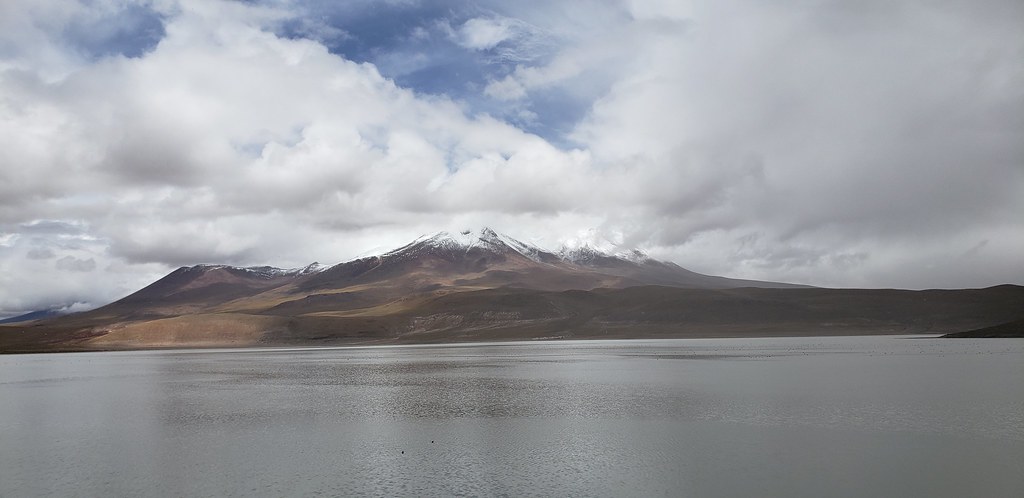
Cerro Rico is classified as a moderate volcano trek. The trail’s challenges stem from its high altitude, uneven and rocky terrain, and steep sections requiring good physical fitness and sure-footedness. While technical climbing skills are not necessary, hikers should be prepared for altitude effects such as shortness of breath and fatigue. The trail’s loose scree and mining debris can make footing unstable, demanding caution and appropriate footwear. The trek is suitable for hikers with some prior experience in high-altitude environments and moderate endurance. Those with respiratory or cardiovascular conditions should consult a physician before attempting the climb.
Essential Gear for Trekking Cerro Rico
Key gear for Cerro Rico includes sturdy hiking boots with excellent grip to navigate rocky and loose terrain safely. Trekking poles are recommended to aid balance on steep and unstable sections. Due to high altitude and intense sun exposure, layered clothing including a windproof jacket, sun hat, and UV-protective sunglasses are essential. A headlamp is useful for early starts or exploring mine tunnels on guided tours. Hydration systems or water bottles are critical to prevent dehydration in the dry mountain air. For mine visits, helmets and boots are typically provided by tour operators, but bringing a dust mask can help mitigate inhalation of dust particles. Sunscreen and lip balm with high SPF protect against strong UV radiation at altitude.
Safety and Volcanic Hazards on Cerro Rico
While Cerro Rico is a dormant volcano, the primary hazards arise from its extensive mining activity. The mountain is riddled with tunnels and galleries, many of which are unstable and prone to collapse. Recent years have seen increased cave-ins and subsidence, making certain areas dangerous. Visitors must only enter the mountain with authorized guides who know safe routes and mining conditions. Volcanic gases are generally not a concern due to dormancy, but dust inhalation in tunnels poses health risks. The high altitude presents risks of altitude sickness, requiring acclimatization and awareness of symptoms. Weather can change rapidly, with cold temperatures and strong winds at the summit. Miners’ safety equipment and local monitoring agencies work to mitigate risks, but visitors should heed all warnings and instructions.
Permits, Guides, and Logistics for Cerro Rico Trekking
Access to Cerro Rico’s mining tunnels is strictly regulated and requires joining a guided tour for safety reasons. Solo or self-guided entry into the mines is prohibited. Several reputable tour operators in Potosí offer comprehensive guided tours combining surface trekking and underground exploration. Notable companies include Greengo Tours, Travelers Universe, HappyToVisit, Power Traveller, Yapa Bolivia, Civitatis, and Holiday Tour Plan. Tours typically cost around $38 USD per person and last approximately three hours. They include transportation from Potosí’s city center, bilingual guides fluent in English and Spanish, and essential safety equipment such as helmets, boots, and lamps. Before entering the mines, visitors often stop at the Mining Market to purchase traditional offerings like coca leaves or alcohol for miners, a cultural practice integral to the experience. Booking in advance is recommended, especially during the dry season from May to October. The tours provide a rare insight into miners’ daily lives, mining rituals, and the mountain’s history. For surface trekking alone, no special permits are required, but hiring a local guide is advisable for navigation and safety. Visitors should prepare for high altitude conditions and arrange accommodation in Potosí, the gateway city. Transportation options to Potosí include flights to nearby airports and road access from major Bolivian cities.
Where to Stay Near Cerro Rico
Potosí city serves as the primary base for exploring Cerro Rico, offering a range of accommodations catering to different budgets and preferences. The city center, especially around Plaza 10 de Noviembre, is popular for its vibrant atmosphere, proximity to restaurants, and easy access to tour operators. Here, travelers find cozy hostels and guesthouses where they can mingle with fellow adventurers and locals. Notable accommodations include CIMA Argentum, praised for its warm hospitality, central location, and hearty meals, making it ideal for acclimatizing to the high altitude. For those seeking quieter stays with scenic views of Cerro Rico, the outskirts of Potosí offer hidden hostels and guesthouses with a more relaxed ambiance. These locations provide a peaceful retreat after a day of trekking and mining tours. Amenities across Potosí range from basic to comfortable, with many lodgings offering communal spaces, Wi-Fi, and local cuisine. Given the city’s altitude of over 4,000 meters, it is advisable to spend at least a day acclimatizing before attempting the trek. Transportation from accommodations to Cerro Rico’s trailhead is generally arranged by tour operators or is accessible via local taxis and minibuses. Booking accommodations in advance is recommended during peak trekking season (May to October) to ensure availability.