
Climbing Uturuncu Volcano: Trekking Bolivia’s Remote 6000m Stratovolcano
Uturuncu Volcano, standing at 6,008 meters in Bolivia’s Potosí Department, offers a demanding yet non-technical high-altitude trek through stark volcanic landscapes and geothermal activity. This guide covers geology, trekking terrain, routes, logistics, accommodations, and safety for adventurers seeking a unique Andean volcano experience.
Quick Volcano Snapshot
| Attribute | Value |
|---|---|
| Volcano type | Stratovolcano |
| Elevation | 6008 m |
| Location | Potosí Department, Bolivia |
| Activity status | Dormant |
| Trekking difficulty | Demanding |
| Typical trek duration | 1 day ascent, often part of 4-6 day tours |
| Altitude gain | Approximately 700 m from highest vehicle access |
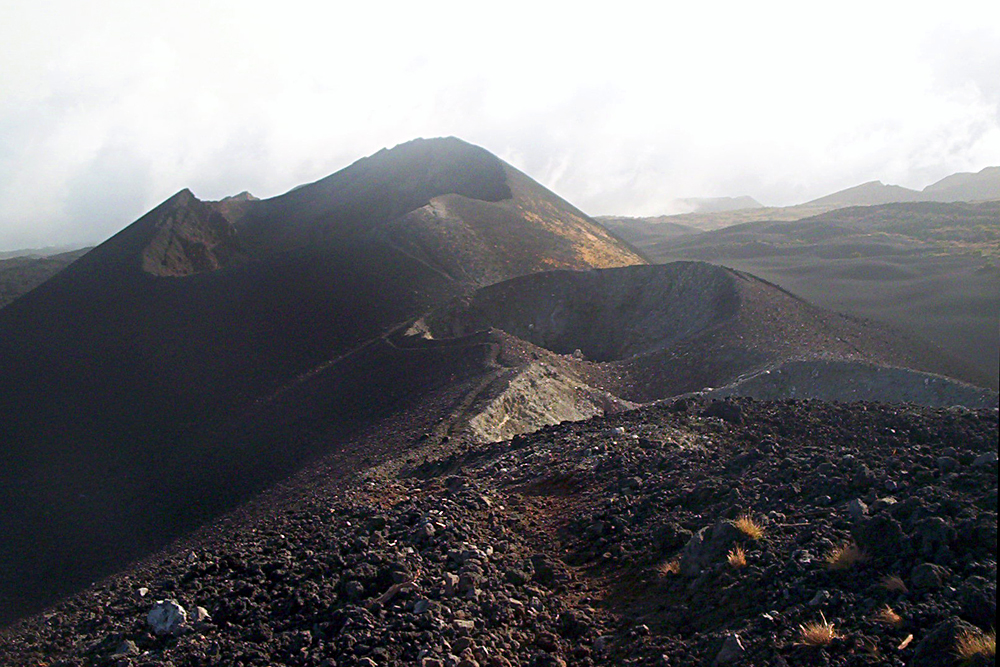
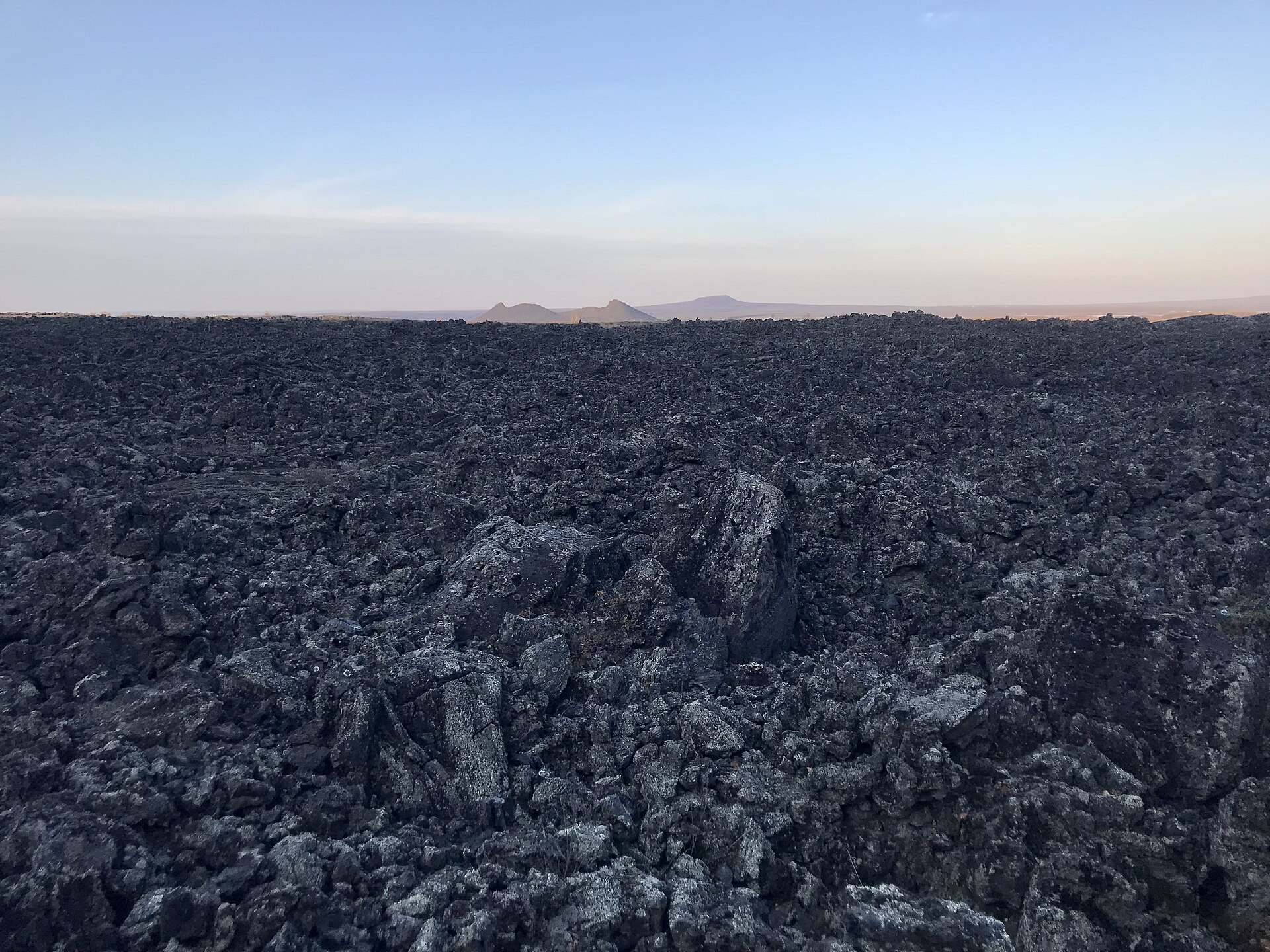
| Terrain type | Volcanic ash slopes, pumice, rocky scree, geothermal fumaroles |
| Best season | May to October (dry season) |
| Temperature range | -10°C to 10°C (varies with altitude and season) |
| Permit requirement | No formal permit required, guided tours recommended |
The Experience of Hiking Uturuncu Volcano
Approaching Uturuncu, the vastness of the Bolivian Altiplano unfolds beneath a towering dormant stratovolcano crowned at 6,008 meters. The landscape is stark and raw, with barren volcanic slopes contrasting sharply against distant salt flats and colorful highland lagoons. Trekking here is a journey into geological solitude, where the thin air sharpens your senses and the scent of sulfur hints at the volcano’s latent power. The ascent rewards climbers with sweeping panoramas of the Cordillera de Lípez and the surreal Salar de Uyuni, evoking a profound connection to Earth’s fiery forces and the silent grandeur of the Andes.

Geological Background of Uturuncu Volcano
Uturuncu is a dormant stratovolcano located in the southwestern Bolivian Andes, within the Potosí Department. Rising to 6,008 meters, it is the highest peak in southern Bolivia and part of the remote Cordillera de Lípez. The volcano formed through successive eruptions of andesitic to dacitic lava flows and pyroclastic deposits, building a classic conical shape. Although currently dormant, Uturuncu exhibits geothermal activity, evidenced by isolated fumaroles and sulfur deposits near its summit and flanks. Its magma chamber has been studied extensively due to unusual inflation rates detected by satellite, suggesting ongoing subterranean activity. The volcano’s surface features include old lava domes, sulfur mines, and fumarolic fields, offering a window into Andean volcanic processes and mineralogy.
Terrain and Hiking Experience on Uturuncu
The trek up Uturuncu is a demanding high-altitude hike that challenges both endurance and acclimatization. The approach begins near the small village of Quetena Chico, where trekkers can acclimatize before ascending. A 4WD vehicle can transport climbers up to approximately 5,300 to 5,700 meters via an old mining road, one of the highest motorable roads in the world. From this point, the final ascent covers roughly 300 to 400 vertical meters on foot.
The terrain is predominantly volcanic ash slopes mixed with loose pumice and rocky scree, requiring careful footing and steady pacing. The trail is not technical but the thin air at over 5,500 meters makes breathing difficult and increases fatigue. Climbers encounter patches of sulfurous fumaroles emitting faint scents and occasional steam vents, adding a sensory reminder of the volcano’s geothermal nature.
The upper slopes are exposed to strong winds and cold temperatures, often dropping below freezing even during the day. Weather can change rapidly, with clear skies turning to snow or high winds. The volcanic surface is barren, with little vegetation, emphasizing the raw geological landscape.
Descending involves careful navigation of loose scree and ash, where controlled sliding can aid speed but requires caution to avoid falls. The solitude and remoteness of the area mean trekkers must be self-reliant and prepared for limited rescue options. Overall, the hike offers a unique combination of high-altitude endurance, volcanic geology, and expansive Andean vistas, making it a memorable challenge for experienced trekkers.

What Makes the Uturuncu Trek Unique
Uturuncu stands out as one of the few 6000-meter peaks accessible without technical climbing gear, making it a rare opportunity for high-altitude trekking enthusiasts. Its remote location in the Bolivian Altiplano offers unparalleled solitude and a sense of wilderness rarely found on other Andean volcanoes. The trek combines the thrill of reaching a six-thousander with the exploration of active geothermal features such as fumaroles and sulfur vents.
The surrounding landscape is a geological mosaic, featuring vast salt flats, colorful lagoons, and volcanic deserts. The proximity to the Salar de Uyuni, the world’s largest salt flat, adds a surreal dimension to the experience. Additionally, the old sulfur mine and the highest motorable road in the world provide unique cultural and historical context to the trek.
The panoramic summit views encompass the Cordillera de Lípez, neighboring volcanoes, and the expansive Altiplano, creating a dramatic backdrop that highlights the raw power and beauty of the Andes. This blend of accessibility, altitude, geothermal activity, and remote wilderness makes the Uturuncu trek a singular adventure for volcano hikers.
Summit and Crater Experience on Uturuncu
Reaching the summit of Uturuncu is a profound moment of achievement and awe. At 6,008 meters, the air is thin and cold, and the panoramic views stretch across the vast Bolivian Altiplano. From the summit, trekkers can gaze upon the sprawling Salar de Uyuni to the west, the colorful lagoons of Eduardo Avaroa Reserve, and the rugged peaks of the Cordillera de Lípez.
The crater area is marked by faint fumarolic activity, with subtle sulfurous aromas and occasional steam vents that remind visitors of the volcano’s latent geothermal energy. The ground may feel warm in places, and the stark volcanic terrain contrasts with the distant snow-capped peaks.
The silence at the summit is profound, broken only by the wind and the occasional hiss of escaping gases. The sense of isolation and the vastness of the surrounding landscape evoke a deep connection to the Earth’s dynamic forces. The summit experience is both humbling and exhilarating, rewarding trekkers with a rare glimpse into the high Andes’ volcanic heart.

Best Time to Trek Uturuncu Volcano
The optimal trekking season for Uturuncu is during Bolivia’s dry months, from May to October. During this period, the weather is generally stable, with clear skies and lower precipitation, reducing the risk of snow and slippery conditions on the volcanic slopes. Daytime temperatures can be cold but manageable, while nights are often freezing.
Outside the dry season, from November to April, the region experiences the rainy season, which can bring snow, mud, and unstable trail conditions, making the ascent more hazardous. Additionally, the wet season increases the risk of landslides on the old mining road.
Climbers should also consider acclimatization time, as altitude sickness is a significant risk above 5,000 meters. Starting the trek early in the morning is recommended to avoid afternoon weather changes and to maximize daylight hours. Monitoring local volcanic activity reports and weather forecasts is essential for safety.
Trekking Routes and Trail Options on Uturuncu
The primary route to Uturuncu’s summit begins at the village of Quetena Chico, located at approximately 4,800 meters. From here, a 4WD vehicle can ascend an old mining road to around 5,300 to 5,700 meters, depending on conditions. This road is one of the highest motorable roads globally but is rough and requires a capable 4×4 vehicle.
From the highest accessible point by vehicle, trekkers begin the final ascent on foot. The trail is straightforward, marked by volcanic ash slopes and rocky scree, leading directly to the summit. The hike from the vehicle drop-off to the summit typically takes about 3 to 4 hours, with the return descent taking around 2 hours.
Alternative approaches are limited due to the volcano’s remote location and rugged terrain. Most guided tours incorporate the Uturuncu climb as part of a multi-day itinerary including the Salar de Uyuni and Eduardo Avaroa Reserve.
Self-guided ascents are possible but not recommended due to altitude challenges and the need for local knowledge of road conditions and weather. Guided tours from Tupiza or Uyuni offer logistical support, acclimatization assistance, and experienced leadership, enhancing safety and enjoyment.
Difficulty Assessment of the Uturuncu Trek
Uturuncu is classified as a demanding volcano trek primarily due to its extreme altitude rather than technical climbing challenges. The ascent does not require ropes, crampons, or ice axes, making it accessible to fit hikers with good acclimatization.
The main difficulty lies in the thin air above 5,000 meters, which significantly reduces oxygen availability and increases fatigue. The steep volcanic slopes composed of loose ash and pumice require careful footing and endurance.
Physical fitness, prior high-altitude experience, and proper acclimatization are essential to safely complete the climb. Weather conditions such as cold temperatures, strong winds, and sudden changes can add to the challenge.
Overall, the trek is suitable for experienced hikers prepared for high-altitude conditions but is not recommended for beginners or those with respiratory or cardiovascular issues.
Essential Gear for Trekking Uturuncu Volcano
Trekking Uturuncu requires specialized gear to handle high-altitude, cold, and volcanic terrain. Essential items include sturdy hiking boots with good grip for loose volcanic ash and scree, and trekking poles to aid balance and reduce knee strain.
Warm, layered clothing is critical, including thermal base layers, a windproof and waterproof jacket, insulated gloves, and a warm hat. Sun protection is vital due to intense UV radiation at altitude; bring sunglasses with UV protection, sunscreen, and lip balm.
A hydration system capable of carrying at least 2 liters of water is necessary to prevent dehydration. A headlamp is recommended for early starts or late finishes. Although the climb is non-technical, a lightweight gas mask or respirator can be useful if fumarolic gases are strong.
Additional items include a backpack with personal essentials, snacks for energy, a first aid kit, and altitude sickness medication as a precaution. Proper preparation ensures safety and comfort on this demanding high-altitude trek.
Safety and Volcanic Hazards on Uturuncu
While Uturuncu is dormant, it exhibits geothermal activity through fumaroles and sulfur vents, which can emit gases such as sulfur dioxide that may irritate the respiratory system. Trekkers should avoid prolonged exposure near fumarolic areas and be prepared with masks if sensitive.
The volcanic terrain includes loose scree and ash slopes that can cause slips and falls, especially on descent. Careful footing and trekking poles help mitigate this risk. The old mining road used for vehicle access is rough and may be blocked by landslides or snow, requiring experienced drivers and suitable 4WD vehicles.
Altitude sickness is a significant hazard above 5,000 meters. Symptoms include headache, nausea, dizziness, and fatigue. Proper acclimatization, hydration, and pacing are essential. Climbers should be prepared to descend immediately if severe symptoms occur.
Weather can change rapidly, with cold temperatures, high winds, and snow possible even in the dry season. Monitoring weather forecasts and volcanic activity reports from local authorities is recommended. Guided tours provide additional safety through local knowledge and emergency protocols.
Permits, Guides, and Logistics for Trekking Uturuncu
No formal government permits are required to climb Uturuncu, but the volcano’s remote location and altitude make guided tours highly recommended for safety and logistical support. Local tour operators based in Tupiza and Uyuni specialize in multi-day expeditions that include the Uturuncu ascent alongside visits to the Salar de Uyuni and Eduardo Avaroa Reserve.
Notable operators include La Torre Tours, Inca Land Tours, South Treks, and Uyuni Adventure. These companies provide transportation, experienced mountain guides, acclimatization support, camping or lodging arrangements, and necessary equipment. Tours typically last 4 to 6 days, allowing for gradual altitude adjustment.
The ascent usually begins from Quetena Chico village, accessible by 4WD vehicles that drive up the old sulfur mine road to approximately 5,300–5,700 meters. From there, trekkers hike the final 300–400 vertical meters to the summit. The road is rough and requires a capable vehicle and experienced driver.
Accommodation options near the trailhead are limited to rustic hostels and basic lodges in Quetena Chico and nearby villages. Meals are often included in tour packages, with local cuisine served.
Costs vary depending on the operator and itinerary but generally range from $500 to $1,200 USD for guided multi-day tours including the Uturuncu climb. Independent trekking is possible but not advised due to altitude risks, navigation challenges, and lack of infrastructure.
Travelers should arrange international flights to La Paz or Santa Cruz, then connect by bus or flight to Tupiza or Uyuni. From there, tours provide 4WD transport to the volcano region. Proper acclimatization in the Altiplano is essential before attempting the climb.
In summary, while no strict permits are needed, engaging a reputable guide service ensures a safer, more enjoyable experience on this demanding high-altitude volcano trek.
Where to Stay Near Uturuncu Volcano
Accommodation options near Uturuncu are limited due to the volcano’s remote location in the Bolivian Altiplano. The primary base for the ascent is the small village of Quetena Chico, where basic hostels and rustic lodges provide simple lodging and meals. These establishments offer essential comforts such as warm rooms and local cuisine but lack luxury amenities.
For travelers seeking more comfort, the town of Tupiza, approximately 2 to 3 hours’ drive from Quetena Chico, offers a wider range of hotels, guesthouses, and restaurants. Tupiza serves as a logistical hub for tours to Uturuncu and the surrounding region.
Near the Eduardo Avaroa National Reserve, the Eco-Hotel Flamencos Altiplano is a notable option. Situated on the shore of Laguna Hedionda at 4,115 meters, it offers ecological accommodations with private bathrooms, hot water from natural springs, solar heating, and spectacular views of flamingos and the Andes. This lodge provides a tranquil retreat for acclimatization and nature observation.
Other accommodations are available in Uyuni and San Juan, including simple hostels and salt hotels on the edge of the Salar de Uyuni. These locations are often included in multi-day tour itineraries combining the salt flats and volcano trekking.
Due to limited availability, especially in peak season, early booking is recommended. Some tours include camping options near the volcano for a more immersive experience. Overall, accommodations near Uturuncu prioritize functionality and proximity to trailheads over luxury, reflecting the rugged nature of this extraordinary trekking destination.