
La Corona Volcano Trekking Guide: Exploring Lanzarote’s Majestic Stratovolcano and Its Unique Volcanic Landscape
Discover the La Corona volcano trek in Lanzarote, Spain, a moderate hike through volcanic terrain and verdant vineyards culminating in panoramic views of the crater, Atlantic Ocean, and volcanic tubes. This guide covers geology, routes, safety, permits, and accommodations near the village of Ye.
Quick Volcano Snapshot
| Attribute | Value |
|---|---|
| Volcano type | Stratovolcano |
| Elevation | 609 meters |
| Location | Lanzarote, Canary Islands, Spain |
| Activity status | Dormant |
| Trekking difficulty | Moderate |
| Typical trek duration | 1.5 to 3 hours |
| Altitude gain | Approximately 269 meters |
| Terrain type | Lava fields, volcanic ash slopes, basalt rock, vineyards |
| Best season | Spring to Autumn (March to October) |
| Temperature range | 15°C to 28°C |
| Permit requirement | No permit required |
Introduction: The Experience of Hiking La Corona Volcano
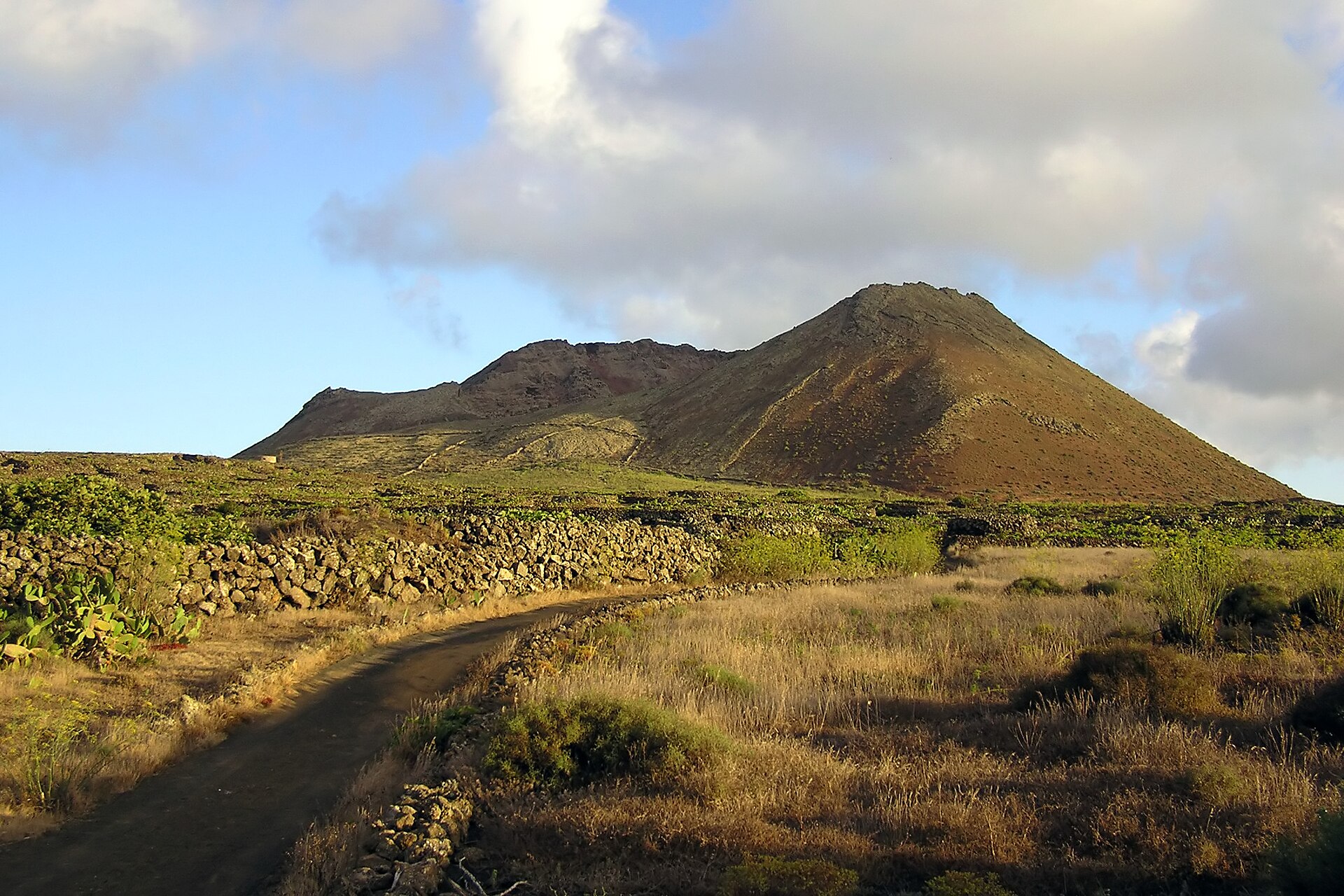
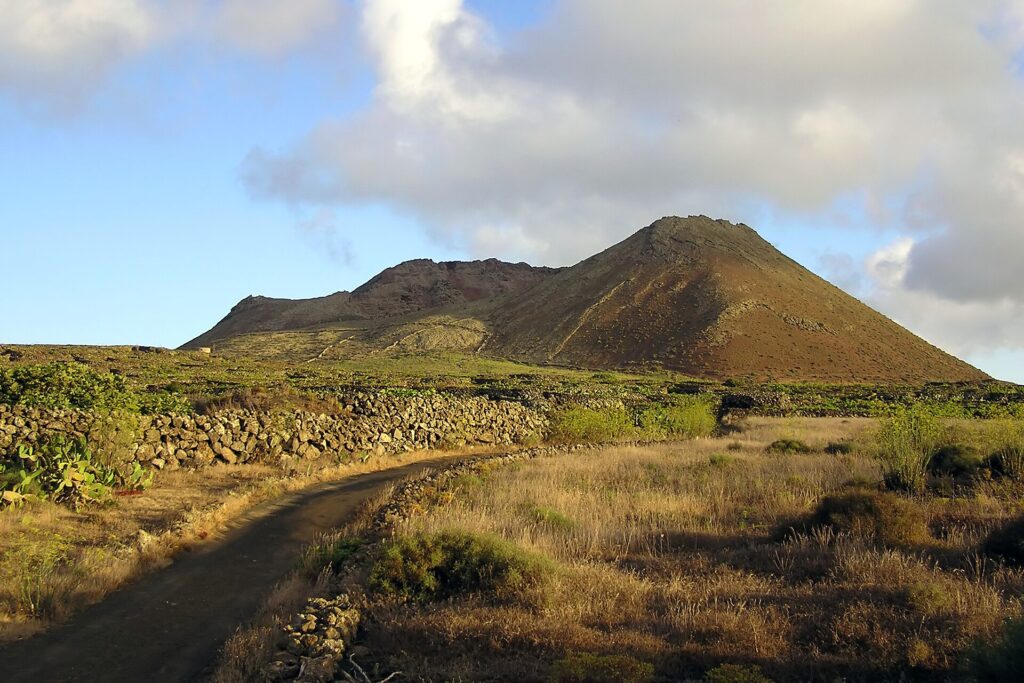
Approaching La Corona volcano, hikers are greeted by a striking contrast between the lush vineyards of the village of Ye and the rugged volcanic landscape that rises dramatically above. The ascent reveals a tapestry of black lava fields interspersed with green lichens and cultivated terraces, evoking a sense of ancient geological power. As you climb the western slopes, the air cools and the terrain shifts from fertile soils to jagged basalt and volcanic ash. Reaching the crater rim, the vastness of the volcanic cone unfolds, offering sweeping views of the Atlantic Ocean, the Chinijo Archipelago, and the island’s unique malpaís terrain. The emotional impact of standing on this dormant stratovolcano’s rim, surrounded by the remnants of fiery eruptions and the serenity of the natural park, is profound and unforgettable.
The Volcano Itself: Geological Background
La Corona is a stratovolcano formed approximately 21,000 years ago during the Quaternary period. Its formation involved two main eruptive phases: an initial Strombolian eruption that built the volcanic cone, followed by extensive effusive lava flows that shaped the surrounding landscape. These lava flows created the Malpaís de La Corona, a vast basaltic lava field characterized by jagged, fractured rock and a fan-shaped plateau extending toward the northeast coast. The volcano’s crater spans roughly 300 meters in diameter and rises 609 meters above sea level. Notably, La Corona is the source of one of the longest volcanic tubes in the world, the Corona Volcanic Tube, which extends about 7.6 kilometers, including the famous Cueva de los Verdes and Jameos del Agua. These geological features highlight the volcano’s dynamic eruptive history and contribute to its scientific and cultural significance.
The Volcano Trek: Terrain and Hiking Experience
The hike to La Corona’s crater is a moderate trek that offers a diverse and engaging terrain experience. Starting from the village of Ye, the trail initially winds through fertile volcanic soils where vineyards thrive, protected by traditional stone walls. This agricultural landscape provides a gentle introduction before the terrain becomes more rugged. As the path ascends the western slope, hikers encounter loose volcanic ash and pumice, which can be slippery and require careful footing. The trail is marked by stone milestones guiding trekkers safely through the volcanic terrain. The ascent includes sections of basaltic rock and lava blocks, demanding moderate scrambling and sure-footedness. Near the crater rim, the path narrows and steepens, exposing hikers to wind and cooler temperatures. The volcanic ash and rock create a surreal lunar-like environment, contrasting vividly with the green vegetation below. The crater rim offers a panoramic vantage point but requires caution due to the absence of protective barriers and the fragile nature of the volcanic rock. Descending on the eastern slope, the trail becomes steeper and rockier, requiring careful navigation. Overall, the trek combines natural beauty, geological intrigue, and physical challenge, making it a rewarding experience for hikers with moderate fitness and hiking experience.
What Makes This Volcano Trek Unique
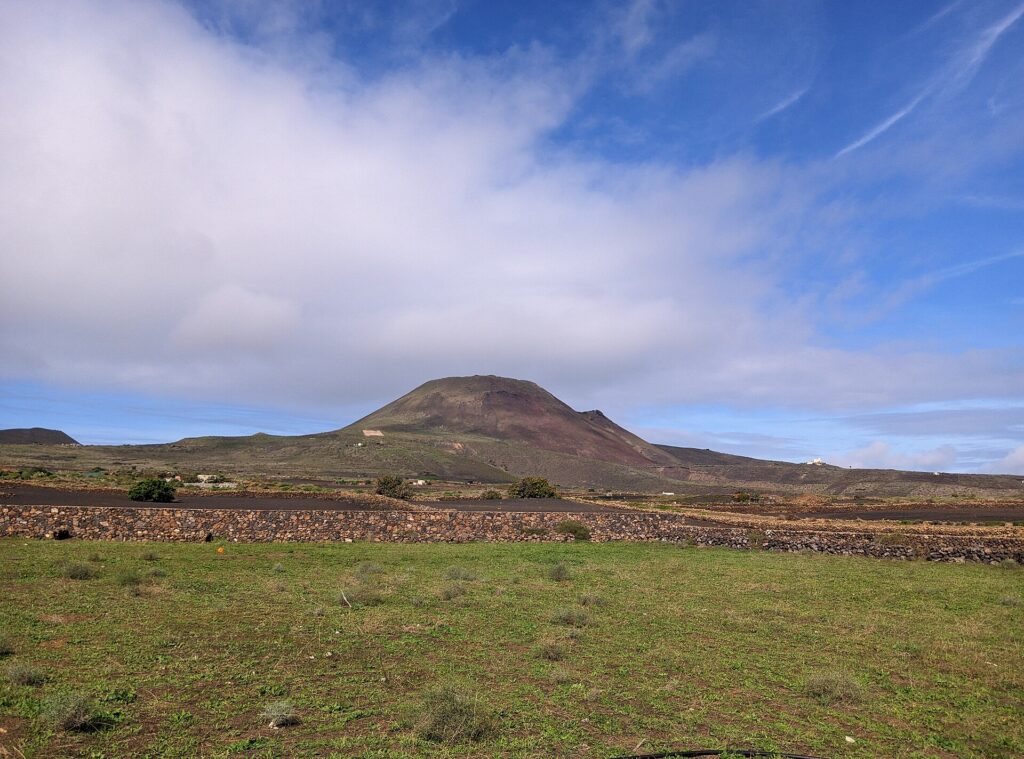
La Corona volcano trek stands out for its integration of volcanic geology with a vibrant cloud forest ecosystem and cultivated vineyards. Unlike many volcanic hikes dominated solely by barren lava fields, this trek offers a rare juxtaposition of fertile agricultural land and stark volcanic terrain. The presence of the extensive Corona volcanic tube system, including the world-renowned Cueva de los Verdes and Jameos del Agua, adds a subterranean dimension to the volcano’s allure. The panoramic views from the crater rim encompass not only the volcanic landscape but also the Atlantic Ocean and the Chinijo Archipelago, providing a spectacular visual feast. Additionally, the proximity to the Famara cliffs and the village of Ye enriches the cultural and natural experience, allowing trekkers to explore local traditions and other geological wonders in a single itinerary.
The Summit and Crater Experience
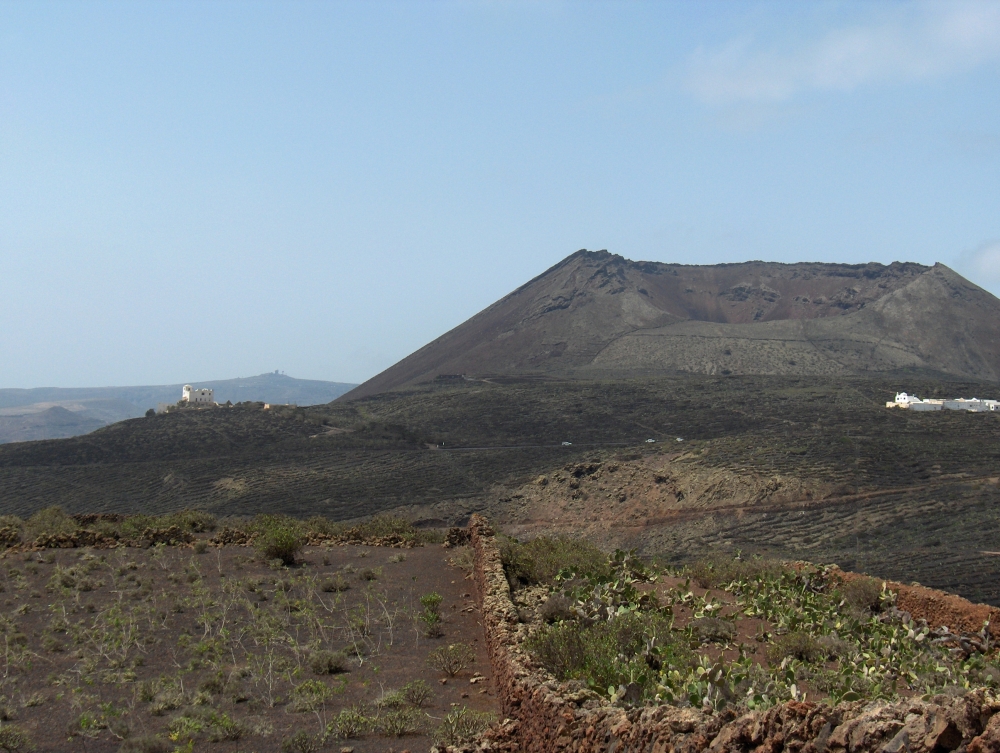
Reaching the summit of La Corona volcano, hikers are met with an expansive crater approximately 300 meters wide, its rugged edges shaped by millennia of volcanic activity. The air carries a faint scent of mineral-rich earth, and the ground beneath is a mosaic of volcanic ash and basaltic rock. From this vantage point, the panoramic views are breathtaking: the vast Malpaís lava fields stretch toward the coastline, while the shimmering Atlantic Ocean glistens under the sun. The Chinijo Archipelago islands appear as distant jewels on the horizon. The crater rim walk reveals the scale of the volcanic tube system below, with skylights and collapsed sections visible in the terrain. The summit’s exposed position invites cooling ocean breezes, enhancing the sensory experience. Standing here, one feels the immense geological forces that shaped the island and the enduring beauty of this volcanic monument.
Best Time to Trek La Corona Volcano
The optimal time to hike La Corona volcano is during the spring to autumn months, from March through October, when temperatures are mild and rainfall is minimal. Lanzarote’s subtropical climate ensures relatively stable weather year-round, but the village of Ye is among the wetter areas on the island, so hikers should be prepared for occasional showers. Early mornings or late afternoons offer cooler temperatures and softer light for photography. Avoiding the peak summer heat is advisable, as the volcanic terrain offers little shade and can become quite warm. The volcano is dormant, so there are no volcanic activity restrictions; however, hikers should always check local weather forecasts and respect any conservation guidelines to protect the fragile volcanic environment.
Trekking Routes and Trail Options
The primary route to La Corona volcano begins in the village of Ye, located at the volcano’s base. This circular trail is approximately 3 kilometers long and typically takes 1.5 to 3 hours to complete, depending on pace and stops. The ascent follows a natural dirt track through vineyards and agricultural land before climbing the western slope to the crater rim. The path is marked with stone milestones and is well-maintained but includes sections of loose volcanic ash and rocky terrain. At the crater, hikers can circumnavigate the eastern flank, offering views of the 7.6-kilometer-long volcanic tube system, including the submerged Atlantis Tunnel. Descending on the eastern slope, the trail becomes steeper and rockier, returning to the starting point in Ye. Guided tours often combine this trek with visits to nearby volcanic features such as Los Helechos volcano and the Famara cliffs, extending the hiking distance to around 9 kilometers and duration to approximately 4 to 5 hours. Self-guided options are feasible for experienced hikers, though local guides provide valuable geological insights and logistical support.
Difficulty Assessment
La Corona volcano trek is classified as a moderate volcano trek. The terrain includes loose volcanic ash, pumice, basalt rock, and uneven paths that require sure-footedness and moderate physical fitness. The altitude gain of approximately 269 meters is manageable for most hikers accustomed to moderate ascents. The trail’s steep sections near the crater rim and the rocky descent demand caution, especially in windy or wet conditions. No technical climbing skills or specialized equipment are necessary, but trekking poles and sturdy hiking boots are recommended to navigate the variable terrain safely. Overall, the trek is suitable for hikers with some prior experience and a reasonable level of fitness.
Essential Volcano Trekking Gear
For trekking La Corona volcano, essential gear includes sturdy hiking boots with good grip to handle loose volcanic ash and rocky sections. Trekking poles are recommended to aid balance on uneven terrain and steep slopes. A windproof jacket is advisable due to exposure near the crater rim and variable coastal winds. Sun protection is critical, including a wide-brimmed hat, sunglasses, and high-SPF sunscreen, as the volcanic landscape offers little shade. Carry sufficient water to stay hydrated, especially during warmer months. A headlamp can be useful if starting early or finishing late. While volcanic gases are minimal due to the volcano’s dormant status, a basic first aid kit and a map or GPS device enhance safety. Respect for the environment means carrying out all waste and staying on marked trails.
Safety and Volcanic Hazards
La Corona volcano is dormant, significantly reducing volcanic hazards such as eruptions or toxic gas emissions. However, hikers should remain cautious of unstable crater edges and loose volcanic scree, which can cause slips or falls. The trail’s rocky and ash-covered sections require careful footing, especially during wet or windy conditions. Falling rocks are a potential risk near steep slopes. Weather can change rapidly, with strong winds common near the summit. It is essential to stay on marked paths to protect both personal safety and the fragile volcanic environment. Local authorities monitor the area, and visitors should heed any posted warnings or restrictions. Emergency services are accessible from the nearby village of Ye. Adequate preparation and respect for the terrain ensure a safe and enjoyable trek.
Permits, Guides, and Logistics
No special permits are required to hike La Corona volcano, as it is located within a protected natural monument open to the public. Access is free, and the trailhead is easily reached from the village of Ye, where parking is available near the chapel of San Francisco Javier. Several reputable tour operators offer guided hikes, including Go Vacation Spain SLU, Canary Trekking, Outdooractive, Tiqets, and Musement. These guided tours typically include transportation from nearby towns, expert local guides who provide geological and cultural insights, and sometimes additional visits to nearby attractions such as the Famara cliffs and Los Helechos volcano. Prices for guided tours range from approximately €40 to €60 per person, with options for half-day or full-day excursions. Self-guided hikers should prepare with detailed maps and adequate supplies. The village of Ye serves as a logistical base, offering basic amenities and easy access to the trail. Visitors are advised to book tours in advance during peak seasons to ensure availability. Respect for the natural environment and adherence to trail regulations are emphasized by all operators.
Where to Stay Near La Corona Volcano
The village of Ye is the primary base for trekking La Corona volcano, offering convenient access to the trailhead and a peaceful rural atmosphere. Accommodation options in Ye include small guesthouses and rural inns that provide authentic local hospitality and basic amenities. For travelers seeking more extensive facilities, the nearby town of Haría offers additional lodging choices, including boutique hotels and holiday rentals. While Lanzarote’s main tourist hubs such as Arrecife and Puerto del Carmen are farther away, they provide a wider range of hotels, restaurants, and services. Visitors preferring a nature-immersed stay can find eco-lodges and countryside villas scattered around the northern part of the island. Although there are no large resorts directly adjacent to La Corona, the tranquility and charm of Ye and Haría make them ideal for those focused on hiking and exploring volcanic landscapes. It is recommended to book accommodations in advance during the high season. Amenities typically include Wi-Fi, local cuisine, and easy parking. Public transport options are limited, so renting a car is advisable for flexibility.