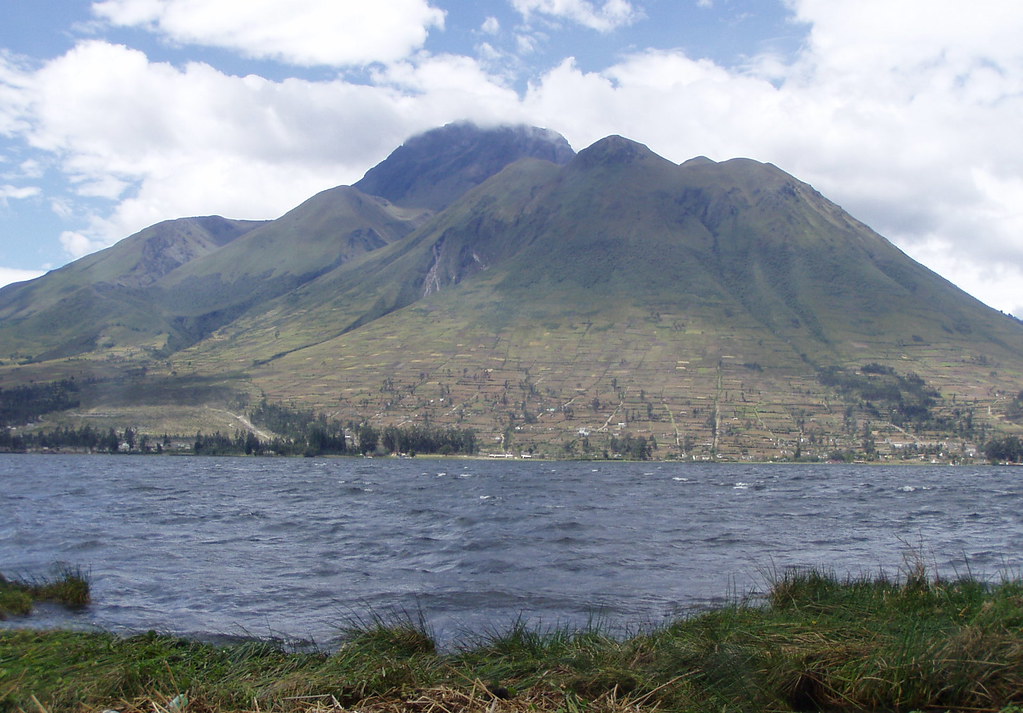

Hiking Cerro Machín Volcano: A Complete Trekking Guide to Colombia’s Most Dangerous Active Stratovolcano
Cerro Machín is a striking stratovolcano in Colombia’s Central Andes, known for its active fumarolic activity and sulfur deposits. This guide covers the volcano’s geology, trekking terrain, routes, safety, permits, and accommodation options, providing expert insights for adventurous volcano hikers.
Quick Volcano Snapshot
| Attribute | Value |
|---|---|
| Volcano type | Stratovolcano |
| Elevation | 2,750 m (9,022 ft) |
| Location | Tolima Department, Central Andes, Colombia |
| Activity status | Active (last known eruption ~800 years ago, ongoing fumarolic activity) |
| Trekking difficulty | Moderate |
| Typical trek duration | 6-8 hours |
| Altitude gain | Approx. 1,000 m |
| Terrain type | Volcanic ash slopes, rocky lava domes, forest trails |
| Best season | Dry season (December to March, July to August) |
| Temperature range | 7°C to 20°C (45°F to 68°F) |
| Permit requirement | Required; permits managed locally with guided tours recommended |
Introduction: The Experience of Hiking Cerro Machín Volcano
Approaching Cerro Machín, the landscape unfolds with raw volcanic power etched into the Central Andes. The trek begins amidst lush montane forests that give way to stark volcanic ash slopes and rugged lava domes. The contrast between the vibrant greenery and the barren volcanic terrain evokes a profound sense of nature’s duality. As you ascend, the air grows cooler and the fumarolic steam vents become visible, releasing sulfurous plumes that hint at the volcano’s restless heart. Reaching the crater rim, hikers are rewarded with panoramic views of the surrounding Andes and the vast caldera, a humbling reminder of the earth’s dynamic forces. The emotional impact of standing on one of Colombia’s most dangerous active volcanoes is unforgettable, blending awe, respect, and exhilaration.
The Volcano Itself: Geological Background
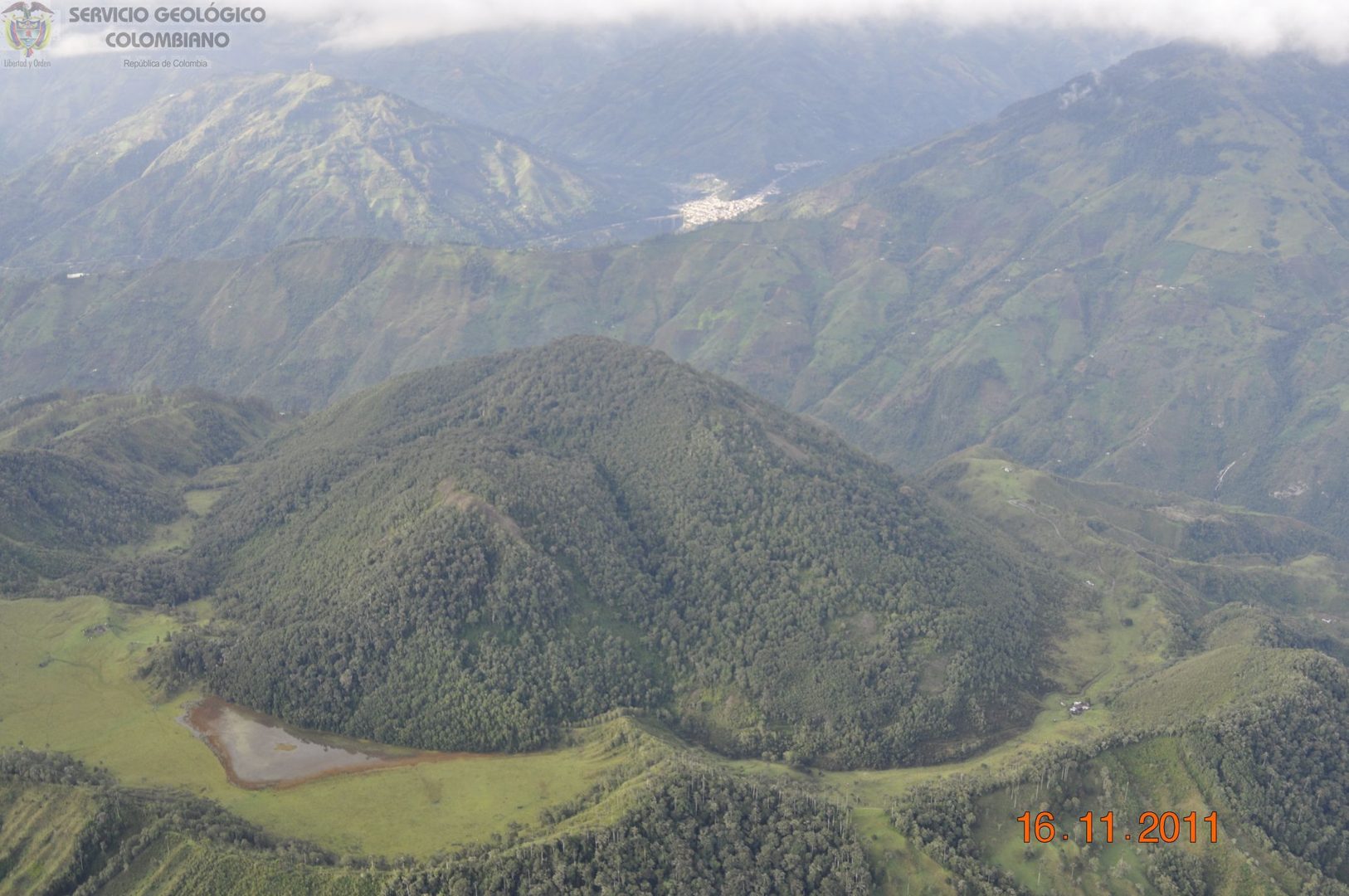
Cerro Machín is a stratovolcano and volcanic plug forming part of the Ruiz-Tolima volcanic massif in Colombia’s Central Andes. It is approximately one million years old and features a 2.4-kilometer-wide tuff ring caldera breached to the south. The volcano’s structure includes three forested dacitic lava domes within the caldera. Although there are no recorded historic eruptions, geological evidence shows at least seven explosive eruptions in the past 10,000 years, with the last activity dated around 800 years ago. These eruptions produced extensive pyroclastic flows and lahars, some reaching distances over 100 kilometers. The volcano remains active, exhibiting fumarolic activity and sulfur deposits, which indicate shallow magma presence beneath the surface. This ongoing activity makes Cerro Machín one of Colombia’s most dangerous volcanoes, warranting close monitoring by geological agencies.
The Volcano Trek: Terrain and Hiking Experience
The hike to Cerro Machín’s summit is a demanding yet rewarding journey through diverse volcanic terrain. Starting from the small mountain village of Toche, trekkers first navigate lush montane forests rich with endemic flora and fauna. The trail gradually ascends through dense vegetation before emerging onto volcanic ash slopes and rocky lava domes. The terrain here is varied: hikers encounter loose volcanic ash and pumice that can be slippery and challenging underfoot, requiring careful footing and sturdy boots. Sections of the trail involve scrambling over jagged volcanic rocks and navigating narrow ridges with exposure to wind and steep drop-offs. The altitude gain of approximately 1,000 meters over 6 to 8 hours tests endurance, especially as the air thins near the summit. Temperature fluctuations are notable, with cool mornings warming under direct sun and chilly winds near the crater rim. The fumarolic vents emit sulfurous gases, which can be pungent and require caution for sensitive individuals. Overall, the trek demands moderate fitness and experience with uneven volcanic terrain but rewards hikers with dramatic landscapes and intimate encounters with active volcanic features.
What Makes This Volcano Trek Unique
Cerro Machín stands out for its active fumarolic activity and extensive sulfur deposits, rare features accessible to trekkers. Unlike many dormant volcanoes, Machín’s steaming vents and sulfurous emissions provide a vivid glimpse into subterranean volcanic processes. The volcano’s large breached caldera and forested lava domes create a striking landscape mosaic, blending volcanic desolation with vibrant Andean ecosystems. The proximity to the quaint village of Toche adds cultural depth, offering a chance to experience traditional mountain life alongside volcanic adventure. Additionally, the volcano’s reputation as one of the most dangerous in Colombia adds an element of thrilling respect and caution to the trek. Photographers and geology enthusiasts find Cerro Machín especially compelling due to its dynamic geology and dramatic vistas.
The Summit and Crater Experience
Reaching Cerro Machín’s summit is a sensory climax. The expansive crater rim reveals a vast caldera dotted with fumaroles emitting wisps of steam and sulfurous gases. The air carries a distinct scent of sulfur, sharp and earthy, while the ground beneath occasionally vibrates with subtle volcanic murmurs. From this vantage point, panoramic views stretch across the Central Andes, with neighboring volcanoes Nevado del Tolima and Nevado del Ruiz visible on clear days. The crater floor’s rugged lava domes and steaming vents create a surreal, otherworldly scene. The wind here is brisk, carrying the sounds of escaping gases and the occasional distant birdcall. This moment of standing on an active volcano’s edge, surrounded by raw geological forces, is both humbling and exhilarating.
Best Time to Trek Cerro Machín Volcano
The optimal time to hike Cerro Machín is during Colombia’s dry seasons, primarily from December to March and July to August. These months offer clearer skies, reduced rainfall, and more stable trail conditions. The dry weather minimizes the risk of slippery volcanic ash and muddy forest paths, enhancing safety and visibility. Early morning starts are recommended to avoid afternoon cloud cover and potential rain showers common in the Andes. Trekking outside these windows increases exposure to wet, slippery terrain and the possibility of sudden weather changes. Additionally, volcanic monitoring agencies may impose temporary restrictions during periods of increased seismic activity or gas emissions, so checking current conditions before planning a trip is essential.
Trekking Routes and Trail Options
The primary route to Cerro Machín’s summit begins in the village of Toche, located approximately one hour by road from Ibagué. From Toche, the trail ascends through montane forest before reaching the volcanic ash slopes and lava domes. This route covers roughly 8 to 10 kilometers round trip with an elevation gain of about 1,000 meters, typically taking 6 to 8 hours to complete. Guided tours often include transportation from Salento or Ibagué, with stops at natural attractions such as the Wax Palm Forest and local viewpoints. Alternative approaches are limited due to the volcano’s rugged terrain and protected status. Most trekkers opt for guided hikes to ensure safety and compliance with permit regulations. The trail is well-marked but challenging in sections, with steep climbs and loose volcanic material. Some tours incorporate visits to nearby hot springs and cultural sites, enriching the overall experience.
Difficulty Assessment
Cerro Machín’s trek is classified as a moderate volcano ascent. The trail demands good physical fitness due to sustained elevation gain and uneven volcanic terrain. Hikers should be comfortable with steep ash slopes, rocky scrambling, and variable trail conditions. Altitude is moderate, peaking around 2,750 meters, which may cause mild altitude effects in some individuals. The trek does not require technical climbing skills or specialized equipment but benefits from experience on rugged mountain trails. Weather variability and exposure near the crater rim add to the challenge. Overall, the hike suits intermediate-level trekkers seeking a rewarding volcanic adventure without technical mountaineering.
Essential Volcano Trekking Gear
Key gear for hiking Cerro Machín includes sturdy hiking boots with good grip to handle loose volcanic ash and rocky terrain. Trekking poles are recommended to aid balance on steep and slippery slopes. A windproof and waterproof jacket protects against sudden weather changes common in the Andes. Layered clothing is essential to adapt to temperature shifts from forested base to exposed summit. A headlamp is useful for early morning starts or late returns. Due to fumarolic gases, sensitive hikers may consider a lightweight respirator or mask. Sun protection—hat, sunglasses, and sunscreen—is critical as volcanic landscapes offer little shade. Ample water and high-energy snacks are necessary for the moderate but sustained effort. A first aid kit and map or GPS device enhance safety.
Safety and Volcanic Hazards
Cerro Machín poses specific volcanic hazards that hikers must respect. Active fumarolic vents emit sulfurous gases that can irritate eyes and respiratory systems; sensitive individuals should take precautions. The terrain includes unstable volcanic ash slopes and loose rocks, increasing the risk of slips and falls. Crater edges may be unstable and require caution to avoid accidents. Although the volcano has not erupted in historic times, its explosive past and ongoing seismic activity mean sudden changes are possible. Monitoring by the Servicio Geológico Colombiano provides alerts and safety updates. Trekkers should always hike with experienced guides, carry communication devices, and avoid restricted areas. Weather can change rapidly, so preparedness for cold, rain, and wind is essential.
Permits, Guides, and Logistics
Access to Cerro Machín requires permits issued by local authorities, reflecting the volcano’s active status and associated risks. Permits are typically arranged through authorized tour operators, who also provide experienced guides essential for safety and navigation. Several reputable companies offer full-day guided tours departing from Salento or Ibagué, including Colombia Travel and Tours, Cocora Tours, Trek Zone, Happy to Visit, and The Abroad Guide. These tours generally include transportation, entrance fees, a bilingual guide, and sometimes meals. Permit costs vary but are usually included in tour prices ranging from $250 to $500 USD per person, depending on group size and services. Independent trekking without a guide is discouraged due to volcanic hazards and permit restrictions. Logistics involve early morning pickups, a drive of approximately one hour to the trailhead in Toche, and a 6 to 8-hour hike. Some tours incorporate additional stops at natural attractions like the Wax Palm Forest and local hot springs. Booking in advance is recommended, especially during dry seasons. Visitors should verify current volcanic activity status and follow all safety guidelines issued by the Servicio Geológico Colombiano.
Where to Stay Near Cerro Machín Volcano
The main gateway to Cerro Machín is the town of Ibagué, approximately 40 kilometers east of the volcano, offering a range of accommodations from budget hostels to mid-range hotels. Popular options include Hotel Estelar Ibagué and Hotel Casa Morales, both providing comfortable amenities and easy access to local transport. For a more immersive experience, the mountain village of Toche serves as the trailhead base, though lodging options here are limited and rustic, primarily small guesthouses and local inns catering to trekkers and eco-tourists. Nearby Salento, about two hours away, is a charming town known for its coffee culture and offers numerous hostels, boutique hotels, and eco-lodges such as Hotel Salento Real and Casa de Leda. Many tour operators provide pickup from Salento, making it a convenient base. Amenities in these towns include restaurants, gear rental shops, and tour offices. For those seeking relaxation after the trek, natural hot springs near Toche provide a soothing retreat. Early booking is advised during peak trekking seasons to secure accommodation close to the volcano.