
Trekking Doña Juana Volcano: A Complete Guide to Colombia’s Dormant Volcanic Complex
Explore the Doña Juana Volcano, a dormant complex volcano in Colombia’s Southern Andes. This comprehensive guide covers geological insights, trekking terrain, routes, safety, permits, and accommodation options within the Doña Juana-Cascabel Volcanic Complex National Park.
Quick Volcano Snapshot
| Attribute | Value |
|---|---|
| Volcano type | Complex volcano |
| Elevation | 4,250 meters (13,944 feet) |
| Location | Southern Andes, Nariño Department, Colombia |
| Activity status | Dormant |
| Trekking difficulty | Moderate |
| Typical trek duration | 1 day to multiple days |
| Altitude gain | Up to 1,000 meters depending on route |
| Terrain type | Volcanic domes, ash slopes, cloud forest, paramo |
| Best season | June to September (dry season) |
| Temperature range | 9°C to 22°C |
| Permit requirement | Park entry permit required; guided tours recommended |
Introduction: The Experience of Hiking Doña Juana Volcano
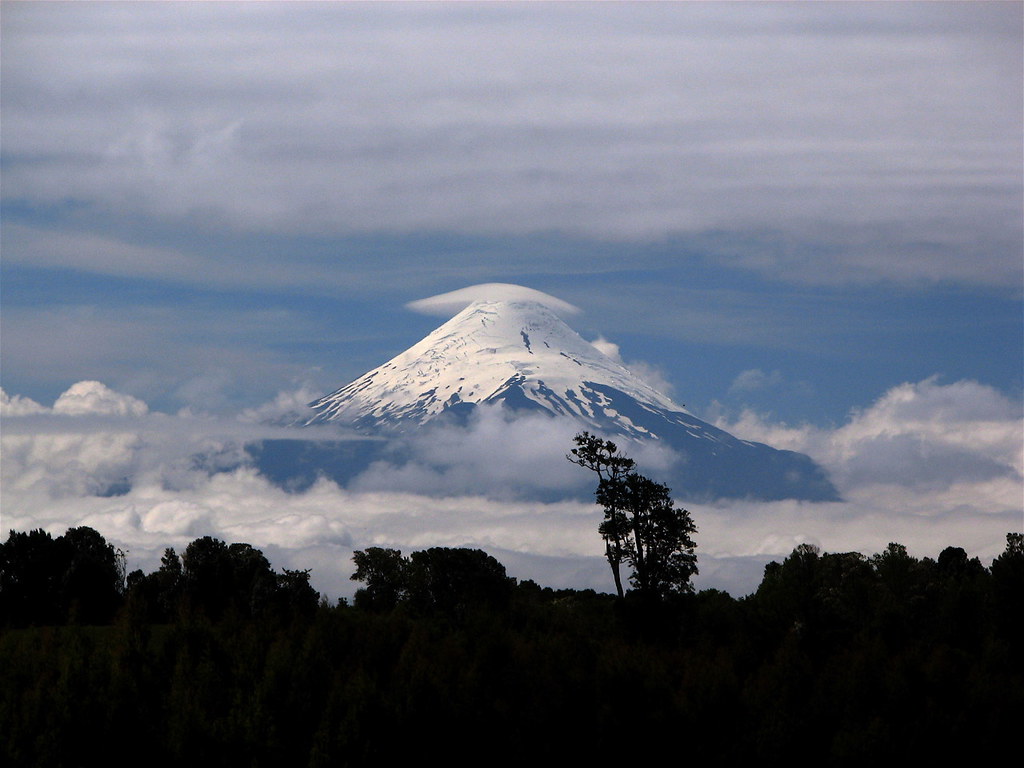
Approaching Doña Juana Volcano, trekkers are greeted by a dramatic landscape where dense cloud forests give way to stark volcanic domes and crater lakes. The air carries a crisp freshness, mingled with the faint scent of earth and moss. Hiking through this volcanic complex, you feel the immense geological forces that shaped the Southern Andes. The contrast between lush paramo vegetation and barren lava domes creates a surreal atmosphere. Reaching the summit rewards you with sweeping views of multiple craters and shimmering lakes, a humbling reminder of nature’s power and beauty.
Geological Background of Doña Juana Volcano
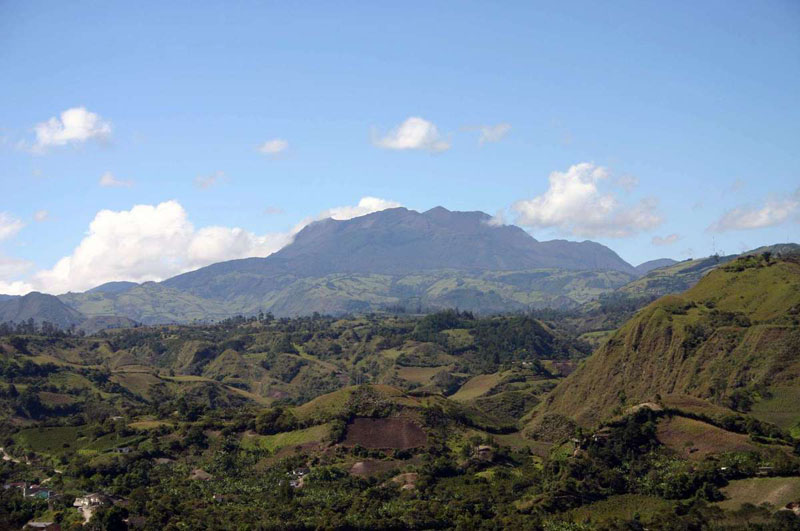
Doña Juana is a complex volcano located in Colombia’s Southern Andes, characterized by multiple calderas and lava domes. Its summit features a series of post-caldera andesitic to dacitic lava domes formed after mid-Holocene caldera collapses. The older caldera, breached to the northeast, was created by a major pyroclastic event, while the younger caldera hosts the active central cone. The volcano’s last significant eruption occurred between 1897 and 1906, producing lava dome growth and pyroclastic flows that caused considerable damage. The volcanic complex includes notable features such as crater lakes and fumaroles, with volcanic soils supporting diverse ecosystems. The region’s geology is shaped by tectonic activity along the El Tablón and San Jerónimo faults, contributing to its complex volcanic history.
The Volcano Trek: Terrain and Hiking Experience
Trekking Doña Juana Volcano offers a rich and varied hiking experience through diverse terrain types. The ascent typically begins in dense Andean cloud forests, where moss-covered trees and orchids create a lush, humid environment. As you gain elevation, the forest thins into paramo ecosystems dominated by frailejones and tussock grasses, signaling the transition to high-altitude volcanic landscapes. The trail surfaces vary from well-maintained dirt paths to loose volcanic scree and rocky lava domes. Hikers encounter steep ash slopes that require careful footing, especially where loose pumice and volcanic debris accumulate. Occasional rock scrambling is necessary near the summit domes, demanding moderate agility and surefootedness. The volcanic terrain is rugged, with sharp ridges and exposed crater rims offering panoramic views but also requiring caution due to unstable edges. Altitude can affect breathing and stamina, as the summit reaches over 4,200 meters. Weather conditions are variable, with cold winds and sudden temperature drops common near the peak. The trail’s moderate difficulty level suits hikers with good fitness and some mountain experience. Throughout the trek, the interplay of volcanic geology and vibrant ecosystems creates a dynamic and immersive adventure, blending natural beauty with geological wonder.
What Makes the Doña Juana Volcano Trek Unique
Doña Juana Volcano stands out for its complex volcanic structure featuring multiple craters and volcanic lakes nestled within a rich Andean ecosystem. Unlike many single-peak volcanoes, this complex offers varied landscapes from dense cloud forests to high-altitude paramo, providing a unique biodiversity hotspot. The presence of numerous crater lakes, including Laguna del Silencio, adds serene water features contrasting with rugged volcanic domes. The park’s abundant wildlife, including spectacled bears and over 400 bird species such as the Andean condor, enhances the trekking experience. The volcano’s dormant status allows safe exploration of volcanic domes and pyroclastic deposits, offering insights into past cataclysmic eruptions. The cultural heritage of indigenous communities and the legend behind the volcano’s name enrich the trek with historical depth. This combination of geological complexity, ecological diversity, and cultural significance makes Doña Juana a distinctive and rewarding volcano trek.
The Summit and Crater Experience
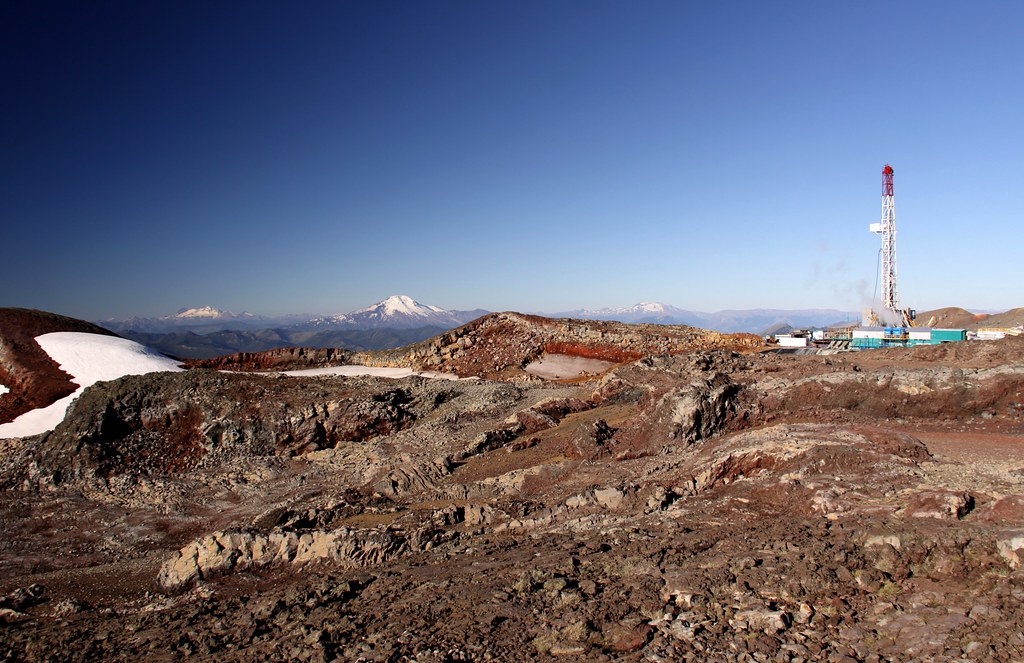
Reaching the summit of Doña Juana Volcano is a moment of awe and reflection. The panoramic vistas reveal a rugged volcanic landscape dotted with multiple craters and shimmering crater lakes. The air is thin and crisp, carrying subtle hints of sulfur and earth. From the crater rim, hikers can observe the remnants of past eruptions in the form of lava domes and pyroclastic deposits. The silence at the summit is profound, broken only by the wind and distant bird calls. The expansive views stretch across the Southern Andes, with neighboring volcanoes Petacas and Ánimas visible on the horizon. The crater’s edge offers a dramatic vantage point to appreciate the immense geological forces that shaped this terrain. This summit experience is both humbling and exhilarating, connecting trekkers intimately with the Earth’s volcanic power.
Best Time to Trek Doña Juana Volcano
The optimal time to trek Doña Juana Volcano is during Colombia’s dry season, from June to September. During these months, trails are generally drier and safer, with reduced risk of slippery conditions caused by rain. The weather is cooler and more stable, ideal for high-altitude hiking. Outside this period, heavy rains can make trails muddy and challenging, and cloud cover may obscure views. Early morning starts are recommended to avoid afternoon showers and to experience clear sunrise vistas. Trekking outside the dry season requires caution due to potential trail hazards and sudden weather changes. Volcanic activity is currently dormant, but monitoring by local geological agencies ensures safety. Planning your trek during the dry season maximizes comfort, visibility, and overall trekking enjoyment.
Trekking Routes and Trail Options
Doña Juana Volcano offers several trekking routes catering to different preferences and fitness levels. The most common approach begins from the town of La Cruz, located approximately 13 kilometers west of the volcano. From here, well-marked trails lead through the Valley of Orchids, ascending gradually through cloud forests and paramo ecosystems. The main trail to the summit covers roughly 10 to 12 kilometers round trip, with an elevation gain of about 1,000 meters. This moderate route typically takes 6 to 8 hours to complete, including time for rest and summit exploration. For those seeking a more immersive experience, multi-day treks are available that incorporate camping near crater lakes and visits to other volcanic centers within the Doña Juana-Cascabel Volcanic Complex, such as Petacas and Ánimas. Guided tours often include educational components about the park’s biodiversity and geology. Alternative routes may start from smaller villages around the park, offering varied terrain and cultural encounters. While self-guided trekking is possible, hiring a local guide is recommended for navigation, safety, and enriched interpretation of the volcanic landscape.
Difficulty Assessment
The Doña Juana Volcano trek is classified as a moderate volcano trek. The terrain includes steep ash and pumice slopes, rocky lava domes, and uneven volcanic scree, requiring good balance and stamina. Altitude is a significant factor, with the summit reaching over 4,200 meters, which may cause mild altitude sickness in some hikers. The trail demands a reasonable level of fitness but does not require technical climbing skills or specialized equipment. Hikers should be prepared for variable weather, including cold temperatures and strong winds near the summit. Overall, the trek is suitable for hikers with prior mountain experience and good physical conditioning, offering a rewarding challenge without extreme technical difficulty.
Essential Volcano Trekking Gear
For trekking Doña Juana Volcano, essential gear includes sturdy hiking boots with good grip to navigate loose volcanic scree and rocky terrain. Trekking poles are recommended to aid balance on steep and unstable slopes. Layered clothing is necessary to adapt to temperature changes from humid cloud forests to cold paramo and summit conditions. A windproof and waterproof jacket protects against sudden weather shifts. Sun protection, including a hat, sunglasses, and sunscreen, is vital due to high-altitude UV exposure. Carry sufficient water and snacks for energy and hydration. A headlamp is useful for early morning starts or late returns. While volcanic gases are minimal due to dormancy, a lightweight respirator or mask can be considered for sensitive individuals. A first aid kit, map, and GPS device enhance safety. Finally, a camera is recommended to capture the stunning volcanic landscapes.
Safety and Volcanic Hazards
Although Doña Juana Volcano is currently dormant, safety precautions remain essential. The terrain includes unstable crater edges and loose volcanic scree, posing risks of falls and rockslides. Hikers should stay on marked trails and avoid venturing too close to crater rims. Weather can change rapidly, with cold winds and fog reducing visibility and increasing hypothermia risk. Altitude sickness is a concern above 3,500 meters; acclimatization and hydration are important. Volcanic gases are minimal but monitoring by Colombia’s geological institute (INGEOMINAS) ensures early warnings of any activity changes. Emergency communication can be limited in remote areas, so trekking with a guide or group is advisable. Carrying a first aid kit and informing local authorities of your itinerary enhances safety. Respecting park regulations and following guidance from rangers helps protect both visitors and the fragile volcanic environment.
Permits, Guides, and Logistics
Visiting Doña Juana Volcano requires entry permits to the Doña Juana-Cascabel Volcanic Complex National Park, which can be obtained at park entrances or local ranger stations. The permit fees are modest, typically ranging from 5,000 to 10,000 Colombian Pesos (approximately $1.50 to $3 USD), supporting conservation efforts. While self-guided trekking is possible, hiring a certified local guide is highly recommended for safety, navigation, and enriching the experience with geological and ecological insights. Reputable tour operators offering guided treks include Andes World Travel, Colombian Highlands, and Volcano Adventures Colombia. These companies provide tailored packages ranging from day hikes to multi-day expeditions, including transportation, accommodation arrangements, and equipment rental if needed. Logistics involve traveling to the city of Pasto, the nearest major urban center with an airport (Antonio Nariño Airport), followed by a 50-kilometer road journey to the park entrance. Local transport options include taxis and tourist shuttles; however, renting a vehicle offers greater flexibility. Visitors should plan for variable weather and bring appropriate gear. Booking tours in advance is advisable during peak season (June to September) to ensure availability. Park regulations emphasize environmental protection and visitor safety, including restrictions on camping locations and waste disposal. Overall, the combination of accessible permits, knowledgeable guides, and established tour operators facilitates a well-organized and rewarding trekking experience.
Where to Stay Near Doña Juana Volcano
Accommodation options near Doña Juana Volcano primarily center around the city of Pasto, located approximately 50 kilometers from the park entrance. Pasto offers a range of lodging choices from budget hostels to comfortable hotels, such as Hotel Cuellars and Hotel San Juan de Pasto, providing amenities like Wi-Fi, dining, and tour booking services. For travelers seeking proximity to the volcano, small guesthouses and eco-lodges are available in nearby towns like La Cruz and San Bernardo, offering rustic charm and easy access to trailheads. These accommodations often feature local cuisine and personalized service, ideal for immersing in the region’s culture. Camping within the national park is permitted in designated areas, allowing adventurers to experience the paramo ecosystem overnight; however, facilities are basic, and prior arrangement with park authorities is necessary. Some tour operators include lodging as part of their packages, coordinating stays in mountain lodges or community-run hostels. It is advisable to book accommodations in advance during the high season to secure availability. Staying in Pasto or nearby villages provides a comfortable base with access to transportation, guides, and supplies, ensuring a well-supported volcano trekking adventure.