Climbing Osorno Volcano: The Ultimate Trekking Guide to Chile’s Iconic Stratovolcano
Osorno Volcano, known as the ‘Matterhorn of South America,’ offers a challenging yet rewarding trekking experience with its perfect cone shape, glaciated slopes, and panoramic views of Chile’s Lake District. This guide covers geology, routes, gear, safety, permits, accommodations, and expert tips for adventurers seeking to summit this iconic dormant stratovolcano.
Quick Volcano Snapshot
| Attribute | Value |
|---|---|
| Volcano type | Stratovolcano |
| Elevation | 2,652 meters |
| Location | Los Lagos Region, Chile |
| Activity status | Dormant |
| Trekking difficulty | Moderate |
| Typical trek duration | 1 day (approx. 12 hours for summit ascent) |
| Altitude gain | Approximately 1,465 meters |
| Terrain type | Volcanic ash slopes, glaciated icefields, rocky and steep terrain |
| Best season | December to April (summer and early autumn) |
| Temperature range | -5°C to 15°C (varies with altitude and season) |
| Permit requirement | Required for summit ascent; guided tours recommended |
The Experience of Hiking Osorno Volcano
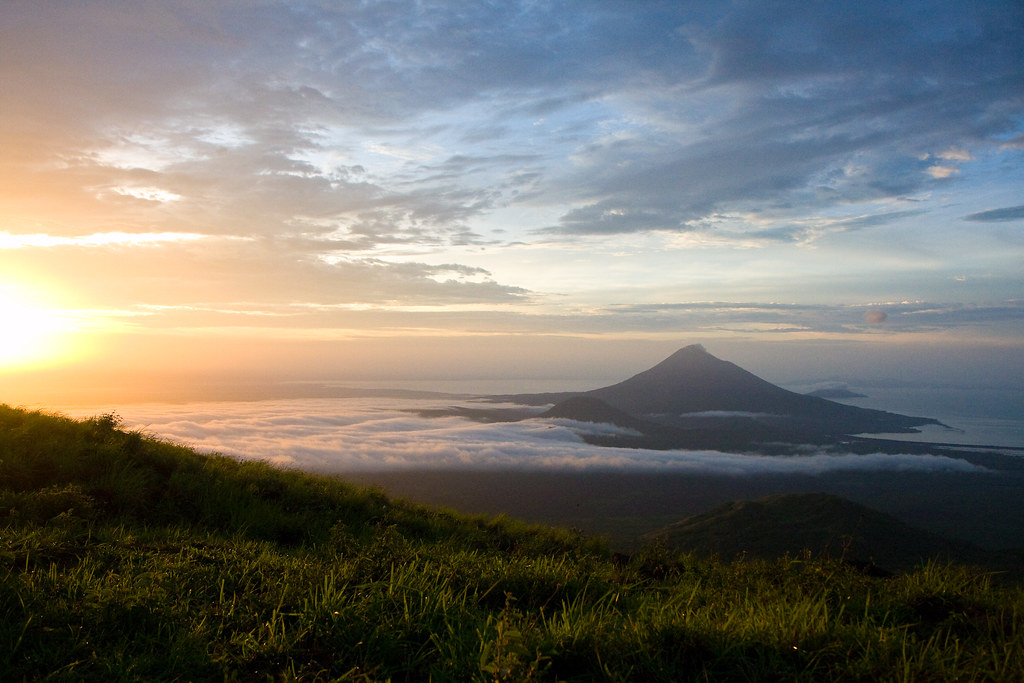
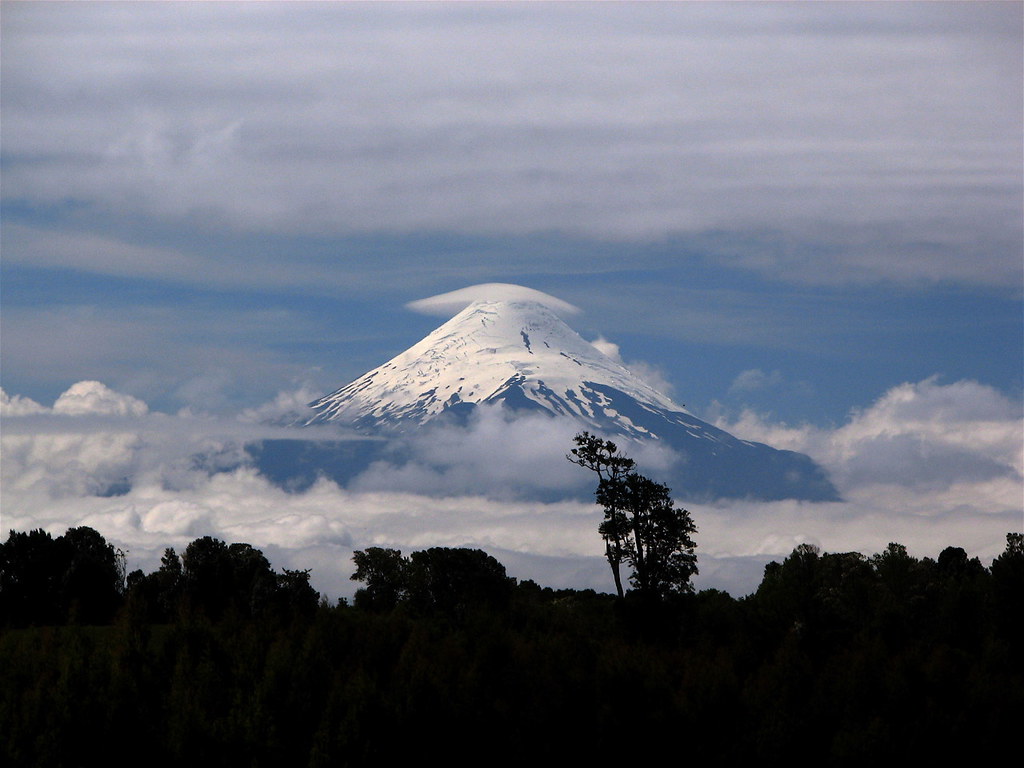
Approaching Osorno Volcano, the landscape unfolds like a dramatic painting: a perfect symmetrical cone rising sharply above lush forests and shimmering lakes. The contrast between the rugged volcanic slopes and the verdant surroundings evokes a profound sense of nature’s power and artistry. As you ascend, the terrain shifts from dense woodland to barren volcanic ash and glistening glaciers, each step bringing you closer to the summit’s commanding views. Reaching the crater rim, the panorama of Chile’s Lake District and neighboring volcanoes rewards your effort with breathtaking beauty and a humbling connection to the Earth’s fiery heart.
Geological Background of Osorno Volcano
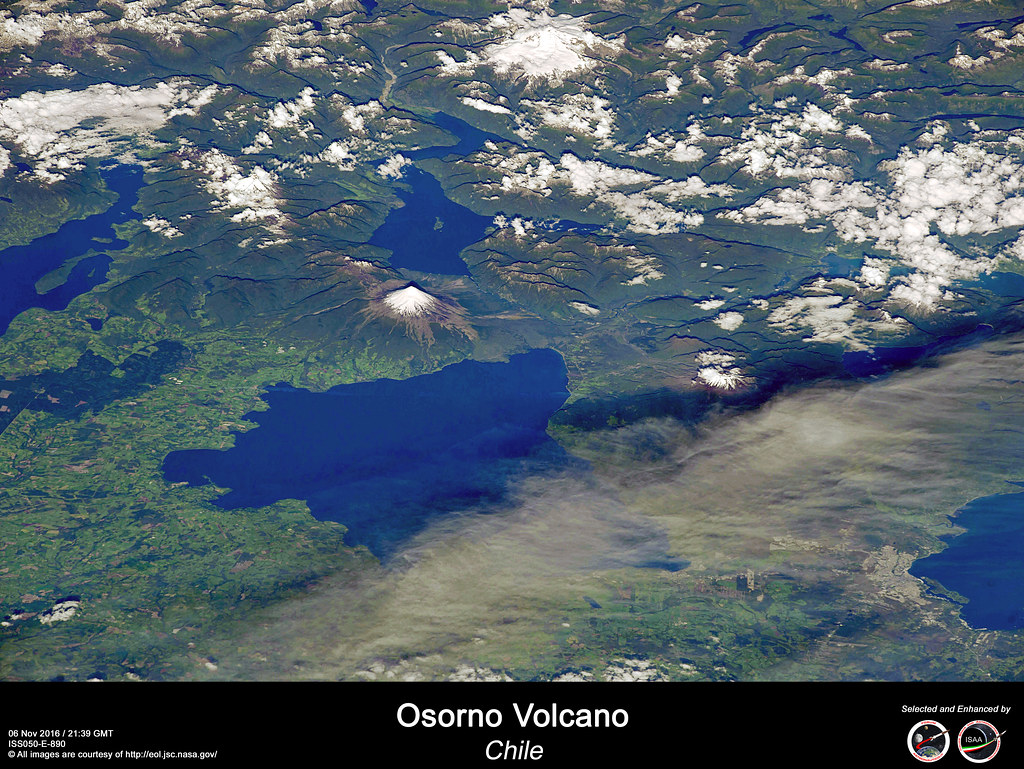
Osorno Volcano is a classic stratovolcano formed over 250,000 years atop the eroded remains of the older La Picada volcano and its extensive caldera. Its iconic conical shape results from successive layers of lava flows, ash, and volcanic debris built up through repeated eruptions. The volcano towers at 2,652 meters, dominating the landscape between Llanquihue and Osorno provinces in Chile’s Los Lagos Region. Although currently dormant, Osorno still exhibits minor fumarolic activity, indicating residual volcanic heat beneath its snow-capped summit. The volcano’s glaciers and steep slopes have been sculpted by both volcanic activity and glaciation, creating a terrain rich in volcanic minerals and fumaroles. The surrounding landscape features lava fields, ash deposits, and sulfur vents, offering a vivid geological tapestry for trekkers and scientists alike.
Terrain and Hiking Experience on Osorno Volcano
Trekking Osorno Volcano is a demanding adventure that combines diverse terrain and technical challenges. The ascent typically begins at the Osorno Volcano Ski Centre, situated around 1,200 meters above sea level, where hikers prepare for the climb ahead. The initial sections traverse forested slopes and volcanic ash trails, offering moderate gradients that allow for acclimatization. As you gain altitude, the landscape becomes increasingly barren, with loose volcanic ash and pumice underfoot requiring careful footing. The trail then transitions to steeper, rocky sections where scrambling over volcanic rocks is necessary.
One of the most challenging parts of the hike is the glacier crossing near the summit. Here, hikers encounter icy slopes requiring crampons, ice axes, and sometimes ropes for safety. The glacier’s crevasses are often covered in summer months, but caution and technical skill remain essential. Wind conditions intensify near the summit, and temperatures can drop sharply, demanding appropriate gear and physical preparedness. The final ascent involves negotiating steep volcanic slopes and exposed ridges, where altitude effects may cause fatigue and breathlessness.
Throughout the hike, trekkers experience rapid temperature shifts, from mild conditions at the base to near-freezing at the summit. The volcanic terrain’s loose scree and ash can make footing unstable, requiring steady pacing and trekking poles for balance. Despite these challenges, the trail rewards climbers with spectacular views of the surrounding lakes, forests, and neighboring volcanoes. The combination of volcanic ash fields, glaciated ice, and rugged rock creates a unique hiking environment that tests endurance and technical skills, making Osorno a memorable and exhilarating volcano trek.
What Makes the Osorno Volcano Trek Unique
Osorno Volcano’s perfect symmetrical cone, often called the ‘Matterhorn of South America,’ sets it apart as one of the most visually striking volcanoes worldwide. Its year-round snow-capped summit and glaciated slopes offer a rare combination of volcanic and alpine environments. The trek provides panoramic views of multiple iconic lakes, including Llanquihue and Todos los Santos, and a ring of neighboring volcanoes such as Calbuco, Tronador, and Puntiagudo. The presence of glaciers on a stratovolcano accessible within a day’s climb is a distinctive feature, allowing hikers to experience ice climbing and volcanic hiking in one expedition. Additionally, the route’s proximity to the Vicente Pérez Rosales National Park enriches the experience with diverse flora, fauna, and volcanic landscapes sculpted by ancient lava flows and glacial activity.
The Summit and Crater Experience on Osorno Volcano
Reaching Osorno’s summit is a moment of awe and exhilaration. The crater rim, often edged with snow and ice, offers a commanding 360-degree panorama of Chile’s Lake District. From this vantage point, hikers can see the turquoise waters of Todos los Santos and Llanquihue Lakes, the rugged peaks of nearby volcanoes, and the vast Patagonian wilderness stretching to the horizon. The air is crisp and thin, carrying the faint scent of sulfur from fumaroles near the crater. The ground beneath may emit subtle warmth, a reminder of the volcano’s latent power. The silence at the summit is profound, broken only by the wind and the distant calls of birds. This sensory experience—combining breathtaking views, geological wonder, and the raw presence of volcanic energy—makes the summit a deeply rewarding destination for trekkers.
Best Time to Trek Osorno Volcano
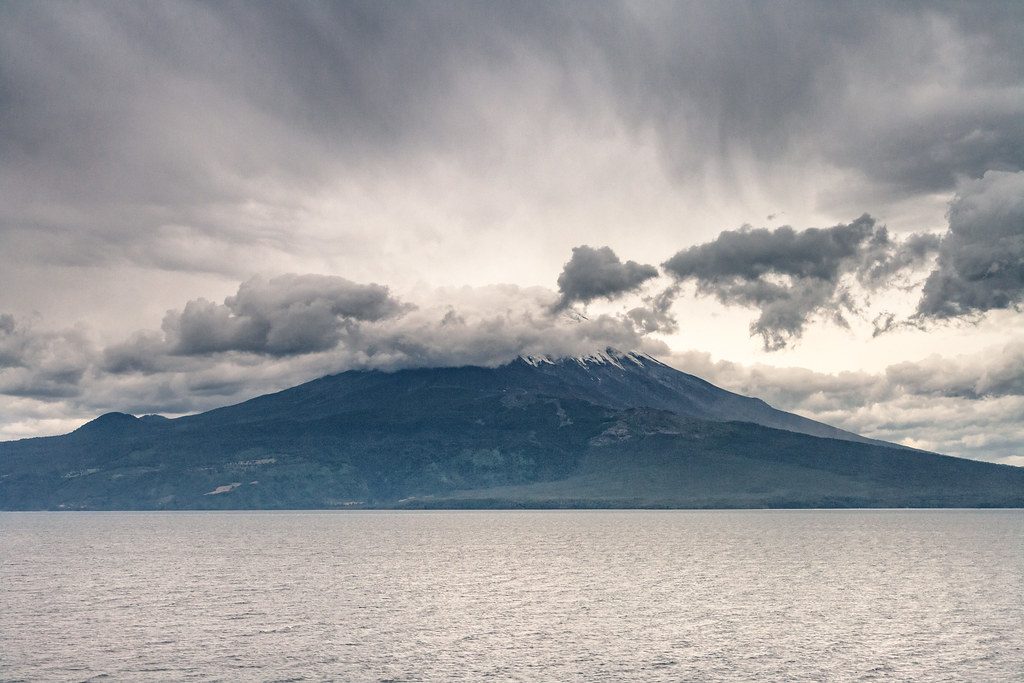
The optimal trekking season for Osorno Volcano is from December to April, corresponding to the Southern Hemisphere’s summer and early autumn. During these months, weather conditions are generally stable, with longer daylight hours and reduced snow cover on the glacier, facilitating safer glacier crossings. Temperatures range from mild at the base to cold near the summit, so layered clothing is essential. Winter months (June to early December) are dominated by heavy snow and are better suited for ski touring rather than hiking. Climbers should monitor weather forecasts closely, as conditions can change rapidly, with sudden storms, high winds, and temperature drops. It is also important to consider volcanic activity alerts and park regulations, which may restrict access during periods of increased fumarolic activity or adverse weather.
Trekking Routes and Trail Options on Osorno Volcano
The primary route for ascending Osorno Volcano starts at the Osorno Volcano Ski Centre, located at approximately 1,200 meters elevation. From here, hikers can choose to begin their ascent on foot or use the chairlift to gain elevation quickly. The chairlift operates in two sections, stopping at 1,450 meters and 1,640 meters respectively, offering an option to shorten the hiking distance and reduce altitude gain.
The full ascent route covers approximately 11.6 kilometers with an elevation gain of about 1,465 meters, typically taking 8 to 12 hours round trip depending on fitness and conditions. The trail initially passes through forested volcanic slopes, then transitions to open volcanic ash fields and rocky terrain. The final sections involve glacier travel and ice climbing, requiring technical equipment and skills.
Guided tours are highly recommended, especially for the glacier crossing and summit push, as guides provide essential safety equipment, technical instruction, and local knowledge. Alternative shorter hikes are available around the base and lower slopes, suitable for less experienced hikers or those seeking scenic views without summit attempts. These include trails within Vicente Pérez Rosales National Park and routes to viewpoints overlooking the lakes and surrounding volcanoes.
Difficulty Assessment of Osorno Volcano Trek
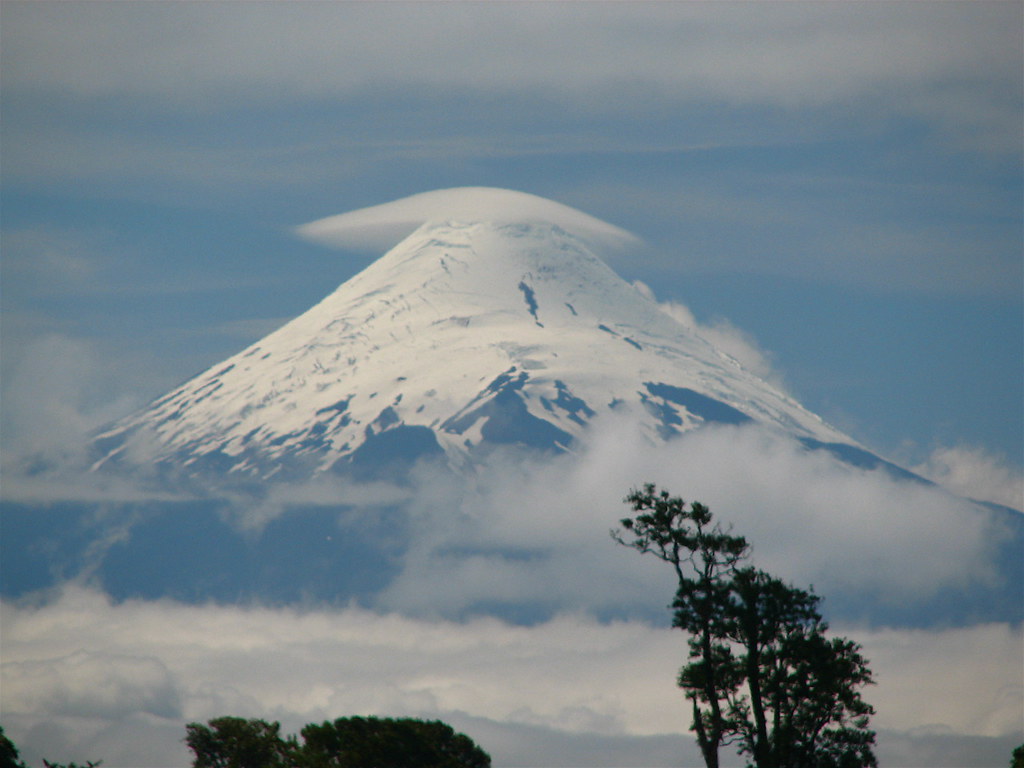
Osorno Volcano is classified as a moderate to challenging volcano trek. The ascent demands good physical fitness due to the significant altitude gain of approximately 1,465 meters and the total distance of nearly 12 kilometers. The terrain varies from moderate forest trails to steep volcanic ash slopes and technical glacier travel.
The glacier crossing near the summit requires the use of crampons, ice axes, and sometimes ropes, making it unsuitable for beginners without mountaineering experience. Altitude effects such as reduced oxygen and colder temperatures add to the challenge. The hike is not a technical mountaineering climb but does require basic ice climbing skills and comfort with exposed, steep terrain.
Overall, the trek suits hikers with prior experience in mountain hiking and some technical skills or those willing to join guided tours that provide equipment and instruction. It is not recommended for novice hikers without professional guidance.
Essential Gear for Osorno Volcano Trekking
Successful ascent of Osorno Volcano requires specialized gear to handle volcanic terrain and glaciated slopes. Essential items include sturdy hiking boots with good ankle support and crampon compatibility, trekking poles for balance on loose ash and scree, and crampons and ice axes for glacier travel. A helmet is necessary for protection against falling rocks and ice.
Clothing should be layered to adapt to temperature changes, including moisture-wicking base layers, insulating mid-layers, and waterproof windproof outer shells. Gloves, a warm hat, and sunglasses with UV protection are critical due to snow glare and cold winds. A headlamp is recommended for early starts before dawn.
Additional gear includes a backpack with hydration systems, sunscreen, lip balm, and emergency supplies such as a first aid kit and communication devices. Guided tours often provide technical equipment like helmets, harnesses, and crampons, but personal gear should be high quality and well-fitted.
Safety and Volcanic Hazards on Osorno Volcano
While Osorno Volcano is currently dormant, it still poses several hazards that climbers must respect. The presence of fumaroles near the summit releases volcanic gases such as sulfur dioxide, which can irritate the respiratory system. Proper acclimatization and awareness of symptoms are important.
The glacier crossing presents risks including hidden crevasses and slippery ice, requiring technical equipment and experienced guidance. Unstable volcanic ash slopes and loose scree increase the risk of falls and rockslides, especially on steep sections. Sudden weather changes can bring high winds, snow, or fog, reducing visibility and increasing exposure risk.
Climbers should monitor official volcanic activity reports and weather forecasts. The Chilean National Forest Corporation (CONAF) manages the area and provides safety information. Use of certified guides is strongly recommended to navigate hazards safely. Emergency communication devices and knowledge of evacuation routes are essential for safety.
Permits, Guides, and Logistics for Osorno Volcano Trekking
Climbing Osorno Volcano requires a permit issued by the Chilean National Forest Corporation (CONAF), especially for the summit ascent. Permits regulate visitor numbers and ensure safety compliance. It is mandatory to register at the park ranger office before starting the climb.
Guided tours are highly recommended and often required for the glacier sections due to technical difficulty and safety concerns. Several reputable tour operators offer full-day guided ascents from Puerto Varas or Puerto Montt, including Huella Andina Expeditions, Patagonia SouthernLand Expeditions, Hike Chile, Antupucon Rivers and Mountains, Amity Tours, GoPatagonic, and HappyToVisit. These tours typically include transportation, park entry fees, professional guides with Wilderness First Responder certification, technical equipment (helmets, crampons, ice axes), communication radios, and accident insurance.
Tour prices range from approximately USD 250 to 270 per person for private or small group services. Early morning departures (around 4:30 am) are common to maximize daylight and favorable weather. The total duration is about 12 hours, including ascent, summit time, and descent.
For independent trekkers, access to the Osorno Volcano Ski Centre is possible by car or public transport, but the summit climb without a guide is discouraged due to safety risks. Chairlift services at the ski centre provide options to shorten the hike, with separate fees payable on site.
Additional logistics include arranging suitable mountaineering gear, accommodation in nearby towns such as Puerto Varas, and monitoring weather and volcanic activity reports. Booking tours in advance is advised during peak season (December to April) to secure permits and guide availability.
Where to Stay Near Osorno Volcano
Puerto Varas is the primary base town for Osorno Volcano treks, located approximately 1.5 hours by road from the volcano’s ski centre. This charming lakeside town offers a wide range of accommodations catering to different budgets and preferences. Options include boutique hotels, guesthouses, hostels, and luxury lodges. Notable places include Hotel AWA, known for its modern design and lake views; Hotel Magnolia, offering cozy comfort in the town center; and Almabosque Cabañas, which provides spacious cabins ideal for families and groups.
Closer to the volcano, the Osorno Volcano Ski Centre area has limited lodging but features a restaurant with panoramic views and chairlift access. For those seeking rustic mountain stays, Teski Lodge near the ski centre offers bunk beds with shared facilities, meals, and equipment rental, ideal for climbers preparing for early starts. Upgrades to private rooms and linens are available.
Puerto Montt, about 30 minutes from Puerto Varas, is another option with more urban amenities and transport connections. Many tour operators provide transfers from these towns to the volcano base.
Amenities in Puerto Varas include outdoor gear shops, restaurants, and tour agencies that facilitate guided climbs and equipment rental. Staying in Puerto Varas or Puerto Montt provides the best combination of comfort, services, and proximity to Osorno Volcano’s trailheads.