Trekking Sara Sara Volcano: A Complete Guide to Peru’s Sacred Stratovolcano
Sara Sara is a dormant stratovolcano in Peru’s Ayacucho region, offering a moderate high-altitude trek through volcanic landscapes rich in geological and cultural history. This guide covers the volcano’s geology, trekking terrain, routes, safety, permits, and accommodation options near the trailhead.
Quick Volcano Snapshot
| Attribute | Value |
|---|---|
| Volcano type | Stratovolcano |
| Elevation | 5,505 meters (18,061 feet) |
| Location | Ayacucho Region, Peru |
| Activity status | Dormant |
| Trekking difficulty | Moderate |
| Typical trek duration | 2-3 days |
| Altitude gain | Approximately 1,000 meters |
| Terrain type | Lava domes, ash slopes, volcanic rock, glacial moraines |
| Best season | May to September (dry season) |
| Temperature range | -5°C to 15°C (23°F to 59°F) |
| Permit requirement | No formal permits required, local guides recommended |
Introduction: The Experience of Hiking Sara Sara Volcano
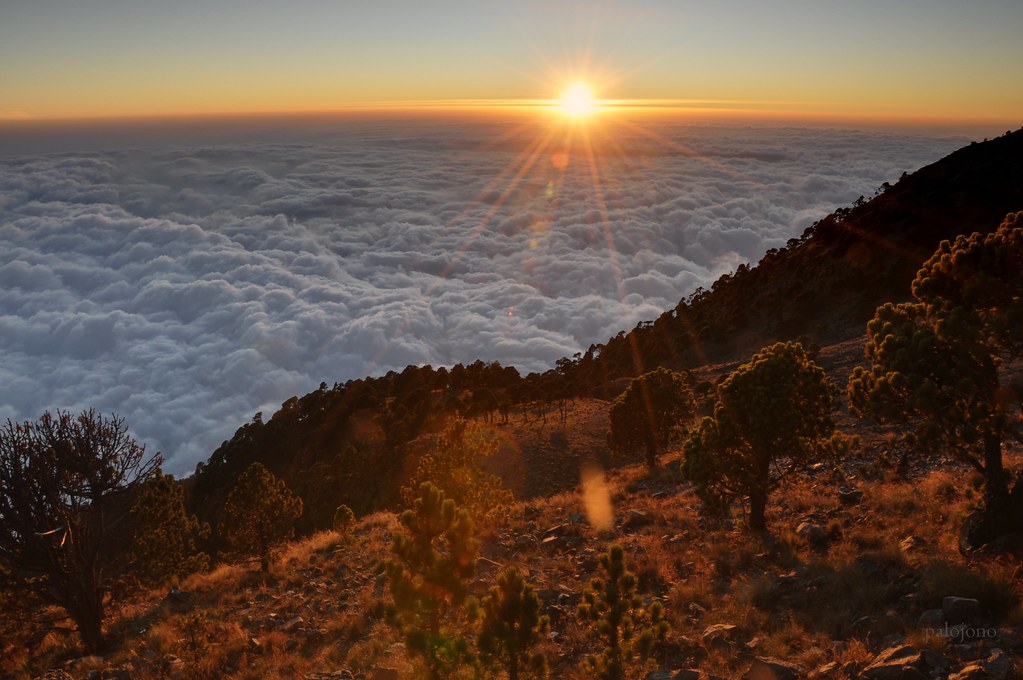
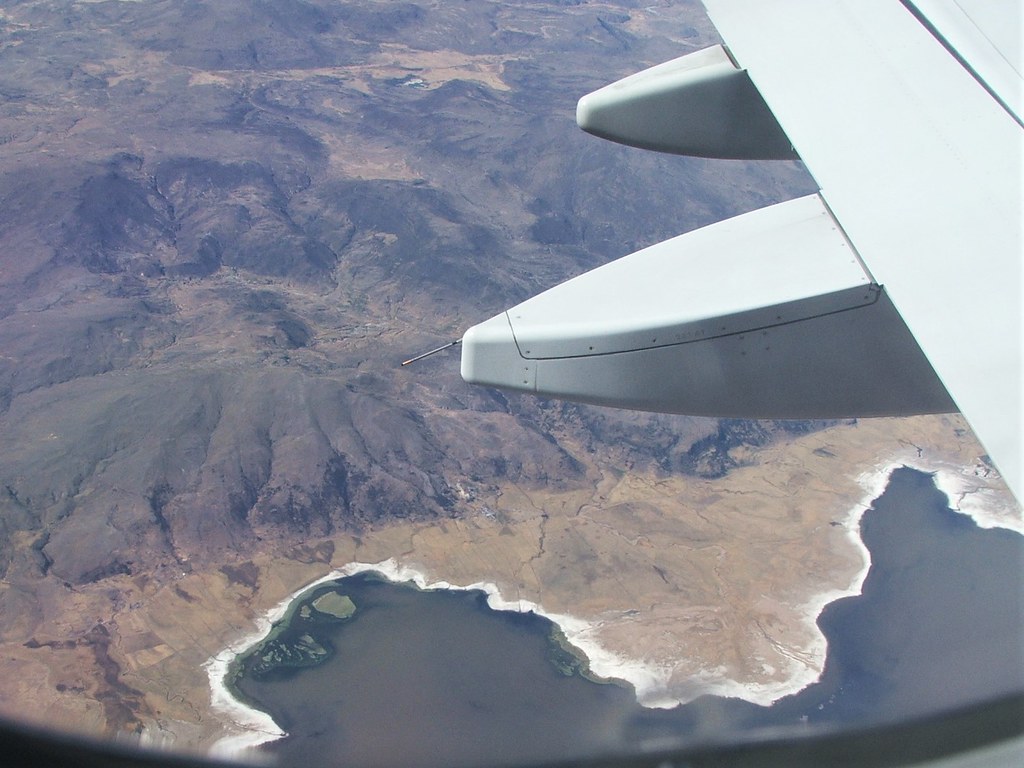
Approaching Sara Sara Volcano, trekkers are greeted by a commanding stratovolcano rising sharply above the arid Andean plateaus. The landscape is a dramatic contrast of barren volcanic slopes and distant agricultural valleys, punctuated by the shimmering Lake Parinacochas. The ascent immerses hikers in a realm shaped by ancient lava flows and glacial sculpting, evoking a profound sense of geological power. Reaching the summit ridge, the air thins and the vast panorama unfolds, revealing the rugged Andes and sacred sites that crown this mountain. The emotional impact of standing atop a volcano once revered by the Incas is unforgettable, blending natural grandeur with cultural mystique.
The Volcano Itself: Geological Background
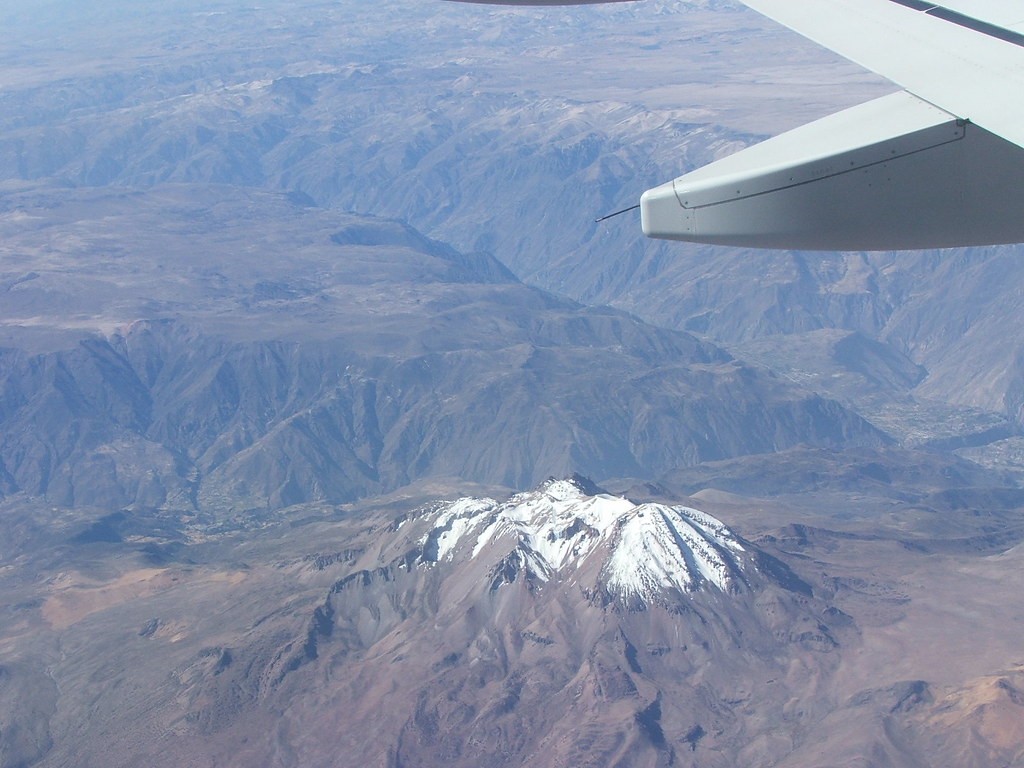
Sara Sara is a classic andesitic stratovolcano formed during the Pleistocene epoch through multiple eruptive stages. Its volcanic edifice features an oval outline composed of lava domes and extensive lava flows, some extending up to 10 kilometers eastward into the Río Ocoña valley. The volcano’s summit ridge aligns north-northwest to south-southeast and rises about 1,000 meters above the surrounding terrain. Glacial activity during the Last Glacial Maximum shaped cirques and moraines on its flanks, some of which remain visible today. The volcano’s last eruption occurred approximately 14,000 years ago, leaving behind thick ash deposits and block-and-ash flows from lava dome collapses. Sara Sara’s composition reflects typical arc magmatism from the subduction of the Nazca Plate beneath South America, producing andesitic lava rich in volcanic minerals. Though currently dormant, the volcano’s geological features tell a story of dynamic volcanic and glacial interplay.
The Volcano Trek: Terrain and Hiking Experience
Trekking Sara Sara presents a varied and engaging terrain that challenges hikers while rewarding them with spectacular volcanic landscapes. The trail typically begins near the town of Pausa, situated about 12 kilometers northeast of the volcano, where agriculture thrives in the valleys. From here, hikers ascend through arid highland plateaus marked by sparse vegetation and volcanic rock debris. The lower slopes feature hardened lava flows and ash deposits, creating a rugged footing that demands sturdy hiking boots and careful footing. As the trail climbs higher, trekkers encounter loose pumice and volcanic scree, which can be slippery and require steady balance and trekking poles for support.
The ascent includes sections of steep ash slopes that test endurance and acclimatization to altitude, as the summit reaches over 5,500 meters. Wind exposure increases near the summit ridge, where temperatures can drop sharply, and weather conditions can change rapidly. Glacial moraines and cirques on the upper flanks add to the diversity of terrain, with rocky outcrops and eroded volcanic features providing both challenge and visual interest. The trail’s moderate difficulty level means that while technical climbing gear is not necessary, a good level of fitness and high-altitude experience are essential.
Hikers should prepare for temperature fluctuations ranging from below freezing at night to mild daytime warmth. The volcanic terrain offers minimal shade, so sun protection is critical. The volcanic rock formations, ash layers, and remnants of lava domes create a surreal landscape that shifts from barren slopes to patches of snow and ice near the summit. The trail’s remoteness means that trekkers must be self-sufficient, carrying adequate water and supplies, as facilities are limited.
Overall, the hiking experience on Sara Sara is a blend of physical challenge and immersive geological exploration. The trail’s varied surfaces—from solidified lava to loose ash and glacial debris—require careful navigation but reward trekkers with intimate encounters with volcanic processes and Andean highland ecosystems.
What Makes This Volcano Trek Unique
Sara Sara stands out among Andean volcanoes due to its rich blend of geological complexity and cultural heritage. Unlike many volcanoes that are primarily natural landmarks, Sara Sara was a sacred mountain for the Inca civilization. The discovery of a 15-year-old Inca mummy, known as the ‘Dama del Sara Sara,’ on its summit underscores its spiritual significance. Archaeological sites such as the Inkapa Tianan and the Inca city of Ayroca on its flanks add a profound historical dimension to the trek.
Geologically, Sara Sara’s combination of lava domes, extensive lava flows, and glacial features creates a diverse volcanic landscape rarely seen in a single trek. The presence of well-preserved Pleistocene moraines alongside volcanic deposits offers a unique opportunity to witness the interplay between volcanism and glaciation. The volcano’s remote location in the high Andes ensures a pristine environment, free from heavy tourist traffic, allowing for an intimate and contemplative trekking experience.
The trek’s moderate difficulty combined with high altitude challenges attracts adventurers seeking both physical and cultural enrichment. The panoramic views from the summit ridge encompass arid plateaus, deep river valleys, and the shimmering waters of Lake Parinacochas, creating a dramatic backdrop that enhances the sense of accomplishment and connection to the Andean landscape.
The Summit and Crater Experience
Reaching the summit ridge of Sara Sara is a moment of profound awe and reflection. The crater itself is a complex of lava domes rather than a simple bowl, reflecting the volcano’s eruptive history. From the summit, hikers are rewarded with sweeping views of the surrounding Cordillera Ampato and the vast Andean highlands. The air is thin and crisp, carrying the faint scent of mineral-rich volcanic soils.
Though the volcano is dormant with no current fumarolic activity, the summit’s geological features tell a silent story of past eruptions and glacial sculpting. The heat from fumaroles is absent, but the rugged terrain and the presence of ancient lava flows evoke the raw power that shaped this mountain. The silence at the top is punctuated only by the wind and the distant calls of Andean wildlife.
The summit experience is heightened by the knowledge of the Inca rituals once performed here, connecting trekkers to centuries of human reverence for this sacred peak. The panoramic vistas include Lake Parinacochas to the west and the Río Ocoña valley to the east, framed by other towering Andean peaks. This vantage point offers a rare glimpse into the geological and cultural tapestry of southern Peru.
Best Time to Trek Sara Sara Volcano
The optimal trekking season for Sara Sara is during the dry months from May to September. During this period, the weather is generally stable with clear skies, making for safer and more enjoyable hiking conditions. Daytime temperatures range from mild to cool, while nights can be cold, often dropping below freezing at higher elevations.
The wet season, spanning from November to March, brings heavy rains and increased risk of slippery trails, landslides, and reduced visibility. Snowfall is possible at the summit during the colder months, which can complicate the ascent and increase hazards.
Trekking early in the morning is advisable to avoid afternoon winds and potential weather changes. Acclimatization is critical due to the high altitude; gradual ascent and rest days are recommended to minimize altitude sickness risks.
While Sara Sara is dormant with low volcanic hazard, trekkers should stay informed about any local advisories or weather warnings. The dry season also coincides with local agricultural cycles, offering opportunities to experience Andean rural life in the valleys below.
Trekking Routes and Trail Options
The primary access point for trekking Sara Sara is the town of Pausa, located approximately 12 kilometers northeast of the volcano. From Pausa, hikers typically follow a trail that ascends the southern flank, utilizing a disused road that reaches elevations up to 4,600 meters. This route offers a gradual approach through highland plateaus before entering steeper volcanic terrain.
The standard trek usually spans 2 to 3 days, allowing for acclimatization and exploration of archaeological sites such as Inkapa Tianan and the Inca city of Ayroca along the way. The trail traverses a mix of volcanic rock, ash slopes, and glacial moraines, culminating at the summit ridge.
Alternative routes are less documented due to the volcano’s remote location and limited tourism infrastructure. However, local guides can customize itineraries that incorporate cultural visits and natural landmarks.
Guided treks are recommended for safety, navigation, and cultural interpretation. SAM Travel Peru is a reputable local operator offering customized tours that include experienced guides, logistical support, and cultural insights. Self-guided trekking is possible but requires thorough preparation, high-altitude experience, and reliable navigation tools.
Trail conditions vary seasonally, with the dry season providing the most stable footing. The ascent involves an altitude gain of approximately 1,000 meters from the highest road access point, with total trekking distances ranging from 15 to 20 kilometers depending on the route chosen.
Difficulty Assessment
Sara Sara is classified as a moderate volcano trek, suitable for hikers with good physical fitness and some high-altitude experience. The terrain includes steep ash slopes, loose volcanic scree, and rocky lava flows that require sure-footedness and stamina. Altitude is a significant factor, with the summit reaching over 5,500 meters, necessitating acclimatization to prevent altitude sickness.
Technical climbing equipment is not required, as the route does not involve technical mountaineering or glacier travel. However, trekking poles, sturdy boots with good grip, and layered clothing are essential to manage the variable terrain and weather.
The trail’s remoteness and limited infrastructure mean that hikers must be self-reliant and prepared for changing conditions. Weather can be unpredictable, with strong winds and temperature fluctuations near the summit.
Overall, the trek is accessible to experienced hikers who are well-prepared for high-altitude conditions and capable of navigating rugged volcanic terrain.
Essential Volcano Trekking Gear
For trekking Sara Sara, essential gear includes sturdy hiking boots with excellent traction to handle loose volcanic ash and rocky terrain. Trekking poles are highly recommended to aid balance on steep and slippery slopes. Layered clothing is necessary to adapt to temperature changes, including a moisture-wicking base layer, insulating mid-layer, and windproof, waterproof outer shell.
Sun protection is critical due to high altitude and minimal shade; bring a wide-brimmed hat, UV-blocking sunglasses, and high-SPF sunscreen. A headlamp is useful for early morning starts or late finishes. Hydration systems such as water bottles or hydration packs are essential, as water sources are scarce on the trail.
Given the dormant status of Sara Sara, gas masks or respirators are not required, but a basic first aid kit, including altitude sickness medication, is advisable. A warm hat and gloves are necessary for summit conditions. Carrying a map, GPS device, or reliable navigation app is important due to limited trail markings.
Additional items include a sleeping bag rated for cold temperatures if camping, and sufficient food supplies, as there are no services on the volcano itself.
Safety and Volcanic Hazards
Sara Sara is currently dormant with no recent eruptive activity, resulting in low volcanic hazards. However, the high-altitude environment presents inherent risks such as altitude sickness, hypothermia, and sudden weather changes. Trekkers should acclimatize properly and monitor symptoms of altitude-related illnesses.
The terrain includes unstable volcanic ash slopes and loose scree, increasing the risk of slips and falls. Careful footing and use of trekking poles can mitigate these dangers. The summit ridge may be exposed to strong winds, requiring caution to avoid loss of balance near steep drop-offs.
Although no active fumaroles or gas emissions are present, hikers should remain aware of any official warnings or updates from local authorities or geological monitoring agencies. Emergency services are limited due to the volcano’s remote location, so self-sufficiency and preparedness are vital.
Weather can change rapidly, with potential for snow or freezing temperatures even during the dry season. Proper clothing and gear are essential for safety. It is advisable to trek with a guide familiar with the area and emergency protocols.
Permits, Guides, and Logistics
Sara Sara Volcano does not require formal permits for trekking, making access relatively straightforward compared to other Andean peaks. However, the volcano’s remote location and challenging terrain mean that hiring a local guide is strongly recommended for safety, navigation, and cultural interpretation.
SAM Travel Peru is a reputable local tour operator offering customized trekking packages to Sara Sara. Their services include experienced guides knowledgeable about the volcano’s geology and Inca heritage, logistical support such as transportation from Pausa, and assistance with accommodation arrangements. Engaging a guide enhances the trekking experience by providing insights into archaeological sites like Inkapa Tianan and the Inca city of Ayroca.
Logistically, the nearest town and base for the trek is Pausa, accessible by road from Ayacucho city. Travelers typically arrange transport from Ayacucho to Pausa, which takes several hours by bus or private vehicle. From Pausa, the trailhead is a short drive or hike away.
Accommodation options in Pausa are modest but sufficient for overnight stays before and after the trek. Trekkers should prepare for limited services on the volcano itself, carrying necessary food, water, and camping gear if planning to camp.
While no official park fees or entry permits are required, respecting local regulations and cultural sites is essential. Seasonal weather conditions and political situations in Peru can affect travel plans, so checking current advisories and coordinating with tour operators is advisable.
Overall, the logistics of trekking Sara Sara are manageable with proper planning and local support, offering an accessible yet authentic high-altitude volcano experience.
Where to Stay Near Sara Sara Volcano
The primary base for trekking Sara Sara is the town of Pausa, located approximately 12 kilometers northeast of the volcano. Pausa offers several accommodation options ranging from basic guesthouses to small hotels catering to travelers and local visitors. While facilities are modest, they provide essential amenities such as hot water, meals, and secure lodging.
Notable accommodations include Hostal Pausa, known for its clean rooms and friendly service, and Hotel Parinacochas, which offers comfortable stays with views of the surrounding highlands. These establishments serve as convenient staging points for early morning departures to the volcano’s trailhead.
For trekkers seeking a more immersive experience, local homestays are available in nearby villages, providing cultural exchange opportunities and traditional Andean hospitality. These homestays often include home-cooked meals and insights into local customs.
Camping on the volcano is possible but requires carrying all necessary gear and supplies, as there are no established campsites or facilities on the mountain. Trekkers should be prepared for cold nights and limited water sources at higher elevations.
The town of Pausa is accessible by road from Ayacucho, the regional capital, which offers a wider range of accommodations, restaurants, and travel services. Many trekkers choose to spend a night or two in Ayacucho for acclimatization and to arrange transport and guides.
Overall, accommodation near Sara Sara is functional and authentic, reflecting the remote Andean setting. Early booking is recommended during the dry season to ensure availability, especially for guided tours.