
Trekking Yucamane Volcano: Exploring Peru’s Dormant Stratovolcano with Crater Lake and Fumarolic Activity
Yucamane Volcano in southern Peru offers a moderate trek through dramatic volcanic landscapes featuring a crater lake and active fumaroles. This guide covers geology, terrain, routes, permits, safety, and accommodation near Tacna and Candarave.
Quick Volcano Snapshot
| Attribute | Value |
|---|---|
| Volcano type | Stratovolcano |
| Elevation | 5,580 meters |
| Location | Tacna Region, Peru |
| Activity status | Dormant |
| Trekking difficulty | Moderate |
| Typical trek duration | 2-3 days |
| Altitude gain | Approx. 1,200 meters |
| Terrain type | Lava flows, ash slopes, rocky volcanic terrain |
| Best season | May to October (dry season) |
| Temperature range | -5°C to 15°C |
| Permit requirement | Required; permits managed locally |
Introduction: The Experience of Hiking Yucamane Volcano
Approaching Yucamane Volcano, trekkers are greeted by a vast volcanic silhouette rising sharply above the Tacna highlands. The landscape is a striking contrast of barren lava flows and ash slopes against the backdrop of agricultural villages nestled on its flanks. The air is crisp and thin, carrying the faint sulfurous scent from fumaroles near the summit. Hiking here is a journey through geological time, where every step reveals layers of volcanic history. Reaching the crater lake, surrounded by steaming vents, offers a profound sense of standing at the edge of Earth’s fiery heart, a moment both humbling and exhilarating.
The Volcano Itself: Geological Background
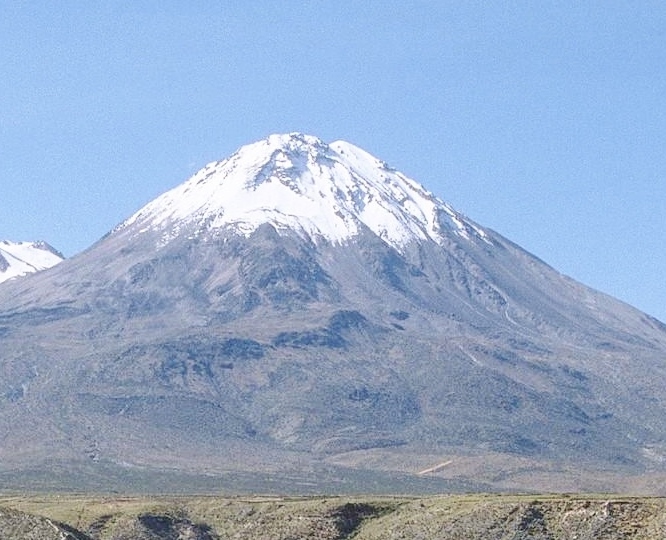
Yucamane is an andesitic stratovolcano located in the Tacna Region of southern Peru, part of the Central Volcanic Zone of the Andes. It formed through subduction of the Nazca Plate beneath the South American Plate, resulting in layered lava flows and pyroclastic deposits. The volcano features a well-preserved summit crater that hosts a crater lake and active fumarolic activity, indicating ongoing geothermal processes despite its dormant status. Its volcanic history includes explosive eruptions during the Holocene, with the last dated eruption around 1,320 BCE. The surrounding terrain showcases sulfur deposits and fumaroles, remnants of its dynamic volcanic past.
The Volcano Trek: Terrain and Hiking Experience
Trekking Yucamane offers a diverse and challenging terrain that demands both physical endurance and careful navigation. The ascent begins through agricultural foothills, gradually transitioning into volcanic slopes composed of hardened lava flows and loose pyroclastic ash. Hikers encounter steep ash slopes that require steady footing, as the fine volcanic ash can be slippery and unstable underfoot. Sections of the trail involve scrambling over jagged lava rocks, demanding sure-footedness and concentration. The volcanic terrain is rugged, with sharp rocks and uneven ground that test hiking boots and ankles alike. As altitude increases, the air thins, and trekkers may feel the effects of reduced oxygen, necessitating a measured pace and acclimatization. Near the summit, the landscape becomes stark and windswept, with exposure to strong alpine winds and sudden temperature drops. The crater rim offers panoramic views but requires caution due to loose scree and fumarolic vents emitting hot gases. Temperature fluctuations between day and night can be extreme, ranging from mild warmth during the day to freezing cold after sunset. Overall, the trek combines physical challenge with the raw beauty of volcanic geology, rewarding hikers with immersive encounters with fumaroles, sulfur deposits, and the serene crater lake. Preparation for variable terrain and weather is essential to safely enjoy this moderate yet demanding volcano hike.
What Makes This Volcano Trek Unique
Yucamane stands out for its rare combination of a crater lake nestled within a dormant stratovolcano and ongoing fumarolic activity that breathes life into an otherwise silent giant. Unlike many volcanoes where summit craters are dry or filled with hardened lava, Yucamane’s crater lake offers a striking visual contrast of water against volcanic rock. The presence of active fumaroles around the crater rim provides a sensory experience of heat, steam, and sulfurous aromas, connecting trekkers directly to the volcano’s geothermal energy. The surrounding highland villages and agricultural terraces add cultural depth to the journey, blending human history with natural forces. This trek offers a unique opportunity to witness volcanic processes in a relatively accessible setting, making it a compelling destination for geology enthusiasts and adventurous hikers alike.
The Summit and Crater Experience
Reaching Yucamane’s summit is a moment of awe and reflection. The crater rim reveals a steaming landscape where fumaroles hiss and sulfurous gases escape from vents, filling the air with a distinctive scent. The crater lake’s still waters mirror the sky, framed by rugged volcanic walls. The heat radiating from fumaroles contrasts with the cool mountain air, creating a dynamic environment alive with geological activity. From this vantage point, panoramic views stretch across the Tacna highlands and distant peaks, offering a profound sense of isolation and connection to Earth’s inner forces. The soundscape is punctuated by the subtle bubbling of gases and the whisper of alpine winds, heightening the sensory immersion. This summit experience is both humbling and invigorating, a rare chance to stand at the edge of a volcanic heart.
Best Time to Trek Yucamane Volcano
The optimal trekking season for Yucamane is during Peru’s dry months from May to October. During this period, the weather is more stable with reduced rainfall, clearer skies, and lower risk of trail erosion or landslides. Daytime temperatures are moderate, though nights can be cold, especially at higher elevations. Trekking outside this window increases the likelihood of encountering heavy rains, slippery trails, and limited visibility due to clouds or fog. Additionally, volcanic monitoring indicates no current restrictions, but hikers should stay informed about any sudden changes in fumarolic activity or local advisories. Early morning starts are recommended to avoid afternoon winds and to maximize daylight for summit exploration. Seasonal acclimatization is important to mitigate altitude sickness risks.
Trekking Routes and Trail Options
The primary route to Yucamane’s summit begins near the town of Candarave, located approximately 7 to 11 kilometers southwest of the volcano. From Candarave, hikers typically travel by vehicle to a trailhead on the northwestern flank, accessible via a road leading close to the mountain pass between Yucamane and the neighboring Calientes volcano. The trek from this point involves a steady ascent through volcanic terrain, covering an altitude gain of about 1,200 meters. The trail is moderately marked and can be completed in 2 to 3 days, allowing for acclimatization and exploration of fumarolic areas near the crater. Alternative routes exist but are less frequented and require local guidance due to limited signage and challenging terrain. Guided tours offered by local operators often include transportation from Tacna or Candarave, accommodation arrangements, and expert knowledge of the safest and most scenic paths. Self-guided trekking is possible for experienced hikers familiar with high-altitude volcanic environments, but hiring a guide is recommended for navigation and safety. The route offers opportunities to visit sulfur deposits and panoramic viewpoints, enriching the trekking experience with geological and cultural insights.
Difficulty Assessment
Yucamane Volcano presents a moderate trekking challenge suitable for hikers with good physical fitness and some high-altitude experience. The terrain includes steep ash slopes, rocky lava fields, and loose scree that require careful footing and balance. Altitude is a significant factor, with the summit reaching approximately 5,580 meters, demanding acclimatization to avoid altitude sickness. The trek does not require technical climbing skills but involves sustained uphill hiking and occasional scrambling. Weather conditions can add difficulty, with cold temperatures, wind exposure, and potential sudden changes. Overall, Yucamane is classified as a moderate volcano trek, ideal for adventurous hikers prepared for rugged volcanic landscapes and variable mountain weather.
Essential Volcano Trekking Gear
For trekking Yucamane, essential gear includes sturdy hiking boots with excellent grip to navigate rocky and loose volcanic terrain. Trekking poles are highly recommended to aid balance on steep ash slopes and scree. Layered clothing is necessary to adapt to temperature fluctuations, including a windproof and waterproof jacket. A warm hat and gloves protect against cold summit winds. Sun protection is critical due to high altitude exposure—sunglasses, sunscreen, and a wide-brimmed hat are advised. A headlamp is useful for early starts or late finishes. Carry sufficient water and a hydration system, as natural water sources near the summit are scarce. A gas mask or respirator is generally not required but may be considered for sensitive individuals due to fumarolic gases. A first aid kit, including altitude sickness medication, blister care, and basic supplies, is essential. Finally, a backpack with enough capacity for food, extra layers, and emergency equipment completes the gear list.
Safety and Volcanic Hazards
While Yucamane is currently dormant, active fumarolic activity near the summit poses specific hazards. Volcanic gases such as sulfur dioxide can be irritating to eyes and respiratory systems, so hikers should avoid prolonged exposure near vents. The crater rim features unstable edges and loose scree, increasing the risk of falls or rockslides. Weather conditions can change rapidly, with strong winds and cold temperatures at high altitude, requiring appropriate clothing and caution. Altitude sickness is a significant risk due to the summit’s elevation; gradual acclimatization and awareness of symptoms are crucial. Local authorities and monitoring agencies maintain surveillance of volcanic activity, and trekkers should heed any warnings or restrictions. Emergency communication may be limited, so traveling with a guide and carrying a satellite phone or other communication device is recommended for safety.
Permits, Guides, and Logistics
Trekking Yucamane requires obtaining permits from local authorities, as the volcano and its surroundings are part of the Vilacota-Maure protected area. Permits help regulate access and preserve the fragile volcanic environment. Visitors should arrange permits in advance through local government offices in Tacna or Candarave or via reputable tour operators. Several experienced operators specialize in Yucamane treks, including PachatusanTrek, Qorianka Travel & Experience, Conde Travel, Inkayni Peru Tours, and Sun Gate Tours. These companies provide comprehensive services such as permit acquisition, transportation from Tacna or Candarave, professional guides knowledgeable about the volcanic terrain and safety protocols, and logistical support including accommodation and meals. Permit costs vary but are generally affordable, reflecting local conservation efforts. Hiring a guide is strongly recommended due to the challenging terrain, altitude, and safety considerations. Guides also enrich the experience with geological insights and cultural context. Logistics typically involve travel from Tacna city, accessible by air and road, to Candarave, the main gateway town. From Candarave, vehicles transport trekkers to trailheads. Trekkers should plan for 2 to 3 days on the volcano, allowing time for acclimatization and exploration. Proper preparation, including physical conditioning and gear readiness, is essential for a safe and rewarding expedition.
Where to Stay Near Yucamane Volcano
The town of Candarave serves as the primary base for expeditions to Yucamane Volcano. Located approximately 7 to 11 kilometers southwest of the volcano, Candarave offers several accommodation options ranging from modest guesthouses to small hotels catering to trekkers and travelers. Popular lodging includes Hospedaje Candarave and Hotel Tacna, which provide basic amenities such as hot showers, comfortable beds, and local cuisine. These accommodations are within easy reach of transportation services to trailheads. For travelers seeking more amenities, the city of Tacna, about 90 kilometers south, offers a wider selection of hotels, restaurants, and services, including international transport links. Tacna is ideal for pre- or post-trek stays, providing opportunities for acclimatization and resupply. Some tour operators arrange lodging as part of their packages, ensuring seamless transitions between accommodations and trekking logistics. While the region lacks luxury resorts, the local hospitality and proximity to the volcano create a practical and authentic base for adventure travelers. Early booking is advised during peak trekking season to secure preferred accommodations.


