San Miguel Volcano Trekking Guide: Conquer El Salvador’s Most Active Stratovolcano
Explore the challenging and thrilling hike up San Miguel Volcano, El Salvador’s third highest and one of its most active volcanoes. This comprehensive guide covers geology, terrain, routes, safety, permits, and accommodation to prepare adventurers for an unforgettable volcanic ascent.
Quick Volcano Snapshot
| Attribute | Value |
|---|---|
| Volcano type | Stratovolcano |
| Elevation | 2,130 meters |
| Location | San Miguel Department, El Salvador |
| Activity status | Active |
| Trekking difficulty | Demanding |
| Typical trek duration | 5–7 hours |
| Altitude gain | 1,060 meters |
| Terrain type | Steep volcanic ash slopes, rocky and slippery terrain, coffee plantations, forest trails |
| Best season | Dry season (November to April) |
| Temperature range | 10°C to 25°C (varies with altitude) |
| Permit requirement | Restricted access; no official permits issued for recreational hiking |
The Experience of Hiking San Miguel Volcano
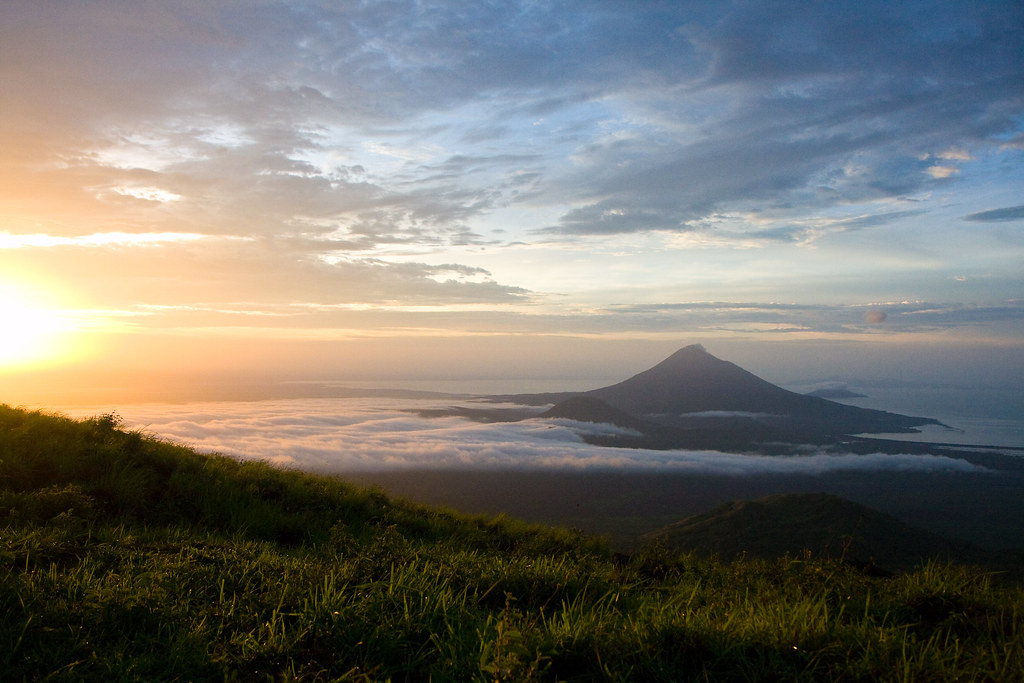
Approaching San Miguel Volcano, also known as Chaparrastique, is stepping into a realm of raw geological power. The towering stratovolcano rises sharply from the surrounding landscape, its symmetrical cone dominating the horizon. The hike is a test of endurance and spirit, traversing steep slopes of volcanic ash and rugged rock. As you ascend, the contrast between lush coffee plantations at the base and the barren, smoke-tinged summit becomes stark. Reaching the crater rim, the air thick with sulfurous fumes, offers a profound encounter with the Earth’s fiery heart. The panoramic views stretch across the San Miguel Department, revealing distant volcanoes, the Pacific coastline, and the vast Jiquilisco Bay mangroves. This trek is not just a climb; it is an immersion into the dynamic forces shaping Central America.

Geological Background of San Miguel Volcano
San Miguel Volcano is a classic stratovolcano formed by successive layers of hardened lava, tephra, and volcanic ash. Located in the tectonically active Central American Volcanic Arc, it owes its existence to the subduction of the Cocos Plate beneath the Caribbean Plate. This process generates magma that rises to the surface, fueling frequent eruptions. Over the past 320 years, San Miguel has erupted more than 30 times, with notable activity recorded as recently as 2016. Its summit features a broad crater approximately 800 meters in diameter, often emitting fumarolic gases and steam. The volcano’s morphology is shaped by explosive eruptions that deposit ash and pyroclastic material, creating steep slopes that challenge climbers. Sulfur deposits and fumaroles near the crater attest to its ongoing volcanic activity, making it one of El Salvador’s most closely monitored volcanoes.
Terrain and Hiking Experience on San Miguel Volcano
The trek up San Miguel Volcano is a demanding adventure that tests both physical fitness and mental resilience. Starting from the small town of Las Placitas, the trail initially winds through coffee plantations and farmland, offering a gentle introduction to the ascent. Soon, hikers enter dense forest trails where the path narrows and the terrain becomes more rugged. As elevation increases, the vegetation thins, replaced by volcanic ash and loose pumice that cover the steep slopes. The incline can reach angles of up to 45 degrees, requiring careful footing and frequent use of trekking poles for stability. The volcanic soil is often slippery, especially in shaded or damp areas, and hikers must navigate rocky outcrops and occasional scree fields. Wind conditions near the summit can be intense, with gusts up to 40 km/h, adding to the challenge. Temperature varies significantly, dropping as you climb higher, so layered clothing is essential. The trail is largely unmarked and lacks official signage, making a knowledgeable local guide indispensable for safe navigation. Despite these challenges, the route rewards trekkers with spectacular views of the crater’s double rim and the surrounding volcanic landscape. The hike typically takes between 5 to 7 hours round trip, covering approximately 9.7 kilometers with an elevation gain of 1,060 meters. Due to the volcano’s active status and unpredictable behavior, hikers must remain vigilant for sudden changes in volcanic activity or weather conditions. Overall, the terrain demands a high level of endurance, surefootedness, and respect for the mountain’s volatile nature.

What Makes the San Miguel Volcano Trek Unique
San Miguel Volcano stands out for its intense volcanic activity and the dramatic double crater rim at its summit. Unlike many dormant volcanoes, it frequently emits fumarolic gases and has a history of recent eruptions, creating a dynamic and ever-changing landscape. The trek offers a rare opportunity to witness an active stratovolcano’s raw power up close. The contrast between the lush coffee plantations at the base and the barren, sulfur-streaked summit is striking. The panoramic views from the top encompass multiple volcanic peaks, the Pacific Ocean, and extensive mangrove forests, providing a diverse visual feast. The volcano’s steep slopes and challenging terrain attract only experienced hikers seeking a demanding adventure. Its relative remoteness and lack of crowds add to the sense of wilderness and exclusivity. The cultural backdrop of the San Miguel Department, with its vibrant local communities and rich history, further enriches the trekking experience.
The Summit and Crater Experience
Reaching the summit of San Miguel Volcano is a moment of profound awe and exhilaration. The crater, approximately 800 meters wide, reveals a rugged landscape marked by fumaroles emitting sulfurous steam and occasional ash plumes. The air carries a distinct smell of sulfur, and the ground beneath your feet is warm in places, a reminder of the volcano’s restless energy. From the rim, panoramic views stretch in all directions: to the west, the San Vicente Volcano rises; to the northeast, the Cacahuatique mountain range unfolds; and beyond, the Pacific Ocean glimmers on the horizon. The crater’s double rim formation adds geological intrigue, showcasing layers of past eruptions. The summit is often windy and cool, contrasting with the heat emanating from fumaroles. The silence is punctuated by the subtle hiss of escaping gases, creating a sensory experience that connects hikers intimately with the Earth’s inner forces.

Best Time to Trek San Miguel Volcano
The optimal time to hike San Miguel Volcano is during the dry season, from November to April, when weather conditions are most stable and trails are less slippery. The dry season offers clearer skies, enhancing visibility and the quality of summit views. Avoid the rainy season (May to October), as heavy rains increase the risk of landslides and make the steep volcanic ash slopes dangerously slick. Volcanic activity is monitored year-round, but sudden gas emissions or ash eruptions can occur without warning, so it is essential to check with local authorities or tour operators before planning your trek. Early morning starts are recommended to avoid afternoon heat and to allow ample daylight for the ascent and descent. Climbers should also be aware of seasonal wind patterns, which can intensify near the summit, especially during cold fronts in the dry season.
Routes and Trail Options for San Miguel Volcano
The primary and most recognized route to San Miguel Volcano’s summit begins at Las Placitas, a small town located near the volcano’s base. This out-and-back trail covers approximately 9.7 kilometers with an elevation gain of about 1,060 meters. The trailhead is accessible by vehicle from the city of San Miguel, though transport arrangements must be planned in advance due to limited public transit options. The route initially passes through farmland and coffee plantations before entering forested areas and then transitioning to volcanic ash and rocky terrain. There are no official alternative trails due to the volcano’s active status and lack of formal infrastructure. Guided tours typically follow this single path for safety and logistical reasons. The trail is unmarked and can be difficult to navigate without a guide, especially near the summit where volcanic debris and fumarolic activity create unstable conditions. Some local operators offer private tours starting from Chinameca, which is slightly south of Las Placitas, but these also connect to the main ascent route. Due to the volcano’s volatility, spontaneous route changes may be necessary based on current volcanic activity or weather conditions. Self-guided hikes are strongly discouraged. Overall, the Las Placitas route remains the only viable and recognized option for those seeking to summit San Miguel Volcano.
Difficulty Assessment of the San Miguel Volcano Trek
San Miguel Volcano presents a demanding challenge suitable only for experienced and physically fit hikers. The steep slopes, loose volcanic ash, and rocky terrain require surefootedness and stamina. The trail’s incline can reach up to 45 degrees, and the altitude gain of over 1,000 meters in a relatively short distance intensifies the physical exertion. The lack of official trail markings and the presence of fumarolic gases add technical and safety complexities. Climbers must be prepared for rapid weather changes, strong winds, and temperature fluctuations. This trek is classified as a demanding volcano ascent, not suitable for beginners or casual hikers. Adequate preparation, including acclimatization, proper gear, and a knowledgeable guide, is essential to mitigate risks. The active status of the volcano further elevates the difficulty, as sudden volcanic activity can necessitate immediate evacuation.
Essential Gear for Trekking San Miguel Volcano
Proper gear is critical for a safe and successful ascent of San Miguel Volcano. Recommended items include sturdy hiking boots with excellent grip to handle slippery volcanic ash and rocky terrain. Trekking poles provide stability on steep slopes and loose scree. Layered moisture-wicking clothing helps manage temperature changes from warm lowlands to cooler summit conditions. A windproof and waterproof jacket is essential to protect against strong gusts and sudden weather shifts. Sun protection, including a wide-brimmed hat, sunglasses, and high-SPF sunscreen, is necessary due to the lack of shade. Carry ample water and high-energy snacks to maintain hydration and stamina. A headlamp is useful for early morning starts or late returns. Due to fumarolic gases, some hikers may consider a lightweight respirator or gas mask, although this is not commonly required. A first aid kit, map, and GPS device enhance safety. Finally, a camera or smartphone is recommended to capture the spectacular volcanic landscapes.
Safety and Volcanic Hazards on San Miguel Volcano
San Miguel Volcano is one of El Salvador’s most active volcanoes, posing significant safety risks to hikers. Volcanic hazards include sudden gas emissions, ash eruptions, and minor explosions that can occur without warning. Fumarolic gases, primarily sulfur dioxide, can irritate eyes and respiratory systems. The steep crater edges are unstable, with loose rocks and scree increasing the risk of falls. Falling volcanic debris and landslides are possible, especially after heavy rains or seismic activity. The volcano is monitored by the Salvadoran government, but real-time alerts may not always be accessible to visitors. Weather conditions can change rapidly, with strong winds and cold fronts making the exposed summit area hazardous. Due to these risks, the government officially restricts recreational climbing, and no authorized trails or safety infrastructure exist. Hikers attempting the ascent do so at their own risk and should always hire experienced local guides. Emergency evacuation plans are limited, and communication can be challenging in remote areas. Respecting official warnings and avoiding the volcano during periods of increased activity is crucial for safety.
Permits, Guides, and Logistics for San Miguel Volcano Trek
Access to San Miguel Volcano is officially restricted due to its active status and inherent dangers. There are no formal permits issued for recreational hiking, and the government discourages unauthorized ascents. Despite this, several local tour operators organize guided hikes, providing essential expertise and logistical support to mitigate risks. Notable companies include El Salvador Positive Tours, El Salvador Nature Tours, Viator, and Peek Adventure Tours. These operators arrange transportation from San Miguel city or San Salvador, provide experienced local guides familiar with the terrain and volcanic behavior, and often include meals and safety equipment. Tours typically start early in the morning to maximize daylight and favorable weather conditions. Due to the volcano’s volatile nature, guides continuously monitor activity reports and may alter or cancel hikes for safety. Costs for guided tours vary but generally range from $70 to $120 USD per person, including transport, guide services, and lunch. Independent hiking is strongly discouraged due to the lack of marked trails, safety infrastructure, and emergency services. Visitors should book tours well in advance, especially during the dry season when demand peaks. Communication with tour operators is essential to receive up-to-date information on volcanic activity and trail conditions. Overall, engaging a reputable guide is the safest and most practical way to experience San Miguel Volcano.
Where to Stay Near San Miguel Volcano
The city of San Miguel, located approximately 11 kilometers from the volcano’s base, serves as the primary accommodation hub for visitors. San Miguel offers a range of lodging options catering to different budgets and preferences. Tropico Inn is a popular choice, featuring 99 comfortable rooms, a restaurant, bar, and panoramic city views from its rooftop terrace. It also provides secure parking and 24/7 security, making it a convenient base for travelers. For those seeking a more homely atmosphere, Casa Azul in the gated neighborhood of Nueva San Miguel offers family-friendly accommodations with easy access to local amenities such as restaurants, malls, and supermarkets. Budget travelers can find affordable hostels and guesthouses scattered throughout the city center, close to markets and cultural attractions. Many hotels and inns provide shuttle services or can assist in arranging transportation to the volcano trailhead at Las Placitas. While there are no lodges or campsites directly on the volcano, the proximity of San Miguel city ensures that hikers can rest comfortably before and after their trek. It is advisable to book accommodations in advance, especially during the San Miguel Carnaval in November, when the city experiences a surge in visitors. Overall, San Miguel’s hospitality infrastructure supports a convenient and enjoyable stay for volcano trekkers.