Hiking Huallca Huallca Volcano: A Complete Trekking Guide to Peru’s Dormant Stratovolcano
Huallca Huallca is a dormant stratovolcano in the Arequipa region of Peru, offering moderate trekking challenges with scenic views of surrounding peaks and rich cultural history. This guide covers geological background, trekking terrain, routes, permits, accommodations, and safety tips for an unforgettable volcano hiking experience.
Quick Volcano Snapshot
| Attribute | Value |
|---|---|
| Volcano type | Stratovolcano |
| Elevation | 6,025 m |
| Location | Arequipa, Peru |
| Activity status | Dormant |
| Trekking difficulty | Moderate |
| Typical trek duration | 2-4 days |
| Altitude gain | Approximately 1,660 m |
| Terrain type | Volcanic steppe, rocky slopes, snow-capped summit |
| Best season | April to November |
| Temperature range | -10°C to 15°C |
| Permit requirement | No formal permit required, guided tours recommended |
The Experience of Hiking Huallca Huallca Volcano
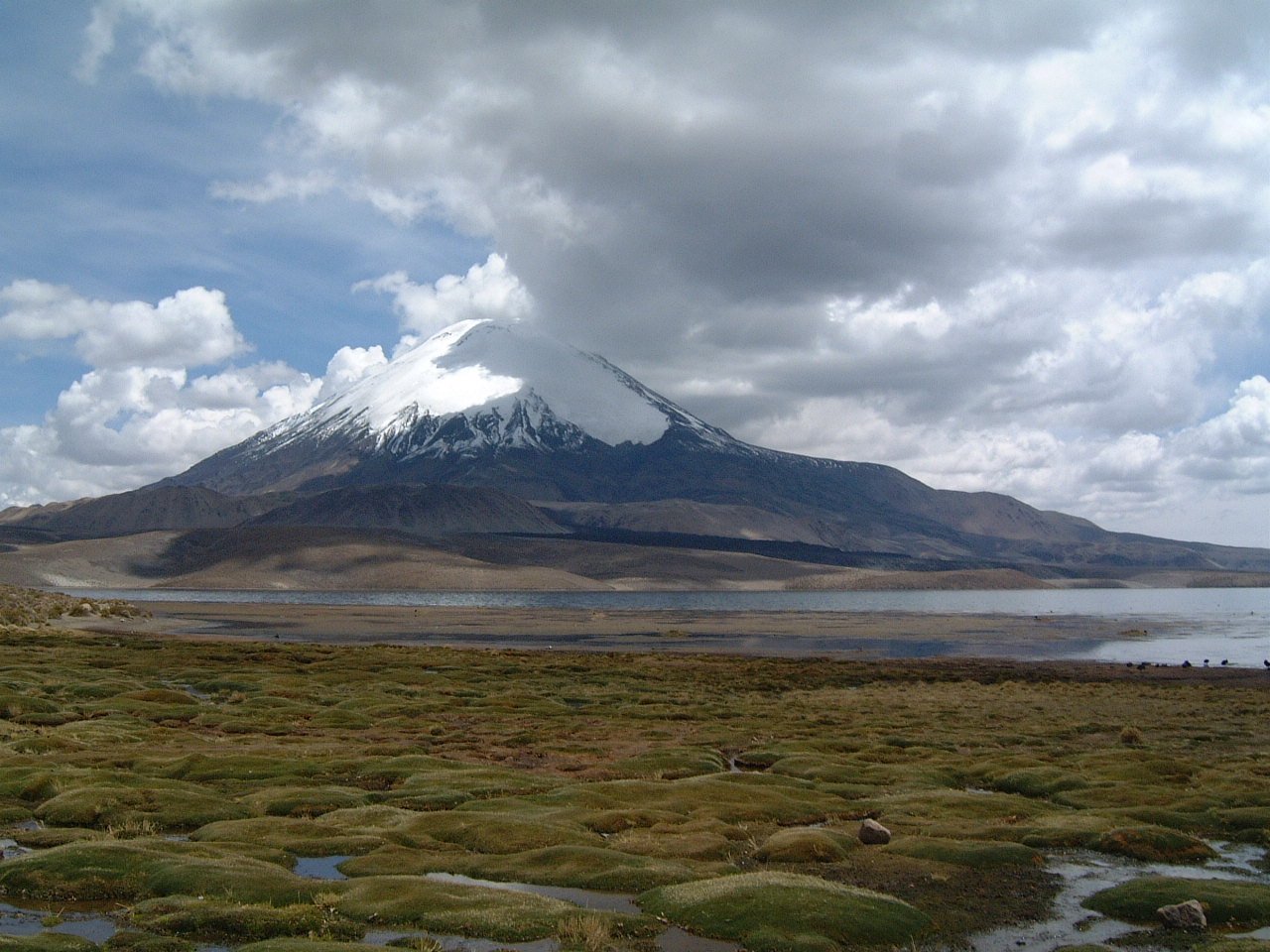
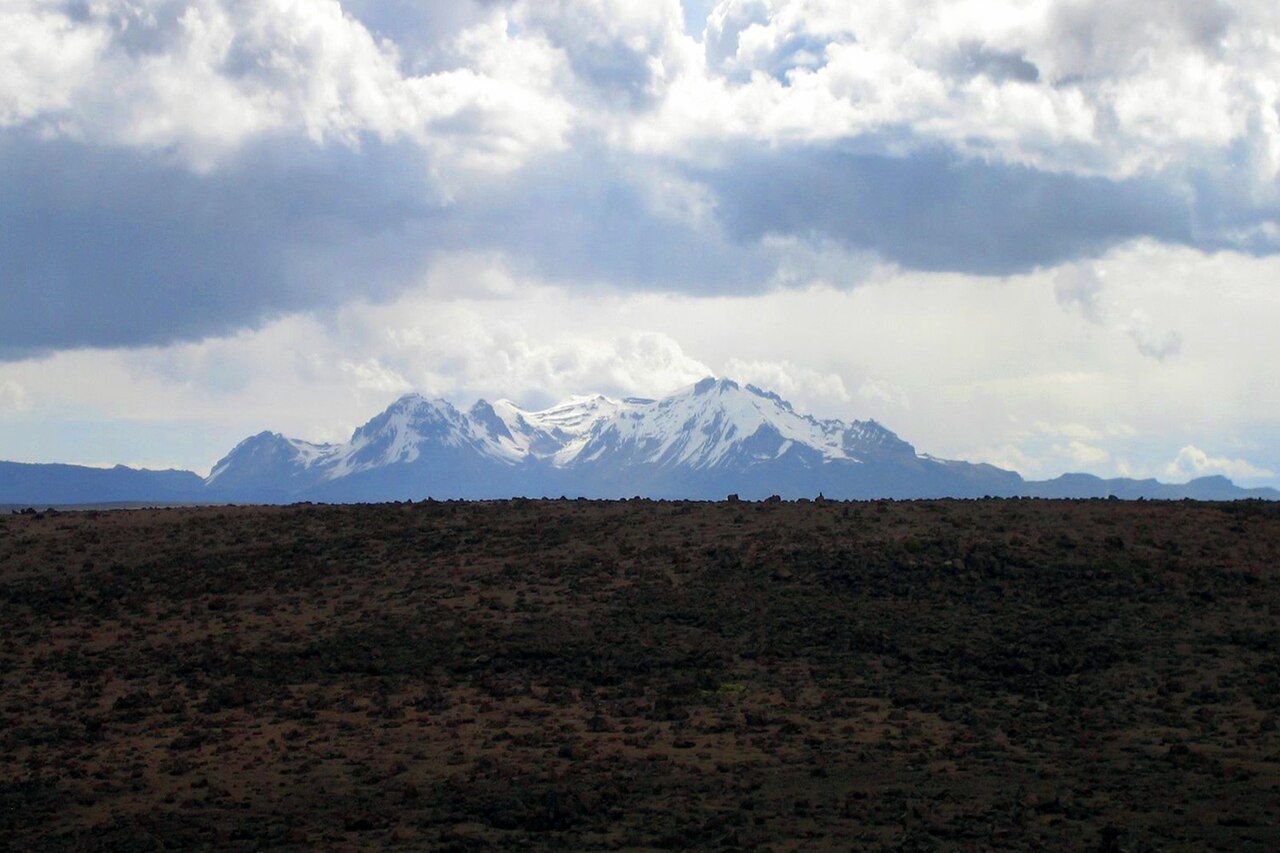
Approaching Huallca Huallca, hikers are greeted by a majestic snow-capped peak rising above the rugged Andean landscape. The trek offers a dramatic contrast between the barren volcanic slopes and the lush valleys below. As you ascend, the air thins and the silence deepens, broken only by the crunch of volcanic rock underfoot and the distant calls of Andean wildlife. Reaching the summit reveals panoramic views of neighboring volcanoes and the Colca Valley, evoking a profound sense of connection to the earth’s ancient forces.
Geological Background of Huallca Huallca
Huallca Huallca is a heavily eroded stratovolcano located in the southern Peruvian Andes, part of the Central Volcanic Zone. Standing at 6,025 meters, it features a large amphitheatre-like collapse scar on its northern flank formed by a massive landslide during the Pleistocene epoch. This event removed a significant volume of the volcano’s edifice, after which renewed volcanic activity built new lava domes and flows within the scar. The volcano’s summit is covered by glaciers, and its slopes bear moraines from past glacial advances. Though currently dormant, Huallca Huallca’s geological history is intertwined with nearby active volcanoes like Sabancaya, whose magma chambers lie beneath it. The volcano’s terrain includes lava flows, volcanic ash deposits, and fumarolic activity in surrounding areas, illustrating its dynamic volcanic past.

Terrain and Hiking Experience on Huallca Huallca
Trekking Huallca Huallca is a rewarding adventure that challenges hikers with varied terrain and high-altitude conditions. The ascent typically begins near the village of Pinchollo, where a 4×4 vehicle transports trekkers to the Infiernillo geyser area, the trailhead for the climb. From here, the route traverses volcanic steppe characterized by loose volcanic ash, rocky outcrops, and sparse vegetation. Early sections involve hiking over stream beds and moderate slopes, gradually ascending to high plateaus around 4,600 meters. These plateaus provide some shelter from the wind and are ideal for setting up base camps. The terrain becomes steeper and rockier as hikers approach the summit, requiring careful footing on loose scree and volcanic rocks. The final ascent often starts before dawn to avoid afternoon weather changes, with temperatures dropping below freezing and strong winds common near the summit. Altitude sickness is a risk due to the rapid elevation gain to over 6,000 meters, so proper acclimatization and pacing are essential. The trail offers spectacular views of surrounding peaks, glaciers, and volcanic formations, with opportunities to spot local wildlife such as llamas and viscachas. The descent follows the same route, allowing trekkers to experience the dramatic landscape from a different perspective. Overall, the hike demands moderate fitness and some experience with high-altitude trekking but does not require technical climbing skills, making it accessible to adventurous hikers prepared for the conditions.
What Makes the Huallca Huallca Trek Unique
Huallca Huallca stands out for its combination of geological grandeur and cultural significance. Unlike many active volcanoes, its dormant status allows for a peaceful trekking experience amidst dramatic volcanic landscapes. The wide amphitheatre collapse scar and the presence of glaciers create a striking visual contrast. Trekkers can enjoy sweeping views of neighboring volcanoes such as Ampato and Sabancaya, the latter being active and occasionally emitting ash plumes. The trek also offers a glimpse into Andean culture, with nearby villages like Cabanaconde and Pinchollo historically venerating the mountain as a source of water and spiritual significance. The route passes through volcanic steppe and high-altitude plateaus rarely visited by tourists, providing a sense of remoteness and authenticity. The presence of hot springs and geysers near the trailhead adds a geothermal dimension to the experience. This trek combines natural beauty, geological intrigue, and cultural heritage, making it a distinctive adventure in Peru’s volcanic landscape.

Summit and Crater Experience on Huallca Huallca
Reaching the summit of Huallca Huallca is a moment of awe and accomplishment. At 6,025 meters, the peak offers panoramic views of the surrounding Andes, including the Colca Valley and neighboring volcanoes. The summit area is marked by snow and ice, with remnants of volcanic rock and moraines. Although the main crater is not clearly visible due to erosion and glacial cover, the vast amphitheatre collapse scar to the north is a dramatic reminder of the volcano’s powerful past. The air is thin and cold, and the silence is profound, broken only by the wind. Hikers often experience a sense of solitude and connection to the ancient geological forces that shaped this landscape. The smell of cold mountain air and the sight of distant volcanic peaks create a sensory experience that lingers long after the descent.
Best Time to Trek Huallca Huallca
The optimal trekking season for Huallca Huallca is during the dry months from April to November. During this period, the weather is more stable with less precipitation, reducing the risk of slippery trails and avalanches. Daytime temperatures can be mild, but nights are cold, especially at higher elevations. The rainy season, typically from December to March, brings heavy rains and increased cloud cover, which can obscure views and make trekking hazardous. Early morning starts are recommended to avoid afternoon winds and potential weather changes. Trekkers should also consider acclimatization time to adjust to the high altitude and reduce the risk of altitude sickness. Monitoring local weather forecasts and volcanic activity reports is advisable before and during the trek.
Routes and Trail Options for Huallca Huallca Trek
The primary route to Huallca Huallca’s summit begins in the village of Pinchollo, located in the Colca Valley. From Pinchollo, trekkers typically take a 4×4 vehicle to the Infiernillo geyser area, which serves as the trailhead. The trek is commonly spread over two to four days, allowing for acclimatization and a comfortable pace. On the first day, hikers ascend through volcanic steppe and rocky slopes to reach a high camp on a plateau around 4,600 meters. This camp provides shelter from the wind and a base for the summit attempt. The summit push usually starts very early, around 1:30 a.m., to take advantage of firmer snow and stable weather conditions. The ascent involves steep slopes and loose volcanic scree, requiring careful footing but no technical climbing equipment for experienced trekkers. After reaching the summit, the descent follows the same route back to Infiernillo and then to Pinchollo. Alternative routes may include variations in approach or extended treks incorporating nearby volcanic peaks or cultural sites. Guided tours often provide logistical support, including porters and mules to carry equipment, making the trek accessible to a wider range of hikers. Self-guided options exist but require thorough preparation and knowledge of the terrain.
Difficulty Assessment of Huallca Huallca Trek
Huallca Huallca is classified as a moderate volcano trek. The main challenges include high altitude, with the summit reaching over 6,000 meters, and varied terrain ranging from volcanic ash and scree to rocky slopes and snow-covered sections. While the route does not require technical climbing skills, trekkers should be physically fit and prepared for strenuous hiking at altitude. Altitude sickness is a significant risk, so proper acclimatization and pacing are essential. Weather conditions can be harsh, with cold temperatures and strong winds near the summit. The trail is not highly developed, and hikers should be comfortable with remote mountain environments. Overall, the trek suits experienced hikers with some high-altitude trekking background seeking a rewarding but accessible Andean volcano climb.
Essential Gear for Trekking Huallca Huallca
Key gear for Huallca Huallca includes sturdy hiking boots with good ankle support and grip for rocky and loose terrain. Trekking poles are highly recommended to aid balance and reduce strain on knees during steep ascents and descents. Warm, layered clothing is essential to adapt to temperature fluctuations, including a windproof and waterproof jacket. A headlamp is necessary for early summit starts in darkness. Due to volcanic ash and potential dust, a face mask or buff can be useful. Sun protection is critical at high altitude, so bring sunglasses with UV protection, sunscreen, and a wide-brimmed hat. Hydration systems or water bottles with at least 3 liters capacity are important, as water sources are limited. A sleeping bag rated for sub-zero temperatures is required for camping at high altitude. Basic first aid supplies, including altitude sickness medication, blister treatment, and personal medications, should be carried. Finally, a backpack with sufficient capacity for personal gear and provisions is needed, and arranging for porters or mules to carry heavy equipment is common.
Safety and Volcanic Hazards on Huallca Huallca
Although Huallca Huallca is classified as dormant, safety precautions are essential when trekking in volcanic terrain. The risk of sudden volcanic activity is low but not zero, especially given the proximity to the active Sabancaya volcano. Hikers should stay informed about current volcanic activity through Peru’s volcano monitoring services. The terrain includes unstable scree slopes and loose volcanic rocks, increasing the risk of falls and injuries. Crater edges and ridges can be exposed and windy, requiring caution. Altitude sickness is a major concern due to rapid elevation gain; symptoms include headache, nausea, dizziness, and fatigue. Proper acclimatization and readiness to descend if symptoms worsen are critical. Weather can change rapidly, with cold temperatures, snow, and strong winds near the summit. Carrying appropriate gear and emergency supplies is vital. Guides experienced in the area improve safety by navigating terrain and monitoring conditions. Emergency communication options are limited, so informing local authorities or guides of plans is recommended.
Permits, Guides, and Logistics for Huallca Huallca Trek
Huallca Huallca does not require formal government permits for trekking, making access relatively straightforward compared to other Peruvian treks. However, hiring a certified local guide is highly recommended for safety, navigation, and cultural insight. Several reputable tour operators offer guided treks to Huallca Huallca, including Huillca Expedition, Peru Adventure Tours, Andean Peaks, and Alpaca Expeditions. These companies provide comprehensive services such as transportation from Arequipa, camping equipment, porters or mules for carrying gear, meals, and experienced mountain guides. The typical itinerary spans two to four days, starting with a transfer from Arequipa to the village of Pinchollo, followed by a 4×4 ride to the Infiernillo geyser trailhead. From there, the trek ascends to base camp and then to the summit. Costs vary depending on group size and services but generally range from $900 to $1,700 USD for private guided tours. Booking in advance is advised, especially during the dry season from April to November. Trekkers should arrange travel insurance covering high-altitude trekking and emergency evacuation. Logistics include carrying sufficient water (at least 3 liters per day), warm clothing, and personal supplies. Local accommodations in Pinchollo and Cabanaconde offer basic lodging options for pre- or post-trek stays. Overall, guided tours provide the safest and most comfortable way to experience Huallca Huallca.
Where to Stay and Nearby Bases for Huallca Huallca Trek
The main gateway towns for Huallca Huallca treks are Pinchollo and Cabanaconde, both located in the Colca Valley region of Arequipa. Pinchollo is a small village close to the trailhead, offering basic guesthouses and homestays where trekkers can rest before or after the climb. Accommodations here typically provide essential amenities such as hot water, meals, and comfortable beds, with options like Pachamamahome Hostel in Cabanaconde known for its warm hospitality and scenic terrace. Cabanaconde, a larger town about 30 minutes from Pinchollo, offers a wider range of lodging including hostels, small hotels, and eco-lodges. Facilities often include private rooms, Wi-Fi, and communal dining areas. Both towns serve as excellent acclimatization bases due to their elevation around 3,300 to 3,600 meters. For those seeking more comfort, Arequipa city, approximately 5 hours away by road, provides luxury hotels and full services, ideal for pre- or post-trek stays. Transportation between Arequipa and the Colca Valley is available via private transfers, tourist buses, or shared vans. Camping is common on the trek itself, with base camps set up on high plateaus offering shelter from wind and stunning views. Some guided tours provide high-quality tents, sleeping mats, and meals, ensuring a comfortable overnight experience in the mountains. Overall, accommodations near Huallca Huallca balance rustic charm with necessary comforts, supporting a successful volcano trekking adventure.