Climbing El Misti Volcano: The Ultimate Trekking Guide to Peru’s Iconic Stratovolcano
El Misti Volcano, towering over Arequipa, Peru, is a demanding yet accessible stratovolcano trek offering breathtaking volcanic landscapes, high-altitude challenges, and rich cultural history. This guide covers routes, gear, safety, permits, accommodations, and expert tips for conquering this majestic peak.
Quick Volcano Snapshot
| Attribute | Value |
|---|---|
| Volcano type | Stratovolcano |
| Elevation | 5,822 m |
| Location | Arequipa, Peru |
| Activity status | Active |
| Trekking difficulty | Demanding |
| Typical trek duration | 2 days (recommended); 1 day for ultra-fit climbers |
| Altitude gain | Approximately 3,500 m from trailhead |
| Terrain type | Volcanic ash slopes, loose scree, rocky terrain |
| Best season | May to October (dry season) |
| Temperature range | 15°C at base to -10°C or lower at summit |
| Permit requirement | Mandatory guided climb with permits |
Introduction: The Experience of Hiking El Misti Volcano
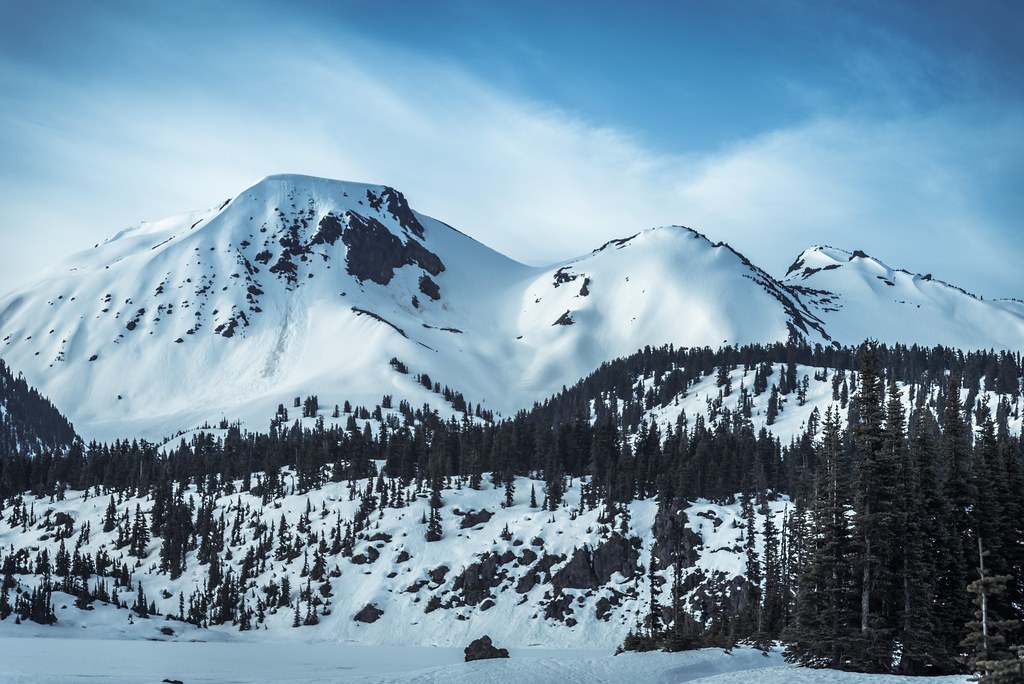
Approaching El Misti, the imposing snow-capped stratovolcano dominates the Arequipa skyline with its perfect conical silhouette. The trek immerses hikers in a dramatic volcanic landscape where barren ash slopes contrast sharply with the vibrant city below. As you ascend, the air thins and the terrain shifts from rocky foothills to loose volcanic scree, testing endurance and resolve. Reaching the crater rim, the panorama unfolds with views of neighboring volcanoes and the vast Andean plateau. The raw power of this active volcano is palpable, with faint fumaroles whispering ancient geological stories. The emotional rush of standing atop El Misti, gazing over the White City and beyond, is a profound encounter with nature’s grandeur and Peru’s volcanic heritage.
The Volcano Itself: Geological Background
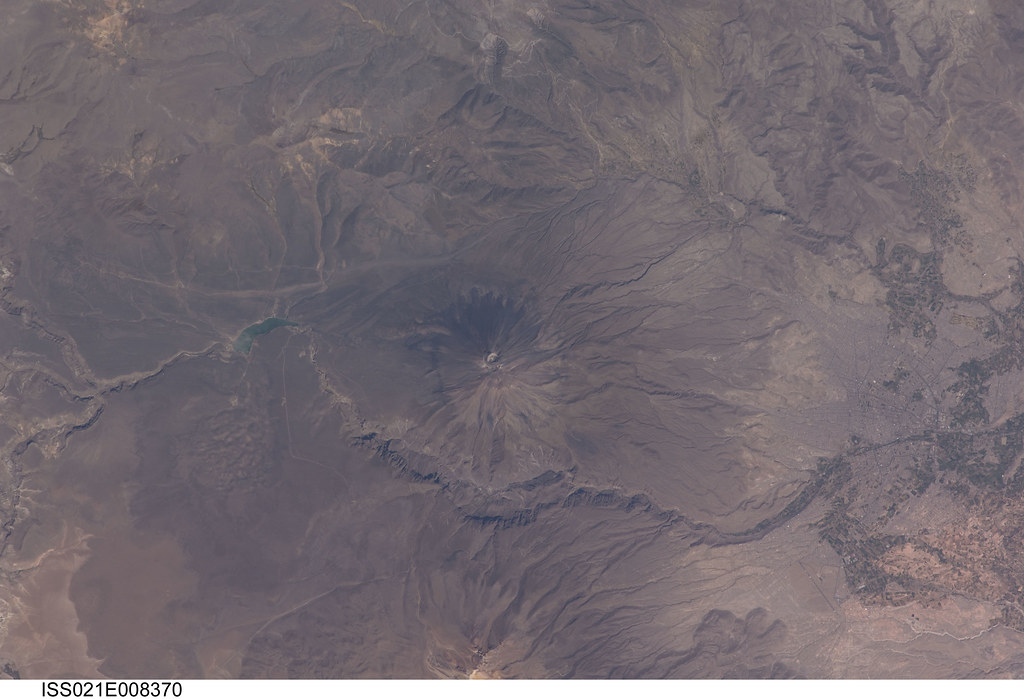
El Misti is a stratovolcano formed by successive layers of lava flows, ash, and pyroclastic deposits, creating its iconic symmetrical cone rising to 5,822 meters. It is part of the Central Volcanic Zone of the Andes and last erupted in 1985, maintaining its status as an active volcano. The summit features three circular craters, with the innermost still emitting fumarolic gases, evidence of ongoing subterranean activity. The volcano’s geology reveals a complex history of explosive eruptions and lava effusions, shaping the surrounding landscape. Notably, Incan mummies discovered near the crater attest to the volcano’s cultural significance and ancient ritual practices. Volcanic minerals and sulfur deposits are common near fumaroles, while the upper slopes occasionally retain snow during winter months, a remnant of a once permanent ice cap diminished by climate change.
The Volcano Trek: Terrain and Hiking Experience
Trekking El Misti is a physically demanding adventure that challenges even experienced hikers. The ascent begins at approximately 3,400 meters, with routes traversing volcanic ash slopes, loose scree, and rocky outcrops. The terrain is characterized by fine volcanic sand that can be slippery, requiring careful footing and often the use of trekking poles for stability. As elevation increases, the air becomes thinner, intensifying the effort needed to maintain pace. Hikers encounter steep gradients, especially near the summit, where the trail narrows along exposed ridges with loose volcanic debris. Temperatures can vary dramatically, from warm sunlit base camps to freezing conditions near the crater rim, necessitating layered clothing. Wind gusts are common at higher altitudes, adding to the challenge. The trail’s volcanic nature means hikers must be prepared for unstable footing and sudden changes in weather. Despite these challenges, the trek rewards climbers with spectacular views of the surrounding volcanic landscape, including neighboring peaks like Chachani and Pichu Pichu. The experience combines physical endurance with the thrill of navigating a dynamic geological environment shaped by fire and ice.

What Makes This Volcano Trek Unique
El Misti stands out for its near-perfect conical shape and proximity to the vibrant city of Arequipa, offering a rare blend of urban accessibility and high-altitude adventure. Its active status, with fumarolic activity visible at the summit, provides a tangible connection to Earth’s inner forces. The discovery of Incan mummies near the crater adds a profound cultural and historical dimension, linking the trek to ancient Andean rituals. The volcano’s panoramic summit views encompass other majestic peaks and, on clear days, the distant Pacific Ocean. The trek’s demanding terrain, combined with the dramatic volcanic landscape and cultural heritage, creates a unique experience that is both physically challenging and deeply enriching.
The Summit and Crater Experience
Reaching El Misti’s summit is a moment of awe and exhilaration. The crater rim reveals three circular depressions, with the innermost still venting sulfurous gases that carry a faint, pungent aroma. The ground near fumaroles is warm, a stark contrast to the cold, thin air at nearly 6,000 meters. The silence is punctuated by the subtle hiss of escaping gases and the crunch of volcanic rock underfoot. From this vantage point, climbers witness sweeping panoramas of the Andean volcanic belt, the sprawling city of Arequipa below, and the vast highland plains stretching to the horizon. The summit’s exposure to wind and cold demands swift but reverent appreciation before the descent. This encounter with the volcano’s fiery heart is both humbling and empowering, a testament to human endurance and the planet’s dynamic geology.

Best Time to Trek El Misti Volcano
The optimal season for climbing El Misti is during the dry months from May to October, when stable weather and clear skies prevail. These months offer the best visibility and safer trail conditions, with reduced risk of rain or snow. Temperatures during this period range from mild at the base to frigid near the summit, so climbers must prepare for cold nights and potential frost. The rainy season, from December to March, is generally avoided due to slippery trails, poor visibility, and increased risk of hypothermia. Early morning starts are recommended to maximize daylight and avoid afternoon winds or weather changes. Climbers should also consider acclimatization days in Arequipa to mitigate altitude sickness risks before attempting the ascent.
Trekking Routes and Trail Options
El Misti offers several established routes catering to different preferences and experience levels. The most popular is the Pastores Route (North Route), starting at approximately 3,400 meters. This trail provides a direct, well-marked path with gradual ascent through volcanic sand and rocky terrain, favored by guided groups for its accessibility and safety. The Aguada Blanca Route (South Route) begins near the Salinas and Aguada Blanca National Reserve, offering a longer, more solitary trek with expansive views of highland plateaus and the Aguada Blanca reservoir. This route demands greater endurance and is less frequented. A less common option is the Pastores variation, a steeper and more remote path recommended only for experienced climbers familiar with the terrain. All routes require a certified mountain guide due to the challenging altitude and variable weather. Trekkers typically spend a night at base camp or refuge around 4,600 meters before summiting early the next day. The refuge provides basic shelter without amenities, so climbers must carry sufficient supplies. Alternative short trails near Arequipa offer scenic views without the full ascent, suitable for acclimatization or casual visitors.

Difficulty Assessment
El Misti is classified as a demanding volcano trek due to its high altitude, steep slopes, and loose volcanic terrain. The ascent involves sustained climbing over volcanic ash and scree, requiring good physical fitness and endurance. Altitude sickness is a significant risk, as the summit reaches 5,822 meters, where oxygen levels are less than half of sea level. The trek does not require technical mountaineering skills but demands careful pacing, acclimatization, and use of trekking poles for stability. Weather conditions can be harsh, with cold temperatures and strong winds near the summit. This trek is not recommended for beginners or those without prior high-altitude hiking experience. Proper preparation, including acclimatization hikes and physical training, is essential for a safe and successful climb.
Essential Volcano Trekking Gear
Successful El Misti climbs require specialized gear to handle the demanding terrain and variable weather. Key items include sturdy hiking boots with excellent grip for loose volcanic ash and scree, and trekking poles to aid balance and reduce knee strain on steep slopes. Layered clothing is essential, including moisture-wicking base layers, insulating mid-layers, and a windproof, waterproof outer shell to protect against cold and wind. A warm hat, gloves, and thermal pants are necessary for summit conditions. A headlamp is crucial for early morning starts and night-time navigation. Due to volcanic gases, a lightweight respirator or gas mask is recommended, especially near fumaroles. Ample hydration systems and high-energy snacks are vital to maintain stamina. Sun protection, including sunglasses, sunscreen, and a wide-brimmed hat, is important as the high altitude intensifies UV exposure. A backpack with sufficient capacity to carry water, food, extra clothing, and emergency supplies completes the essential kit.
Safety and Volcanic Hazards
Climbing El Misti involves inherent risks associated with high-altitude volcano trekking. Volcanic gases emitted near the crater can be toxic; climbers should avoid prolonged exposure and use protective masks if sensitive. The terrain features unstable scree slopes and loose volcanic ash, increasing the risk of slips and falls. Crater edges may be unstable, requiring caution and adherence to guide instructions. Sudden weather changes, including strong winds and temperature drops, pose additional hazards. Although El Misti is active, current volcanic activity is minimal, but climbers must stay informed through local monitoring agencies and respect any closures or warnings. Certified mountain guides are mandatory, providing expertise in navigation, safety protocols, and emergency response. Adequate acclimatization is critical to prevent altitude sickness, which can be life-threatening if ignored. Carrying a first aid kit, oxygen supply, and communication devices enhances safety during the expedition.
Permits, Guides, and Logistics
Climbing El Misti requires obtaining permits and hiring certified mountain guides, as mandated by local authorities to ensure safety and environmental protection. Permits are typically arranged through authorized tour operators, who also provide logistical support including transportation, camping equipment, and meals. Popular operators include Peru Adventure Tours, Giardino Tours, Misti Trekking Tours, Huillca Expedition, and Wander Free Peru. These companies offer 1- or 2-day guided treks, with prices ranging from approximately $70 to $159 USD per person, depending on services and group size. Tours generally include 4×4 transport to trailheads, tents, sleeping bags, meals, and mountaineering gear such as crampons and ice axes for steeper sections. Ski poles are often rented separately and are highly recommended. Climbers must bring personal essentials including water (minimum 4-6 liters), snacks, layered clothing, and sun protection. Due to the altitude and challenging terrain, guides monitor acclimatization and pace, enhancing safety. Booking in advance is advised, especially during the dry season (May to October). Independent climbing without a guide is prohibited. Tour operators also provide pre-trek briefings on altitude sickness prevention and emergency protocols. Transportation to Arequipa is available via local flights from Lima or Cusco, or by bus from other southern Peruvian cities. The trailhead is accessed by unpaved but generally well-maintained roads, requiring sturdy 4×4 vehicles.
Where to Stay Near El Misti Volcano
Arequipa, the gateway city to El Misti, offers a range of accommodations catering to trekkers and travelers. Options include boutique hotels, hostels, and guesthouses located within the city’s historic center, providing easy access to amenities and acclimatization opportunities. Notable hotels include Tambo del Solar Hotel, known for its comfortable rooms, central heating, and helpful staff, located in the heart of Arequipa. For those seeking proximity to the trailhead, several lodges and eco-camps offer basic facilities and early transport services to the volcano’s base. However, there are no accommodations directly on the volcano; climbers typically camp at designated base camps such as the Quechua camp at around 4,600 meters. These camps provide tents, sleeping mats, and basic meals, arranged by tour operators. Arequipa’s altitude of 2,335 meters makes it an ideal place for acclimatization before the climb. The city also offers cultural attractions, restaurants, and shops for last-minute gear and supplies. Booking accommodations in advance during peak trekking season is recommended. Transportation options from Arequipa to trailheads include private 4×4 vehicles arranged by tour companies, ensuring safe and timely access to the volcano.