Climbing Ampato Volcano: A Demanding Trek to Peru’s Sacred Stratovolcano and Inca Ice Maiden Site
Ampato is a dormant stratovolcano in southern Peru, renowned for its challenging high-altitude trek and the discovery of the Inca mummy ‘Juanita’. This comprehensive guide covers the geological background, trekking terrain, routes, permits, logistics, and accommodation options for adventurers seeking to summit this majestic peak.
Quick Volcano Snapshot
| Attribute | Value |
|---|---|
| Volcano type | Stratovolcano |
| Elevation | 6,288 m (20,630 ft) |
| Location | Arequipa, Peru |
| Activity status | Dormant |
| Trekking difficulty | Demanding |
| Typical trek duration | 3 to 6 days |
| Altitude gain | Approximately 1,500 m from base camp to summit |
| Terrain type | Volcanic ash slopes, scree, snowfields, glacier |
| Best season | April to September (Andean dry season) |
| Temperature range | -10°C to 10°C (varies with altitude and season) |
| Permit requirement | Required (mountain permits and park entry fees) |
The Experience of Hiking Ampato Volcano
Approaching Ampato, the air thins and the landscape transforms into a stark tableau of volcanic ash, glistening snowfields, and rugged rock. The mountain’s imposing silhouette dominates the horizon, a silent guardian of ancient Inca secrets. Trekking here is a journey through time and geology, where every step reveals the raw power of Andean volcanism. The contrast between the barren volcanic slopes and the distant green valleys evokes a profound sense of isolation and awe. Reaching the summit, hikers are rewarded with sweeping panoramas of the southern Peruvian Andes and the deep Colca Canyon below, a moment of triumph and reflection amid the clouds.
Geological Background of Ampato Volcano
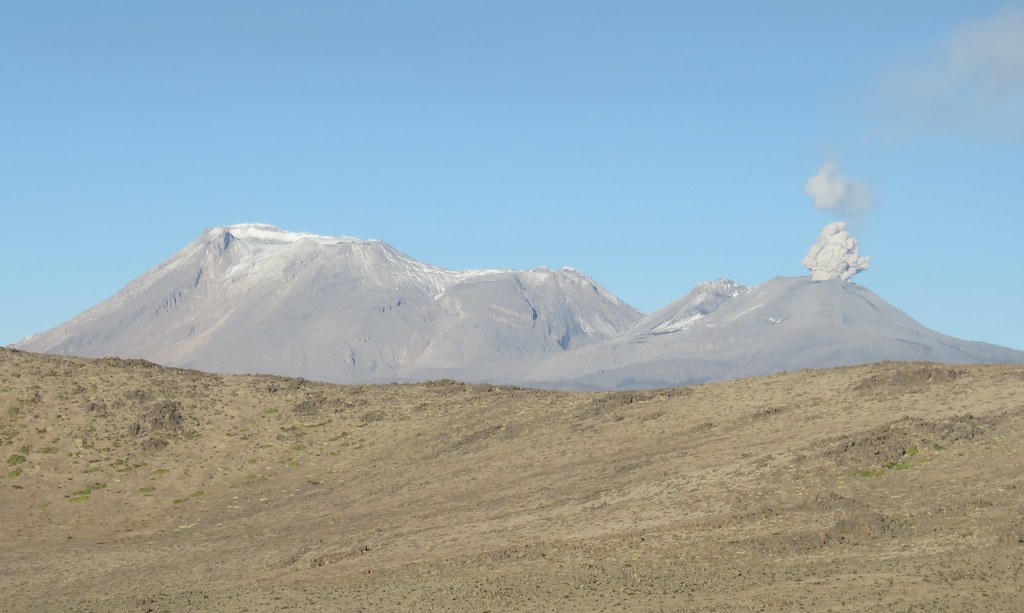
Ampato is a dormant stratovolcano located in the Cordillera de Ampato range of the southern Peruvian Andes. Rising to 6,288 meters, it is the second highest peak in the Arequipa region. Formed through successive eruptions of andesitic lava and ash, Ampato’s layered structure is typical of stratovolcanoes, built by alternating explosive and effusive volcanic activity. The volcano is part of a volcanic complex that includes the active Sabancaya volcano and the Nevado Hualca Hualca. Ampato’s summit hosts glaciers and snowfields, remnants of past climatic conditions. The mountain is also notable for fumarolic activity and sulfur deposits, though currently dormant. Its slopes preserve archaeological remains, including Inca ceremonial sites, highlighting the mountain’s cultural as well as geological significance.
Terrain and Hiking Experience on Ampato
The trek up Ampato is a demanding high-altitude adventure that challenges both physical endurance and acclimatization. The journey begins at base camp around 4,800 meters, accessible by vehicle from Arequipa or nearby villages. From here, hikers ascend through a landscape dominated by volcanic ash slopes and loose scree, requiring careful footing and steady pacing. The terrain varies from rocky volcanic debris to snowfields and glacier patches near the summit, demanding appropriate gear and experience with icy conditions. The ascent involves navigating steep inclines with altitude gains of approximately 1,500 meters, often under cold, windy conditions that can rapidly change. Trekkers experience a mix of barren volcanic desert and icy expanses, with panoramic views of the Colca Canyon and surrounding peaks. The trail includes sections of scrambling over volcanic rock and traversing fragile snow bridges. Altitude sickness is a significant risk, so acclimatization days and gradual ascent are essential. The high camp is typically established between 5,300 and 5,400 meters, where climbers rest before a pre-dawn summit push. The summit climb itself is non-technical but physically taxing, with thin air and cold temperatures. Descending involves careful navigation of scree slopes, often allowing for exhilarating controlled slides. Overall, the terrain demands good fitness, proper equipment, and respect for the mountain’s challenging conditions.

What Makes the Ampato Trek Unique
Ampato stands out not only for its physical challenge but also for its profound cultural and historical significance. It was considered a sacred mountain, or Apu, by the Incas, who performed ritual sacrifices on its slopes. The discovery of the remarkably preserved Inca mummy known as ‘Juanita’ or the ‘Ice Maiden’ in 1995 brought worldwide attention to Ampato. This archaeological find offers a rare glimpse into Inca religious practices and high-altitude preservation. The trek combines the thrill of climbing a high Andean peak with the opportunity to connect with ancient history. The volcanic landscape itself is dramatic, featuring a mix of snow-capped peaks, volcanic ash deserts, and panoramic views of the Colca Canyon, one of the deepest canyons in the world. The solitude and remoteness of the route provide a sense of wilderness and spiritual reflection rarely found on more frequented mountains.
Summit and Crater Experience on Ampato
Reaching Ampato’s summit is a moment of profound accomplishment. The final ascent, often started in the early pre-dawn hours, leads climbers across icy slopes and volcanic scree to the peak at 6,288 meters. At the summit, the air is thin and cold, but the panoramic views are breathtaking. Hikers can gaze across the vast southern Andes, spotting neighboring volcanoes such as Sabancaya and Coropuna, and the expansive Colca Canyon far below. The crater itself is a silent, snow-filled bowl, a testament to the mountain’s volcanic past. The faint smell of sulfur lingers in the air, a reminder of the mountain’s dormant volcanic nature. The summit experience is both humbling and exhilarating, offering a rare chance to stand atop a sacred peak that blends natural grandeur with deep cultural resonance.

Best Time to Trek Ampato Volcano
The optimal trekking season for Ampato is during the Andean dry season, from April to September. During these months, the weather is generally stable with clear skies, lower precipitation, and colder but more predictable temperatures. Outside this window, the region experiences increased rainfall and snow, which can make the trails slippery and dangerous. Early mornings and nights are cold year-round, so proper cold-weather gear is essential. Climbers should also consider acclimatization time to mitigate altitude sickness risks. Volcanic activity at Ampato is dormant, so there are no active eruption hazards, but weather conditions can change rapidly, requiring flexibility in scheduling. Sunrise summit attempts are common to avoid afternoon winds and to enjoy spectacular dawn views.
Routes and Trail Options for Climbing Ampato
There are two primary routes to summit Ampato, each offering different trekking experiences and durations. The Sallalli Route is the most commonly used and accessible by 4×4 vehicles, allowing climbers to reach base camp quickly. From Sallalli, trekkers ascend to base camp at approximately 4,800 meters, then proceed to high camps at 5,300 or 5,400 meters before the summit push. This route typically takes 3 days and 2 nights, suitable for climbers with some prior acclimatization. The alternative is the longer Cabanaconde Route, which spans 6 days and 5 nights. This path begins with a bus ride from Arequipa to the village of Cabanaconde, followed by multi-day trekking through the Colca Canyon and surrounding landscapes. This extended itinerary allows for gradual altitude acclimatization and immersion in local nature and culture. Both routes require permits and are best undertaken with experienced guides. Guided expeditions are offered by several operators, including Andean Trails, JM Expeditions, and Peru Adventure Tours, providing logistical support, porters, and camping equipment.
Difficulty Assessment of Ampato Trek
Ampato is classified as a demanding volcano trek, primarily due to its high altitude and challenging terrain. While the climb does not require technical mountaineering skills, the elevation of over 6,200 meters demands excellent physical fitness and acclimatization to prevent altitude sickness. The terrain includes steep volcanic ash slopes, loose scree, snowfields, and glacier patches, requiring sure-footedness and proper equipment. Climbers should be prepared for cold temperatures, strong winds, and rapid weather changes. The ascent involves long days of trekking with significant altitude gain, making it unsuitable for beginners or those without prior high-altitude experience. Guided climbs with acclimatization days are recommended to increase safety and success rates.
Essential Gear for Trekking Ampato Volcano
Successful Ampato ascents require specialized high-altitude trekking gear. Essential items include sturdy hiking boots with good ankle support and crampons for icy sections. Trekking poles help maintain balance on loose scree and steep slopes. Layered clothing is critical: moisture-wicking base layers, insulating mid-layers, and a windproof, waterproof outer shell. A warm hat, gloves, and neck gaiter protect against cold and wind. A headlamp is necessary for early summit starts. Due to potential volcanic gases and dust, a lightweight respirator or gas mask can be useful. Hydration systems and high-energy snacks support endurance. Sunglasses with UV protection and high-SPF sunscreen are vital due to intense solar radiation at altitude. Finally, a well-fitted backpack to carry personal gear and emergency supplies completes the kit.
Safety and Volcanic Hazards on Ampato
Ampato is currently dormant, so eruption risk is minimal; however, climbers must remain vigilant about other hazards. The high altitude poses significant risks of acute mountain sickness, requiring proper acclimatization and awareness of symptoms. The terrain includes unstable volcanic ash slopes and loose scree, increasing the risk of falls and rockslides. Near the summit, icy conditions and crevasses on glaciers demand caution and appropriate equipment. Weather can change rapidly, bringing cold temperatures, strong winds, and reduced visibility. Climbers should monitor local volcanic activity reports and heed advice from guides and authorities. Rescue services exist but can be limited by the mountain’s remoteness. Preparation, respect for the mountain environment, and adherence to safety protocols are essential for a secure ascent.
Permits, Guides, and Logistics for Ampato Trekking
Climbing Ampato requires obtaining permits and arranging logistics well in advance. Mountain permits and park entry fees are mandatory and typically included when booking with reputable tour operators. Several experienced companies offer guided expeditions, including Andean Trails, JM Expeditions, Peru Adventure Tours, Alpamayo Peru, and Pablo Tour. These operators provide comprehensive packages covering private transport from Arequipa, professional mountain guides, porters, cooks, camping equipment, and meals throughout the trek. The standard itinerary ranges from 3 to 6 days, depending on the chosen route and acclimatization schedule. Costs vary by operator and group size but generally include all essential services except personal gear and city accommodations. Climbers are advised to arrange travel insurance covering high-altitude trekking and to prepare physically for the demanding ascent. Guides also assist with safety monitoring, weather updates, and emergency response. Booking through established operators ensures compliance with local regulations and enhances the overall trekking experience.
Where to Stay and Nearby Bases for Ampato Trekking
The city of Arequipa serves as the primary gateway and base for Ampato expeditions, offering a range of accommodations from budget hostels to upscale hotels. Popular options include Casa Andina Select Arequipa and other centrally located hotels that provide easy access to tour operators and transport services. For acclimatization, some trekkers choose to stay in nearby villages such as Cabanaconde, located near the Colca Canyon, which offers rustic hostels and lodges like the Cabanaconde Hostel. Base camp for the Ampato climb is typically established at Sallalli or the Paso de Patapampa, accessible by 4×4 vehicles. These camps are equipped with tents and dining facilities provided by tour operators but offer no permanent lodging. Climbers must be prepared for camping at high altitude with limited amenities. Arequipa also provides rental services for mountaineering gear and last-minute supplies. The combination of city comforts and proximity to the trailhead makes Arequipa an ideal staging point for the Ampato adventure.