
Hiking Pichincha Volcano: The Ultimate Guide to Trekking Quito’s Active Stratovolcano
Explore the thrilling ascent of Pichincha Volcano near Quito, Ecuador. This guide covers geology, terrain, routes, permits, safety, and accommodations for an unforgettable volcano trekking adventure.
Quick Volcano Snapshot
| Attribute | Value |
|---|---|
| Volcano type | Stratovolcano |
| Elevation | 4,784 m (15,696 ft) |
| Location | Near Quito, Ecuador |
| Activity status | Active |
| Trekking difficulty | Moderate |
| Typical trek duration | 5-7 hours round trip |
| Altitude gain | 650 m |
| Terrain type | Volcanic ash slopes, rocky outcrops, alpine meadows |
| Best season | June to August |
| Temperature range | 5°C to 15°C (41°F to 59°F) |
| Permit requirement | Cable car ticket required; no special permit needed |
The Experience of Hiking Pichincha Volcano
Approaching Pichincha Volcano, the landscape unfolds with dramatic contrasts: the sprawling city of Quito nestles below, framed by the rugged volcanic peaks. The ascent begins with a ride on the Teleférico cable car, whisking hikers above the city to nearly 4,000 meters. From here, the trail leads through rolling alpine meadows and sparse vegetation, gradually giving way to barren volcanic ash and jagged rocks. The air thins and the wind sharpens, heightening the sense of raw geological power. Reaching the summit, hikers are rewarded with sweeping views of Quito, the Andean mountain range, and the smoking crater of Guagua Pichincha. The emotional impact of standing atop an active volcano so close to a bustling city is profound, blending natural majesty with human proximity.

Geological Background of Pichincha Volcano
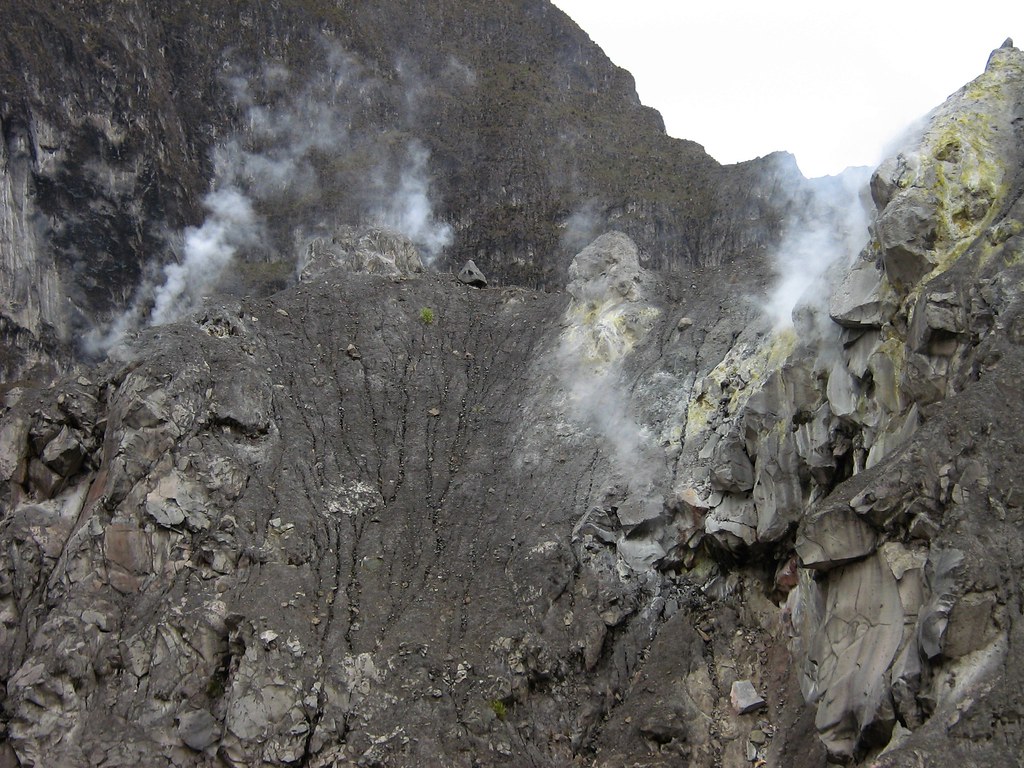
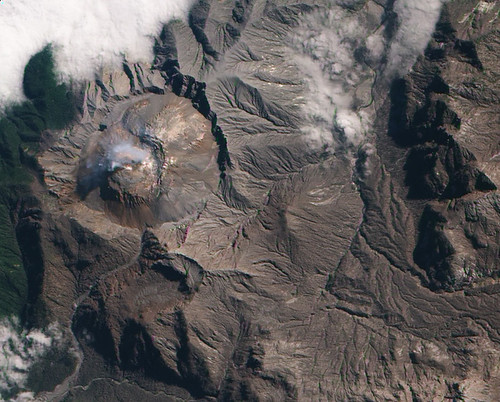
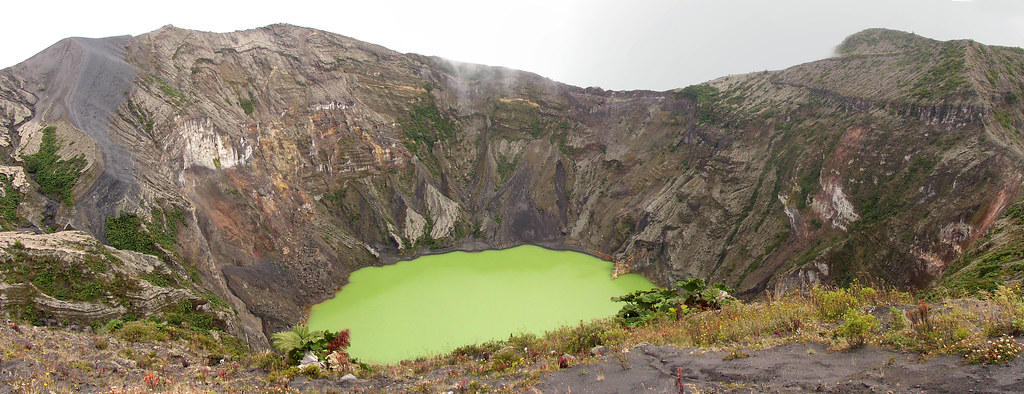
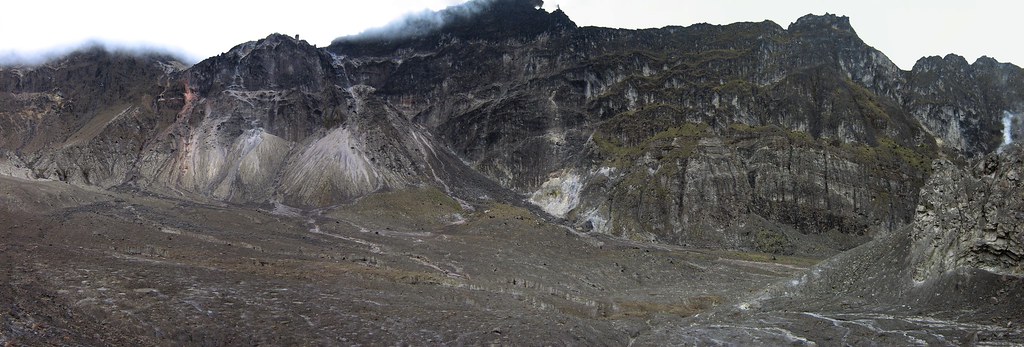
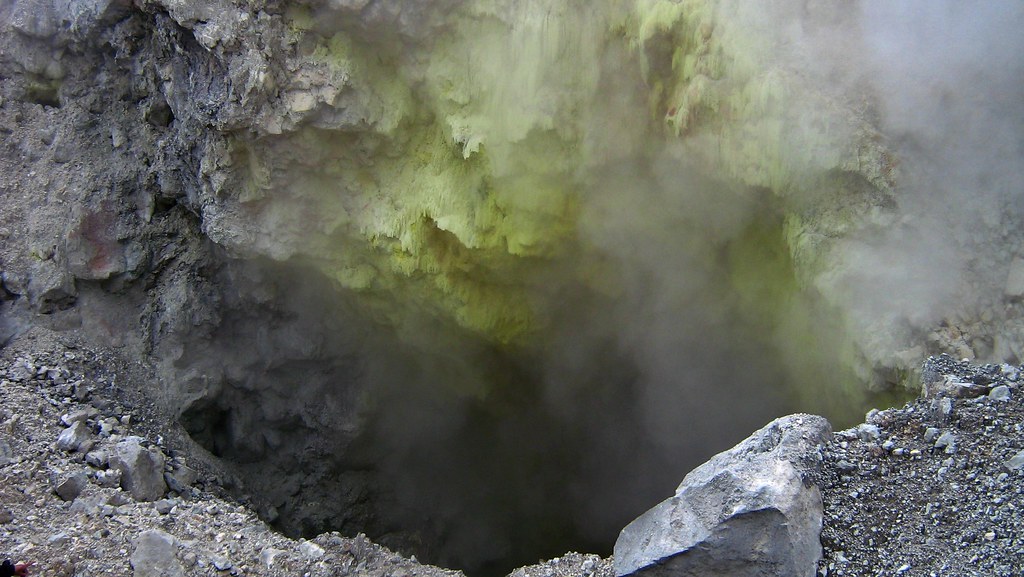
Pichincha is a complex stratovolcano located just west of Quito, Ecuador’s capital. It comprises three main peaks: Guagua Pichincha (the youngest and highest at 4,784 meters), Rucu Pichincha (the older, slightly lower peak at 4,698 meters), and Padre Encantado. Formed by successive layers of lava flows, ash, and volcanic debris, Pichincha’s geology reflects its active volcanic history. The volcano’s last significant eruption occurred in 1999, producing ash clouds that blanketed Quito. Its crater features fumaroles emitting steam and sulfur gases, evidence of ongoing subterranean activity. The volcanic terrain includes rugged lava fields, ash slopes, and mineral deposits such as sulfur, creating a dynamic and evolving landscape. Pichincha’s proximity to Quito makes it a unique geological landmark, illustrating the power and hazards of active Andean volcanism.
Terrain and Hiking Experience on Pichincha Volcano
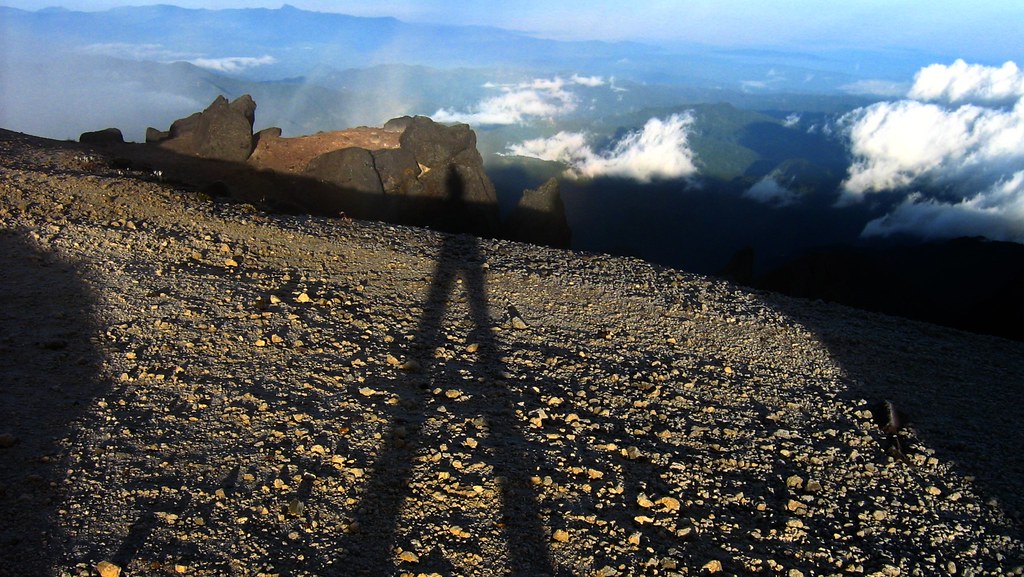
The hike up Pichincha Volcano, particularly the Rucu Pichincha peak, offers a diverse and challenging terrain that tests both physical endurance and technical skill. Starting from the upper Teleférico station at Cruz Loma (approximately 3,945 meters), hikers traverse alpine meadows dotted with native grasses and occasional wildlife. The initial trail is well-defined and moderately steep, providing panoramic views of Quito and the surrounding Andes. As the ascent continues, the terrain shifts dramatically to volcanic ash slopes and loose pumice, requiring careful footing to avoid slips. The final 1.5 hours involve steep, rocky sections with class 2/3 scrambling, demanding sure-footedness and some climbing ability. Weather conditions can change rapidly; strong winds, cold temperatures, and cloud cover often reduce visibility near the summit. Altitude sickness is a common challenge due to the rapid elevation gain and thin air, making acclimatization important. Despite these difficulties, the trail is popular and well-traveled, with cairns marking the route. The volcanic landscape is stark and raw, with fumaroles and sulfur deposits visible near the summit, offering a vivid reminder of the mountain’s active nature. Descending the same route, hikers often experience the loose scree slopes as an exhilarating slide, but caution is advised to prevent falls. Overall, the Pichincha trek combines varied terrain, technical sections, and breathtaking views, making it a rewarding adventure for moderately experienced hikers.
What Makes the Pichincha Volcano Trek Unique
Pichincha Volcano’s uniqueness lies in its immediate proximity to Quito, allowing hikers to experience an active stratovolcano within minutes of a major urban center. The availability of the Teleférico cable car to nearly 4,000 meters provides unprecedented access to high-altitude volcanic terrain, making it one of the most accessible active volcano treks in the world. The dual peaks of Rucu and Guagua Pichincha offer contrasting experiences: Rucu is a challenging but achievable day hike, while Guagua features an active crater with visible fumaroles and recent volcanic activity. The trek’s diverse landscapes—from lush paramo grasslands to barren volcanic ash and jagged rock scrambles—showcase the dynamic geological processes shaping the Andes. Additionally, the panoramic views from the summit encompass Quito’s sprawling cityscape, the Avenue of the Volcanoes, and distant snow-capped giants like Cotopaxi and Chimborazo. The cultural connection is also strong, with indigenous Quechua names and local legends enriching the hiking experience. This blend of accessibility, geological drama, and cultural significance makes Pichincha a standout volcano trek.
The Summit and Crater Experience on Pichincha Volcano
Reaching the summit of Rucu Pichincha is a moment of awe and exhilaration. The final scramble over rocky outcrops leads to a narrow ridge where the wind is fierce and the air thin. At the top, hikers are greeted by sweeping vistas of Quito sprawling below, framed by the towering Andes peaks. The crater rim offers glimpses of Guagua Pichincha’s smoking crater, with steam and sulfurous gases escaping from fumaroles, filling the air with a distinctive mineral scent. The ground beneath is warm in places, a tactile reminder of the volcano’s latent power. The silence is punctuated by the occasional call of native birds such as the Curiquingue. The panoramic landscape stretches to distant volcanoes, cloud layers, and the city’s patchwork of lights on clear days. This sensory experience—combining sight, sound, smell, and touch—immerses hikers in the raw energy of an active volcanic environment, making the summit a profound highlight of the trek.
Best Time to Trek Pichincha Volcano
The optimal trekking season for Pichincha Volcano is during the dry months from June to August. During this period, weather conditions are more stable, with reduced rainfall and clearer skies, enhancing visibility and safety. Early morning starts are recommended to avoid afternoon cloud cover and sudden weather changes common in the Andes. The Teleférico operates daily from 8 am to 8 pm, but beginning hikes at opening time maximizes daylight and favorable conditions. The rainy season, typically from October to May, brings slippery trails, increased risk of hypothermia, and limited views due to persistent clouds and fog. Additionally, volcanic activity is monitored continuously; hikers should check for any alerts or temporary closures before planning their trip. Altitude acclimatization is crucial year-round, as the rapid ascent can induce altitude sickness. Overall, the dry season offers the best combination of trail conditions, weather stability, and panoramic views for a successful Pichincha trek.
Routes and Trail Options for Pichincha Volcano
The primary route to Rucu Pichincha’s summit begins at the upper Teleférico station, Cruz Loma, at approximately 3,945 meters. From here, hikers follow a well-marked trail through paramo grasslands and volcanic terrain, covering about 11 kilometers round trip with an elevation gain of 650 meters. This route typically takes 5 to 7 hours to complete and is considered moderately difficult, with the last 1.5 hours involving steep, technical scrambling over rocks and loose volcanic ash. An alternative, more technical route known as Paso de La Muerte offers a challenging climb requiring climbing equipment and experience; it is not recommended for casual hikers. For those seeking a longer trek, starting from Quito city adds several hours and increases the overall difficulty due to additional elevation gain and distance. Guided tours often include transportation to the Teleférico base, cable car tickets, and expert guidance on route navigation and safety. The trail is popular and well-maintained, with cairns marking the path, but hikers should be prepared for rapidly changing weather and altitude effects. Descending the same route is standard, though some hikers enjoy sliding down the scree slopes for an exhilarating finish.
Difficulty Assessment of Pichincha Volcano Trek
Pichincha Volcano’s Rucu peak is classified as a moderate volcano trek with some demanding sections. The trail’s initial stages are accessible to hikers with reasonable fitness, featuring well-defined paths and moderate inclines. However, the final ascent involves steep slopes, loose volcanic ash, and rocky scrambling requiring good balance and sure-footedness. Altitude is a significant factor; starting near 4,000 meters and reaching nearly 4,700 meters, the thin air can cause altitude sickness, especially for those unacclimatized. No technical climbing gear is required for the standard route, but experience with high-altitude hiking is beneficial. Weather conditions can add to the challenge, with cold temperatures, strong winds, and sudden fog reducing visibility. Overall, the trek suits hikers with moderate experience, good physical condition, and acclimatization to altitude. Beginners should consider guided tours and take precautions to avoid overexertion.
Essential Gear for Trekking Pichincha Volcano
Successful trekking on Pichincha Volcano requires gear tailored to high-altitude volcanic terrain and variable weather. Essential items include sturdy hiking boots with excellent grip for rocky and loose ash surfaces, and trekking poles to aid balance on steep and unstable sections. Layered clothing is critical: moisture-wicking base layers, insulating mid-layers, and a windproof, waterproof outer shell protect against cold, wind, and rain. Gloves, a warm hat, and sun protection (sunglasses, sunscreen, lip balm) are necessary due to intense UV exposure at altitude. A headlamp is recommended for early starts or late finishes. Carry sufficient water and high-energy snacks to maintain hydration and stamina. A small first aid kit, altitude sickness medication, and a map or GPS device enhance safety. While gas masks are generally not required, hikers should be aware of sulfur fumes near fumaroles and avoid prolonged exposure. Finally, a camera or smartphone will capture the stunning landscapes encountered.
Safety and Volcanic Hazards on Pichincha Volcano
Trekking Pichincha Volcano involves inherent risks associated with active volcanic environments and high-altitude hiking. Volcanic gases such as sulfur dioxide emitted near fumaroles can cause respiratory irritation; hikers should avoid lingering near vents and be prepared to move quickly if gas concentrations increase. The trail includes unstable crater edges and loose scree slopes, posing fall hazards; careful footing and use of trekking poles are advised. Sudden weather changes can bring cold temperatures, strong winds, and poor visibility, increasing the risk of hypothermia and disorientation. Altitude sickness is common due to rapid ascent; symptoms include headache, nausea, and dizziness. Hikers should acclimatize in Quito or nearby areas before attempting the climb and descend immediately if symptoms worsen. Although Pichincha’s last eruption was in 1999, ongoing monitoring by Ecuadorian geological agencies ensures timely warnings. Visitors should check current volcanic activity reports and heed official advisories. Crime risks have diminished significantly, but hiking in groups and informing accommodations of plans enhances personal safety.
Permits, Guides, and Logistics for Pichincha Volcano Trek
Access to Pichincha Volcano’s popular Rucu Pichincha trail requires purchasing a ticket for the Teleférico cable car, which transports hikers from Quito to the Cruz Loma station at nearly 4,000 meters. The cable car ticket costs approximately $9 USD and is mandatory for most hikers to reduce ascent time and altitude strain. No additional permits are required for hiking the trail itself. Several reputable local tour operators offer guided hikes, including Activexpedition, Original Ecuador, Pajonal Tours, Wetravel, and independent guides such as Tre Panchin (+593 99 572 7833). Guided tours typically include transportation from Quito, cable car tickets, professional guidance, safety briefings, and sometimes meals or gear rental. Guides provide valuable insights into the volcano’s geology, flora, fauna, and safety protocols, enhancing the trekking experience. The Teleférico operates daily from 8 am to 8 pm, but early arrival is recommended to avoid crowds and afternoon weather changes. Hikers should arrange transportation to the cable car base via taxi or rideshare from central Quito. It is advisable to book tours or cable car tickets in advance during peak season (June to August). Weather and volcanic activity can cause temporary closures; checking official websites and local updates before the trip is essential. Overall, the logistics are straightforward, making Pichincha an accessible yet adventurous volcano trek.
Where to Stay Near Pichincha Volcano
Quito, Ecuador’s capital city, serves as the primary base for trekking Pichincha Volcano, offering a wide range of accommodations catering to diverse traveler preferences. Popular neighborhoods such as La Carolina and La Mariscal provide convenient access to the Teleférico cable car, the main starting point for the Rucu Pichincha hike. Options include modern hotels, boutique guesthouses, and well-rated Airbnb apartments with spectacular views of the volcano and city skyline. For example, the Acogedora Suite in Iñaquito offers modern amenities, safety, and panoramic Pichincha vistas from its 11th-floor location. For travelers seeking a nature-focused experience, glamping sites like SaniLodge provide eco-cabins with private bathrooms, solar power, and gourmet local cuisine, situated within peaceful surroundings yet still accessible to Quito. Many accommodations offer easy taxi or rideshare connections to the Teleférico base station, typically a 10-20 minute drive from central Quito. Early morning transport arrangements are recommended to catch the cable car at opening. For multi-day trekking or exploring other volcanoes in the Avenue of the Volcanoes, Quito’s extensive hospitality infrastructure supports diverse itineraries. Visitors should book accommodations in advance during peak trekking seasons to secure preferred lodging. Overall, Quito’s blend of urban comfort and proximity to Pichincha makes it an ideal hub for volcano adventurers.