
Climbing Cayambe Volcano: Ecuador’s Unique Equatorial Glacier Trekking Adventure
Cayambe Volcano, Ecuador’s third highest peak, offers a challenging technical mountaineering experience on the only glacier crossed by the equator. This guide covers geology, terrain, routes, gear, permits, and accommodations for an unforgettable ascent.
Quick Volcano Snapshot
| Attribute | Value |
|---|---|
| Volcano type | Stratovolcano |
| Elevation | 5,790 m (18,996 ft) |
| Location | Avenue of the Volcanoes, Ecuador |
| Activity status | Dormant |
| Trekking difficulty | Technical mountaineering |
| Typical trek duration | 6 to 8 hours summit climb; total expedition 6 to 12 days including acclimatization |
| Altitude gain | Approx. 1,200 m from refuge to summit |
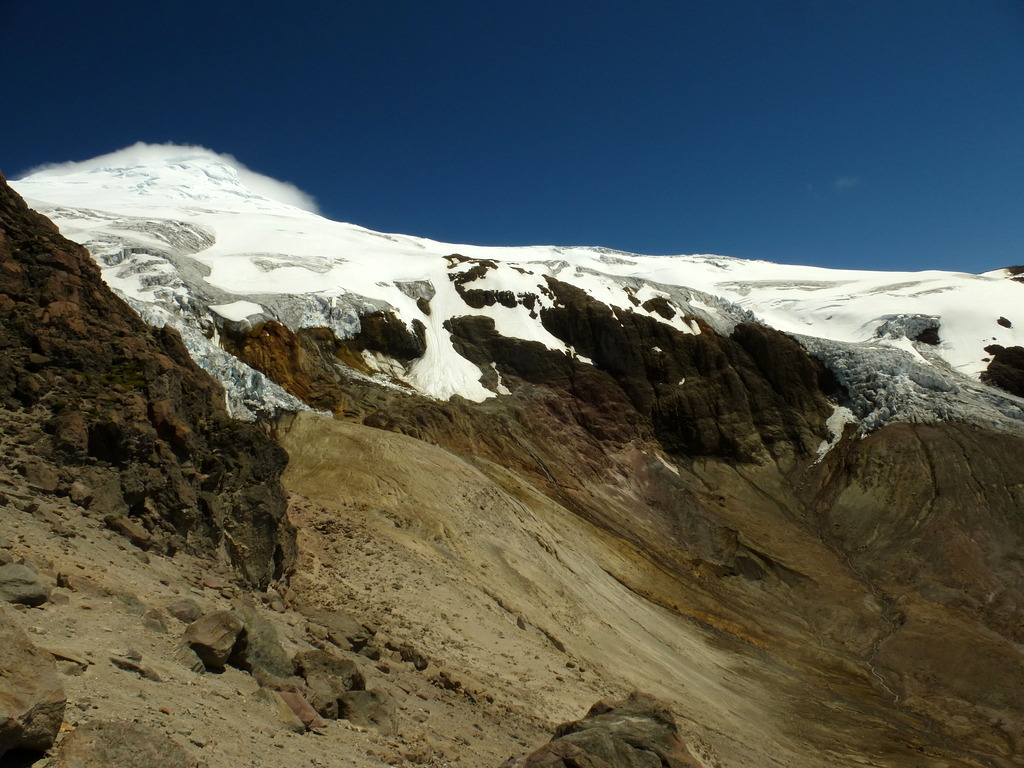
| Terrain type | Glacier, snow slopes, crevassed ice, volcanic rock |
| Best season | June to August and December to February |
| Temperature range | -10°C to 5°C (14°F to 41°F) near summit |
| Permit requirement | Required; must hire certified guide |
The Experience of Hiking Cayambe Volcano
Approaching Cayambe, the landscape unfolds with stark contrasts: rugged volcanic rock meets pristine glaciers, all under the watchful gaze of the equator line. The air thins as you ascend, and the vast Andean panorama expands beneath you. The climb is a journey through time and geology, where the raw power of Earth’s forces is palpable. Standing at the summit, surrounded by ice at the equator, evokes a profound sense of awe and accomplishment, a rare communion with nature’s extremes.
Geological Background of Cayambe Volcano
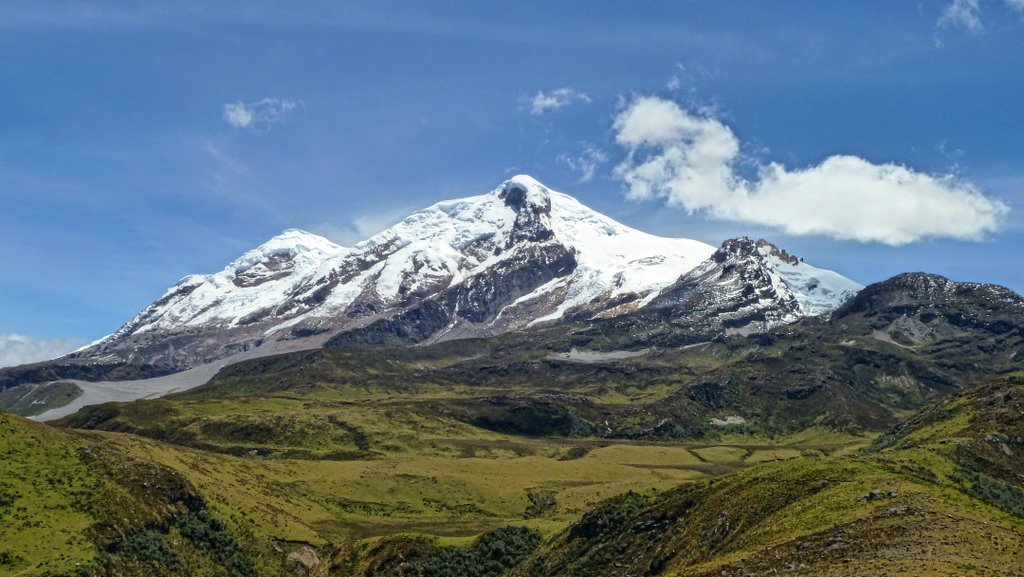
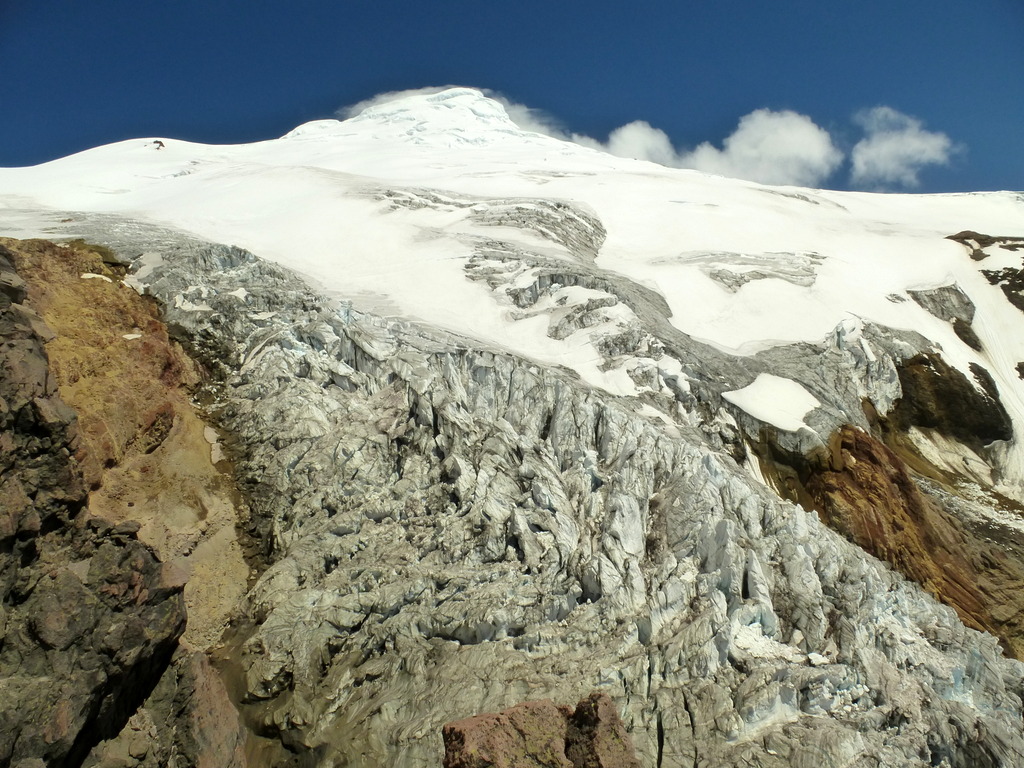
Cayambe is a massive stratovolcano located in Ecuador’s Avenue of the Volcanoes, rising to 5,790 meters. It is the third highest peak in Ecuador and the highest point on Earth crossed directly by the equator. Formed by successive layers of lava and ash, Cayambe’s glaciated summit is unique for its equatorial glaciers, which are rare due to the intense solar radiation at this latitude. The volcano is dormant, with no recent eruptions, but its glaciers and fumaroles reveal ongoing geological activity beneath the surface. The summit crater is heavily glaciated, featuring crevasses and snow bridges shaped by the mountain’s climatic conditions. Sulfur deposits and fumarolic activity add to the volcanic landscape’s complexity, making Cayambe a fascinating study in Andean geology.
Terrain and Hiking Experience on Cayambe
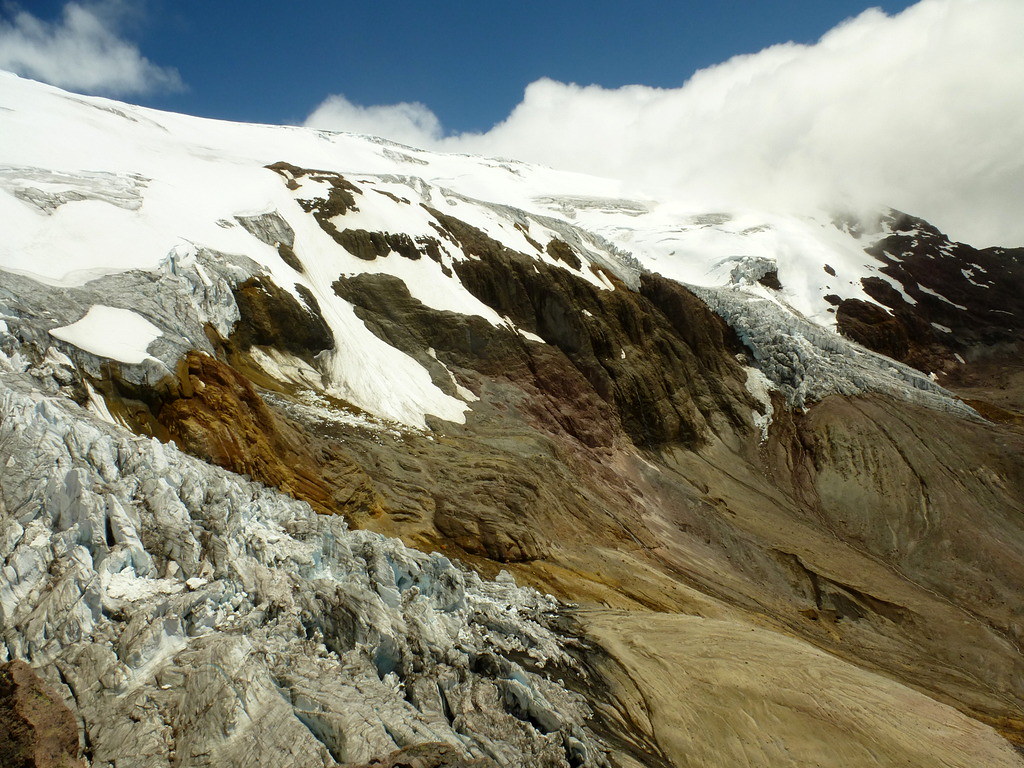
Climbing Cayambe is a demanding technical mountaineering challenge that requires glacier travel skills and physical endurance. The trek begins at the Oleas–Ruales–Berge Refuge at approximately 4,600 meters, accessible by 4×4 vehicles. From here, climbers face a steep ascent of roughly 1,200 meters to the summit. The terrain is varied and complex: initial sections involve rocky volcanic slopes with loose scree and ash, demanding careful footing. As the altitude increases, the landscape transitions to snow and glacier fields. Navigating crevasses and snow bridges is a critical part of the climb, requiring proficiency with crampons, ice axes, and rope techniques. The glacier’s northeastern exposure helps preserve its condition, but weather can be unpredictable, with strong winds and sudden temperature drops. Climbers must be prepared for steep snow slopes often reaching 45 degrees, and occasional short ice pitches depending on seasonal conditions. Altitude effects become pronounced above 4,500 meters, necessitating a slow, steady pace to avoid acute mountain sickness. The route offers limited natural shelter, exposing trekkers to wind chill and intense solar radiation. Despite the technical demands, the climb rewards with breathtaking views of the Andean range, including neighboring peaks like Cotopaxi and Chimborazo. The descent is quicker but requires caution on loose scree and icy sections. Overall, Cayambe offers a blend of volcanic ruggedness and glacial beauty, making it a compelling climb for experienced mountaineers seeking solitude and a unique equatorial glacier experience.
What Makes the Cayambe Trek Unique
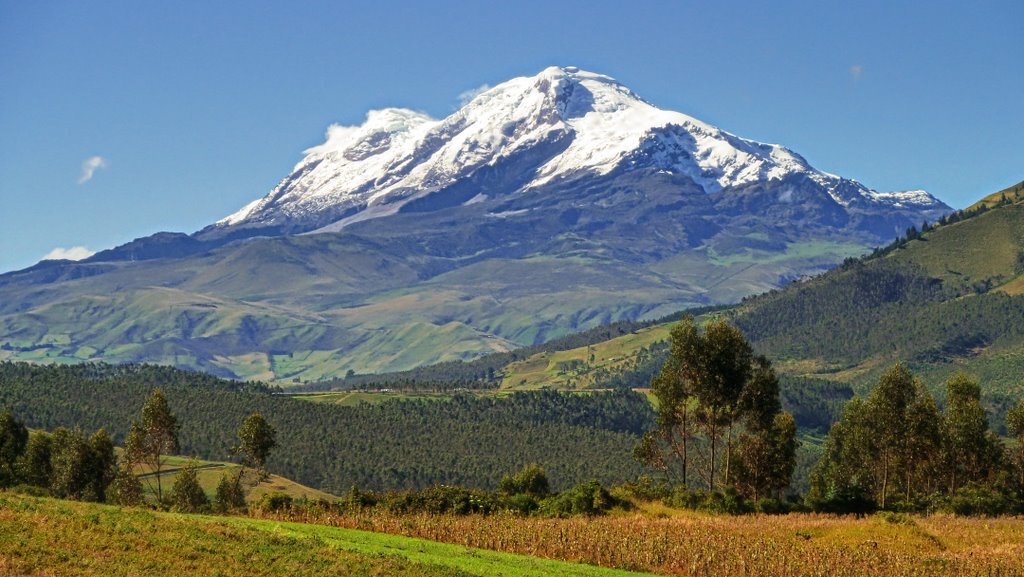
Cayambe stands out as the only major glacier on Earth crossed by the equator, offering a surreal experience of ice and snow at latitude zero. Unlike more frequented Ecuadorian volcanoes, Cayambe provides a quieter, more remote climbing experience with fewer crowds. The technical glacier traverse with crevasses and snow bridges challenges climbers while showcasing pristine Andean ecosystems. The mountain’s northeastern glacier exposure preserves its ice better than many tropical glaciers, adding to its allure. The presence of sulfur fumaroles near the summit adds a sensory dimension with the smell of volcanic gases. The panoramic views from the summit encompass Ecuador’s highest peaks and the vast volcanic landscape of the Avenue of the Volcanoes, making it a unique blend of geological wonder and mountaineering adventure.
Summit and Crater Experience on Cayambe
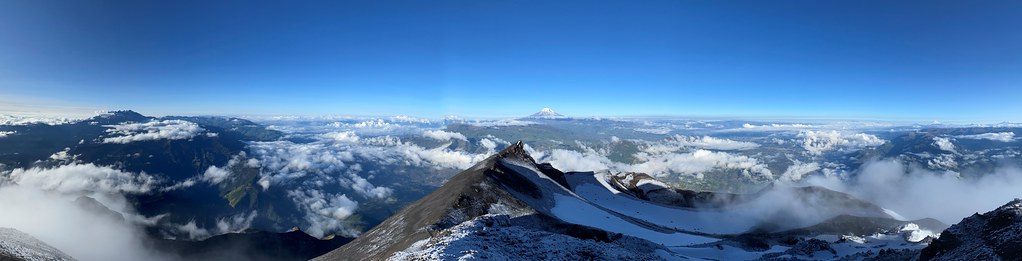
Reaching Cayambe’s summit is a moment of profound achievement. The crater is deeply glaciated, with crevasses and snowfields stretching across its rim. Climbers are greeted by sweeping views of the Andes, including the towering Chimborazo and Cotopaxi volcanoes. The air is thin and cold, often below freezing, with biting winds that remind climbers of the mountain’s harsh environment. The smell of sulfur from fumaroles permeates the air, a subtle reminder of the volcano’s latent power. The silence at the summit is profound, broken only by the wind and the crunch of crampons on ice. The equator line crosses the glacier here, marked by GPS coordinates, offering a rare opportunity to stand on ice at the world’s midpoint. This sensory and visual spectacle makes the summit experience unforgettable.
Best Time to Trek Cayambe Volcano
The optimal climbing seasons for Cayambe are during Ecuador’s dry periods: June to August and December to February. These months offer colder, clearer conditions with minimal precipitation, reducing avalanche risk and improving glacier stability. Nights can be cold and windy, especially in June to August, while December to February tends to be slightly warmer but with occasional snowfall. Shoulder seasons like April–May and September–October bring increased cloud cover, rain, and higher avalanche danger, making climbs more hazardous. Climbers should also consider weather volatility typical of high-altitude equatorial mountains, preparing for sudden storms and temperature swings. Early morning or nighttime summit attempts are common to avoid afternoon weather deterioration and to experience the unique sensation of climbing under moonlight or stars.
Routes and Trail Options for Climbing Cayambe
The primary route to Cayambe’s summit begins at the Oleas–Ruales–Berge Refuge, situated at approximately 4,600 meters. This refuge serves as the main base camp and is accessible by sturdy 4×4 vehicles from the town of Cayambe. From the refuge, climbers embark on a glacier ascent involving steep snow slopes, crevasse navigation, and occasional ice pitches. The standard route is technical but well-established, requiring mountaineering skills such as rope work, crampon use, and ice axe techniques. The ascent typically takes 6 to 8 hours, with a descent of about 2 hours. Alternative acclimatization hikes include nearby peaks like Pasochoa and Illiniza Norte, which climbers often use to prepare for Cayambe’s altitude and technical demands. Guided expeditions may offer multi-day itineraries incorporating these acclimatization climbs. There are no widely used alternative summit routes due to the glacier’s crevassed nature and the mountain’s rugged terrain. Climbers must hire certified guides familiar with current glacier conditions and route safety. The refuge also provides a staging point for glacier practice and technical skill refreshers before the summit push.
Difficulty Assessment of the Cayambe Climb
Cayambe is classified as a technical mountaineering ascent, suitable for climbers with intermediate to advanced glacier travel experience. The climb involves steep snow slopes up to 45 degrees, crevasse navigation, and occasional short ice pitches. Physical endurance is essential due to the high altitude, with the summit reaching 5,790 meters where oxygen levels are significantly reduced. Climbers must be proficient with crampons, ice axes, and rope techniques, and comfortable moving on glaciated terrain. The route’s exposure to wind and cold temperatures adds to the challenge. While not as technically demanding as some Andean peaks, Cayambe requires careful preparation, acclimatization, and respect for mountain hazards. It is more challenging than Cotopaxi in terms of glacier travel but generally less steep. Overall, it is a demanding climb best suited for those with prior mountaineering experience and good fitness.
Essential Gear for Climbing Cayambe Volcano
Climbing Cayambe requires specialized mountaineering equipment to safely navigate its glaciated terrain. Essential gear includes crampons compatible with mountaineering boots, an ice axe for self-arrest and climbing, and a climbing harness with ropes for glacier travel and crevasse rescue. Trekking poles assist on rocky and scree sections. Layered clothing is critical: moisture-wicking base layers, insulating mid-layers, and a windproof, waterproof outer shell. Gloves, a warm hat, and balaclava protect against cold and wind. Sunglasses or glacier goggles shield eyes from intense UV radiation and snow glare. A helmet is recommended to protect from falling ice or rocks. A headlamp is necessary for nighttime summit attempts. Additional items include gaiters to keep snow out of boots, sunscreen for high-altitude sun exposure, hydration systems, and high-energy snacks. Some climbers carry gas masks or respirators if sulfur gas concentrations are significant near fumaroles. Proper acclimatization gear such as portable oxygen or altitude medication may be considered. Adhering to a detailed equipment list provided by guides is essential for safety and success.
Safety and Volcanic Hazards on Cayambe
While Cayambe is dormant with no recent eruptions, the climb presents significant natural hazards. The primary risks stem from glaciated terrain: hidden crevasses pose fall dangers, requiring roped travel and vigilance. Snow bridges can be unstable, especially during warmer periods. Avalanche risk exists during wet or heavy snowfall seasons, particularly in shoulder months. Weather changes rapidly at high altitude, with sudden storms, high winds, and temperature drops that can cause hypothermia or frostbite. The thin air increases the risk of altitude sickness, necessitating proper acclimatization and monitoring for symptoms. Volcanic gases such as sulfur dioxide may be present near fumaroles, which can irritate respiratory systems; climbers should heed guide advice and avoid prolonged exposure. Unstable volcanic rock and loose scree increase the risk of falls and rockfall. Climbers must use certified guides who monitor conditions and coordinate with local authorities for safety updates. Emergency rescue services exist but are limited by terrain and weather, emphasizing the need for preparation and caution.
Permits, Guides, and Logistics for Climbing Cayambe
Climbing Cayambe requires a permit issued by Ecuadorian authorities, and hiring a certified mountain guide is mandatory for safety and legal compliance. Permits are typically arranged through tour operators or guiding companies and include access to the Cayambe-Coca Ecological Reserve. The cost of permits varies but generally ranges from $20 to $50 USD, often bundled with guide services. Several reputable operators specialize in Cayambe expeditions, including High Summits, Mountain Gurus, Ecuador Eco Adventures, International Mountain Guides (IMG), Ian Taylor Trekking, Guided Peaks, and Climbing The Seven Summits (CTSS). These companies offer comprehensive packages covering permits, transportation, accommodation, meals, equipment rental, and acclimatization hikes. The standard itinerary spans 6 to 12 days, incorporating acclimatization on nearby peaks such as Pasochoa and Illiniza Norte, technical training at the Oleas–Ruales–Berge Refuge, and the summit attempt. The refuge at 4,600 meters provides basic lodging with bunk rooms and kitchen facilities, serving as the base camp. Access to the refuge is via rugged 4×4 roads from the town of Cayambe, which itself offers accommodations and cultural experiences. Climbers typically fly into Quito’s Mariscal Sucre International Airport, then travel approximately 70 km northeast to Cayambe. Booking well in advance is recommended, especially during peak climbing seasons (June–August, December–February). Guides provide critical expertise in route finding, glacier navigation, and emergency response. Climbers should adhere strictly to equipment lists and acclimatization schedules provided by operators to maximize safety and summit success.
Where to Stay and Nearby Bases for Cayambe Climbers
The town of Cayambe, located about 70 km northeast of Quito, serves as the primary gateway for climbers heading to the volcano. It offers a range of accommodations from budget hostels to boutique hotels. Notable options include Punanti Hostel & Mountain Lodge, situated at 3,600 meters in the foothills, popular for altitude acclimatization and cultural immersion. The lodge provides basic amenities and access to local hiking and agro-tourism activities. For travelers seeking more comfort, the Cayambe Double Suite at Cotopaxi Lodge offers spacious rooms with panoramic views, fireplaces, hot water, and fast internet, ideal for relaxing before or after the climb. Palumbo Glamping & Villas Cayambe provides a unique glamping experience within walking distance of the town center, featuring Wi-Fi, private parking, and continental breakfast. Additional lodging can be found through Booking.com and Expedia listings in Cayambe, with options ranging from guesthouses to small hotels. The Oleas–Ruales–Berge Refuge at 4,600 meters is the essential high-altitude base camp for the summit climb, offering dormitory-style bunk rooms and kitchen facilities. Access to the refuge is by 4×4 vehicle from Cayambe town, with the road condition varying seasonally. Climbers often spend nights in Cayambe town for acclimatization and logistics before moving to the refuge. Nearby cultural attractions include the Otavalo market and Peguche Waterfall, providing enriching experiences during rest days. Overall, accommodations near Cayambe cater to a variety of preferences, balancing comfort, altitude preparation, and proximity to the climbing route.