
Hiking Chaitén Volcano: A Complete Trekking Guide to Chile’s Active Caldera in Patagonia
Explore the dramatic landscape of Chaitén Volcano in Chile’s Los Lagos region. This active caldera offers a challenging yet rewarding trek through regenerating forests and volcanic terrain within Pumalín Douglas Tompkins National Park. Discover detailed route options, safety tips, geological insights, and local accommodations to prepare for your adventure along the iconic Carretera Austral.
Quick Volcano Snapshot
| Attribute | Value |
|---|---|
| Volcano type | Caldera |
| Elevation | 1122 meters |
| Location | Los Lagos, Chile |
| Activity status | Active |
| Trekking difficulty | Moderate |
| Typical trek duration | 3 to 4 hours round trip |
| Altitude gain | Approximately 600 meters |
| Terrain type | Volcanic ash slopes, regenerating temperate rainforest, rocky caldera rim |
| Best season | October to April |
| Temperature range | 5°C to 20°C |
| Permit requirement | No park entry fee; no mandatory permits |
The Experience of Hiking Chaitén Volcano
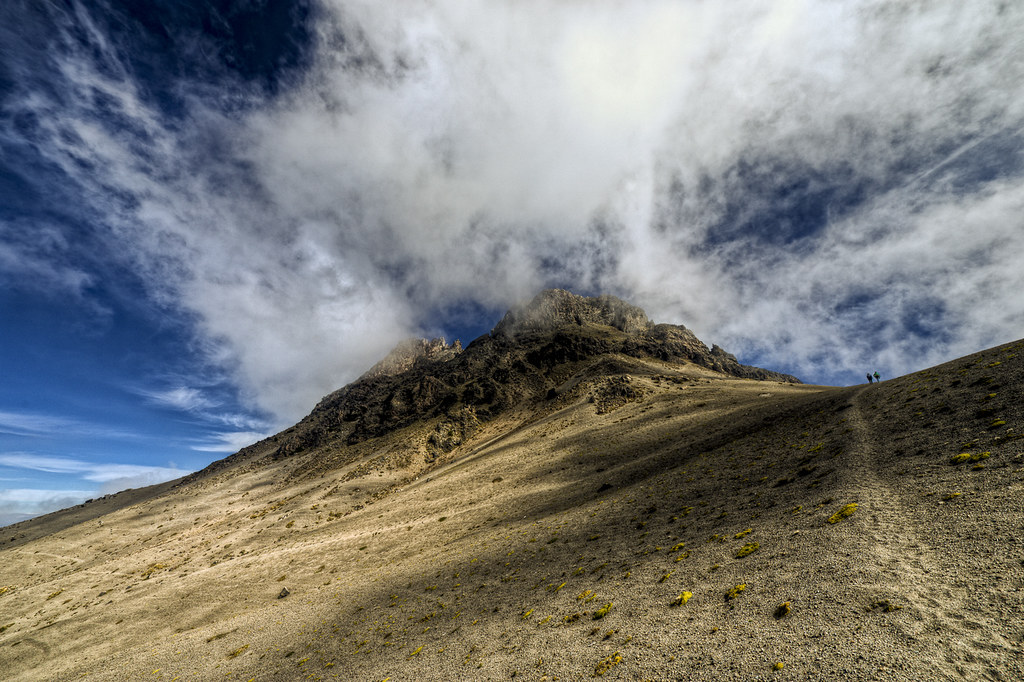
Approaching Chaitén Volcano, hikers are greeted by a striking contrast between the lush temperate rainforest of Pumalín National Park and the stark, raw volcanic caldera. The trail ascends through a regenerating forest scarred by the 2008 eruption, where dead trees stand as silent witnesses to the volcano’s power. The air carries a subtle scent of sulfur, and the landscape shifts from dense greenery to open volcanic ash slopes. Reaching the caldera rim, trekkers are rewarded with panoramic views of the steaming volcano, the surrounding mountain ranges, and the deep blue Pacific Ocean beyond. The emotional impact of standing on the edge of an active caldera, feeling the Earth’s restless energy beneath your feet, is unforgettable.
Geological Background of Chaitén Volcano
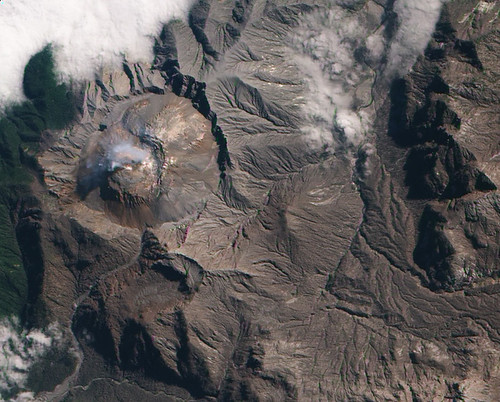
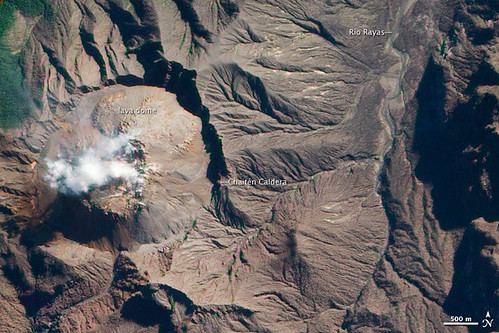
Chaitén Volcano is a caldera-type volcano located in Chile’s Los Lagos region, part of the southern Andes volcanic belt. It formed through repeated explosive eruptions that created a large, collapsed crater known as a caldera. The volcano’s most notable recent event was the unexpected and powerful eruption in 2008, which blanketed the nearby town of Chaitén in thick ash and pyroclastic flows. This eruption dramatically reshaped the landscape, destroying vegetation and altering river courses. The caldera features fumaroles and steam vents emitting volcanic gases, with sulfur deposits visible around the crater rim. The volcanic rocks include rhyolitic lava flows and pumice deposits, contributing to the rugged terrain hikers encounter today. The ongoing activity and geological transformations make Chaitén a fascinating subject for both scientists and adventurous trekkers.
The Volcano Trek: Terrain and Hiking Experience
The Chaitén Volcano trek offers a unique blend of challenging terrain and breathtaking natural beauty. The trail begins near the town of Chaitén along the famous Carretera Austral and gradually ascends through dense temperate rainforest characterized by towering Fitzroya trees and diverse flora. Early in the hike, trekkers navigate muddy, root-laden forest paths that reflect the region’s high rainfall and lush ecosystem. As the trail climbs higher, the landscape transitions to volcanic ash slopes and rocky outcrops, remnants of the 2008 eruption’s devastation. The terrain here is loose and uneven, requiring careful footing on pumice and volcanic debris. Hikers will encounter steep sections that demand moderate fitness and surefootedness, with occasional scrambling over volcanic rocks near the caldera rim. The altitude gain of approximately 600 meters can cause mild breathlessness, especially for those unaccustomed to mountain hiking. Weather conditions can change rapidly, with cool temperatures and strong winds near the summit adding to the challenge. Despite these difficulties, the trail is well-marked and maintained, making it accessible to experienced hikers prepared for variable conditions. The reward is a spectacular vantage point overlooking the steaming caldera, regenerating forest below, and the vast Patagonian landscape. The trail’s moderate length, about 3.1 kilometers round trip, allows for a strenuous but manageable day hike. Trekkers should bring sturdy hiking boots, trekking poles for stability on loose terrain, and sufficient water and rain gear. The trail’s volcanic terrain, combined with the ecological recovery visible along the route, provides a powerful narrative of nature’s resilience and the dynamic forces shaping this region.
What Makes the Chaitén Volcano Trek Unique
Chaitén Volcano’s trek stands out for its dramatic post-eruption landscape and active volcanic features. Unlike many volcano hikes that lead to summits, this trail takes you to the outer caldera rim, offering safer yet equally stunning views of the active crater. The juxtaposition of a regenerating temperate rainforest with barren volcanic ash fields creates a rare ecological and geological contrast. The 2008 eruption’s impact is still visible, with dead trees and altered terrain telling a vivid story of destruction and renewal. The volcano’s steaming fumaroles and sulfur deposits add sensory depth to the experience, with sights, smells, and sounds that evoke the Earth’s inner power. Additionally, the location within Pumalín Douglas Tompkins National Park, one of Chile’s largest and most pristine protected areas, enhances the trek’s appeal. The proximity to the Carretera Austral makes it accessible yet still remote enough to feel like a true wilderness adventure. The views of the Pacific Ocean and surrounding mountain ranges from the caldera rim provide a panoramic spectacle unmatched by many other volcano hikes in Patagonia.
The Summit and Crater Experience
While the trail does not lead hikers onto the active crater itself due to safety concerns, reaching the caldera rim of Chaitén Volcano is a profound experience. From this vantage point, trekkers witness the vast, steaming crater with visible fumaroles releasing sulfurous gases. The air carries a faint but distinct sulfur smell, and the ground beneath occasionally emits warmth, a reminder of the volcano’s restless nature. The crater’s rugged walls and the surrounding volcanic deposits create a dramatic landscape of raw geological forces. The panoramic views extend over the regenerating forest, the Patagonian Andes, and the deep blue sea, blending earth, mountain, and ocean in a breathtaking tableau. The sense of standing on the edge of an active volcano, feeling the Earth’s energy and witnessing ongoing natural processes, is both humbling and exhilarating.
Best Time to Trek Chaitén Volcano
The optimal trekking season for Chaitén Volcano is from October through April, coinciding with the Southern Hemisphere’s spring and summer months. During this period, weather conditions are milder, with daytime temperatures ranging from 10°C to 20°C and reduced rainfall compared to the wetter autumn and winter months. Clear skies are more frequent, enhancing visibility and the quality of views from the caldera rim. Trekking outside this window can expose hikers to cold temperatures, heavy rain, and slippery trail conditions, increasing difficulty and safety risks. It is advisable to plan hikes on clear, calm days to maximize the experience and minimize exposure to strong winds near the summit. Additionally, volcanic activity is continuously monitored by Chilean authorities; hikers should check for any alerts or temporary trail closures before planning their trip. Early morning starts are recommended to avoid afternoon weather changes and to enjoy the serene atmosphere of the park.
Trekking Routes and Trail Options
The primary route to experience Chaitén Volcano is the Sendero Volcán Chaitén trail, located within Pumalín Douglas Tompkins National Park. This trailhead is accessible from the town of Chaitén, situated along the Carretera Austral. The trail is approximately 3.1 kilometers round trip, with an estimated duration of 3 to 4 hours, making it suitable for a day hike. The route begins at the park entrance and ascends steadily through native temperate rainforest, showcasing both thriving vegetation and areas affected by the 2008 eruption. The trail is well-marked but includes steep and rocky sections near the caldera rim. There are no alternative routes to the crater rim, as the volcano’s active status restricts access for safety reasons. Guided hikes are available through local operators such as Chaitur Excursions and Andean Trails Ltd, who provide expert knowledge, logistical support, and safety guidance. Self-guided hikers should prepare adequately with maps, weather information, and proper gear. The trail’s moderate length and difficulty make it accessible to hikers with reasonable fitness, but the volcanic terrain demands caution. There are no official campsites along the trail; most visitors stay in nearby Chaitén town or surrounding lodges. The trail offers rewarding viewpoints at the caldera rim, with interpretive signs detailing the volcanic history and ecological recovery.
Difficulty Assessment
Chaitén Volcano trek is classified as a moderate volcano trek. The trail involves a steady ascent of approximately 600 meters over a relatively short distance, with sections of steep volcanic ash slopes and rocky terrain. Hikers should be prepared for loose footing on pumice and volcanic debris, which can increase the risk of slips and falls. The altitude is modest, so altitude sickness is generally not a concern, but the physical exertion and variable weather conditions require a good level of fitness. The trail does not require technical climbing skills or specialized equipment beyond sturdy hiking boots and trekking poles. Weather can be unpredictable, with potential for rain, wind, and rapid temperature changes, adding to the challenge. Overall, the trek is suitable for hikers with some experience in mountain or volcanic terrain who are comfortable with moderate physical demands.
Essential Volcano Trekking Gear
For hiking Chaitén Volcano, essential gear includes sturdy hiking boots with good grip to handle loose volcanic ash and rocky terrain. Trekking poles are highly recommended to aid balance and reduce strain on knees during steep ascents and descents. Weather-appropriate clothing is crucial: waterproof and windproof jackets, layered clothing for temperature regulation, and moisture-wicking base layers. Given the exposure near the caldera rim, sun protection such as a wide-brimmed hat, sunglasses, and high SPF sunscreen is necessary. Carry sufficient water and high-energy snacks, as there are no facilities along the trail. A headlamp or flashlight is useful if starting early or finishing late. Although gas masks are not typically required, hikers sensitive to volcanic gases should consider a lightweight respirator. A basic first aid kit, map or GPS device, and a fully charged mobile phone for emergencies complete the recommended gear list.
Safety and Volcanic Hazards
Chaitén Volcano is an active volcanic site, and safety is paramount when trekking in this area. The primary hazards include exposure to volcanic gases such as sulfur dioxide, which can irritate the respiratory system, especially near fumaroles and steam vents. The trail does not lead onto the crater floor, minimizing direct exposure, but hikers should remain vigilant and avoid areas with strong gas emissions. Unstable crater edges and loose volcanic ash slopes pose risks of falls and rockslides; staying on marked trails and using trekking poles helps mitigate these dangers. Sudden weather changes, including strong winds and rain, can reduce visibility and trail traction. It is essential to check volcanic activity reports and weather forecasts before the hike. The Chilean National Geology and Mining Service (SERNAGEOMIN) monitors volcanic activity and issues alerts. Visitors should heed all official warnings and park regulations. Carrying a basic first aid kit and informing others of your itinerary enhances safety. Guided tours provide additional security through expert knowledge of current conditions.
Permits, Guides, and Logistics
Chaitén Volcano is located within Pumalín Douglas Tompkins National Park, which currently does not charge an entry fee or require permits for hiking the Sendero Volcán Chaitén trail. This makes access straightforward for independent travelers. However, due to the volcano’s active status and challenging terrain, hiring a local guide is highly recommended for safety and enhanced experience. Notable tour operators include Chaitur Excursions, based in Chaitén, offering guided hikes, logistical support, and transportation arrangements. Andean Trails Ltd also provides adventure travel packages that include Chaitén Volcano treks combined with other Patagonian activities. Guides provide valuable insights into the volcano’s geology, ecology, and history, and assist with navigation and emergency preparedness. The trailhead is accessible via the Carretera Austral highway, with the town of Chaitén serving as the main base. Travelers can reach Chaitén by ferry services operated by Naviera Austral from Puerto Montt and other regional ports; advance booking is advised, especially for vehicles. The nearest airports are in Puerto Montt and Esquel, with shuttle services available to Chaitén. Accommodation options in Chaitén range from lodges and guesthouses to cabins, providing convenient staging points for the hike. Visitors should prepare for variable weather, carry sufficient water and supplies, and inform local authorities or guides of their plans. While no formal permits are needed, respecting park rules and environmental guidelines is essential to preserve this fragile volcanic landscape.
Where to Stay Near Chaitén Volcano
The town of Chaitén is the primary gateway for visitors aiming to hike Chaitén Volcano and explore Pumalín Douglas Tompkins National Park. It offers a range of accommodation options catering to different budgets and preferences. Notable lodgings include Yelcho en la Patagonia, an alpine-style lodge located about 1 km from Yelcho Beach and approximately one hour’s drive from the volcano trailhead. This property features cozy rooms and self-catering cabins with amenities such as free Wi-Fi, heating, kitchenettes, and homemade breakfast options. Guests appreciate the warm atmosphere, knowledgeable staff, and facilities like a barbecue area and bicycle rentals, ideal for exploring the surrounding nature. In Chaitén town itself, travelers can find guesthouses, hostels, and small hotels offering basic to comfortable accommodations. Many establishments provide local guidance, shuttle services, and assistance with arranging tours and transportation. The town’s location along the Carretera Austral makes it accessible by ferry and road, with connections to Puerto Montt and other regional hubs. While services in Chaitén are more limited compared to larger cities, the community is welcoming and well-equipped to support trekking visitors. For those seeking a more immersive nature experience, camping is possible within Pumalín National Park, though facilities are minimal and require self-sufficiency. Overall, Chaitén’s accommodations provide a convenient and comfortable base for the volcano trek and broader Patagonian adventures.