
Trekking Cerro Azul Volcano: A Complete Guide to Chile’s Majestic Stratovolcano with Panoramic Views
Explore Cerro Azul, a dormant stratovolcano in Chile’s Los Lagos region. This guide covers its geology, trekking terrain, routes, permits, safety, and accommodation options near the volcano, offering an expert resource for volcano hiking enthusiasts.
Quick Volcano Snapshot
| Attribute | Value |
|---|---|
| Volcano type | Stratovolcano |
| Elevation | 3,788 meters (12,428 feet) |
| Location | Los Lagos, Chile |
| Activity status | Dormant |
| Trekking difficulty | Moderate |
| Typical trek duration | 1-2 days |
| Altitude gain | Approximately 1,200 meters |
| Terrain type | Steep ash slopes, lava fields, scoria cones, rocky terrain |
| Best season | October to April (Southern Hemisphere spring to autumn) |
| Temperature range | 5°C to 20°C (41°F to 68°F) |
| Permit requirement | Required – permits obtained through local authorities or tour operators |
Introduction: The Experience of Hiking Cerro Azul Volcano
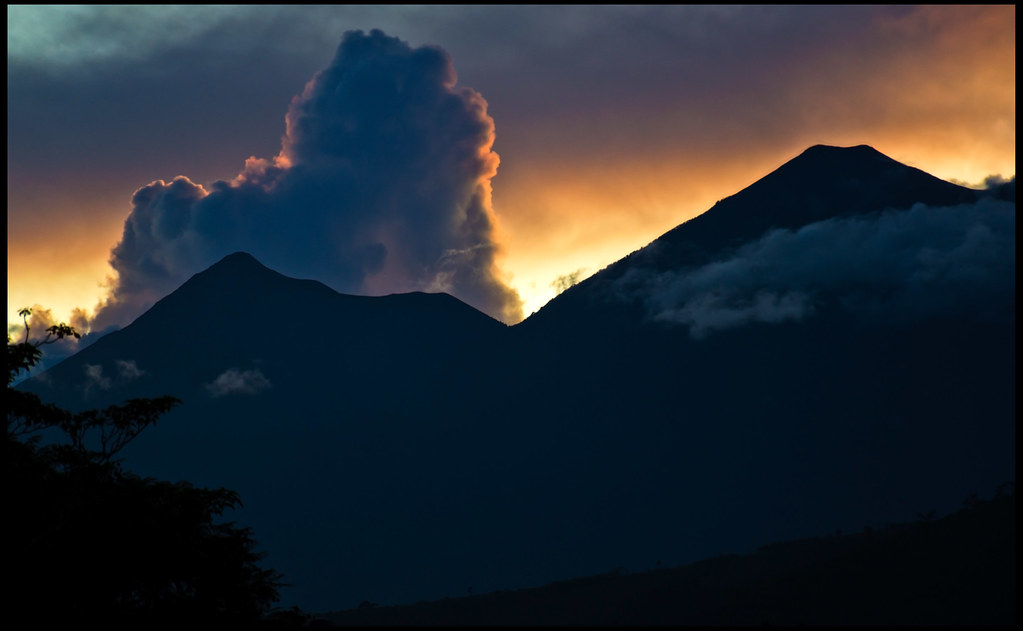
Approaching Cerro Azul, hikers are greeted by a commanding stratovolcano rising sharply against the Chilean sky. The landscape is a dramatic contrast of barren volcanic slopes and lush surrounding valleys. The ascent reveals layers of volcanic history underfoot, with ash and lava fields telling tales of past eruptions. Reaching the summit crater, which opens northward, offers a profound sense of geological power and solitude. The panoramic views over Llanquihue Lake and the Andes evoke awe and a deep connection to Earth’s fiery forces.
The Volcano Itself: Geological Background
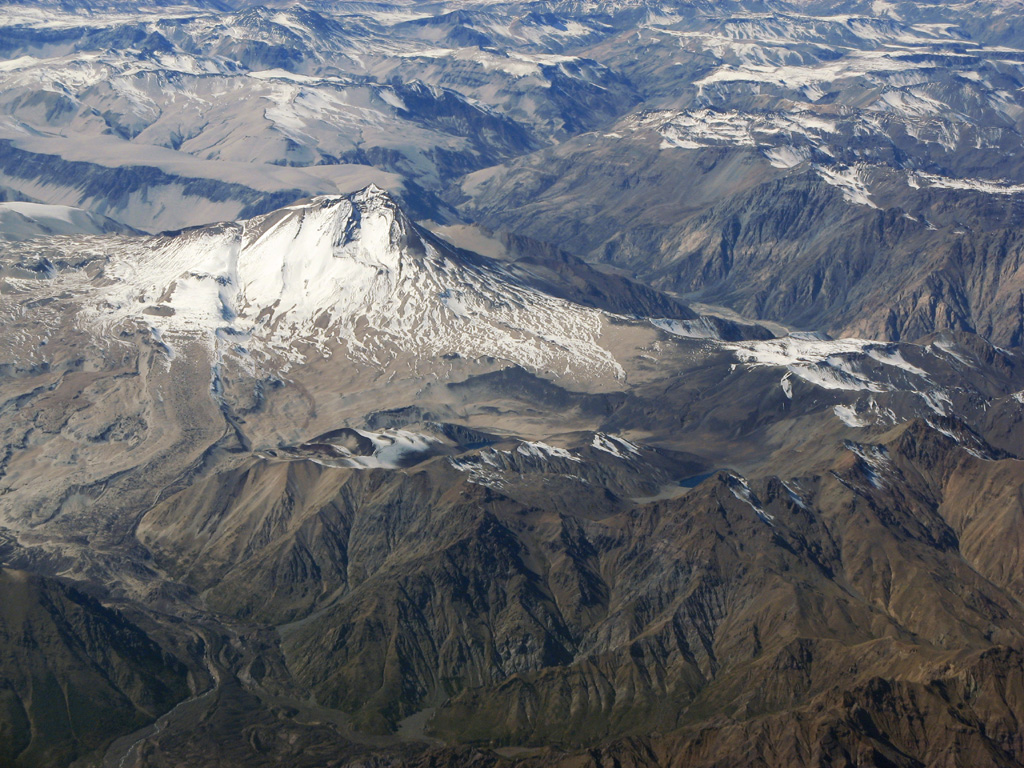
Cerro Azul is a classic stratovolcano formed by successive layers of lava flows, ash, and volcanic debris. Located in Chile’s South Volcanic Zone, it owes its existence to the subduction of the Nazca and Antarctic tectonic plates beneath the South American Plate. This tectonic activity fuels the volcano’s eruptions, which have shaped the landscape over hundreds of thousands of years. Notably, Cerro Azul’s Quizapu vent produced one of the largest explosive eruptions of the 20th century in 1932, sending a towering Plinian column of ash high into the atmosphere. The volcano’s summit crater, about 500 meters wide, is open to the north and surrounded by numerous scoria cones and flank vents. These features reflect a complex volcanic history marked by both effusive lava flows and violent explosive events. The presence of dacitic lava and tephra deposits reveals the volcano’s varied magma composition, while fumaroles and steam vents occasionally signal residual geothermal activity beneath the surface.
The Volcano Trek: Terrain and Hiking Experience
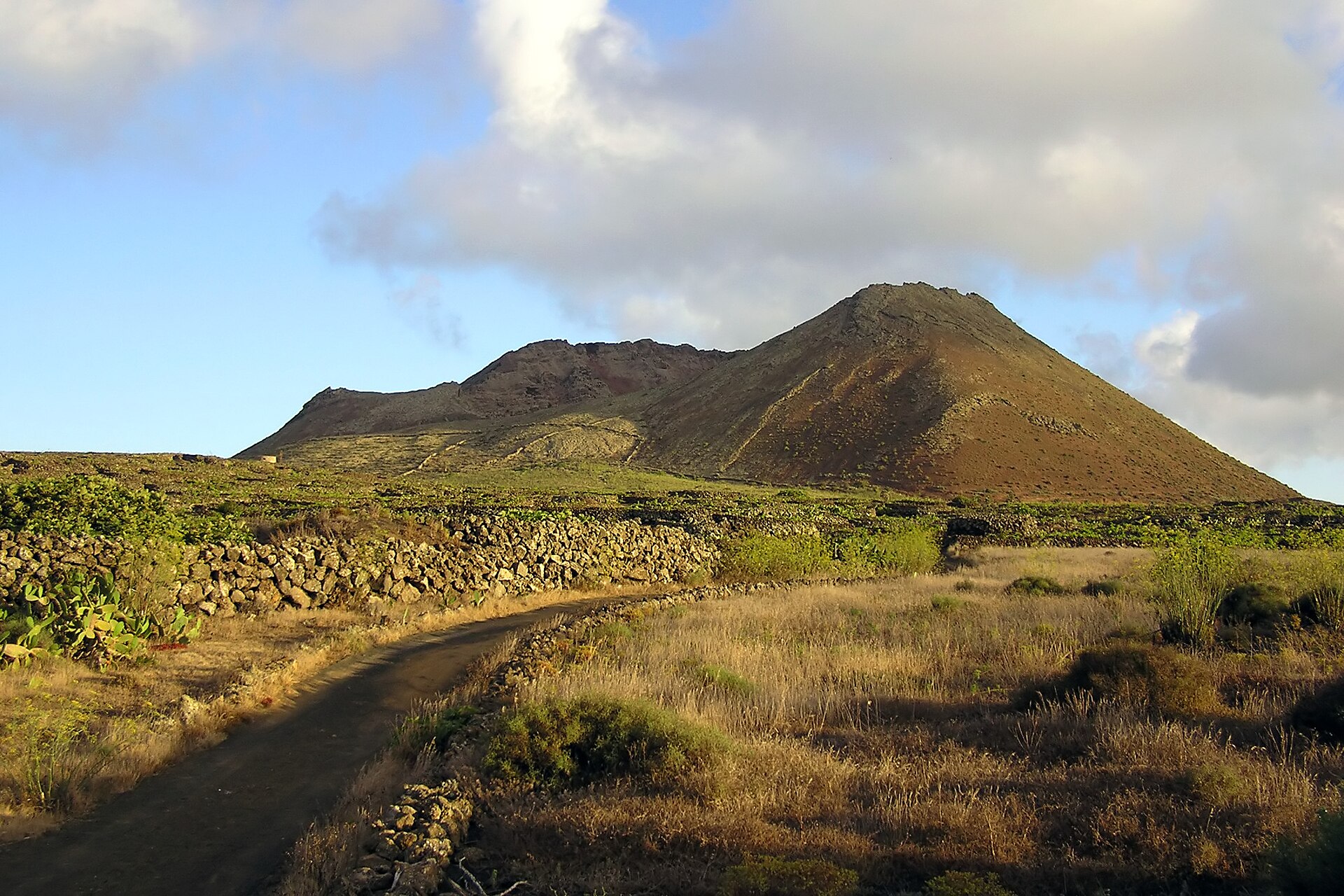
Trekking Cerro Azul offers a compelling mix of physical challenge and geological spectacle. The trail begins through dense forest and transitions into volcanic terrain characterized by loose ash, pumice, and rugged lava fields. Hikers encounter steep slopes composed of fine volcanic ash that can be slippery and require careful footing. The ascent demands endurance as altitude rises to nearly 3,800 meters, where oxygen levels thin and temperature drops. The terrain varies from soft ash slopes to jagged lava rock requiring occasional scrambling. Scoria cones and flank vents add diversity to the landscape, with some sections featuring loose scree that tests balance and stability. Wind conditions near the summit can be strong and chilling, necessitating windproof clothing. The trail’s exposure on the crater rim offers breathtaking views but also requires caution due to unstable edges. Temperature shifts are notable, with warm conditions at the base giving way to cooler, brisk air near the summit. The volcanic soil supports sparse vegetation, enhancing the stark beauty of the hike. Overall, the trek is moderately difficult, suitable for hikers with good fitness and some experience on uneven, volcanic terrain. The combination of physical exertion and immersive volcanic landscape makes the Cerro Azul trek a rewarding adventure for volcano enthusiasts.

What Makes This Volcano Trek Unique
Cerro Azul stands out for its dramatic panoramic views over Llanquihue Lake and the surrounding Andes mountain range. Unlike many volcanoes, its summit crater opens northward, providing a unique vantage point to observe the volcanic landscape and distant lakes. The volcano’s history of massive eruptions, especially the 1932 Plinian event at Quizapu crater, adds a layer of geological significance. Trekkers can explore multiple scoria cones and flank vents, offering varied terrain rarely found in a single volcano hike. The contrast between lush valleys and stark volcanic slopes creates a compelling visual and emotional experience. The volcano’s moderate difficulty level makes it accessible to a broad range of hikers seeking both challenge and natural beauty.
The Summit and Crater Experience
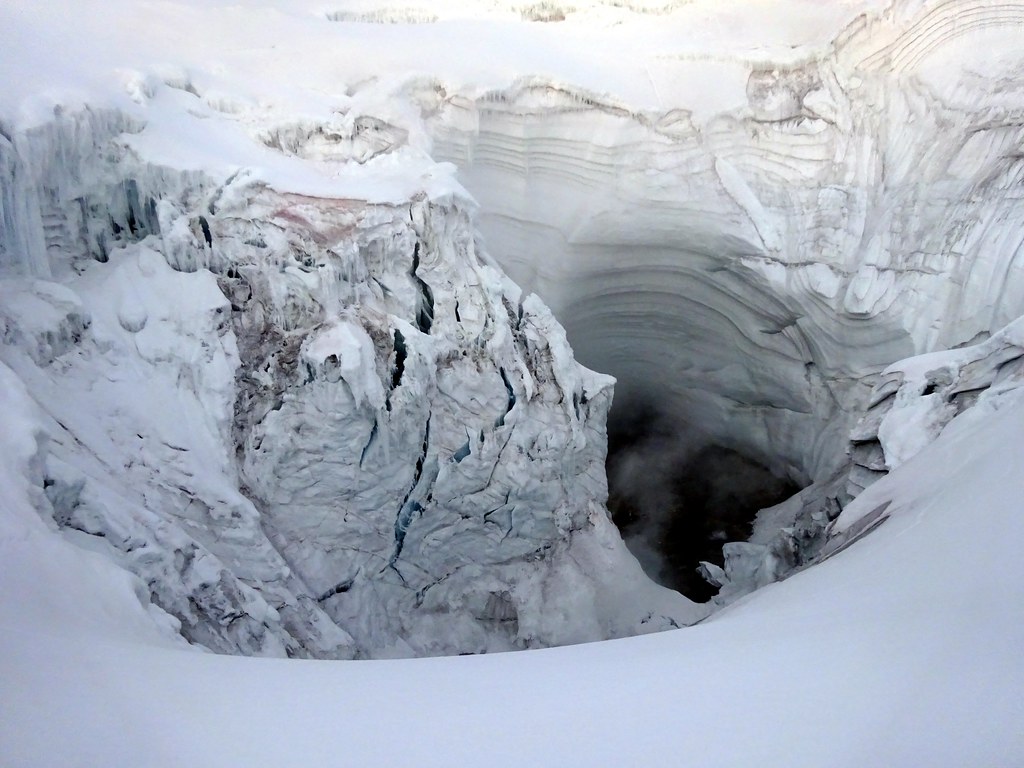
Reaching Cerro Azul’s summit crater is a moment of profound awe. The vast 500-meter-wide crater opens to the north, revealing a rugged volcanic bowl shaped by past explosive eruptions. From the rim, hikers witness sweeping views of the Andes peaks and the shimmering expanse of Llanquihue Lake below. The air carries a faint sulfuric scent, a reminder of the volcano’s dormant but potent nature. Gentle steam vents may be visible, and the ground beneath can feel warm in places. The crater’s edge is exposed and windswept, heightening the sense of standing on the edge of a powerful geological force. The panoramic vistas and the silence broken only by the wind create an unforgettable sensory experience.

Best Time to Trek Cerro Azul Volcano
The optimal trekking season for Cerro Azul is from October to April, corresponding to the Southern Hemisphere’s spring through autumn. During these months, weather conditions are generally stable with milder temperatures ranging from 5°C to 20°C. Snow is rare but possible at higher elevations early or late in the season. Summer months offer longer daylight hours, ideal for summit attempts and photography. Trekking outside this window increases the risk of cold temperatures, snow, and unpredictable weather, which can complicate the ascent. Volcanic activity is currently dormant, but hikers should always check local volcanic monitoring updates before planning their trip. Early morning climbs are recommended to avoid afternoon winds and to experience spectacular sunrises over the volcanic landscape.
Trekking Routes and Trail Options
Cerro Azul offers several trekking routes, with the most popular starting from the base near San Clemente in the Maule Region. The primary trail ascends through forested lower slopes before transitioning to volcanic ash and lava terrain. This route covers approximately 12 kilometers round trip, with an elevation gain of about 1,200 meters, typically completed in 1 to 2 days depending on pace and acclimatization. Trekkers can choose to camp at designated base camps or complete the ascent as a long day hike. Alternative routes include approaches from the west flank, which pass by the La Resoloma craters and offer additional geological features to explore. Guided tours often combine Cerro Azul with nearby Descabezado Grande volcano for a multi-day expedition. Both guided and self-guided options are available, though hiring a local guide is recommended for safety and navigation. Trail conditions vary seasonally, with some sections prone to loose scree and ash that can slow progress. GPS tracks and maps are accessible online for independent trekkers.
Difficulty Assessment
Cerro Azul is classified as a moderate volcano trek. The primary challenges include steep ash slopes that require careful footing, loose volcanic scree, and occasional scrambling over rocky lava fields. Altitude is a significant factor, with the summit reaching 3,788 meters, which can cause mild altitude sickness in unacclimatized hikers. The trek does not require technical climbing skills or specialized equipment but demands good physical fitness and experience with uneven terrain. Weather conditions, including wind and temperature fluctuations, add to the challenge. Overall, it is suitable for hikers who have completed moderate mountain treks and are prepared for variable volcanic terrain.
Essential Volcano Trekking Gear
Key gear for trekking Cerro Azul includes sturdy hiking boots with excellent grip to handle loose ash and rocky terrain. Trekking poles are highly recommended to aid balance on steep slopes and scree. A windproof and waterproof jacket is essential due to variable weather and strong summit winds. Layered clothing helps manage temperature changes from base to summit. A headlamp is useful for early morning starts or late descents. Sun protection, including a wide-brimmed hat, sunglasses, and high SPF sunscreen, is critical as volcanic slopes offer little shade. Hydration systems or water bottles are necessary, as water sources are scarce on the upper slopes. A gas mask or respirator is generally not required given the dormant status but may be considered if fumaroles emit gases. A first aid kit and navigation tools such as GPS or maps complete the essential kit.
Safety and Volcanic Hazards
While Cerro Azul is currently dormant, its history of large explosive eruptions necessitates respect and caution. Potential hazards include unstable crater edges, loose scree that can cause falls, and sudden weather changes that reduce visibility and increase risk. Volcanic gases are minimal at present but can occasionally be detected near fumaroles; hikers sensitive to sulfur should be prepared. Monitoring agencies in Chile maintain surveillance of volcanic activity and issue warnings if unrest occurs. It is advisable to check the latest volcanic activity reports before trekking. Wearing a helmet is recommended in areas prone to rockfall. Emergency plans and communication devices should be part of any trek. Hiring experienced local guides enhances safety by providing knowledge of terrain and current conditions.
Permits, Guides, and Logistics
Trekking Cerro Azul requires obtaining permits from local authorities, typically through the Maule Region’s park administration or municipal offices in San Clemente. Permits help regulate visitor numbers and ensure safety. The cost is generally modest but varies depending on the season and group size. Several reputable tour operators offer guided treks to Cerro Azul, including Andes Adventure Tours, Chile Volcano Treks, and Patagonia Volcano Expeditions. These companies provide comprehensive packages including permits, transportation, guides, and camping equipment if needed. Guided tours are highly recommended for first-time visitors due to the challenging terrain and navigation demands. Logistics involve traveling to San Clemente, the nearest town with road access and basic services. From there, transport to trailheads is arranged by operators or via local taxis. Accommodation options in San Clemente and nearby towns support pre- and post-trek stays. Hikers should plan for variable weather and carry sufficient supplies, as facilities on the volcano are minimal. Advance booking of permits and guides is advised during peak trekking season.
Where to Stay Near Cerro Azul Volcano
Accommodation options near Cerro Azul are centered around the town of San Clemente, approximately 30 kilometers from the volcano’s base. San Clemente offers a range of lodging including small hotels, guesthouses, and hostels catering to trekkers and travelers. Notable options include Hotel San Clemente, which provides comfortable rooms and easy access to local amenities. For a more rustic experience, Rancho Cerro Azul offers charming rooms with private jacuzzis and balconies overlooking the Fortuna River, ideal for relaxation after a day on the trail. While there are no lodges directly on the volcano, several campsites are established near trailheads for those preferring to camp. The nearby city of Talca, about 70 kilometers away, offers additional accommodation and services for travelers. Visitors can find restaurants, gear shops, and transport connections in these towns. Booking in advance during the trekking season is recommended to secure preferred lodging. The proximity of these bases allows for flexible itinerary planning and acclimatization before the ascent.