

Trekking El Chichón Volcano: A Complete Guide to Hiking Mexico’s Active Volcanic Crater Lake
El Chichón Volcano in Chiapas, Mexico, offers a unique trekking experience to an active stratovolcano with a dramatic crater lake formed after its catastrophic 1982 eruption. This guide covers the geological background, hiking terrain, routes, safety, permits, and accommodation options for adventurous volcano trekkers.
Quick Volcano Snapshot
| Attribute | Value |
|---|---|
| Volcano type | Complex stratovolcano with lava domes and tuff ring |
| Elevation | 1,205 meters (3,953 feet) |
| Location | Francisco León, Chiapas, Mexico |
| Activity status | Active |
| Trekking difficulty | Moderate |
| Typical trek duration | Full day (approximately 6-8 hours) |
| Altitude gain | Approximately 600 meters |
| Terrain type | Ash deposits, lava domes, crater rim, volcanic rock, steep slopes |
| Best season | Dry season (November to April) |
| Temperature range | 15°C to 25°C (59°F to 77°F) |
| Permit requirement | Community permits required, usually arranged by tour operators |
Introduction: The Experience of Hiking El Chichón Volcano
Approaching El Chichón Volcano, trekkers are greeted by a landscape marked by the raw power of nature. The towering stratovolcano rises amid lush Chiapas forests, yet its summit reveals a stark contrast: a vast crater lake shimmering in vivid green hues, a testament to the violent 1982 eruption. The trail winds through ash-covered terrain and volcanic rock, offering a palpable sense of geological force. Reaching the crater’s edge, hikers encounter steaming fumaroles and mineral-rich thermal pools, immersing them in an otherworldly volcanic environment. The emotional impact of standing on the rim of an active volcano, overlooking a deep acidic lake, is profound and unforgettable.
The Volcano Itself: Geological Background
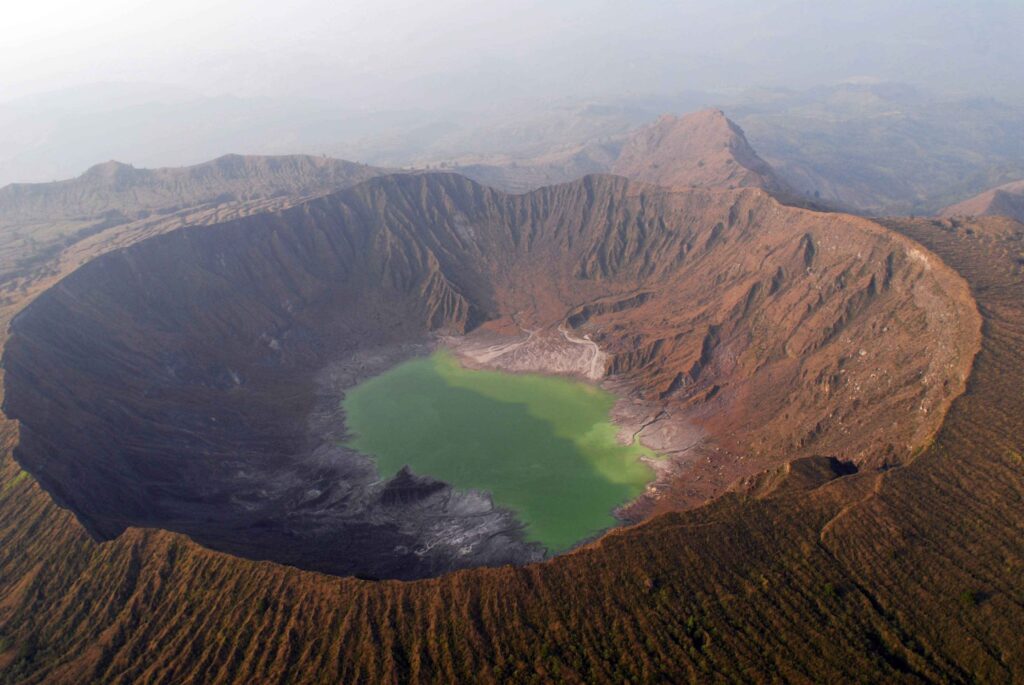
El Chichón is a complex stratovolcano located in the Chiapanecan Volcanic Arc of Chiapas, Mexico. It features a combination of lava domes and a tuff ring formed by explosive eruptions. The volcano remained dormant for centuries until its catastrophic 1982 eruption, which created a 1-kilometer-wide, 300-meter-deep crater now filled with an acidic crater lake. This eruption was characterized by powerful Plinian explosions, pyroclastic flows, and surges that devastated the surrounding area. The volcano’s magma is high in sulfur content, contributing to the formation of sulfur deposits and fumaroles around the crater. The 1982 eruption significantly altered the landscape, covering it with thick ash deposits and reshaping the summit. El Chichón’s geological activity continues to be closely monitored due to its potential hazards.
The Volcano Trek: Terrain and Hiking Experience
Hiking El Chichón Volcano is a demanding yet rewarding adventure that immerses trekkers in a dynamic volcanic landscape. The trail begins through dense forest typical of the Chiapas region, gradually transitioning to open volcanic terrain marked by thick ash deposits and eroded lava flows. Trekkers encounter steep slopes composed of loose volcanic ash and pumice, which require careful footing and moderate physical fitness. The ascent involves navigating rugged paths with occasional scrambling over volcanic rock and lava domes. Approaching the crater rim, the terrain becomes more exposed, with strong winds and temperature fluctuations adding to the challenge. Descending into the crater is a unique experience; the path leads down steep ash banks and small canyons carved by erosion. Safety ropes are often used here to assist hikers. At the crater bottom, the vivid green acidic lake contrasts strikingly with the surrounding barren volcanic rock. Thermal pools and fumaroles emit steam and sulfurous gases, creating a surreal atmosphere. The terrain’s volcanic nature means hikers must be prepared for uneven surfaces, loose scree, and occasional slippery sections near steam vents. Overall, the trek demands endurance and attention but rewards with spectacular geological features and panoramic views of the Chiapas highlands.
What Makes This Volcano Trek Unique
El Chichón Volcano stands out for its dramatic crater lake formed after the 1982 eruption, a rare feature among active volcanoes. The lake’s striking emerald-green color results from dissolved volcanic minerals and acidic waters, offering a surreal visual spectacle. The presence of thermal pools within the crater allows for a rare opportunity to experience geothermally heated waters amidst volcanic terrain. The volcano’s recent and well-documented eruption history provides a living laboratory for understanding volcanic hazards and recovery. Additionally, the trek passes through the culturally rich Zoque community, where local guides share indigenous stories and traditions, enriching the adventure with cultural depth. The combination of active volcanic features, unique crater lake, and cultural immersion makes El Chichón a distinctive destination for volcano enthusiasts.
The Summit and Crater Experience
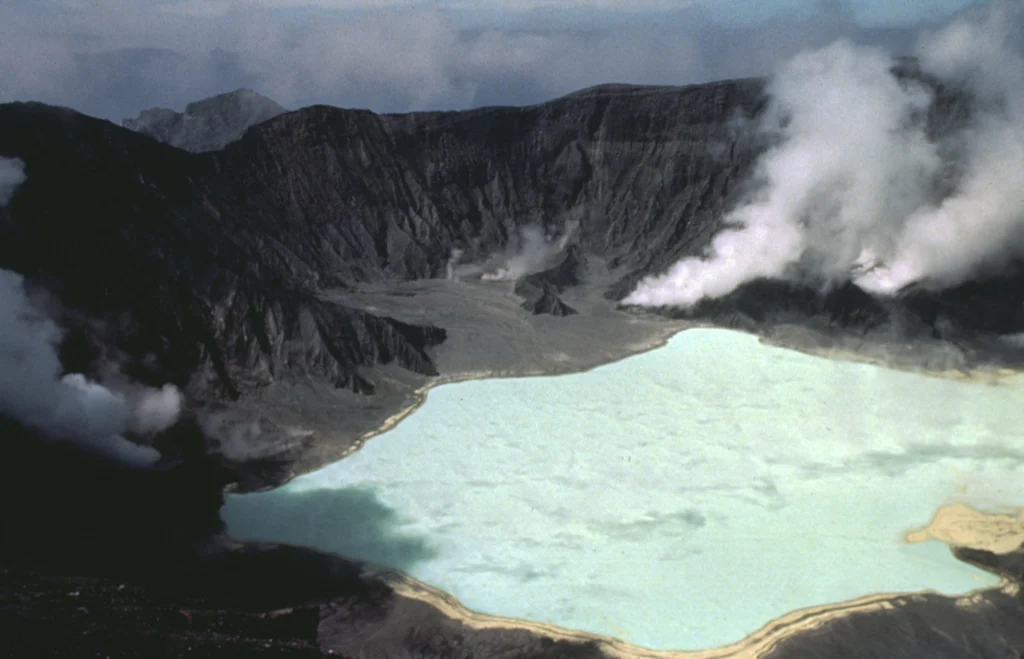
Reaching the summit of El Chichón Volcano reveals a breathtaking panorama of Chiapas’ mountainous landscape. The summit crater, a vast depression over a kilometer wide and 300 meters deep, contains the vivid green acidic lake that dominates the scene. The air is tinged with the sharp scent of sulfur, and steam rises from fumaroles scattered around the crater rim. The ground beneath your feet is warm in places, a reminder of the volcano’s underlying heat. The crater lake’s surface shimmers with mineral-rich waters, occasionally disturbed by bubbling vents and boiling areas. The silence here is punctuated by the faint hiss of escaping gases and the distant calls of wildlife. This sensory experience — the colors, smells, sounds, and heat — creates a powerful connection to the Earth’s volcanic forces. Photographers and nature lovers find the crater rim an exceptional vantage point for capturing the interplay of light, water, and volcanic rock.
Best Time to Trek El Chichón Volcano
The optimal time to trek El Chichón is during the dry season, from November to April, when weather conditions are more stable and trails are less muddy. Early morning starts are recommended to avoid afternoon rain showers and to experience cooler temperatures during the ascent. The dry season also reduces the risk of slippery volcanic ash and unstable terrain. Volcanic activity is continuously monitored, and access may be restricted during periods of increased unrest. Trekkers should check with local guides or authorities for current conditions. Avoiding the rainy season is crucial, as heavy rains can trigger lahars and make trails hazardous. The moderate climate during the dry months, with temperatures ranging from 15°C to 25°C, provides comfortable trekking conditions.
Trekking Routes and Trail Options
The primary route to El Chichón’s crater begins near the village of Pichucalco, the closest agricultural center to the volcano. Trekkers typically start early from this base, often arranged by local tour operators who provide transportation from Villahermosa or Tuxtla Gutiérrez. The trail covers approximately 6.5 kilometers one way, with an elevation gain of around 600 meters. The path traverses ash banks, lava fields, and forested sections before reaching the crater rim. Descending into the crater requires the use of safety ropes due to steep ash slopes. Guided tours are highly recommended due to the challenging terrain and the need for local knowledge of volcanic hazards. Some operators offer full-day excursions including transportation, permits, meals, and expert guides. Self-guided trekking is possible but not advised without experience and proper preparation. Alternative routes are limited due to the volcano’s remote location and protected status, making the main trail the preferred and safest option for visitors.
Difficulty Assessment
El Chichón Volcano trek is classified as a moderate volcano ascent. The terrain includes steep ash slopes, loose volcanic rock, and occasional scrambling sections that require good balance and stamina. Altitude is relatively low at around 1,200 meters, so altitude sickness is generally not a concern. However, the uneven and sometimes slippery volcanic terrain demands a reasonable level of fitness and surefootedness. The descent into the crater involves steep slopes where safety ropes may be necessary. Weather conditions such as wind and temperature changes can add to the challenge. This trek is suitable for hikers with some prior experience in volcanic or mountainous terrain but is not recommended for beginners or those with mobility issues.
Essential Volcano Trekking Gear
Key gear for trekking El Chichón includes sturdy hiking boots with excellent grip to handle loose ash and rocky terrain. Trekking poles are highly recommended to aid balance on steep and unstable slopes. A windproof and waterproof jacket is essential due to variable weather and potential rain. Sun protection such as a wide-brimmed hat, sunglasses, and high SPF sunscreen is necessary because of limited shade. Carry sufficient water and snacks to stay hydrated and energized during the full-day hike. A headlamp or flashlight is useful for early starts or late finishes. Due to volcanic gases, some trekkers may consider a lightweight respirator or mask, especially near fumaroles. A small first aid kit, camera, and layered clothing for temperature changes complete the recommended gear list.
Safety and Volcanic Hazards
El Chichón remains an active volcano with potential hazards including toxic volcanic gases such as sulfur dioxide, unstable crater edges, and loose volcanic ash slopes. Pyroclastic flows and lahars occurred during the 1982 eruption, and while currently dormant, the volcano is closely monitored by Mexican geological authorities. Visitors should heed all safety warnings and avoid venturing too close to fumaroles or steam vents due to risk of burns and gas inhalation. The crater rim can be windy and slippery, requiring caution. Local guides are trained to navigate hazards and provide up-to-date information on volcanic activity. Emergency protocols are in place through the Chiapas Civil Protection Secretariat, which communicates with communities and tourists about safety measures. Trekkers should carry communication devices and inform guides of any health issues before the hike.
Permits, Guides, and Logistics
Access to El Chichón Volcano requires community permits, which are typically arranged by local tour operators. The remote location and challenging road conditions make guided tours the preferred option for most visitors. Notable operators include Jungla Experience, Travel Buddies, Somewhere Good, and JTG Travel, all offering full-day excursions from Villahermosa or Tuxtla Gutiérrez. These tours generally include private air-conditioned transportation, community permits, adventure insurance, expert local guides, and meals. Permit costs are bundled into tour prices, which range around $100 to $120 USD per person. Booking in advance is recommended due to limited availability and the popularity of guided hikes. The journey from Villahermosa takes over three hours by vehicle due to rough roads. Guides provide essential safety briefings, cultural insights, and support during the hike. Self-guided trekking is possible but not advised without experience and local knowledge. Visitors should prepare for an early start, typically around 5:00 am, to maximize daylight and avoid afternoon weather changes. Communication with tour operators is essential to confirm current volcanic activity status and access permissions.
Where to Stay Near El Chichón Volcano
Accommodation options near El Chichón Volcano are primarily located in the nearby cities of Villahermosa and Tuxtla Gutiérrez, both approximately 70 to 80 kilometers from the volcano. Villahermosa offers a range of hotels such as Hotel Villa Mercedes and Quinta Real Villahermosa, providing comfortable amenities and easy access to tour meeting points. Tuxtla Gutiérrez, the capital of Chiapas, features accommodations like Hotel Casa Real and Holiday Inn Express, suitable for travelers seeking urban comforts before or after the trek. Closer to the volcano, the village of Pichucalco serves as the nearest rural base, though lodging options are limited and more rustic. Some eco-lodges and guesthouses in the Chiapas highlands offer authentic local experiences but require advance arrangements. Most guided tours include early morning pickup from Villahermosa or Tuxtla Gutiérrez, making overnight stays in these cities convenient. Facilities in these urban centers include restaurants, gear shops, and transportation services, essential for preparing for the volcano trek. For those seeking immersion in nature, camping near the volcano is possible with specialized operators who provide base camp tents, cooking facilities, and safety equipment.