Climbing Cotopaxi Volcano: The Ultimate Guide to Ecuador’s Glacier-Capped Active Stratovolcano
Cotopaxi Volcano, one of the highest active volcanoes in the world, offers a demanding yet rewarding glacier climb in Ecuador’s Avenue of the Volcanoes. This guide covers geology, trekking terrain, routes, permits, gear, safety, and accommodation for an unforgettable high-altitude adventure.
Quick Volcano Snapshot
| Attribute | Value |
|---|---|
| Volcano type | Stratovolcano |
| Elevation | 5,897 meters (19,347 feet) |
| Location | Avenue of the Volcanoes, Ecuador |
| Activity status | Active |
| Trekking difficulty | Demanding |
| Typical trek duration | 2 days (summit climb) |
| Altitude gain | Approx. 1,100 meters from José Rivas Refuge |
| Terrain type | Glacier, volcanic rock, snow slopes, ash |
| Best season | June to September, December to February |
| Temperature range | -10°C to 10°C (summit), variable with altitude |
| Permit requirement | No special permit required, but certified guide mandatory |
The Experience of Hiking Cotopaxi Volcano
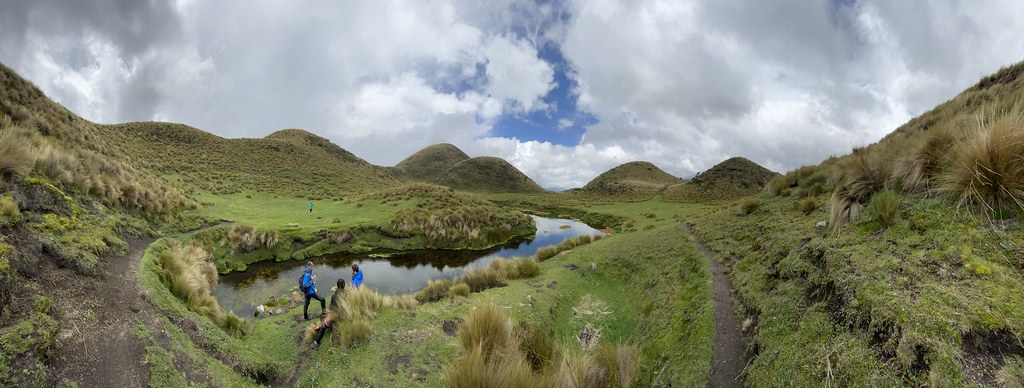
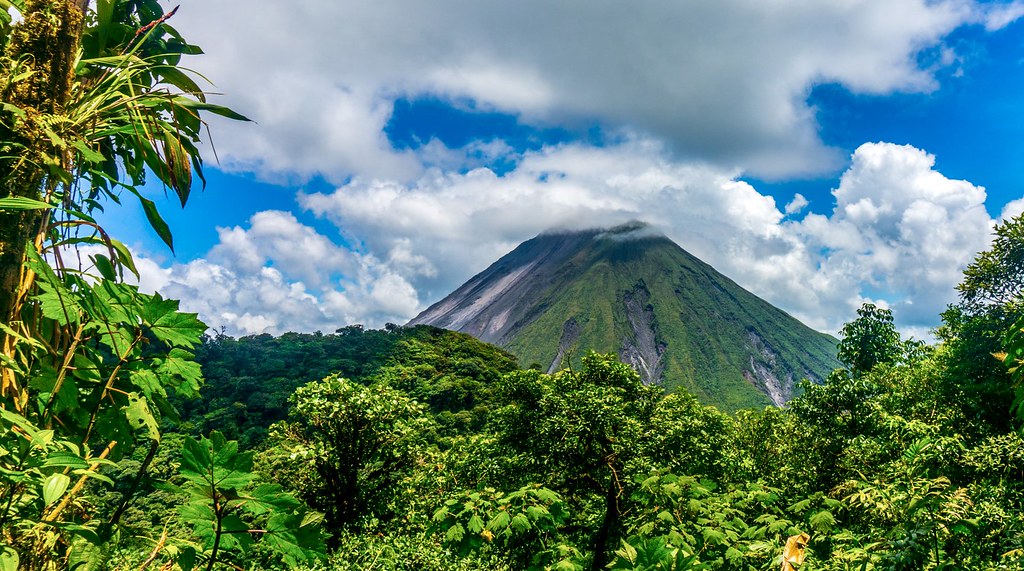
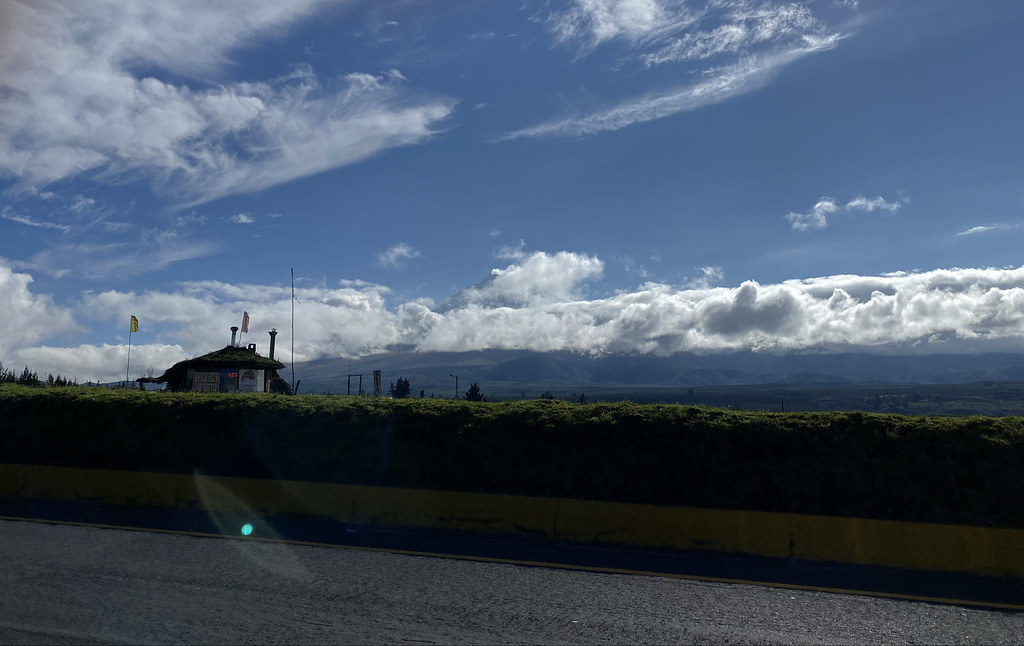
Approaching Cotopaxi, the landscape unfolds into a dramatic panorama dominated by its near-perfect snow-capped cone. The stark contrast between the barren volcanic slopes and the surrounding Andean páramo creates a surreal atmosphere. As you ascend, the air thins and the terrain shifts from rugged volcanic rock to glistening glaciers. The emotional crescendo builds with every step toward the summit, culminating in the breathtaking spectacle of sunrise over the crater rim, where the raw power of Earth’s geology is palpable.

Geological Background of Cotopaxi Volcano
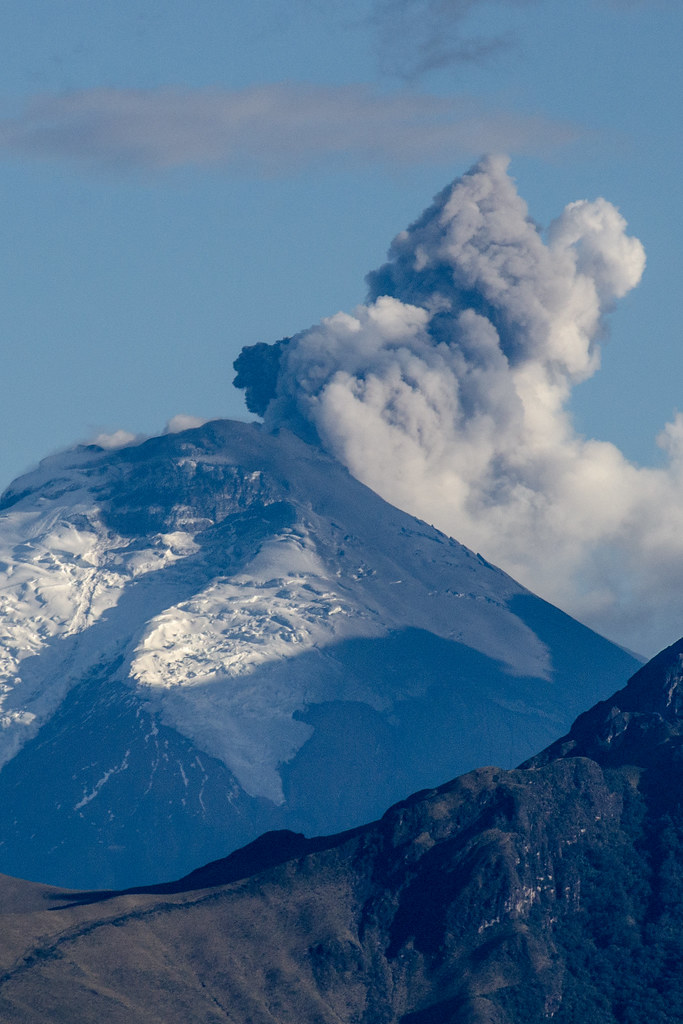
Cotopaxi is a towering stratovolcano in the Andes Mountains of Ecuador, rising to 5,897 meters. It formed through successive layers of lava flows, ash, and volcanic debris, creating its iconic symmetrical cone. Cotopaxi is one of the world’s highest active volcanoes, with a history of over 80 eruptions recorded since the 16th century. Its summit is capped by one of the few equatorial glaciers, shaped by persistent snow accumulation and cold temperatures at altitude. The volcano’s crater features fumaroles and steam vents, emitting sulfurous gases that hint at its ongoing subterranean activity. Its lava flows and pyroclastic deposits have shaped the surrounding landscape, while mineral-rich fumaroles create vivid sulfur deposits. Cotopaxi’s geological dynamism is closely monitored due to its potential for explosive eruptions.
Terrain and Hiking Experience on Cotopaxi
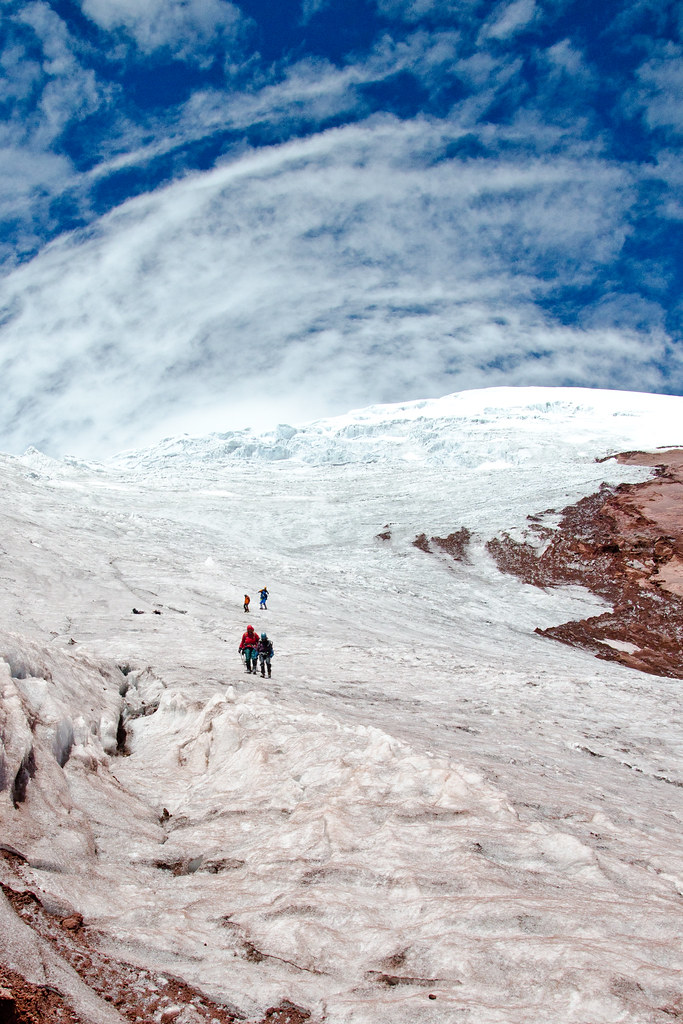
The trek up Cotopaxi is a demanding high-altitude mountaineering challenge that combines steep volcanic slopes, glacier travel, and technical ice climbing elements. Starting from the José Rivas Refuge at 4,800 meters, hikers face a gradual ascent through loose volcanic ash and rock, which can be slippery and unstable underfoot. The terrain transitions to snow-covered slopes and glacial ice as the climb progresses, requiring the use of crampons and ice axes. Trekkers must navigate crevasses and snow bridges on the glacier, demanding careful foot placement and attention to safety. The altitude significantly impacts physical exertion, with oxygen levels dropping sharply above 5,000 meters, making acclimatization essential. Wind conditions near the summit can be severe, with temperatures plunging below freezing, necessitating layered clothing and windproof gear. The ascent typically takes 6 to 7 hours, with a pre-dawn start to reach the summit by sunrise, avoiding the afternoon’s unstable glacier conditions. Descending involves careful scree sliding and retracing steps through the volcanic terrain. The combination of volcanic ash, ice, and rock creates a unique hiking experience that tests endurance, technical skills, and mental resilience.
What Makes the Cotopaxi Trek Unique
Cotopaxi stands out for its status as one of the highest active volcanoes globally, crowned by a rare equatorial glacier. The trek offers a blend of volcanic and glacial landscapes rarely found together. Climbers witness the pristine snowfields contrasting with rust-colored volcanic slopes, while the summit rewards with panoramic views of the Andes, including neighboring peaks like Chimborazo and the Ilinizas. The experience of standing on an active crater rim, feeling the heat of fumaroles and smelling sulfur, adds a primal connection to Earth’s forces. The trek’s accessibility from Quito and the presence of well-established refuges and certified guides make it a premier destination for adventurous mountaineers seeking a high-altitude challenge with rich geological significance.
Summit and Crater Experience on Cotopaxi
Reaching Cotopaxi’s summit at nearly 5,900 meters is a profound moment. The thin air and cold bite of the wind heighten the senses as climbers step onto the crater rim. The vast crater, often steaming with fumaroles, emits a faint sulfurous scent, a reminder of the volcano’s latent power. The panoramic vista stretches across the Andes, revealing snow-capped peaks, deep valleys, and the sprawling volcanic landscape below. The sunrise bathes the scene in golden light, illuminating the glacier’s crevasses and the rugged terrain. The silence is punctuated only by the hiss of escaping gases and the crunch of boots on ice. This sensory immersion into the heart of an active volcano is both humbling and exhilarating.
Best Time to Trek Cotopaxi Volcano
The optimal climbing seasons for Cotopaxi are during the dry months from June to September and December to February. These periods offer clearer skies, more stable weather, and safer glacier conditions. However, weather in the high Andes can be unpredictable, with sudden temperature drops, strong winds, and snowfalls possible year-round. Climbers should avoid the rainy season, which brings increased cloud cover and slippery terrain. Summit attempts typically start at midnight to reach the peak by sunrise, minimizing exposure to afternoon glacier instability. Monitoring volcanic activity is crucial, as eruptions or increased fumarolic activity can lead to temporary closures. Always check local forecasts and park advisories before planning your ascent.
Routes and Trail Options for Climbing Cotopaxi
The primary ascent routes on Cotopaxi begin from the José Rivas Refuge, situated at 4,800 meters. Two main trail options are the Yanasacha and the Heartbreaker routes. Both routes involve glacier travel and steep snow slopes, with guides selecting the safest path based on current conditions. The Yanasacha route is slightly longer but considered more gradual, while the Heartbreaker is steeper and more direct. Climbers typically spend the first day hiking to the refuge for acclimatization and skills practice on the glacier. Summit day starts around midnight, with a 6 to 7-hour climb to the top, followed by a 3 to 4-hour descent. Guided climbs are mandatory by Ecuadorian law, ensuring safety and adherence to regulations. Alternative acclimatization hikes in the region include nearby peaks like Iliniza Norte and Pasochoa, which help prepare climbers for Cotopaxi’s altitude and terrain.
Difficulty Assessment of Cotopaxi Climb
Cotopaxi is classified as a demanding volcano ascent requiring good physical fitness, acclimatization, and basic mountaineering skills. The climb involves steep snow and ice slopes, glacier navigation, and the use of technical equipment such as crampons and ice axes. Altitude poses a significant challenge, with the summit nearing 6,000 meters, where oxygen levels are low and altitude sickness is a risk. The terrain includes loose volcanic ash, scree, and icy sections, demanding surefootedness and endurance. While technical climbing experience is not mandatory, climbers must be comfortable with glacier travel and self-arrest techniques. The ascent is best suited for experienced hikers with prior high-altitude exposure or those who have undergone acclimatization treks in the region.
Essential Gear for Climbing Cotopaxi
Climbing Cotopaxi requires specialized gear to handle glacier travel and high-altitude conditions. Essential items include mountaineering boots compatible with crampons, crampons themselves, an ice axe, helmet, harness, and a headlamp for pre-dawn summit starts. Layered clothing is critical: moisture-wicking base layers, insulating mid-layers, and a windproof, waterproof outer shell. Gloves, a warm hat, and sunglasses with UV protection are necessary to guard against cold and sun exposure. A gas mask or respirator is generally not required but can be useful for sensitive individuals due to volcanic gases. Trekking poles aid stability on loose terrain. Hydration systems and high-energy snacks support endurance. Many tour operators provide rental gear and technical equipment as part of guided packages.
Safety and Volcanic Hazards on Cotopaxi
Cotopaxi is an active volcano closely monitored by Ecuador’s Geophysical Institute, which tracks seismic activity, gas emissions, and temperature changes. Climbers must heed park advisories and potential closures due to volcanic unrest. Hazards include exposure to volcanic gases such as sulfur dioxide, which can irritate the respiratory system. The glacier presents risks of crevasses and snow bridges that can collapse underfoot, requiring careful navigation and use of safety equipment. Unstable crater edges and falling rocks pose additional dangers. Weather can change rapidly, with high winds, freezing temperatures, and storms increasing risk. Certified guides carry oxygen and medical kits, adjusting plans to ensure climber safety. Awareness, preparation, and adherence to regulations are vital for a secure ascent.
Permits, Guides, and Logistics for Climbing Cotopaxi
Climbing Cotopaxi requires registration at Cotopaxi National Park, where climbers must present identification such as a passport. No special climbing permit is needed beyond park entry, but Ecuadorian law mandates that all summit attempts be accompanied by certified mountain guides, ensuring safety and compliance with regulations. Several reputable tour operators provide comprehensive guided packages, including Cotopaxi Travel, Cotopaxi Summit, AndeanFace, Alpenglow Expeditions, Ian Taylor Trekking, Summit Ecuador, Andes Ecotours, and Cotopaxi Adventure. These companies offer services ranging from acclimatization hikes, equipment rental, transportation, to summit support. Costs vary; for example, guided climbs typically range from $365 to $595 depending on group size and services. Booking should be done at least four days in advance to process paperwork and secure guide availability. The climb usually spans two days: an initial hike to the José Rivas Refuge for acclimatization and glacier skills practice, followed by a midnight summit push. Transport logistics include transfers from Quito or Latacunga to the park entrance, often arranged by tour operators. Climbers should prepare physically and mentally, following operator advice on acclimatization and gear. Park entrance fees apply, and climbers must respect environmental regulations to preserve the fragile ecosystem.
Where to Stay Near Cotopaxi Volcano
Accommodation options near Cotopaxi cater to climbers and visitors seeking comfort and proximity to the volcano. The José Rivas Refuge, located at 4,800 meters, serves as the primary basecamp for summit attempts. It offers dormitory-style rooms with approximately 75 beds, a restaurant, and basic amenities. Climbers stay here overnight before the summit climb, experiencing high-altitude conditions firsthand. For pre-acclimatization and rest, the town of El Chaupi hosts the El Chaupi Hostel, known for its comfortable rooms, home-cooked meals, and warm hospitality, making it a favored spot among climbers. Nearby lodges such as Tambopaxi Lodge and Chilcapamba Lodge provide mountain lodge comforts with stunning volcano views, meals, and guided services. In Latacunga, about 30 minutes from the park entrance, travelers find a range of hotels and guesthouses offering amenities for rest before or after the climb. For those seeking unique stays, Alpina Glamping offers a nature-surrounded experience with mountain views and privacy, located approximately 10 minutes from Latacunga. Transportation from these accommodations to the park is typically arranged by tour operators or via local taxis. Early booking is recommended, especially during peak climbing seasons, to secure lodging close to the trailheads.