
Hiking Cerro Chato Volcano: A Demanding Trek to Costa Rica’s Emerald Crater Lake
Cerro Chato is an extinct stratovolcano in Costa Rica known for its stunning turquoise crater lake. This demanding hike offers a challenging ascent through rainforest and cloud forest, culminating in a rewarding swim in the volcanic lagoon. Despite its allure, the trail is officially closed due to environmental concerns and safety risks, but remains a coveted adventure for experienced hikers.
Quick Volcano Snapshot
| Attribute | Value |
|---|---|
| Volcano type | Stratovolcano (extinct) |
| Elevation | 1,140 meters (3,740 feet) |
| Location | Alajuela Province, Costa Rica |
| Activity status | extinct |
| Trekking difficulty | demanding |
| Typical trek duration | 4-5 hours round trip |
| Altitude gain | Approx. 1,140 meters |
| Terrain type | Steep rainforest and cloud forest trails, muddy clay, rocky and root-covered paths |
| Best season | Dry season (December to April) |
| Temperature range | 15°C to 25°C (59°F to 77°F) |
| Permit requirement | Trail officially closed; hiking is illegal without special permission |
The Experience of Hiking Cerro Chato Volcano
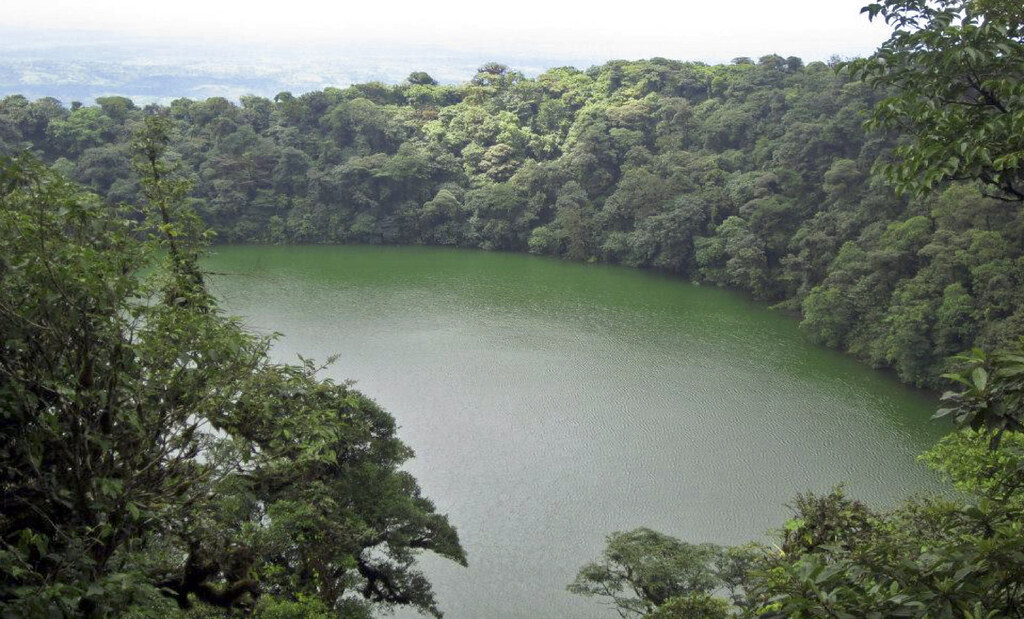
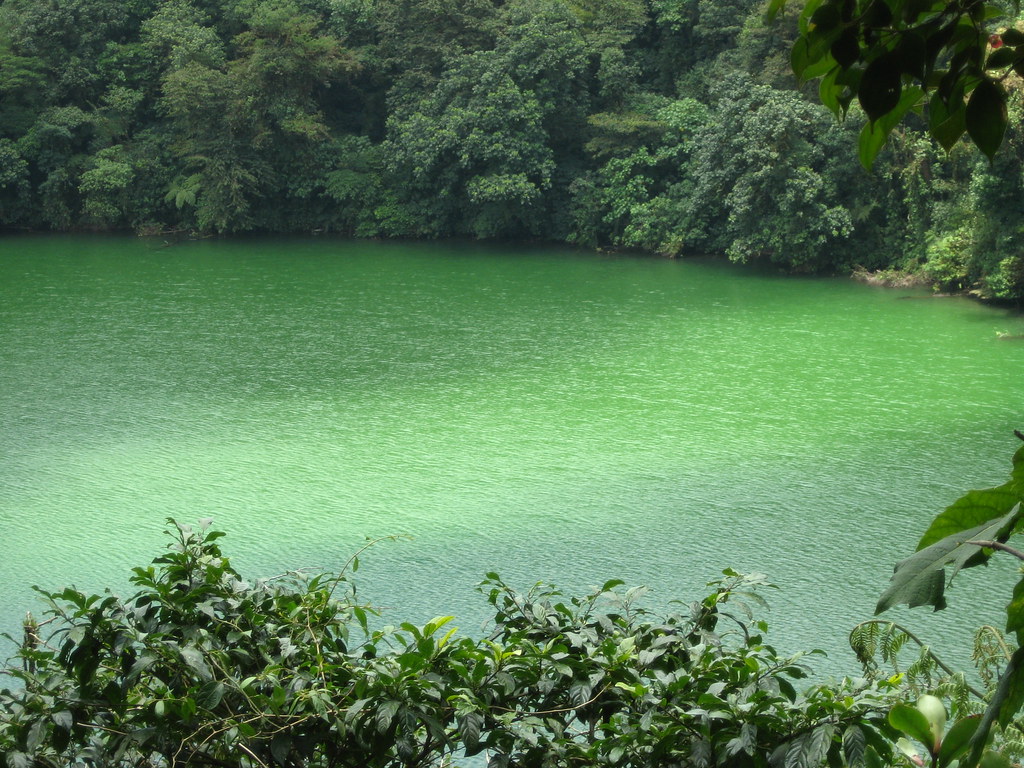
Approaching Cerro Chato, the landscape shifts from lush rainforest to dense cloud forest, enveloping hikers in a vibrant tapestry of green. The volcano’s extinct cone rises steeply, promising a strenuous climb. The trail challenges the body with slippery clay, exposed roots, and steep inclines, yet the anticipation builds with every step. Reaching the crater reveals a surreal emerald lagoon, its tranquil waters a stark contrast to the rugged ascent. The opportunity to swim in this volcanic lake offers a rare communion with nature’s raw power and beauty, making the demanding trek a deeply rewarding experience.
Geological Background of Cerro Chato Volcano
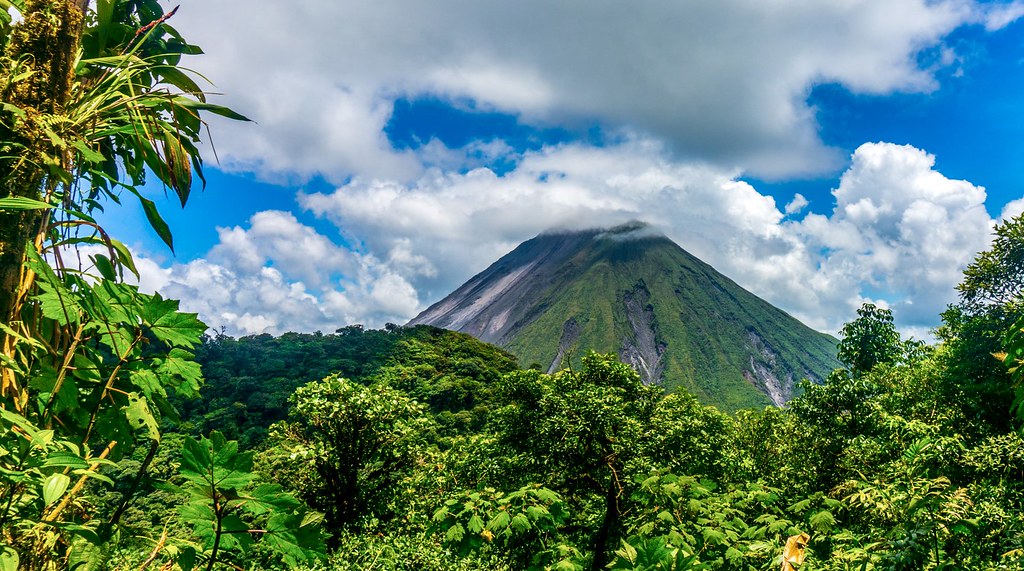
Cerro Chato is an extinct stratovolcano located in northwestern Costa Rica, near the active Arenal Volcano. It formed during the Pleistocene period, with its first eruption estimated around 38,000 years ago and its last significant activity about 3,500 years ago. The volcano’s eruptions contributed to the formation of the nearby La Fortuna Waterfall, as lava flows carved the landscape. Its crater, approximately 500 meters wide, now hosts a striking turquoise lake formed by accumulated rainwater and mineral deposits. The volcano’s geology features hardened lava flows, volcanic minerals, and dense forest growth, with fumaroles and steam vents absent due to its extinct status. Cerro Chato’s unique geological history offers insight into volcanic activity and landscape evolution in the region.
Terrain and Hiking Experience on Cerro Chato
The hike up Cerro Chato is a physically demanding journey through diverse and challenging terrain. Starting from the Green Lagoon Lodge or formerly from the Arenal Observatory, the trail quickly ascends through lowland rainforest, where humidity and dense foliage create a lush environment. The path is steep and narrow, often muddy and slippery, especially during the rainy season. Hikers must navigate exposed tree roots, rocks, and clay that can become treacherous when wet. The trail lacks switchbacks, opting instead for a direct, steep climb that tests endurance and balance. As elevation increases, the forest transitions into cloud forest, with cooler temperatures and mist adding to the atmospheric challenge. Near the summit, the trail becomes more rugged, requiring careful footing and sometimes scrambling over uneven ground. The final descent into the crater lake is the most difficult section, characterized by a steep, muddy slope with ropes installed by previous hikers to aid descent. This section demands caution and physical agility, as slipping is common. Despite the difficulty, the trail rewards hikers with rich biodiversity, including vibrant flora and fauna, and panoramic views of the surrounding San Carlos region. The hike typically takes 4 to 5 hours round trip, with the steepness and trail conditions making it suitable only for experienced and well-prepared hikers. Proper footwear with excellent grip, trekking poles, and sufficient hydration are essential. The trail’s condition varies seasonally; the dry season offers safer footing, while the rainy season significantly increases the risk of slips and falls. Due to environmental degradation and safety concerns, the trail has been officially closed since 2017, but some adventurous hikers still attempt the climb at their own risk. Overall, the Cerro Chato hike is a rigorous adventure that combines physical challenge with the reward of reaching a stunning volcanic crater lake.
What Makes the Cerro Chato Trek Unique
Cerro Chato stands out among Costa Rica’s volcanoes for its extinct status paired with a vibrant turquoise crater lake that invites hikers to swim. Unlike many volcanic summits that offer panoramic views as their primary reward, Cerro Chato’s highlight is the emerald lagoon nestled within its crater, a rare geological feature. The juxtaposition of dense rainforest and cloud forest ecosystems along the steep ascent adds ecological diversity to the trek. Its proximity to the active Arenal Volcano provides a compelling contrast between dormant and active volcanic landscapes. The trail’s challenging terrain, including steep muddy slopes and root-laden paths, offers a demanding physical test that appeals to seasoned hikers seeking adventure beyond typical tourist routes. The opportunity to cool off in the crater’s refreshing waters after a strenuous climb is a unique and memorable experience that few volcano hikes can match.
Summit and Crater Experience at Cerro Chato
Reaching Cerro Chato’s summit is a moment of triumph marked by the sudden reveal of the crater’s stunning emerald lake. The air is cooler and often misty, with the dense forest canopy giving way to open views of the lagoon’s vibrant waters. The crater’s steep walls encircle the lake, creating an intimate and secluded atmosphere. The scent of moist earth and vegetation fills the air, while the silence is punctuated only by birdsong and the gentle lapping of water. For those who brave the steep descent, the lake offers a refreshing swim in mineral-rich volcanic waters, a rare privilege that connects hikers directly with the volcano’s geological legacy. The panoramic views from the rim include the imposing silhouette of Arenal Volcano and the sprawling San Carlos valley, enhancing the sense of standing at the heart of Costa Rica’s volcanic landscape.
Best Time to Trek Cerro Chato Volcano
The ideal time to hike Cerro Chato is during Costa Rica’s dry season, from December to April, when trail conditions are safer and more stable. During this period, the risk of slippery mud and heavy rainfall is significantly reduced, making the steep and challenging terrain more manageable. The dry season also offers clearer skies, enhancing visibility and the quality of views at the summit and crater. Hiking during the rainy season (May to November) is not recommended due to frequent downpours that turn the trail into a slippery, muddy hazard, increasing the risk of accidents. Additionally, the trail’s official closure means that any attempt to hike should consider weather conditions carefully and prioritize safety. Early morning starts are advisable to avoid midday heat and to maximize daylight hours for the demanding ascent and descent.
Routes and Trail Options for Cerro Chato
There are two primary access points historically used for hiking Cerro Chato: the Green Lagoon Lodge on the eastern side and the Arenal Observatory Lodge on the western side. The Green Lagoon Lodge route is currently the more commonly used unofficial trail, as the government closed official access in 2017. This trail begins near the La Fortuna Waterfall area and is approximately 4 miles round trip, with a steep elevation gain of about 1,140 meters. It typically takes 4 to 5 hours to complete the round trip. The trail is direct and steep, passing through lowland rainforest before ascending into cloud forest. The Arenal Observatory route, once popular for its scenic views of Arenal Volcano at the start, is now officially closed and less accessible. Both routes are physically demanding, featuring slippery clay, exposed roots, and steep inclines. Guided tours are available through local operators, offering transportation, bilingual guides, and additional activities such as visits to La Fortuna Waterfall. These tours typically last around 6.5 hours and include lunch and park entrance fees. Self-guided hiking is possible but discouraged due to the trail’s closure and safety concerns. Hikers attempting the trek should be prepared for challenging terrain and variable weather conditions, and consider hiring experienced guides for safety and navigation.
Difficulty Assessment of Cerro Chato Trek
Cerro Chato’s hike is classified as a demanding volcano trek. The steep, direct ascent with minimal switchbacks requires strong cardiovascular fitness and leg strength. The trail’s slippery clay and exposed roots increase technical difficulty, demanding careful foot placement and balance. The descent into the crater lake involves scrambling on steep, muddy slopes, which can be hazardous without proper equipment and experience. Altitude is moderate at 1,140 meters, so altitude sickness is generally not a concern, but the physical exertion is significant. This trek is unsuitable for beginners or those with limited hiking experience. Proper preparation, including sturdy hiking boots, trekking poles, and sufficient hydration, is essential. The trail’s official closure and environmental sensitivity further emphasize the need for caution and respect for local regulations.
Essential Gear for Hiking Cerro Chato
Hiking Cerro Chato demands gear suited for steep, muddy, and slippery terrain. Essential items include sturdy hiking boots with excellent grip to navigate clay and rocky paths safely. Trekking poles provide stability on steep ascents and descents. Lightweight, breathable clothing that can handle humidity and potential rain is recommended, along with a waterproof jacket for sudden showers. A swimsuit and quick-dry towel are necessary for swimming in the crater lake. Carry ample water and high-energy snacks to maintain hydration and energy levels. A headlamp or flashlight is useful for early starts or late finishes. Sun protection such as a hat, sunglasses, and sunscreen is important due to exposed trail sections. A small first aid kit and insect repellent are advisable. Given the trail’s closure and potential hazards, a GPS device or map and a fully charged mobile phone are recommended for safety.
Safety and Volcanic Hazards on Cerro Chato
Although Cerro Chato is an extinct volcano with no current volcanic activity, the hike presents significant safety challenges. The steep, muddy, and slippery terrain increases the risk of falls and injuries. The trail’s closure by Costa Rican authorities reflects concerns about environmental damage and hiker safety. There are no official rescue services on the trail, so hikers must be self-reliant and cautious. Weather can change rapidly, with rain making paths treacherous. There are no volcanic gas hazards due to the volcano’s extinct status, but dense forest and cloud cover can reduce visibility. Hikers should respect closure notices and consider the legal implications of hiking the trail. Engaging local guides can enhance safety and provide valuable knowledge of the terrain. Always inform someone of your plans and expected return time when attempting the hike.
Permits, Guides, and Logistics for Cerro Chato Trek
The Cerro Chato trail has been officially closed since 2017 by the Costa Rican government due to environmental concerns and safety risks. Hiking the volcano is therefore illegal, and park rangers enforce these restrictions. Despite this, some adventurous hikers continue to access the trail unofficially, primarily from the Green Lagoon Lodge entrance near La Fortuna Waterfall. The lodge sells access tickets for $15, which grant entry to its trails but not official permission to hike Cerro Chato. Visitors attempting the hike do so at their own risk and may face penalties if caught. Several local tour operators offer guided hikes that include transportation, bilingual guides, and additional activities such as visits to La Fortuna Waterfall. Notable operators include The Real Deal Tours, Pura Vida! Eh? Incorporated, and Costa Rica Tour Discounts. These tours typically cost around $100 to $120 per person and last approximately 6.5 hours, combining the challenging hike with other regional highlights. Guides provide valuable safety oversight, route knowledge, and logistical support, which is highly recommended given the trail’s difficulty and closure status. Transportation options to the trailhead include taxis from La Fortuna, costing about $10, as public buses do not service this route. Hikers should prepare for a strenuous climb, bring appropriate gear, and consider weather conditions carefully. Due to the trail’s closure, it is essential to respect local regulations and prioritize environmental conservation.
Where to Stay Near Cerro Chato Volcano
La Fortuna, located approximately 7 kilometers east of Cerro Chato, serves as the primary base for visitors exploring the volcano and surrounding attractions. The town offers a wide range of accommodations catering to various budgets and preferences. Notable options include the Volcano Lodge, Hotel & Thermal Experience, which features lush tropical gardens, thermal pools, and spectacular views of the nearby Arenal Volcano. This resort combines rustic charm with modern amenities, providing a comfortable and authentic Costa Rican experience. Another option is the Cerro Chato Ecolodge, a family-owned establishment offering outdoor pools, free WiFi, and shuttle services to La Fortuna’s downtown. It provides easy access to the Green Lagoon Lodge trailhead and other local attractions. For travelers seeking budget-friendly stays, numerous hostels and guesthouses are available within La Fortuna, offering convenient access to restaurants, shops, and tour operators. Many accommodations provide transportation services or can arrange taxis to the trailheads. Staying in La Fortuna allows hikers to prepare adequately for the demanding trek, enjoy local cuisine, and explore additional activities such as hot springs, waterfalls, and canopy tours. Early booking is recommended during the dry season due to high visitor demand.