
Atitlán Volcano Trekking Guide: Conquer Guatemala’s Majestic Stratovolcano Above Lake Atitlán
Explore the demanding trek up Atitlán Volcano, Guatemala’s towering stratovolcano rising dramatically above Lake Atitlán. This comprehensive guide covers geology, terrain, routes, safety, permits, gear, and accommodation options for an unforgettable volcanic adventure.
Quick Volcano Snapshot
| Attribute | Value |
|---|---|
| Volcano type | Stratovolcano |
| Elevation | 3,537 meters |
| Location | Guatemala, above Lake Atitlán |
| Activity status | Dormant |
| Trekking difficulty | Demanding |
| Typical trek duration | 6 to 8 hours ascent, 3 to 4 hours descent; 1-2 days with camping |
| Altitude gain | Approximately 1,674 meters |
| Terrain type | Cloud forest, volcanic rock, scree, steep slopes |
| Best season | November to April (dry season) |
| Temperature range | Cool to cold near summit, especially at night and early morning |
| Permit requirement | Small entrance fee at trailhead; permits included with guided tours |
The Experience of Hiking Atitlán Volcano
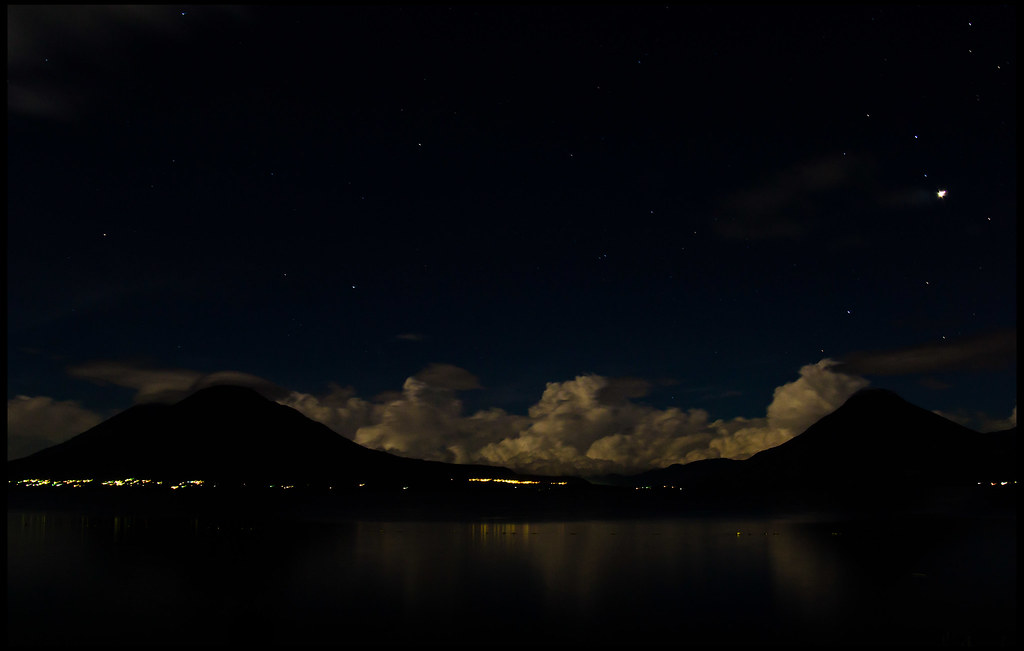
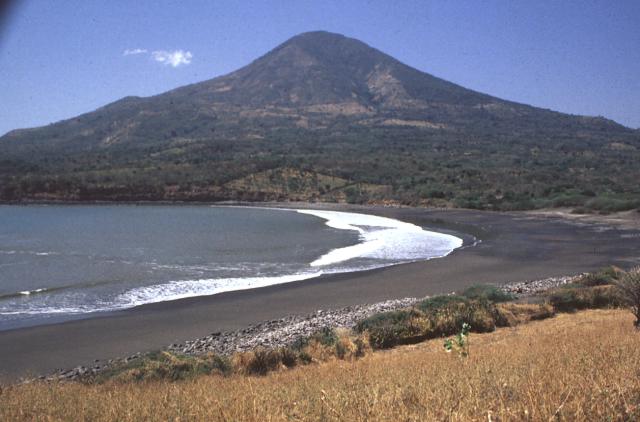
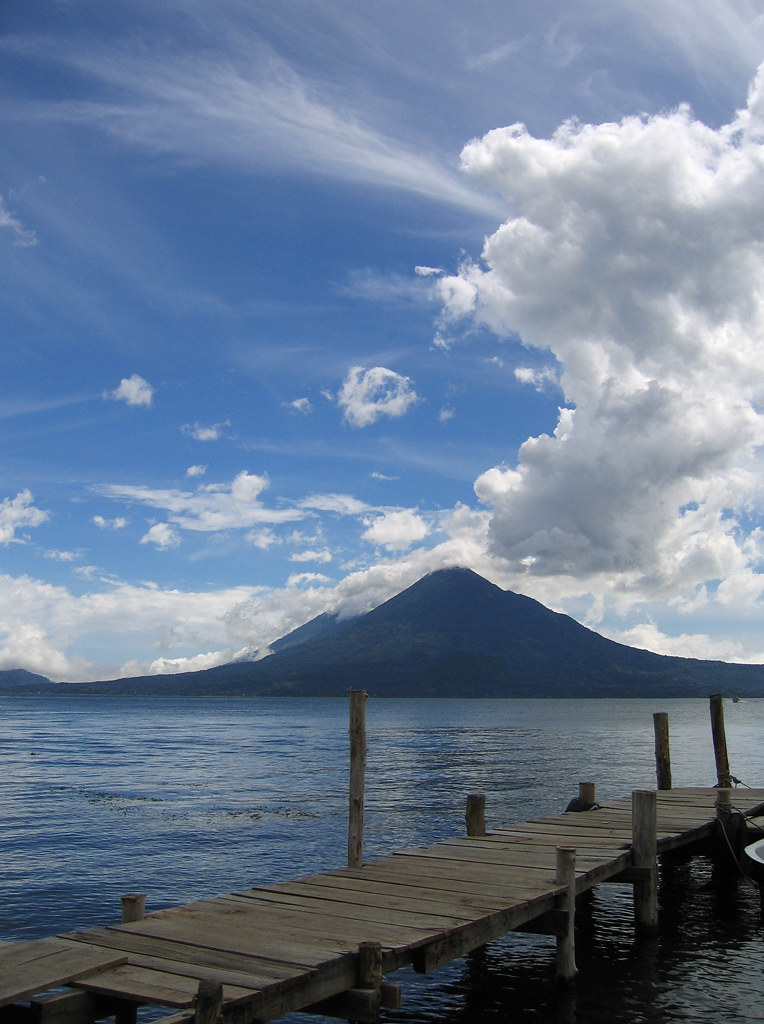
Approaching Atitlán Volcano, the landscape unfolds with breathtaking drama. The volcano rises sharply from the shores of Lake Atitlán, its steep slopes cloaked in lush cloud forest that gradually give way to barren volcanic rock and scree. Hiking here is a journey through time and terrain, where the power of ancient eruptions still whispers through steam vents near the summit. The contrast between the vibrant lake below and the rugged volcanic summit above creates a profound sense of awe. Reaching the crater rim, hikers are rewarded with panoramic views of the lake, neighboring volcanoes, and the Guatemalan highlands, a moment of triumph and connection with the earth’s fiery heart.
Geological Background of Atitlán Volcano
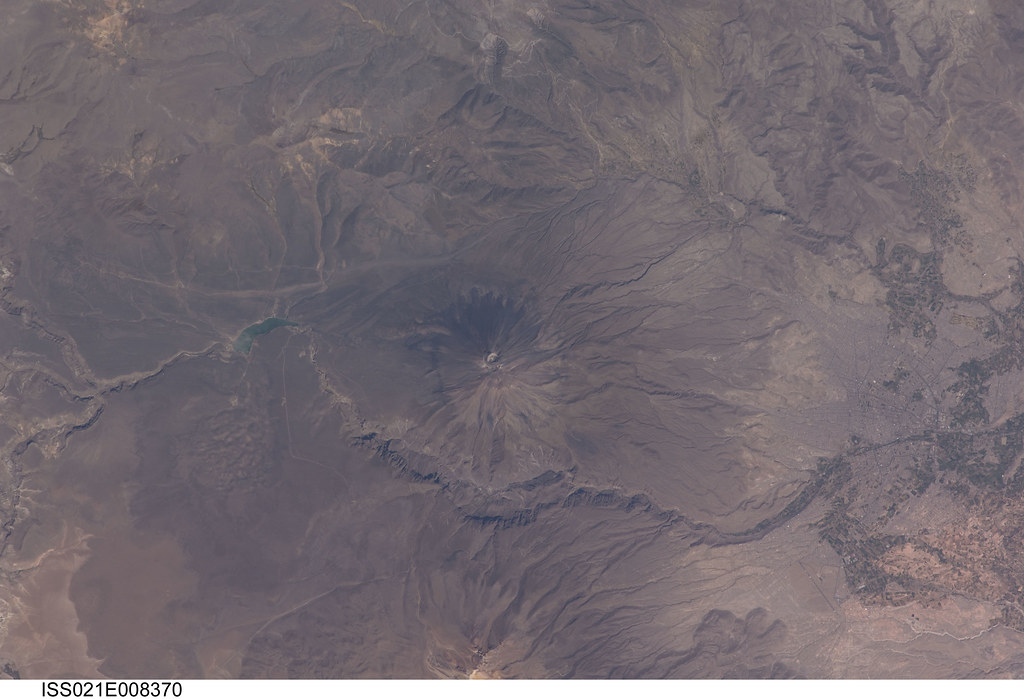
Atitlán Volcano is a classic stratovolcano formed by layers of hardened lava, volcanic ash, and pumice built up over thousands of years. It is part of the volcanic chain surrounding Lake Atitlán, which itself occupies a massive caldera created by a catastrophic eruption approximately 84,000 years ago. The volcano’s last eruption occurred in 1853, leaving visible remnants near the summit crater. The cone rises sharply to 3,537 meters, with a crater approximately 250 meters wide. The volcano’s geology features andesitic to dacitic lava flows, fumaroles emitting steam and sulfurous gases, and deposits of volcanic minerals. Its steep slopes and rugged terrain reflect its dynamic volcanic history, making it a fascinating subject for both geologists and adventurous trekkers.
Terrain and Hiking Experience on Atitlán Volcano
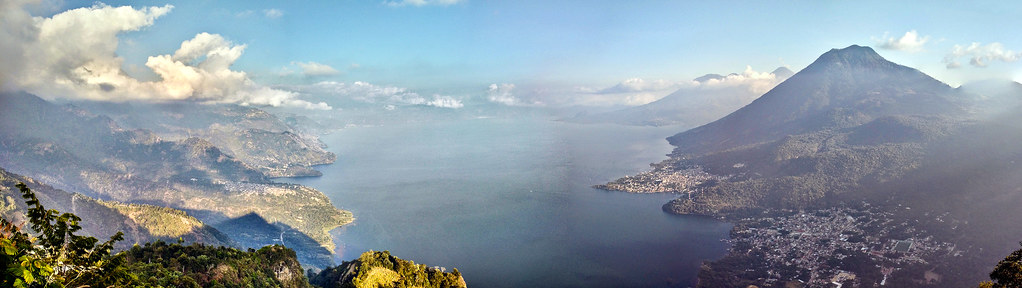
The trek up Atitlán Volcano is a demanding adventure that challenges hikers with a variety of terrain and elevation changes. Starting from the village of Santiago Atitlán, the trail initially winds through dense cloud forest, where beams of sunlight filter through moss-draped trees and the air is alive with the calls of hummingbirds and other wildlife. The forested section offers a cool, shaded respite but requires careful footing on often muddy and slippery paths, especially during the rainy season. As the trail ascends, the forest thins and the terrain shifts dramatically to steep slopes covered in loose volcanic dirt, sharp volcanic rocks, and scree. This section demands strong legs and steady balance, as hikers navigate zigzagging switchbacks that climb relentlessly toward the summit. The volcanic rock is jagged and uneven, requiring sturdy hiking boots with excellent grip. Trekking poles are highly recommended to provide stability on the steep and sometimes slippery surfaces. Altitude becomes a significant factor as hikers gain over 1,600 meters (5,400 feet) in elevation. The air thins, making breathing more laborious and increasing fatigue. Weather conditions can change rapidly; temperatures drop near the summit, and strong winds are common, adding to the challenge. The final approach to the crater involves scrambling over sharp volcanic boulders and navigating narrow ridges exposed to gusts. Despite the physical demands, the trail rewards trekkers with spectacular views at every turn. The panorama includes the shimmering waters of Lake Atitlán, the neighboring volcanoes San Pedro and Tolimán, and the distant Pacific Ocean on clear days. The summit area features steam vents and fumaroles, subtle reminders of the volcano’s dormant but living nature. Camping near the summit is possible for those undertaking the two-day trek, offering a unique opportunity to experience the volcano’s atmosphere at dawn and dusk. Overall, the terrain of Atitlán Volcano combines the lushness of tropical cloud forest with the stark, raw beauty of volcanic rock and ash. Hikers should be prepared for steep ascents, variable footing, and altitude effects. The trail is physically demanding but accessible to well-prepared and fit adventurers seeking a profound volcanic experience.
What Makes the Atitlán Volcano Trek Unique
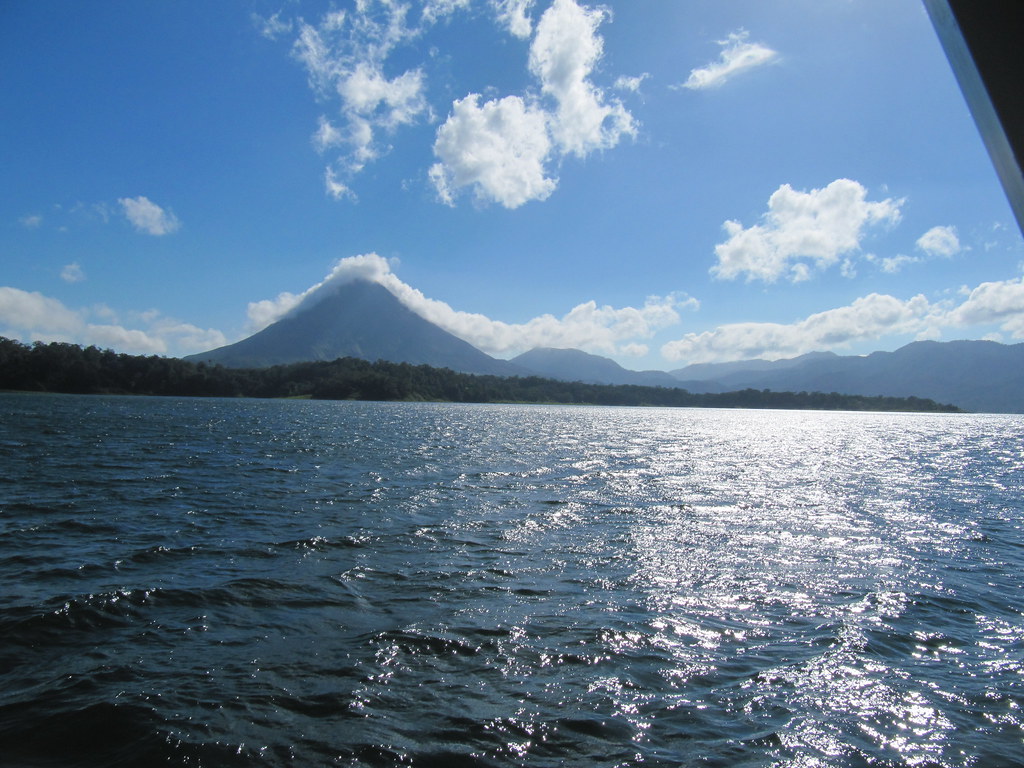
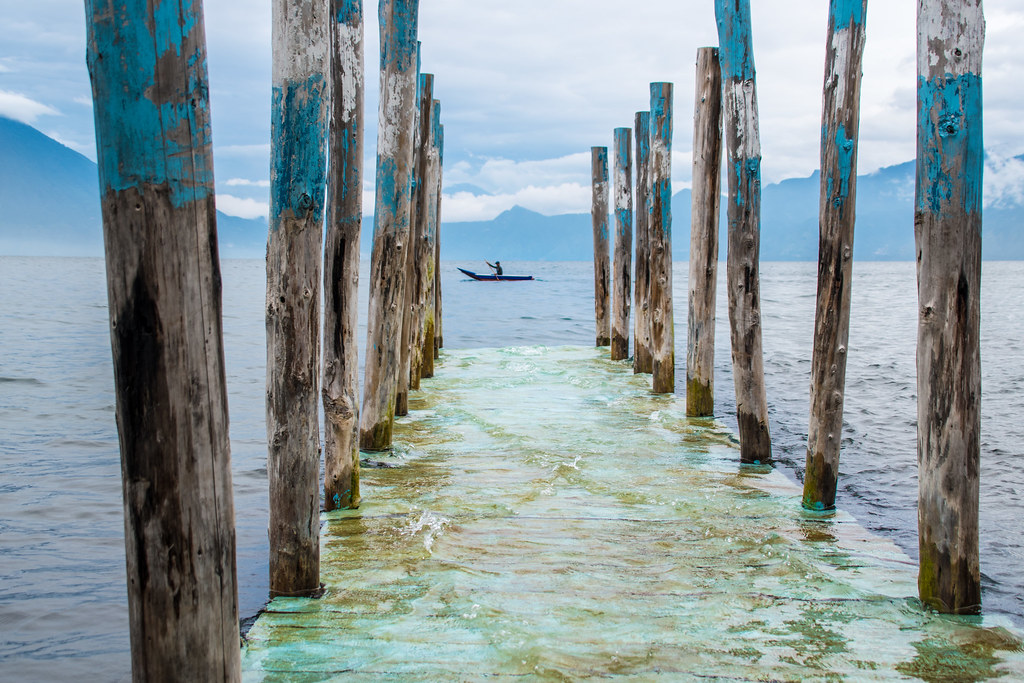
Atitlán Volcano stands out for its dramatic rise directly above one of the world’s most beautiful lakes, Lake Atitlán. This juxtaposition of a massive volcanic peak and a serene, deep-blue lake creates a landscape of striking contrasts. The trek offers not only geological wonders but also cultural immersion, as it begins in indigenous Maya villages where traditional lifestyles continue alongside the natural environment. The volcano’s dormant status allows hikers to explore steam vents and fumaroles safely, providing a rare glimpse into volcanic activity without the immediate dangers of eruption. The opportunity to camp near the summit crater, with views of neighboring active volcanoes like Fuego erupting in the distance, adds a thrilling dimension to the experience. Additionally, the biodiversity along the trail—from cloud forest birds like the elusive quetzal to unique alpine flora—enriches the trek. The cultural stories and spiritual significance of the volcano to local communities deepen the connection between nature and human heritage, making this trek a holistic adventure beyond just physical challenge.
Summit and Crater Experience on Atitlán Volcano
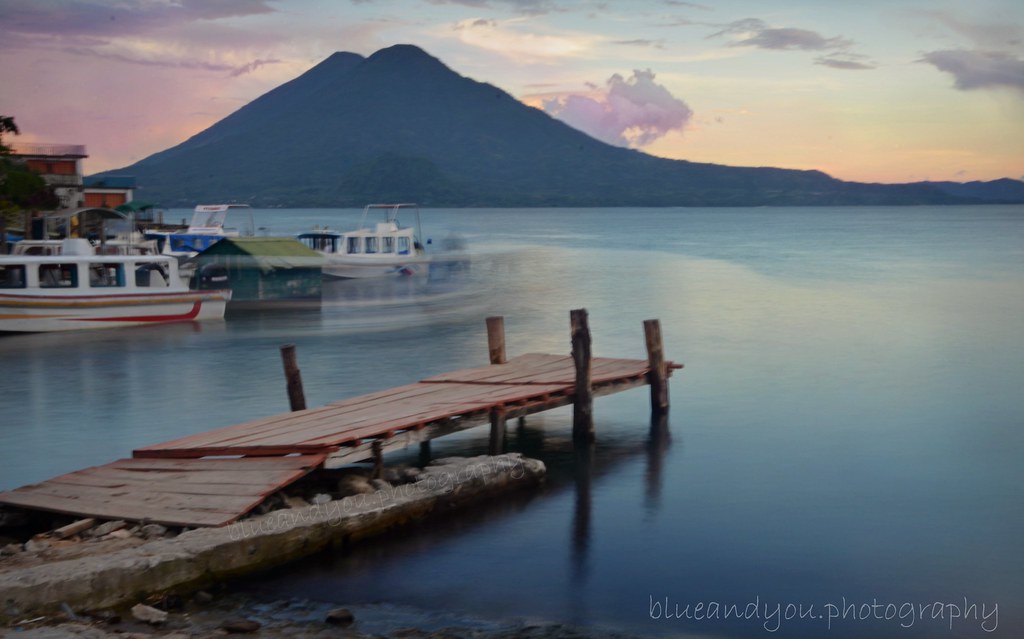
Reaching the summit of Atitlán Volcano is a moment of profound accomplishment. The crater rim, approximately 250 meters wide, reveals a rugged landscape marked by steam vents that whisper the volcano’s dormant breath. The sulfurous scent mingles with the crisp mountain air, and the ground beneath your feet radiates subtle warmth from fumaroles. From this vantage point, hikers enjoy sweeping 360-degree views encompassing Lake Atitlán’s shimmering surface, the jagged peaks of San Pedro and Tolimán volcanoes, and the vast Guatemalan highlands stretching to the horizon. At sunrise or sunset, the light paints the landscape in rich hues of gold, red, and purple, while clouds drift like curtains below, enhancing the sense of elevation and isolation. The summit’s atmosphere is both serene and powerful—a reminder of the earth’s dynamic forces. The soundscape includes the gentle hiss of escaping gases and the occasional call of highland birds. Spending time here, whether resting after the climb or camping overnight, offers a rare communion with nature’s raw energy and beauty.
Best Time to Trek Atitlán Volcano
The optimal time to hike Atitlán Volcano is during Guatemala’s dry season, from November to April. During these months, trails are less muddy and weather conditions are more stable, providing clearer views and safer footing. Early mornings are ideal for starting the ascent to avoid afternoon cloud cover, which frequently rolls in and obscures the summit. The wet season, from May to October, brings heavy rains that can make the trail slippery and increase the risk of landslides. Additionally, cloud cover and fog reduce visibility, diminishing the panoramic views that make this trek so rewarding. Temperature near the summit can be quite cold year-round, especially at night and early morning, so hikers should prepare for chilly conditions. Monitoring local weather forecasts and volcanic activity reports is advisable, although Atitlán is currently dormant and considered safe for trekking.
Trekking Routes and Trail Options on Atitlán Volcano
There are two primary routes to ascend Atitlán Volcano, each starting from different lakeside villages and offering distinct experiences. The Santiago Atitlán Route is the more popular and accessible trailhead. The hike from Santiago covers approximately 17 kilometers roundtrip with an elevation gain of about 1,674 meters. The trail begins through cloud forest and transitions to volcanic rock and scree near the summit. It typically takes 6 to 8 hours to ascend and 3 to 4 hours to descend. This route features two campsites: one about 45 minutes below the summit and another at the summit crater, allowing for a two-day trek with overnight camping. The San Lucas Tolimán Route is less frequented and considered more remote, offering a quieter ascent with similar elevation gain and distance. It passes through traditional villages and farmland before entering forest and volcanic terrain. The trail is steeper in sections and requires good navigation skills. Both routes are physically demanding and best undertaken with local guides familiar with the terrain and weather conditions. Guided tours often include transportation from nearby towns, meals, camping equipment, and safety support. Independent hiking is possible but not recommended due to trail complexity and safety considerations. Choosing a route depends on your fitness level, time availability, and desire for solitude or community interaction. The Santiago route is preferred for first-timers and those seeking a well-supported trek, while the San Lucas Tolimán path appeals to experienced hikers looking for a more off-the-beaten-path adventure.
Difficulty Assessment of Atitlán Volcano Trek
Atitlán Volcano is classified as a demanding volcano trek. The steep elevation gain of over 1,600 meters combined with rugged volcanic terrain requires good physical fitness and endurance. Hikers should be comfortable with long hours of uphill hiking on uneven, rocky, and sometimes slippery surfaces. Altitude effects are moderate but noticeable, as the summit reaches 3,537 meters. Proper acclimatization and pacing are essential to avoid altitude sickness. The trail includes technical sections with loose scree and sharp volcanic rocks, demanding careful footing and use of trekking poles. This trek is not suitable for beginners or those with limited hiking experience. Preparation should include cardiovascular training, leg strengthening, and prior experience with high-altitude hiking. The demanding nature of the trail is balanced by the rewarding views and unique volcanic environment.
Essential Gear for Hiking Atitlán Volcano
Successful trekking on Atitlán Volcano requires specialized gear to handle the challenging terrain and variable weather. Sturdy hiking boots with ankle support and strong grip are essential for navigating volcanic rock and scree. Trekking poles help maintain balance and reduce strain on knees during steep ascents and descents. A layered clothing system is recommended, including moisture-wicking base layers, insulating mid-layers, and a waterproof outer shell to adapt to changing temperatures and rain. Warm accessories such as a hat, gloves, and buff are necessary for cold summit conditions. A headlamp is useful for early starts or camping at the summit. Carry ample water or a hydration system to stay hydrated during the strenuous climb, along with high-energy snacks and meals for sustained energy. Sun protection including broad-spectrum sunscreen, sunglasses, and a wide-brimmed hat is important. A first aid kit with blister treatment and altitude sickness remedies should be included. Lightweight camping gear is required if undertaking the overnight trek. A backpack with a rain cover protects your gear from the elements. Proper preparation with this gear ensures safety, comfort, and enjoyment on the volcano.
Safety and Volcanic Hazards on Atitlán Volcano
While Atitlán Volcano is currently dormant, safety precautions remain paramount. The primary hazards include steep and unstable terrain, loose volcanic scree, and rapidly changing weather conditions. Hikers should be vigilant near the crater rim where fumaroles emit steam and gases, which can be hot and potentially harmful. Altitude sickness is a risk due to the summit elevation of 3,537 meters. Symptoms include headache, nausea, and dizziness. Proper acclimatization, hydration, and pacing are essential to mitigate these effects. Trail conditions can deteriorate during the rainy season, increasing the risk of slips and falls. It is advisable to hike during the dry season and with experienced local guides who monitor weather and trail safety. Emergency services are limited in remote areas, so carrying communication devices and informing others of your itinerary is recommended. Local authorities and community organizations manage access and provide safety information. Overall, with proper preparation, respect for the environment, and adherence to safety guidelines, trekking Atitlán Volcano is a rewarding and safe adventure.
Permits, Guides, and Logistics for Atitlán Volcano Trek
Access to Atitlán Volcano is managed by local indigenous communities, primarily from Santiago Atitlán and San Lucas Tolimán. Hikers are required to pay a small entrance fee at the trailhead, which supports trail maintenance and community projects. Permits are generally included when booking guided tours. Hiring a local guide is strongly recommended for safety, navigation, and cultural insight. Experienced guides from reputable operators such as Kayak Guatemala, Tours Atitlan, and Ati Adventures provide comprehensive services including transportation from nearby towns, meals, camping equipment for overnight treks, and support throughout the hike. Guided tours typically range from one-day ascents to two-day camping expeditions. Costs vary depending on the package but generally include park fees, guide services, meals, and equipment rental if needed. Booking in advance is advised, especially during peak trekking season (dry months). Logistically, most hikers start from Santiago Atitlán, accessible by boat from Panajachel or other lakeside villages. Transportation options include boat transfers and local taxis. Accommodation is available in lakeside towns before and after the trek. Tour operators emphasize responsible tourism, ensuring that trekking benefits local communities and minimizes environmental impact. They also provide safety briefings and monitor volcanic activity, although Atitlán is dormant. In summary, planning your trek with a trusted local operator simplifies logistics, enhances safety, and enriches the cultural experience of hiking Atitlán Volcano.
Where to Stay Near Atitlán Volcano and Nearby Bases
Lake Atitlán’s surrounding towns offer a range of accommodation options catering to diverse traveler preferences, from budget hostels to luxury resorts. The most convenient bases for hiking Atitlán Volcano are Santiago Atitlán and Panajachel. Santiago Atitlán is the closest village to the volcano’s main trailhead. It offers modest guesthouses and small hotels that provide authentic cultural experiences and easy access to the trail. Staying here allows early starts and immersion in local Tz’utujil Maya culture. Panajachel, the largest town on Lake Atitlán’s northern shore, is a popular hub with a wide selection of accommodations including mid-range hotels like Hotel Atitlán and Porta Hotel del Lago, as well as hostels and boutique lodges. Panajachel has numerous restaurants, shops, and transport connections, making it ideal for pre- and post-trek stays. Other lakeside villages such as San Pedro La Laguna and San Marcos La Laguna offer charming eco-lodges and hostels with stunning lake views and tranquil atmospheres. Notable accommodations include Lush Atitlan in San Marcos, known for its eco-friendly design and yoga retreats, and La Casa del Mundo near Jaibalito, famous for its picturesque setting. Many lodges and hotels provide shuttle services or can arrange boat transfers to Santiago Atitlán or trailheads. Amenities vary widely; some remote eco-lodges may have limited electricity and hot water, while larger hotels offer full services. Booking in advance is recommended, especially during the dry season when trekking demand peaks. Staying near the lake combines the adventure of volcano trekking with the cultural richness and natural beauty of the Atitlán region.