
Hiking Tenorio Volcano: A Complete Trekking Guide to Costa Rica’s Turquoise Rio Celeste
Explore the dormant stratovolcano Tenorio in Costa Rica’s Guanacaste Province, home to the stunning Rio Celeste waterfall with its unique turquoise waters. This guide covers the volcanic geology, hiking terrain, routes, permits, safety, and accommodation options for an unforgettable volcano trekking adventure.
Quick Volcano Snapshot
| Attribute | Value |
|---|---|
| Volcano type | Stratovolcano |
| Elevation | 1,916 meters (6,286 feet) |
| Location | Guanacaste Province, Costa Rica |
| Activity status | Dormant |
| Trekking difficulty | Moderate |
| Typical trek duration | 4 to 6 hours |
| Altitude gain | Approximately 300 meters |
| Terrain type | Lush tropical forest trails, dirt paths, rocky sections, muddy spots |
| Best season | Dry season (December to April) |
| Temperature range | 18°C to 28°C (64°F to 82°F) |
| Permit requirement | Entrance fee and advance online ticket purchase required |
The Experience of Hiking Tenorio Volcano
Approaching Tenorio Volcano, hikers are immersed in a vibrant tropical rainforest alive with the sounds of exotic birds and rustling foliage. The trail winds through dense canopy, revealing glimpses of the volcano’s dormant silhouette. The journey culminates at the breathtaking Rio Celeste waterfall, where the river’s surreal turquoise waters cascade into a deep pool, a striking contrast to the lush greenery. This hike offers a profound connection to the geological forces shaping the landscape, blending the raw power of volcanic terrain with the delicate beauty of Costa Rica’s biodiversity. Reaching the waterfall’s base, the atmosphere is charged with a sense of wonder and tranquility, a reward for the moderate trek through this volcanic sanctuary.
Geological Background of Tenorio Volcano
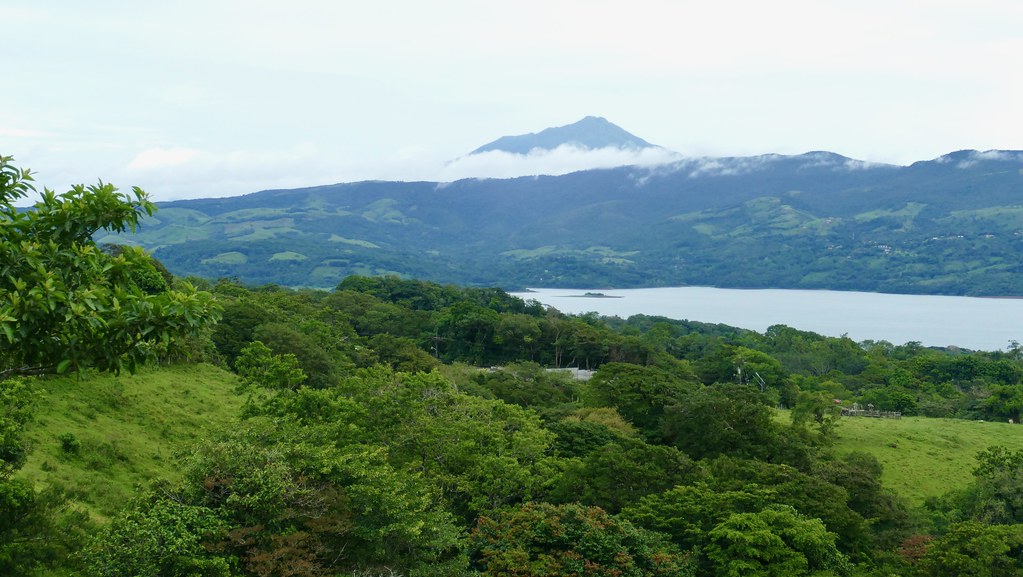
Tenorio Volcano is a dormant stratovolcano located in the Guanacaste Province of northern Costa Rica. Formed through successive layers of hardened lava, tephra, and volcanic ash, it stands at 1,916 meters (6,286 feet) elevation. The volcano’s geological history is marked by eruptions that shaped the surrounding landscape, creating fertile volcanic soils that support the rich rainforest ecosystem. One of Tenorio’s most remarkable geological features is the Rio Celeste, whose vivid blue color results from a unique chemical reaction between volcanic minerals and river waters at the confluence of two streams, Quebrada Agria and Rio Buenavista. The park also hosts fumaroles and hot springs, evidence of lingering geothermal activity beneath the surface. These features make Tenorio a fascinating destination for both geologists and nature enthusiasts.
Terrain and Hiking Experience on Tenorio Volcano
The hike through Tenorio Volcano National Park is a moderate trek spanning approximately 12 kilometers round trip, typically taking between 4 to 6 hours depending on pace and stops. The trail begins at the park entrance, where visitors encounter well-marked paths that traverse a lush tropical rainforest rich in biodiversity. The terrain is a varied mix of dirt trails, rocky sections, and occasional muddy patches, especially during the rainy season. Hikers should be prepared for some steep inclines and uneven footing, particularly near the waterfall and viewpoints.
The trail offers a shaded canopy of towering trees, ferns, and flowering plants such as heliconias and bromeliads, creating a vibrant and immersive jungle atmosphere. Streams cross the path, and the air is filled with the calls of toucans, howler monkeys, and colorful butterflies. The route includes a paved section leading to the waterfall turnoff, followed by a descent of about 250 steep paved stairs to reach the waterfall base. This descent can be challenging on the return ascent, requiring good leg strength and caution.
The volcanic terrain is evident in the presence of mineral-rich soils and geothermal features like hot springs near the trail’s end. The trail’s moderate difficulty is suitable for hikers with a reasonable fitness level, though care should be taken on slippery or muddy sections. Rubber boots are recommended during the wet season to navigate muddy paths safely. The combination of volcanic geology and tropical rainforest makes this hike uniquely rewarding, offering both physical challenge and spectacular natural beauty.
What Makes the Tenorio Volcano Trek Unique
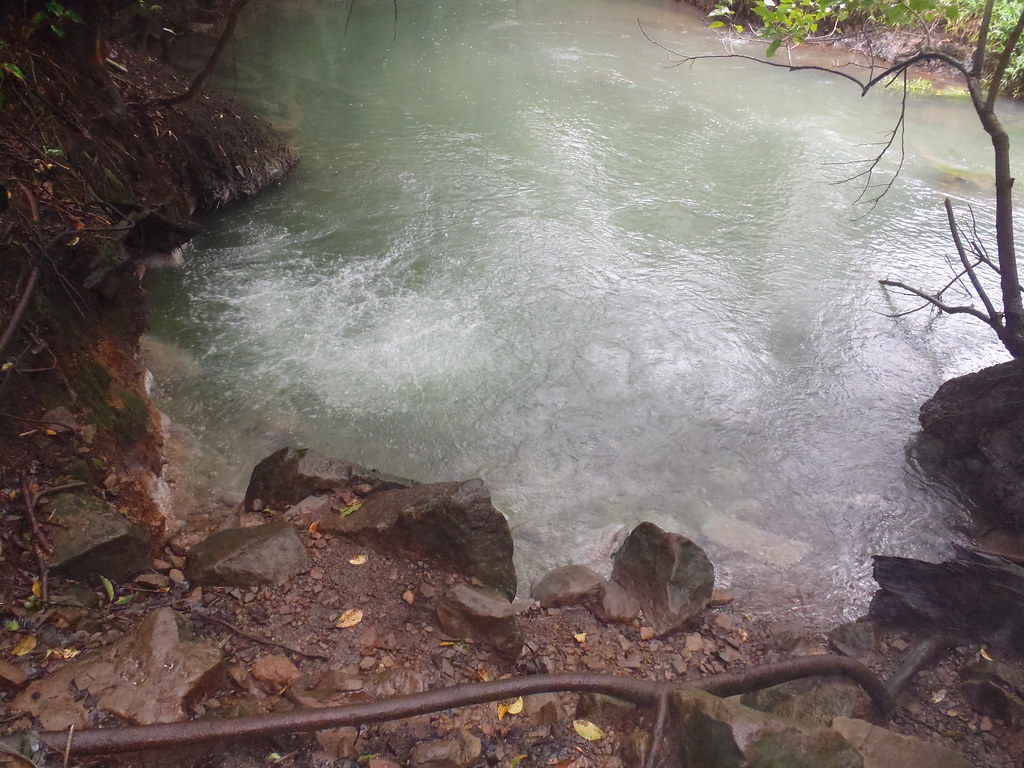
Tenorio Volcano’s trek is distinguished by the extraordinary Rio Celeste, a river whose waters turn a vivid turquoise blue due to a rare chemical reaction involving volcanic minerals. This natural phenomenon is a highlight unmatched by many other volcano hikes worldwide. The park’s blend of volcanic landscapes with dense tropical rainforest creates a striking contrast, where steaming hot springs and bubbling mud pots coexist with lush greenery and diverse wildlife.
The presence of the Rio Celeste waterfall, plunging nearly 30 meters into a crystal-clear pool, offers a dramatic and photogenic climax to the hike. Additionally, the park’s biodiversity is exceptional, with opportunities to spot rare birds, monkeys, and butterflies along the trail. The volcanic soils nourish a rich ecosystem, making the trek a combined geological and ecological adventure. The accessibility of the trail, combined with its moderate challenge and unique natural features, makes Tenorio Volcano a standout destination for volcano trekking enthusiasts.
The Summit and Crater Experience
While Tenorio Volcano is dormant and does not have an accessible summit crater for hiking, the trail’s highlight is the Rio Celeste waterfall and the surrounding volcanic features. At the waterfall base, hikers experience the power of volcanic geology firsthand — the mineral-rich waters, the steam from nearby hot springs, and the vibrant blue river all testify to the volcano’s enduring influence. The atmosphere is serene yet charged with the subtle energy of geothermal activity. From viewpoints along the trail, panoramic vistas of the volcano’s forested slopes and the surrounding Guanacaste landscape unfold, offering a sense of standing on the edge of a vast volcanic wilderness.

Best Time to Trek Tenorio Volcano
The optimal time to hike Tenorio Volcano is during Costa Rica’s dry season, from December through April. During these months, trails are drier and less slippery, and the Rio Celeste’s turquoise color is at its most vibrant due to clearer water conditions. The dry season also offers more stable weather, with less chance of rain interrupting the hike.
The rainy season, from May to November, brings lush vegetation and a more intense jungle experience but also results in muddy trails and occasional trail closures. Heavy rains can temporarily alter the river’s color, turning it murky, though it typically returns to its signature blue within a day or two. Early morning starts are recommended year-round to avoid afternoon showers and to maximize wildlife sightings. Visitors should also be mindful of the park’s strict entry times, with gates closing at 2:00 PM to ensure all hikers exit safely by 4:00 PM.
Trekking Routes and Trail Options in Tenorio Volcano National Park
The primary trekking route in Tenorio Volcano National Park is the out-and-back trail leading from the park entrance to the Rio Celeste waterfall and beyond to several notable volcanic features. The total round-trip distance is approximately 12 kilometers (7.5 miles), with an elevation gain of about 300 meters.
The trail begins at the visitor center, where hikers can obtain maps and pay entrance fees. The first section is relatively flat and well-maintained, including paved paths that lead to the waterfall turnoff. From there, the trail becomes steeper and more rugged, with a descent of around 250 stairs to the waterfall base. Beyond the waterfall, the trail continues to Los Teñideros, the confluence where two rivers merge to create the river’s distinctive blue color. Further along are the Laguna Azul (Blue Lagoon) and Borbollones, natural hot springs bubbling with geothermal energy.
While the main trail is well-marked and popular, guided tours often include additional interpretive stops and wildlife spotting opportunities. Self-guided hikers should prepare adequately with maps and supplies. The park does not offer alternative routes to the summit, as the volcano’s peak is not accessible for hiking. However, the existing trail provides a comprehensive experience of the park’s volcanic and ecological highlights.
Difficulty Assessment of the Tenorio Volcano Trek
The Tenorio Volcano hike is classified as a moderate volcano trek. The trail’s length and elevation gain require a reasonable level of fitness, but it does not demand technical climbing skills or specialized equipment. Hikers should be prepared for some steep sections, uneven terrain, and a significant stair descent and ascent at the waterfall.
Altitude is not a major factor, as the volcano’s elevation is under 2,000 meters, reducing the risk of altitude sickness. The tropical climate means hikers must be ready for heat, humidity, and potential rain, which can make trails slippery. Overall, the trek is accessible to most hikers with moderate experience and good physical condition. Beginners with adequate preparation can also enjoy the hike, especially when accompanied by a guide.
Essential Volcano Trekking Gear for Tenorio Volcano
For hiking Tenorio Volcano, essential gear includes sturdy hiking boots or waterproof shoes with good grip to handle muddy and rocky terrain. Trekking poles can provide extra stability on steep or slippery sections. A lightweight rain jacket or poncho is advisable due to unpredictable tropical showers.
Other important items are a reusable water bottle to stay hydrated, sun protection such as a hat and sunscreen, insect repellent to guard against mosquitoes, and a camera to capture the stunning scenery. A small backpack to carry snacks, a first aid kit, and a dry bag for electronics is recommended. Since the trail includes a significant stair descent to the waterfall, good leg support and comfortable clothing are important. For early morning or late afternoon hikes, a headlamp may be useful.
Safety and Volcanic Hazards at Tenorio Volcano
Tenorio Volcano is dormant, so the risk of eruption is minimal; however, hikers should remain aware of general trail hazards. The terrain includes steep stairs and uneven paths that can be slippery, especially after rain. Falling rocks and loose scree may occur in some sections, so caution is advised.
Volcanic gases are present near hot springs and fumaroles, but concentrations are typically low and not hazardous along the main trail. Visitors should avoid swimming in the Rio Celeste due to high mineral content and geothermal gases that can irritate skin. The park enforces strict entry and exit times to ensure visitor safety, with gates closing at 2:00 PM and mandatory exit by 4:00 PM.
Park rangers monitor trail conditions and weather, and hikers should heed any warnings or closures. Carrying a basic first aid kit and informing someone of your hiking plans is recommended. Guided tours provide added safety through expert knowledge of the terrain and volcanic features.
Permits, Guides, and Logistics for Hiking Tenorio Volcano
Access to Tenorio Volcano National Park requires purchasing an entrance permit, which must be bought online in advance through the SINAC system. Fees are approximately $12 USD for foreign adults and $5 USD for children aged 2 to 12. Costa Rican citizens and residents pay a reduced fee. The park operates daily from 8:00 AM to 4:00 PM, with last entry at 2:00 PM. Late arrivals are denied entry to ensure all visitors complete the hike safely before closing.
Guided tours are highly recommended to enhance the experience and provide safety. Reputable local tour operators include Ecoterra Costa Rica, Costa Rica Expeditions, Tico Tours, Anywhere Costa Rica, and All Daily Tours. These companies offer full-day guided hikes that include transportation from nearby towns such as La Fortuna or Liberia, park entrance fees, bilingual naturalist guides, traditional Costa Rican lunch, and sometimes snacks and drinks.
Transportation logistics involve traveling to the town of Bijagua, the nearest gateway to the park. From Bijagua, taxis or local transport can take visitors to the park entrance, approximately 5 kilometers away. Public buses connect La Fortuna and Liberia to Bijagua, facilitating access for independent travelers.
Visitors should plan to start early to avoid crowds and afternoon rain showers. The park prohibits single-use plastics and swimming in the river to protect the environment. Rubber boots are available for rent at the entrance during the rainy season to navigate muddy trails. Booking tours in advance is advised, especially during peak seasons, to secure permits and guide availability.
Where to Stay Near Tenorio Volcano
Accommodation options near Tenorio Volcano cater to a range of preferences, from rustic lodges to boutique hotels. The closest town, Bijagua de Upala, serves as the primary base for visitors, offering several well-regarded lodges and guesthouses.
Tenorio Lodge is a standout choice, located between Tenorio and Miravalles volcanoes. It features 12 spacious bungalows with exceptional views of the volcano, set amidst 17 acres of tropical gardens filled with heliconias and fruit trees. The lodge offers amenities such as a restaurant serving local cuisine, a souvenir shop supporting local artisans, private trails for birdwatching, and two outdoor jacuzzis. Its commitment to sustainable practices and environmental conservation enhances the authentic nature experience.
For travelers seeking luxury, Origins Luxury Lodge in Bijagua offers private villas with jungle views, wellness programs, and gourmet dining approximately 25 minutes from the park. Rio Celeste Hideaway Hotel, near the park entrance, provides spacious bungalows with rainforest views and private outdoor showers, ideal for couples and small families.
Unique accommodations like Katira Treehouses offer handcrafted treehouse stays surrounded by tropical gardens and wildlife, about 15 to 20 minutes from the park.
Other nearby towns such as La Fortuna and Liberia provide additional lodging options, including hotels, eco-lodges, and resorts, though they are approximately 1.5 to 2 hours’ drive from Tenorio Volcano National Park. Many tour operators include transportation from these towns in their packages.
Visitors should book accommodations in advance, especially during the dry season, to ensure availability. Staying near Bijagua allows for early park access, maximizing hiking time and wildlife viewing opportunities.