
Trekking Pululagua Volcano: Exploring Ecuador’s Inhabited Volcanic Caldera
Pululagua Volcano, a dormant caldera near Quito, Ecuador, offers an easy yet captivating trekking experience through one of the world’s largest inhabited volcanic craters. This guide covers its unique geology, diverse terrain, trekking routes, local accommodations, and essential safety tips for exploring this geobotanical reserve rich in biodiversity and cultural heritage.
Quick Volcano Snapshot
| Attribute | Value |
|---|---|
| Volcano type | Caldera |
| Elevation | 3356 m |
| Location | Northern Andes, Ecuador |
| Activity status | Dormant |
| Trekking difficulty | Easy |
| Typical trek duration | 1 to 6 hours depending on route |
| Altitude gain | Up to 1050 m on summit routes |
| Terrain type | Volcanic caldera floor, lava domes, forest trails, dirt roads |
| Best season | Dry season: June to September |
| Temperature range | 0°C to 27°C |
| Permit requirement | Entrance fee $5 for foreigners |
Introduction: The Experience of Hiking Pululagua Volcano
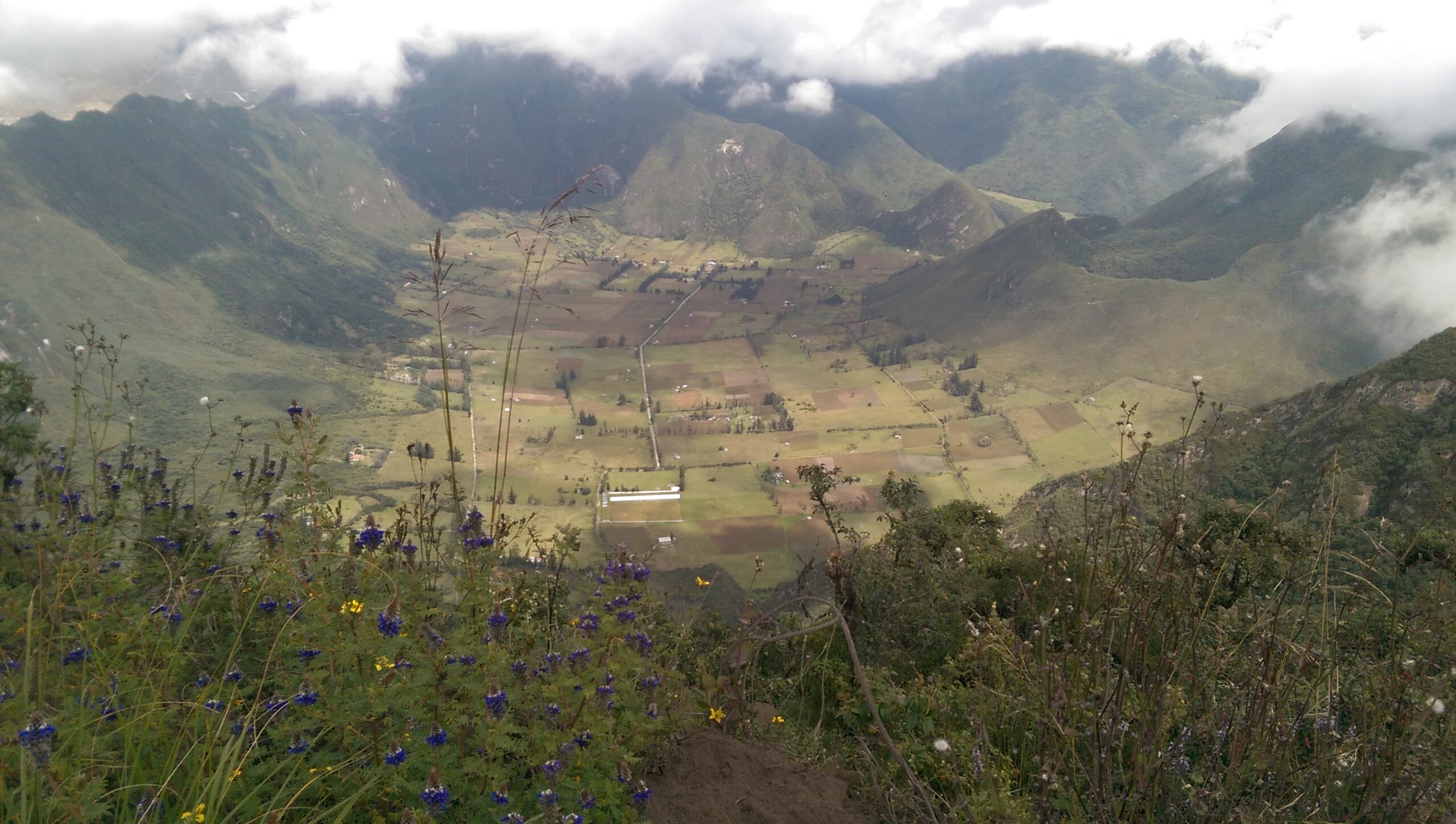
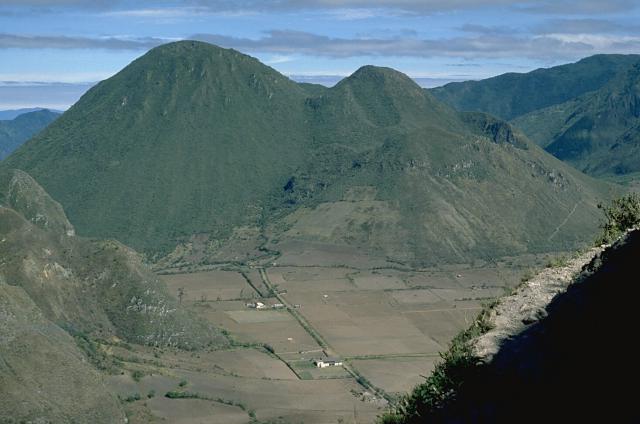
Approaching Pululagua Volcano, hikers are greeted by the vast expanse of a collapsed volcanic caldera, a dramatic landscape where nature and human life intertwine. The contrast between the lush, green caldera floor and the rugged volcanic domes surrounding it creates a striking visual spectacle. Trekking here offers a unique blend of geological wonder and vibrant biodiversity. As you descend into the caldera, the sense of stepping into a living geological museum grows stronger. The peaceful atmosphere, punctuated by bird calls and the rustle of native plants, invites reflection on the immense volcanic forces that shaped this terrain thousands of years ago. Reaching viewpoints along the rim or the summit of Sincholagua hill rewards trekkers with panoramic vistas of the crater’s interior and the surrounding Andes, evoking a profound connection to Earth’s dynamic processes.
The Volcano Itself: Geological Background
Pululagua is a large rhyolitic-dacitic caldera formed approximately 2450 years ago during a series of powerful Plinian eruptions. These explosive events emptied the volcano’s magma chamber, causing the summit to collapse and create the broad caldera seen today, roughly 19 square kilometers in area. The caldera is irregularly shaped and breached to the west by the Río Blanco valley. Surrounding the caldera are several lava domes, including Pondoña, El Chivo, and Pan de Azúcar, which formed in the centuries following the collapse. The highest point on the caldera rim is Sincholagua hill, rising to 3356 meters. The volcano’s eruptions had significant impacts on ancient human settlements, notably causing the abandonment of the Cotocollao culture in the region. Today, Pululagua is dormant with no recent eruptive activity, but it remains geologically significant as a geobotanical reserve due to its unique volcanic formations and rich biodiversity.
The Volcano Trek: Terrain and Hiking Experience
Trekking Pululagua Volcano offers a diverse hiking experience shaped by its volcanic caldera landscape and lush ecological zones. The terrain varies from gentle dirt roads and forested trails to steeper ascents on volcanic domes. Most routes begin near the crater rim, where hikers descend steeply into the caldera on well-maintained dirt paths. The descent can be challenging due to loose volcanic soil and gravel, requiring careful footing. Inside the caldera, the terrain softens into verdant fields, farmland, and patches of native forest rich with mosses, orchids, and bromeliads. Trails wind through this biologically diverse environment, offering opportunities to observe abundant birdlife and endemic plants. For those seeking elevation, the hike to Sincholagua summit involves a steady climb of approximately 1050 meters over roughly 9 kilometers. This route traverses mixed terrain including forested sections, volcanic rock outcrops, and occasional steep, dusty slopes. The trail is generally well-marked but can be slippery in wet conditions. Altitude acclimatization is recommended due to the summit’s elevation above 3300 meters. Weather can shift rapidly, with morning clear skies often giving way to afternoon clouds and occasional showers, so hikers should be prepared for variable conditions. The overall hiking difficulty is rated easy to moderate, making Pululagua accessible to a wide range of trekkers, including families and casual hikers. The presence of multiple trail options allows customization of trek length and challenge. Horseback riding is also popular, providing an alternative way to explore the crater floor and surrounding trails. The combination of volcanic geology, rich flora and fauna, and cultural landscapes inside the inhabited caldera creates a trekking experience that is both physically rewarding and intellectually stimulating.
What Makes This Volcano Trek Unique
Pululagua Volcano stands out as one of the few inhabited volcanic calderas in the world, blending geological grandeur with vibrant human and ecological life. Unlike many volcano treks focused solely on summit ascents, Pululagua offers exploration of a vast caldera floor dotted with farms, forests, and diverse wildlife. The presence of multiple lava domes within the caldera adds geological complexity and scenic variety. The rich biodiversity, including numerous endemic plant species and birdlife, enhances the trekking experience beyond volcanic features alone. Additionally, the volcano’s proximity to Quito makes it an accessible day trip or weekend adventure, combining natural beauty with cultural encounters. The Pululahua Geobotanical Reserve status highlights its importance as a protected area, preserving both geological formations and ecological habitats. Visitors can also engage in horseback riding and mountain biking, expanding the ways to experience this unique volcanic landscape.
The Summit and Crater Experience
Reaching the summit of Sincholagua hill on Pululagua’s caldera rim offers breathtaking panoramic views that capture the essence of this volcanic landscape. From the summit plateau at 3356 meters, trekkers can gaze across the expansive caldera floor, framed by the jagged outlines of lava domes and the distant peaks of the Northern Andes. The air is crisp and often carries the subtle scent of damp earth and native vegetation. The crater itself, a vast basin of green and volcanic rock, reveals the immense power of the ancient eruptions that shaped it. The silence at the summit is profound, broken only by the calls of birds and the whisper of wind. The sense of standing on the edge of a collapsed volcano, witnessing the interplay of geological forces and life, is both humbling and exhilarating. The ascent’s final sections may be steep and dusty, but the reward is a unique vantage point over one of Ecuador’s most remarkable volcanic features.
Best Time to Trek Pululagua Volcano
The ideal time to trek Pululagua Volcano is during Ecuador’s dry season, which runs from June to September. During these months, trails are generally drier and more stable, reducing the risk of slippery conditions on volcanic soils and steep paths. Early mornings offer the clearest views before clouds and afternoon showers develop, so starting hikes at dawn is recommended. The temperature range varies from near freezing at higher elevations in the early morning to comfortable warmth in the crater during the day. Avoiding the rainy season, typically from October to May, helps ensure safer and more enjoyable trekking conditions. Additionally, the dry season coincides with local festivals and cultural events in nearby communities, enriching the overall experience. While Pululagua is dormant and poses low volcanic risk, weather-related hazards such as sudden showers and fog can affect visibility and trail safety, so checking local forecasts and preparing accordingly is essential.
Trekking Routes and Trail Options
Pululagua offers a variety of trekking routes catering to different interests and fitness levels. The most popular route leads to the summit of Sincholagua hill, starting near Club Pucará at approximately 2538 meters elevation. This trail covers about 9.2 kilometers round trip with an elevation gain of around 1050 meters. The path ascends through forested sections, volcanic rock formations, and steep dusty slopes, typically taking 4 to 6 hours to complete. It is well-marked and suitable for hikers with moderate fitness. For those seeking shorter or less strenuous options, multiple trails within the caldera floor provide easy to moderate hikes ranging from one hour to half-day excursions. These routes explore the lush vegetation, farmland, and volcanic domes such as Pondoña and El Chivo. Horseback riding tours are also available, offering guided exploration of crater trails with varying durations from short rides to multi-day tours. Local operators like Pululahua Ecolodge provide maps, guided hikes, and horseback riding packages. Self-guided trekking is feasible due to clear signage and maintained paths, but hiring a guide enhances safety and enriches understanding of the geological and ecological features. The trail network’s diversity allows visitors to tailor their experience, whether focusing on summit views, biodiversity, or cultural immersion within the inhabited caldera.
Difficulty Assessment
Pululagua Volcano trekking is generally classified as an easy to moderate volcano trek. The caldera floor trails are mostly gentle, suitable for beginners and families. The ascent to Sincholagua summit introduces moderate challenges, including steady elevation gain up to 1050 meters and sections of steep, dusty, and sometimes slippery terrain. No technical climbing skills or equipment are required, but good physical fitness and acclimatization to altitude (above 3000 meters) are recommended. The trails are well-maintained and marked, minimizing navigation difficulties. Weather conditions such as rain can increase trail slipperiness, so appropriate footwear and caution are necessary. Overall, Pululagua is accessible to most hikers with basic trekking experience and offers a rewarding introduction to volcanic landscapes without extreme physical demands.
Essential Volcano Trekking Gear
When trekking Pululagua Volcano, essential gear includes sturdy hiking boots with good grip to handle loose volcanic soil and rocky sections. Trekking poles are recommended to aid balance on steep descents and ascents. Layered clothing is important due to temperature variations from cold mornings to warmer afternoons; include a windproof and waterproof jacket for sudden weather changes. Sun protection such as a hat, sunglasses, and sunscreen is necessary because of high altitude exposure and limited shade. Carry sufficient water and snacks to stay hydrated and energized. A headlamp is useful for early starts or late finishes. Although Pululagua is dormant with low volcanic gas risk, sensitive individuals may consider a light face mask if prone to respiratory irritation. A small first aid kit, map or GPS device, and a fully charged mobile phone enhance safety. For multi-day stays, insect repellent and camping gear may be required if staying outside established accommodations.
Safety and Volcanic Hazards
Pululagua Volcano is classified as dormant with no recent eruptions, resulting in low volcanic hazard risk for trekkers. However, safety considerations remain important. The caldera’s steep crater walls and loose volcanic soils can pose risks of slips and falls, especially on descent paths. Weather can change rapidly, bringing fog, rain, and reduced visibility, increasing trail difficulty. There are no active fumaroles or gas emissions reported, but hikers should remain aware of general altitude sickness symptoms due to elevations above 3000 meters. The Instituto Geofísico of Ecuador monitors regional seismicity and volcanic activity, providing updates on any changes in status. Visitors should respect park regulations, stay on marked trails, and avoid unstable edges near the crater rim. During heavy rains, landslides or flooding in the Río Blanco valley may occur, so checking weather forecasts and local advisories before trekking is advised. Emergency services are limited inside the reserve, so preparedness and caution are essential.
Permits, Guides, and Logistics
Visiting Pululagua Volcano requires an entrance fee of approximately $5 USD for foreign tourists, payable at the park entrance. No special permits are needed beyond this fee for trekking within the Pululahua Geobotanical Reserve. The reserve is managed to balance conservation with sustainable tourism, so visitors must adhere to park rules including staying on designated trails and respecting local flora and fauna. Guided tours are widely available and recommended for a richer experience and enhanced safety. Pululahua Ecolodge is a prominent local operator offering guided hikes, horseback riding tours, and multi-day trekking packages inside the caldera. They provide knowledgeable guides familiar with the volcanic geology, biodiversity, and cultural history of the area. Other local agencies based in Quito and nearby towns also offer day trips and customized adventure tours. Logistics for reaching Pululagua are straightforward: the reserve lies about 17 km north of Quito, accessible by car or public bus. From Quito, visitors can take the Mitad del Mundo bus line and walk approximately 15 minutes uphill from the drop-off point to the crater rim. Roads inside the reserve are narrow and steep; driving requires caution and low speeds. Accommodation options include the Pululahua Ecolodge located within the caldera, offering eco-friendly lodging with amenities such as restaurant, WiFi, and spa facilities. Nearby towns like Calacalí provide additional lodging and dining choices. Visitors should plan for early starts to maximize daylight and favorable weather conditions. Carrying cash is advisable as card payment options may be limited at remote sites. Overall, Pululagua’s accessible location, affordable fees, and quality local guides make it an excellent destination for volcano trekking with well-organized logistics.
Where to Stay Near Pululagua Volcano
Accommodation options near Pululagua Volcano cater to a range of preferences, from eco-lodges within the caldera to guesthouses in nearby towns. The Pululahua Ecolodge is the premier lodging choice located inside the volcanic caldera itself. This ecological resort operates on renewable energy and offers comfortable rooms with modern amenities including WiFi, restaurant services, a hot tub, sauna, and recreational facilities such as table tennis. Staying here immerses visitors in the tranquil natural environment of the reserve, with direct access to hiking and horseback riding trails. The ecolodge’s location next to the public camping area provides convenience for trekkers and nature lovers. For travelers seeking more traditional accommodations, the nearby town of Calacalí, just outside the reserve, offers guesthouses and small hotels with basic amenities and local dining options. Quito, Ecuador’s capital city, lies approximately 20 km south and provides a wide range of hotels, hostels, and services for travelers before or after their volcano adventure. The proximity of Pululagua to Quito allows for easy day trips or overnight stays. When planning multi-day treks or extended exploration, booking in advance at Pululahua Ecolodge is recommended due to limited availability. The combination of on-site eco-friendly lodging and nearby town accommodations ensures visitors can tailor their stay to their comfort and adventure needs.