Mount Garibaldi Volcano Trekking Guide: Conquer British Columbia’s Glaciated Stratovolcano
Mount Garibaldi, a dormant stratovolcano in British Columbia, Canada, offers a demanding and exhilarating trekking experience across glaciers, rugged alpine terrain, and volcanic landscapes. This comprehensive guide covers geology, routes, gear, permits, accommodations, and safety for adventurers seeking to summit this iconic peak.
Quick Volcano Snapshot
| Attribute | Value |
|---|---|
| Volcano type | Stratovolcano |
| Elevation | 2,678 meters (8,786 feet) |
| Location | British Columbia, Canada |
| Activity status | Dormant |
| Trekking difficulty | Demanding |
| Typical trek duration | 2 days (guided), 1-2 days (self-guided) |
| Altitude gain | Approximately 1,500 meters (from trailhead to summit) |
| Terrain type | Glacier, snowfields, volcanic rock, alpine meadows, rugged scree |
| Best season | Late spring to early autumn (May to October) |
| Temperature range | -5°C to 15°C depending on season and altitude |
| Permit requirement | Day-use passes required during peak season; backcountry camping permits required for overnight stays |
Introduction: The Experience of Hiking Mount Garibaldi
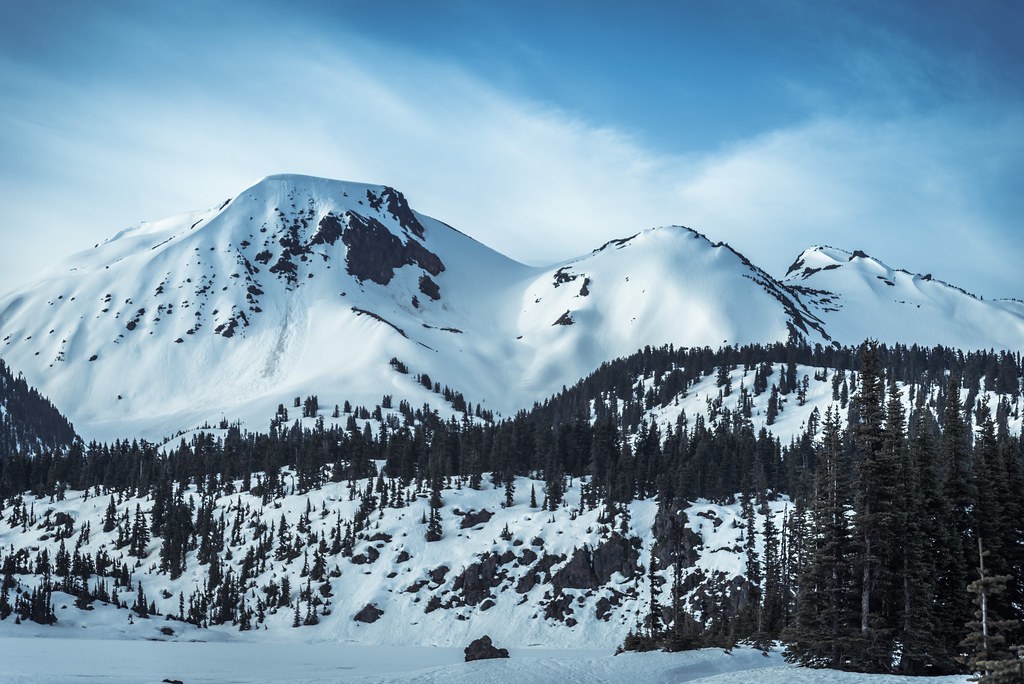
Approaching Mount Garibaldi, the towering glaciated stratovolcano dominates the horizon with its sharp peaks and snow-capped summits. The landscape is a dramatic blend of rugged volcanic rock, expansive glaciers, and lush alpine meadows. As you ascend, the air grows thinner and cooler, while the terrain shifts from dense coastal rainforest to stark, icy slopes. The sense of geological power is palpable, with ancient lava flows and glacial formations telling stories of fire and ice. Reaching the summit rewards trekkers with breathtaking panoramic views of the Pacific Ranges, Howe Sound, and the surrounding wilderness, an emotional climax to a challenging and unforgettable climb.

The Volcano Itself: Geological Background
Mount Garibaldi is a dormant stratovolcano formed over the last 260,000 years as part of the Garibaldi Volcanic Belt in southwestern British Columbia. Its structure is primarily composed of dacite lava, a volcanic rock that has built up the mountain through successive eruptions. The volcano’s formation was heavily influenced by glacial activity; it grew atop and around ice sheets during the last glacial period, resulting in its distinctive glaciated appearance. Notable features include Atwell Peak, a sharp conical summit, and Dalton Dome, a more rounded sub-peak. The northern and eastern slopes are covered by the Garibaldi Névé, a large snowfield feeding several glaciers. The volcano’s last eruptive activity occurred approximately 10,000 years ago, producing lava flows from Dalton Dome and Opal Cone. Though dormant, Mount Garibaldi remains a geological marvel, with fumaroles and volcanic minerals evidencing its fiery past.
The Volcano Trek: Terrain and Hiking Experience
Trekking Mount Garibaldi is a demanding adventure that challenges hikers with a variety of terrains and alpine conditions. The journey begins in dense coastal rainforest, where towering Douglas fir and western red cedar trees create a shaded, humid environment. As the trail ascends, the forest gives way to alpine meadows blooming with wildflowers during summer months. The terrain quickly becomes rugged, with volcanic scree and loose rock requiring careful footing. Approaching the upper slopes, hikers encounter the Garibaldi Névé, a vast snowfield that feeds glaciers such as the Warren and North Pitt Glaciers. Glacier travel is a key component of the climb, demanding experience with crampons, ice axes, and rope techniques to navigate crevasses and snow bridges safely. The northeast face route involves steep snow climbs up to 45 degrees, including negotiating a challenging bergschrund—a crevasse that forms where the glacier pulls away from the mountain. Weather conditions can be variable, with sudden temperature drops and strong winds near the summit. The combination of volcanic rock, ice, and snow creates a dynamic and technical environment that tests endurance, mountaineering skills, and mental resilience. The descent offers exhilarating scree runs and sweeping views, completing a full alpine experience that blends volcanic geology with glaciated wilderness.
What Makes This Volcano Trek Unique
Mount Garibaldi stands out as a glaciated stratovolcano formed atop ancient ice sheets, offering a rare combination of volcanic and alpine features. Its rugged glaciers and steep snowfields provide technical mountaineering challenges uncommon in many volcano treks. The mountain’s proximity to the Pacific Ocean creates dramatic weather contrasts and spectacular views of Howe Sound and the coastal mountain ranges. The presence of multiple named peaks, including Atwell Peak and Dalton Dome, adds variety to the climbing experience. The volcanic landscape is punctuated by lava flows, volcanic cones like Opal Cone, and remnants of massive landslides that shaped the western face. This trek uniquely blends geological history with demanding glacier travel, alpine climbing, and breathtaking natural beauty, making it a coveted objective for experienced mountaineers and volcano enthusiasts.
The Summit and Crater Experience
Reaching Mount Garibaldi’s summit is a moment of profound awe and accomplishment. The final ascent along the northeast face culminates in a narrow ridge offering expansive views across the Garibaldi Volcanic Belt. From the 2,678-meter peak, hikers gaze down on the sprawling Garibaldi Névé glaciers and the deep valleys carved by ancient lava flows and glacial activity. The air is crisp and thin, carrying the faint scent of alpine snow and volcanic minerals. Though the volcano is dormant, the rugged crater rim and surrounding peaks evoke the mountain’s fiery origins. The silence at the summit is punctuated only by the wind and distant calls of alpine birds. This vantage point provides a sweeping panorama of British Columbia’s coastal ranges, Howe Sound’s fjords, and the vast wilderness beyond, offering a humbling reminder of Earth’s dynamic forces.
Best Time to Trek Mount Garibaldi
The optimal trekking season for Mount Garibaldi spans from late spring through early autumn, typically May to October. During this period, snow conditions on the glaciers are more stable, and the risk of avalanches decreases. Spring and early summer offer snow-covered routes that can simplify glacier crossings by filling crevasses and bergschrunds, though cold temperatures and variable weather require proper gear and experience. By late summer, melting snow exposes more crevasses and technical ice sections, increasing the difficulty and hazards of the climb. Weather can change rapidly, with strong winds and sudden storms common at higher elevations. Trekkers should aim for early morning summit attempts to avoid afternoon weather deterioration and soft snow conditions. Winter ascents are possible but require advanced mountaineering skills and equipment due to deep snow and avalanche risk. Always check current trail and weather reports before planning your climb.
Trekking Routes and Trail Options
The primary route to Mount Garibaldi’s summit is the northeast face approach, accessed from the Brohm Ridge Forest Service Road trailhead. This route involves a combination of hiking, glacier travel, and technical snow climbing. The trailhead sits at approximately 1,180 meters elevation, with an altitude gain of around 1,500 meters to the summit. The ascent typically takes two days for guided groups, with an overnight camp near the Warren Glacier at about 2,040 meters to break up the climb. Day hikers with helicopter access can attempt a one-day summit, though this requires excellent fitness and mountaineering experience. Alternative routes include approaches from the east via Elfin Lakes, though these are longer and less direct. The northeast face route demands glacier travel skills to navigate crevasses on the Warren and North Pitt Glaciers, as well as snow climbing on slopes up to 45 degrees. Guided climbs are offered by companies such as Canada West Mountain School, BlackSheep Adventure, Altus Mountain Guides, and Explore Share, providing equipment, safety instruction, and logistical support. Self-guided climbers must be prepared for route finding, crevasse rescue, and variable alpine conditions. The trail is well-marked up to the glacier, but beyond that, navigation relies on mountaineering expertise.
Difficulty Assessment
Mount Garibaldi is classified as a demanding volcano trek requiring strong physical fitness, technical mountaineering skills, and glacier travel experience. The ascent involves steep snow climbs up to 45 degrees, crevasse navigation, and exposure to alpine weather conditions. Altitude gain is significant, and the terrain includes loose volcanic scree, icy slopes, and rugged rock sections. Climbers should be comfortable using crampons, ice axes, and ropes, and possess knowledge of crevasse rescue techniques. The climb is not suitable for beginners or casual hikers; prior experience with glacier travel and alpine climbing is strongly recommended. Weather variability and the presence of bergschrunds add to the challenge. Overall, Mount Garibaldi demands preparation, technical ability, and respect for mountain hazards, placing it in the category of a demanding volcano ascent.
Essential Volcano Trekking Gear
Successful ascent of Mount Garibaldi requires specialized mountaineering gear tailored for glacier and alpine conditions. Essential items include sturdy mountaineering boots compatible with crampons, crampons themselves, and an ice axe for snow and ice climbing. Trekking poles assist with balance on varied terrain. A climbing harness, ropes, carabiners, and crevasse rescue equipment are necessary for glacier travel safety. Layered clothing is vital to adapt to temperature shifts, including moisture-wicking base layers, insulating mid-layers, and a waterproof, windproof outer shell. Gloves, a warm hat, and UV-protective sunglasses shield against cold and sun exposure. A helmet protects from rockfall hazards. Headlamps are essential for early summit starts or low-light conditions. Hydration systems and high-energy food sustain energy levels. Sunscreen and lip balm protect skin from intense alpine UV radiation. A GPS device or map and compass aid navigation beyond marked trails. Finally, a gas mask is not required as volcanic gases are minimal given the dormant status.
Safety and Volcanic Hazards
While Mount Garibaldi is dormant, safety risks stem primarily from alpine and glacial hazards rather than active volcanic activity. Glacier travel poses dangers including hidden crevasses, unstable snow bridges, and bergschrunds that require technical skills to cross safely. Falling rocks and loose scree increase the risk of injury, especially on steep slopes. Sudden weather changes can bring cold temperatures, high winds, and reduced visibility, necessitating preparedness and caution. Although the volcano has not erupted for approximately 10,000 years, monitoring agencies such as the Interagency Volcanic Event Notification Plan maintain vigilance for any signs of unrest. Climbers should stay informed of current conditions and heed park regulations. Proper training in crevasse rescue and glacier travel is essential. Emergency communication devices and informing others of your itinerary improve safety. Overall, respecting the mountain’s alpine environment and volcanic history ensures a safer trekking experience.
Permits, Guides, and Logistics
Mount Garibaldi lies within Garibaldi Provincial Park, which requires day-use passes during peak seasons (June 13 to October 13) at popular trailheads such as Diamond Head and Rubble Creek. Passes are mandatory on Fridays, Saturdays, Sundays, Mondays, and holidays, with some variation at the Cheakamus trailhead. Overnight camping requires backcountry permits, which must be reserved in advance and proof carried while in the park. Dogs are prohibited on the trails and campgrounds. Access to trailheads is via Highway 99, with parking available at Brohm Ridge Forest Service Road and Rubble Creek. A 4×4 vehicle is recommended for some access roads. Helicopter access is an option for climbers seeking to reduce hiking distance, available through guiding companies at an additional cost. Several professional guiding services operate in the region, including Canada West Mountain School, BlackSheep Adventure, Altus Mountain Guides, and Explore Share. These operators provide comprehensive packages including transportation from Squamish, guiding by ACMG-certified professionals, all necessary climbing equipment, food, and park fees. Costs vary by group size and trip length, with typical 2-day guided climbs ranging from approximately $595 to $1,675 CAD per person. Guides offer essential instruction in glacier travel, crevasse rescue, and rope techniques, significantly enhancing safety and success rates. Climbers should book well in advance, especially for summer months, and prepare for variable weather and technical challenges. Self-guided climbers must be experienced in alpine navigation, glacier safety, and equipped with appropriate gear. Checking trail conditions and weather forecasts before departure is critical. Emergency services are accessible via local authorities, and climbers should carry communication devices for remote areas.
Where to Stay Near Mount Garibaldi
Accommodation options near Mount Garibaldi cater to a range of preferences, from rustic backcountry camping to comfortable lodges in nearby towns. The closest urban base is Squamish, located approximately 20 kilometers south, offering a variety of hotels, motels, and guesthouses such as the Sea to Sky Hotel and Executive Suites Hotel & Resort. Squamish provides amenities including restaurants, gear shops, and transportation services. For those seeking proximity to trailheads, camping within Garibaldi Provincial Park is popular, with designated backcountry campgrounds at Garibaldi Lake and Taylor Meadows. These sites require advance permits and provide basic facilities such as tent pads and pit toilets. The Garibaldi Lake Campground, situated on the lake’s shore, offers stunning alpine scenery and serves as a strategic base for multi-day treks including Panorama Ridge and Mount Garibaldi. Whistler, about 40 kilometers north, is a larger resort town with extensive lodging options ranging from budget hostels to luxury hotels like the Fairmont Chateau Whistler. Whistler also offers shuttle services and gear rental shops. For climbers opting for guided trips, many operators arrange transportation and accommodations in Squamish or Whistler. Remote alpine huts are limited, so planning overnight stays in the backcountry or nearby towns is essential. Early booking is recommended during peak season to secure accommodations and permits.