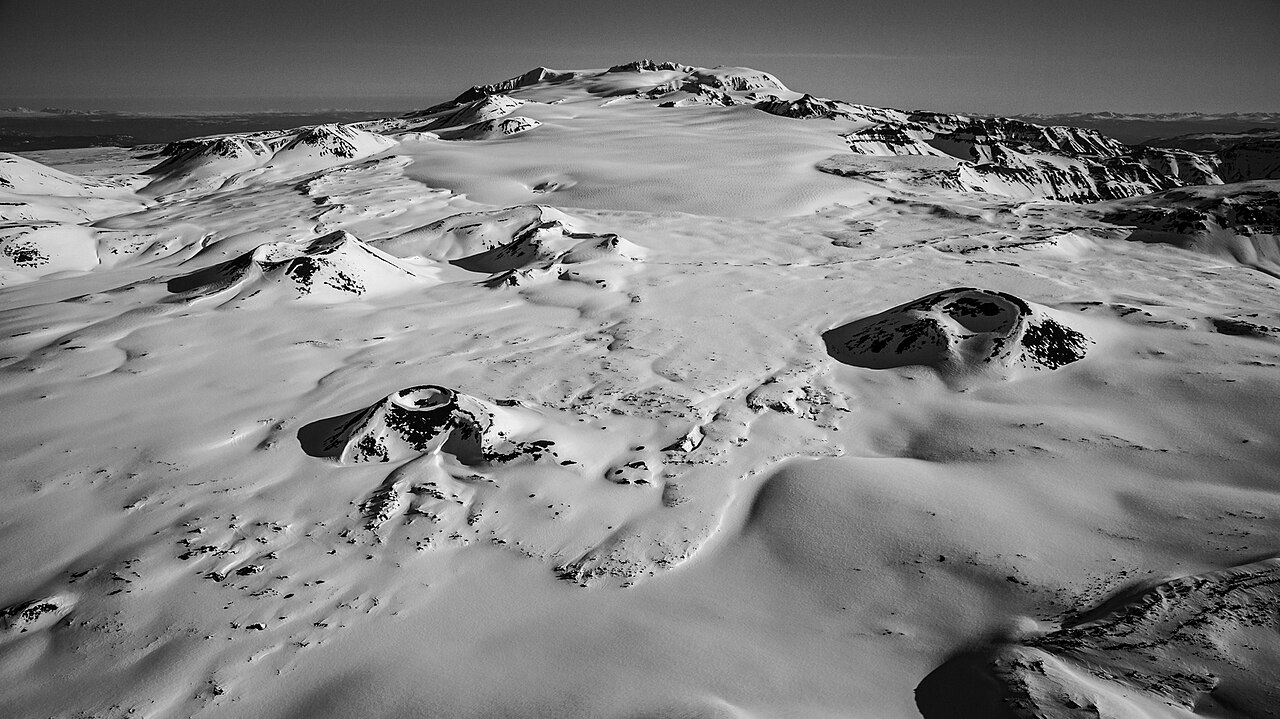
Mount Edziza Volcano Trekking Guide: Exploring British Columbia’s Remote Volcanic Wilderness
Mount Edziza, a vast shield volcano in northwestern British Columbia, offers a demanding and remote trekking experience across extensive lava plateaus, cinder cones, and alpine tundra. This guide covers the volcano’s geology, trekking terrain, routes, logistics, safety, and accommodation options for adventurers seeking a true wilderness expedition.
Quick Volcano Snapshot
| Attribute | Value |
|---|---|
| Volcano type | Shield volcano |
| Elevation | 2,787 meters |
| Location | British Columbia, Canada |
| Activity status | Dormant |
| Trekking difficulty | Demanding |
| Typical trek duration | 7-10 days |
| Altitude gain | Up to 1,500 meters |
| Terrain type | Lava fields, basalt plateaus, cinder cones, alpine tundra |
| Best season | July to September |
| Temperature range | -4°C to 15°C (summer) |
| Permit requirement | BC Parks permit required; Letter of Permission for horseback use |
Introduction: The Experience of Hiking Mount Edziza
Approaching Mount Edziza, the vastness of the Tahltan Highlands unfolds into a dramatic volcanic wilderness. The landscape is a mosaic of rugged basalt plateaus, sharp cinder cones, and expansive lava flows that stretch beyond the horizon. Trekking here immerses you in a raw geological power, where ancient eruptions have sculpted a terrain both barren and breathtaking. The contrast between the stark volcanic surfaces and pockets of alpine tundra, dotted with wildflowers, creates a surreal atmosphere. Reaching the summit or the rim of the glaciated crater offers a profound sense of accomplishment and awe, as panoramic views reveal the immense scale of this remote volcanic complex.
The Volcano Itself: Geological Background
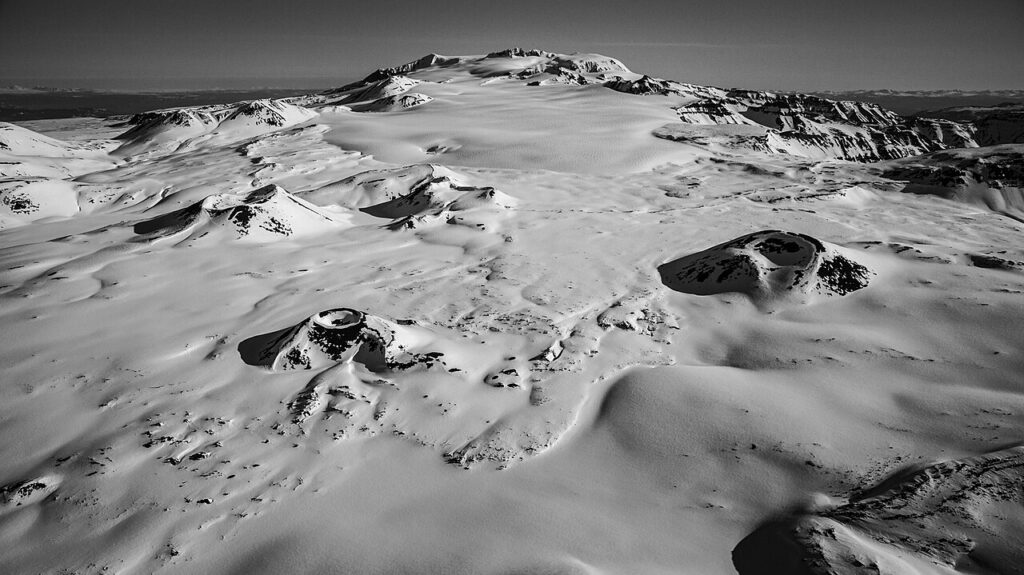
Mount Edziza is a massive shield volcano formed over the last four million years through successive eruptions of basaltic lava flows. Its central dome comprises andesite, dacite, and rhyolite, capped by a glaciated crater nearly 2,500 meters in diameter. The volcano rises above a broad lava plateau covering approximately 65 by 25 kilometers. The last major basalt flow occurred about 10,000 years ago, solidifying and plugging the central vent. Since then, over 30 smaller cinder cones have formed around the plateau, including the strikingly symmetrical Eve Cone, Coffee, and Cocoa craters, which are estimated to be no more than 1,300 years old. These cones remain remarkably well-preserved, showcasing a variety of volcanic minerals and colors. The park also features five significant lakes and the nearby Spectrum Range, known for its vividly colored rhyolite formations stained by sulphurous mineral waters.
The Volcano Trek: Terrain and Hiking Experience
Trekking Mount Edziza is a demanding adventure through one of Canada’s most remote volcanic landscapes. The terrain is diverse and challenging, ranging from expansive basalt plateaus to rugged cinder cones and lava fields. Hikers navigate uneven volcanic rock, loose pumice, and ash slopes that can be slippery underfoot. The volcanic plateau itself is relatively flat but interspersed with undulating ridges and scattered volcanic cones, requiring careful route finding. The volcanic rock varies from sharp basalt to crumbly cinder, demanding sturdy hiking boots with excellent grip. Some sections involve scrambling over lava flows and negotiating steep slopes, especially when ascending cones like Eve Cone. Weather conditions can shift rapidly, with strong winds common near the summit and temperature swings between day and night. Altitude effects are moderate but noticeable, as the highest point reaches nearly 2,800 meters. The trail network is minimal and often unmarked, so navigational skills using GPS and maps are essential. Wildlife encounters with bears, mountain goats, and caribou add to the wilderness experience. Overall, the trek combines physical challenge with spectacular geological scenery, rewarding hikers with solitude and panoramic views.
What Makes This Volcano Trek Unique
Mount Edziza stands out for its vast volcanic plateau dotted with over 30 pristine cinder cones, many of which are remarkably symmetrical and vividly colored. The combination of a massive shield volcano with a central glaciated crater and surrounding volcanic features creates a geological mosaic rarely seen elsewhere in Canada. The park’s isolation and lack of vehicle access preserve its wilderness character, offering trekkers a true backcountry experience. The presence of diverse volcanic rock types, from basalt to rhyolite, alongside alpine tundra and wildflower meadows, adds ecological variety. The cultural significance of the area to the Tahltan First Nation enriches the journey, connecting hikers to ancient obsidian quarries and indigenous history. Wildlife sightings of grizzly bears, mountain goats, and caribou further enhance the uniqueness of this trek.
The Summit and Crater Experience
Reaching the summit of Mount Edziza or standing on the rim of its vast glaciated crater is a moment of profound awe. The panoramic views stretch across the Tahltan Highlands, revealing a patchwork of lava flows, cinder cones, and distant mountain ranges. The air is crisp and carries the faint scent of volcanic minerals. Though dormant, the crater’s scale and glacial features speak to the volcano’s dynamic past. The silence at the summit is punctuated only by the wind and the distant calls of wildlife. This vantage point offers a rare glimpse into the geological forces that shaped this remote wilderness.
Best Time to Trek Mount Edziza
The optimal trekking season for Mount Edziza is from July through September when weather conditions are most stable and temperatures range from mild to cool. Snow typically melts by mid-summer, opening the trails and volcanic plateaus for hiking. Early summer can still present snow patches and wet terrain, while late fall brings colder temperatures and increased risk of early snowfall. Summer days offer long daylight hours, ideal for extended trekking. However, weather can be unpredictable with sudden wind gusts and temperature drops, especially at higher elevations. It is advisable to avoid the winter and spring months due to heavy snow cover and limited accessibility.
Trekking Routes and Trail Options
Mount Edziza Provincial Park offers several trekking routes, most of which require multi-day expeditions due to the park’s vast size and remoteness. The classic Mount Edziza Traverse is a 7 to 10-day hike starting near Buckley Lake and ending at Mowdade Lake, covering approximately 70 kilometers. This route crosses the Big Raven Plateau, passing numerous cinder cones, lava fields, and alpine tundra. Access to trailheads is typically by floatplane or helicopter from nearby communities such as Iskut or Stewart. Another option is the Spectrum Range Traverse, which is more rugged and involves steep elevation changes and creek crossings, suitable for experienced hikers. The Mowdade Lake Trail connects Kinaskan Lake Provincial Park to Mount Edziza but is overgrown and wet in places, requiring advanced bushwhacking skills. Guided tours by operators like Edziza Trails and Bear Mountaineering provide logistical support, route planning, and cultural interpretation. Self-guided hikers must be proficient in navigation and prepared for minimal trail markings.
Difficulty Assessment
Mount Edziza is classified as a demanding volcano trek. The terrain includes uneven volcanic rock, loose scree, and steep ascents on cinder cones, requiring good physical fitness and hiking experience. Navigation is challenging due to limited trail markings, necessitating map and GPS skills. Altitude is moderate but can affect some hikers. Weather conditions can be harsh, with strong winds and temperature fluctuations. Technical climbing is generally not required, but scrambling and careful footing are often necessary. This trek is best suited for experienced backpackers comfortable with remote wilderness travel and self-sufficiency.
Essential Volcano Trekking Gear
Key gear for Mount Edziza trekking includes sturdy hiking boots with excellent traction for volcanic rock and scree, trekking poles for stability, and gaiters to protect against volcanic ash and debris. A windproof and waterproof jacket is essential due to variable weather. Carry a reliable GPS device and detailed maps for navigation. A headlamp is recommended for early starts or late finishes. Due to potential bear encounters, bear spray and bear-proof food containers are necessary. A three-season backpacking tent and sleeping bag rated for temperatures down to -4°C ensure comfortable camping. Sun protection, including sunglasses and sunscreen, is important as the volcanic terrain offers little shade. Hydration systems and water purification methods are critical, as water sources may be scarce or require treatment.
Safety and Volcanic Hazards
While Mount Edziza is dormant, safety considerations remain paramount. The volcanic terrain features unstable surfaces such as loose scree, sharp lava rock, and steep cinder cone slopes that can cause falls or injuries. Weather can change rapidly, bringing cold temperatures and strong winds. Wildlife encounters, particularly with black and grizzly bears, require strict adherence to bear safety protocols including making noise, proper food storage, and awareness of surroundings. There are no active volcanic gases or eruption risks currently, but hikers should stay informed through BC Parks and local guides. Navigation challenges in this remote area mean carrying emergency communication devices like satellite phones or inReach is essential. First aid preparedness and knowledge of wilderness survival skills enhance safety.
Permits, Guides, and Logistics
Access to Mount Edziza Provincial Park requires permits issued by BC Parks. Visitors planning to use horses must obtain a Letter of Permission from the Stikine Area Office. There are no vehicle roads into the park; access is primarily by floatplane or helicopter from nearby communities such as Iskut, Stewart, or Dease Lake. Several authorized air charter companies provide transport services, including BC Yukon Air Service. Guided expeditions are highly recommended due to the park’s remoteness and navigation challenges. Operators like Edziza Trails, Bear Mountaineering, Explore Share, and Kimkim offer multi-day guided treks with logistical support, including flights, camping equipment, meals, and cultural interpretation. Costs for guided tours range from approximately $2,000 to $3,000 USD per person for 7 to 10-day trips, including flights and guide services but excluding personal gear and off-mountain accommodation. Self-guided hikers must be experienced in wilderness navigation, bear safety, and self-sufficient camping. Planning should include arranging transportation to and from regional airports such as Terrace or Vancouver, and ground travel to staging points. Due to the fragile volcanic environment, hikers are urged to stay on established routes, especially when climbing delicate cinder cones like Eve Cone.
Where to Stay and Nearby Bases
The nearest communities serving as gateways to Mount Edziza Provincial Park are Telegraph Creek, Dease Lake, Stewart, and Iskut. Telegraph Creek is a small village with limited amenities, while Dease Lake offers more comprehensive services including lodging, dining, and supplies. Stewart, located further south, is a larger town with hotels and restaurants. Iskut, near the southern park boundary, provides basic accommodations and is a common staging area for floatplane charters. For those undertaking guided tours, initial overnight stays often occur in towns like Stewart or Dease Lake before flying into the park. Within the park, camping is wilderness-style with minimal facilities; visitors must be fully self-sufficient. Some guided operators provide tents and camping gear as part of their packages. The Tatogga Lake area, south of the park, offers rustic lodges and cabins such as those in the small community of Tatogga, which can serve as a base before or after the trek. Due to the park’s remoteness and lack of roads, planning accommodations requires coordination with tour operators or arranging floatplane access to lakes within the park. It is essential to prepare for basic conditions and bring all necessary supplies for extended wilderness camping.