Trekking Tolhuaca Volcano: Exploring Chile’s Forested Stratovolcano in Araucanía
Discover the unique experience of trekking Tolhuaca Volcano, a dormant stratovolcano in Chile’s Araucanía region. This guide covers the volcano’s geology, diverse terrain, trekking routes, permits, accommodations, and safety tips for an unforgettable adventure in Tolhuaca National Park.
Quick Volcano Snapshot
| Attribute | Value |
|---|---|
| Volcano type | Stratovolcano |
| Elevation | 2806 meters |
| Location | Araucanía region, Chile |
| Activity status | Dormant |
| Trekking difficulty | Moderate |
| Typical trek duration | 2 days |
| Altitude gain | Approximately 1300 meters |
| Terrain type | Forested slopes, volcanic ash, rocky volcanic terrain |
| Best season | December to April |
| Temperature range | 8°C to 15°C during trekking season |
| Permit requirement | Park entry permit and access fees for private land |
Introduction: The Experience of Hiking Tolhuaca Volcano
Approaching Tolhuaca Volcano, trekkers are greeted by the towering silhouette of a majestic stratovolcano framed by dense forests of ancient araucarias and coigües. The trail weaves through lush greenery, revealing crystal-clear waterfalls and serene lagoons that contrast with the rugged volcanic terrain ahead. As you ascend, the forest thins, unveiling panoramic views of the Andean foothills and neighboring volcanic peaks. The air carries a fresh, earthy scent, mingled with the subtle aroma of pine and damp soil. Reaching the crater rim offers a profound sense of standing at the edge of geological time, where dormant volcanic power meets tranquil natural beauty. This trek is a journey through Chile’s wild heart, blending adventure with deep connection to the land.
The Volcano Itself: Geological Background
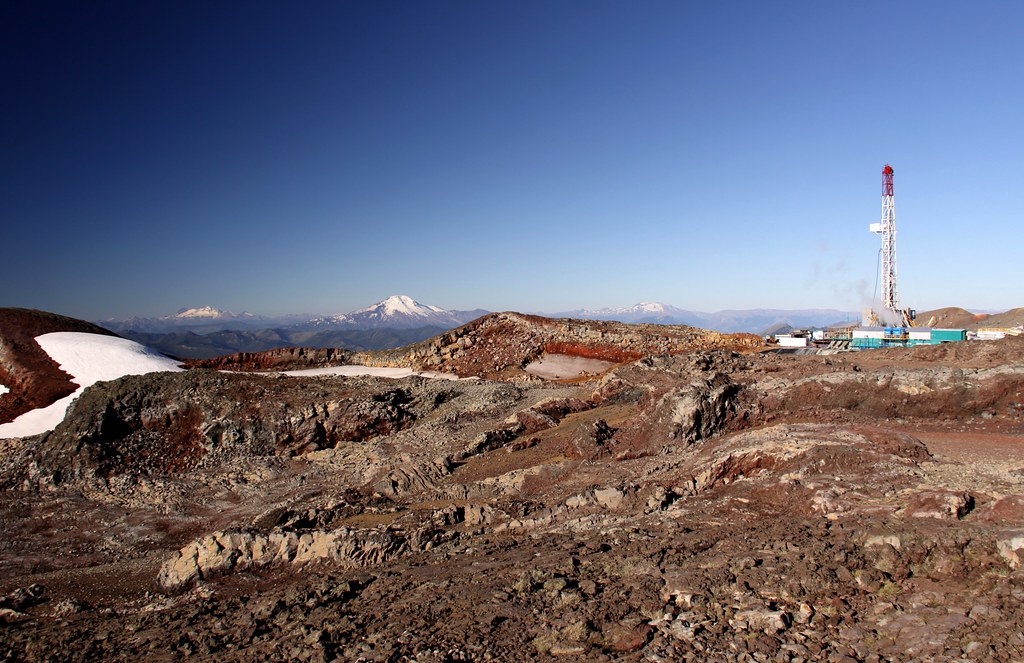
Tolhuaca is a stratovolcano located in the northern part of Chile’s Araucanía region, rising to 2806 meters above sea level. It features an irregular morphology with two main craters, shaped by multiple eruptive phases. Formed along the Andean volcanic belt, Tolhuaca’s structure is composed of layers of hardened lava, ash, and volcanic debris. Its last known activity is classified as dormant, with no recent eruptions but a landscape shaped by past volcanic forces. The volcano’s slopes are covered by thick forests of araucaria and lenga beech, which thrive on volcanic soils rich in minerals. Fumaroles and steam vents are sparse, but the area’s geothermal activity is evident in nearby hot springs. Tolhuaca’s volcanic minerals and rugged terrain tell a story of fire and ice, erosion and renewal, making it a fascinating destination for geology enthusiasts.
The Volcano Trek: Terrain and Hiking Experience
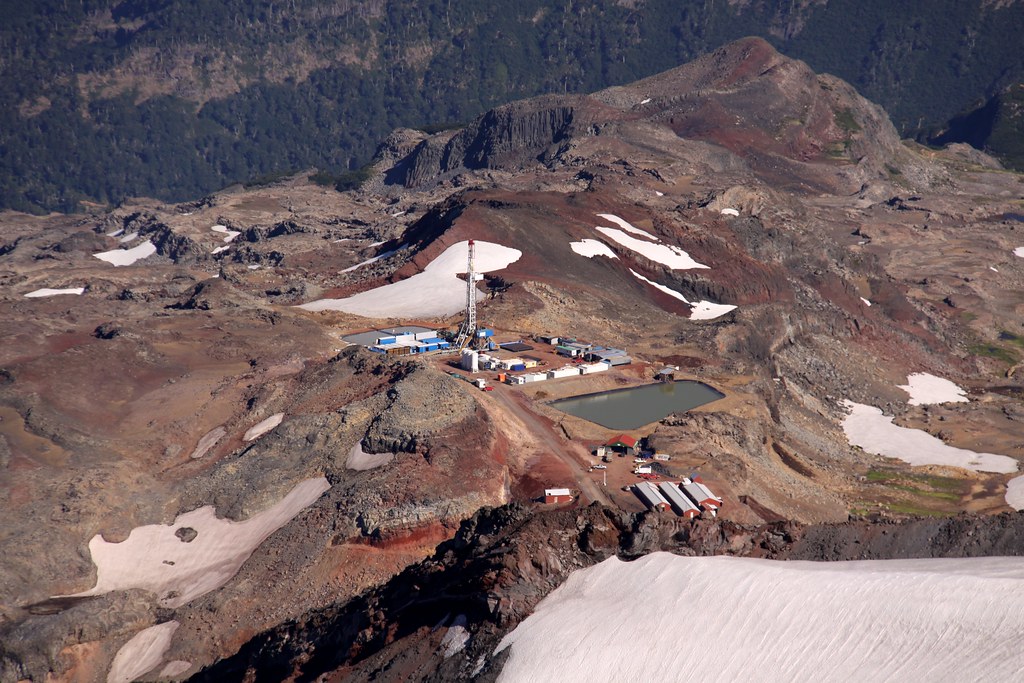
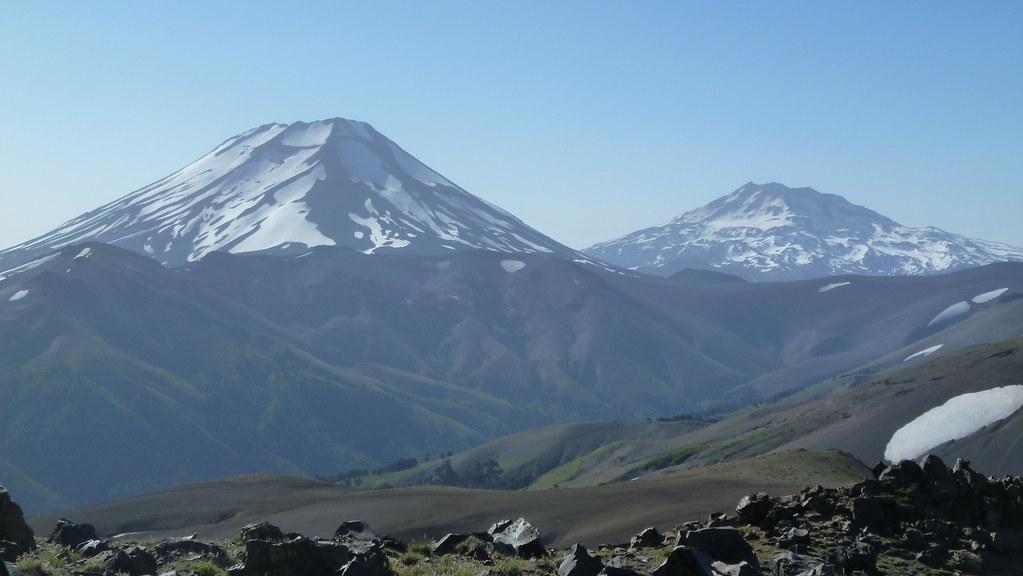
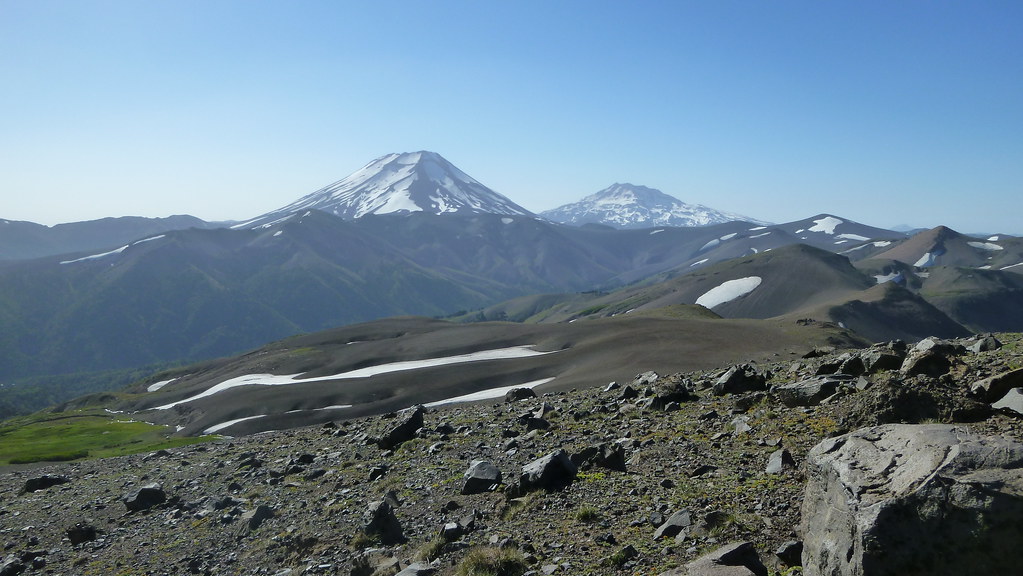
Trekking Tolhuaca Volcano offers a diverse and immersive hiking experience that challenges and delights adventurers. The journey begins in dense Andean forests dominated by towering araucarias, coigües, and lenga trees. Trails such as Chilpas, Mesacura, and Tolhuaca-Niblinto wind through moss-covered paths, crossing crystal-clear streams and revealing hidden waterfalls like the impressive Salto Malleco. The forest floor is often soft with leaf litter, but sections can be muddy after rain, requiring sturdy waterproof boots. As the ascent progresses, the terrain transitions from lush woodland to more open volcanic slopes. Hikers encounter loose volcanic ash and pumice, which can make footing unstable and require careful steps. The trail may include sections of rugged volcanic rock and occasional scrambling over lava formations. The volcanic soil is rich but can be slippery, especially on steeper inclines. Altitude gain of approximately 1300 meters over two days demands moderate fitness and acclimatization. Weather conditions can vary rapidly; mornings may start cool with temperatures near freezing, warming to mild during the day, but strong winds and sudden rain showers are common. Trekking poles are highly recommended to aid balance on uneven terrain and loose scree. The trail’s route-finding can be moderately challenging, especially where mining activity has restricted access to some original paths. Alternative routes starting from Laguna Blanca require careful navigation along valleys and streams before joining the main ascent. Camping near the lake is common for an early summit start. Throughout the hike, trekkers experience a rich sensory palette: the rustle of native birds, the scent of pine resin, the crunch of volcanic gravel underfoot, and expansive views opening up as the forest thins. The summit area is exposed, with panoramic vistas of the surrounding Andes and neighboring volcanoes like Lonquimay. The crater rim itself is rugged but accessible, offering a dramatic finale to the trek. Overall, the terrain demands respect and preparation but rewards with a profound connection to Chile’s volcanic wilderness and a varied hiking experience that blends forest trekking with volcanic exploration.
What Makes This Volcano Trek Unique
Tolhuaca Volcano stands out for its remarkable combination of dense native forests and volcanic landscapes. Unlike many barren volcanic summits, Tolhuaca’s slopes are cloaked in ancient araucaria trees, some of which are centuries old, creating a mystical atmosphere. The presence of pristine lagoons such as Laguna Blanca and Laguna Verde at the volcano’s base adds serene water reflections to the rugged terrain. The nearby Malleco Waterfall, plunging 49 meters over volcanic rock, is a spectacular natural landmark that enriches the trekking experience. Additionally, the region’s hot springs provide a soothing contrast to the physical challenge of the hike, offering natural relaxation spots after long days on the trail. Tolhuaca’s location within the Tolhuaca National Park, part of the UNESCO-designated Araucarias Biosphere Reserve, ensures a protected environment rich in biodiversity. Trekkers can encounter rare and endangered species like the kodkod and peregrine falcon, as well as a variety of endemic flora. The trek’s moderate difficulty combined with its ecological diversity and geological features makes Tolhuaca a compelling destination for hikers seeking both adventure and immersion in Chile’s volcanic and forested heritage.
The Summit and Crater Experience
Reaching the summit of Tolhuaca Volcano is a moment of awe and reflection. The crater rim reveals a rugged, irregular depression formed by ancient eruptions, with rocky outcrops and sparse vegetation. From this vantage point, hikers are rewarded with sweeping panoramas of the Andes, neighboring volcanoes such as Lonquimay, and the lush forests stretching below. The air at the summit is crisp and often carries a faint scent of mineral-rich earth. Although Tolhuaca is dormant, the geological power is palpable in the silence and vastness surrounding the crater. The wind can be strong and chilly, reminding trekkers of the mountain’s elevation and exposure. The crater itself is free of active fumaroles or lava, but its shape and layered rock formations tell the story of volcanic forces that shaped the landscape. The experience is both humbling and exhilarating, offering a rare chance to stand atop a majestic Andean stratovolcano and witness the interplay of fire, earth, and life.
Best Time to Trek Tolhuaca Volcano
The optimal trekking season for Tolhuaca Volcano is during the Southern Hemisphere’s summer and early autumn months, from December to April. During this period, weather conditions are generally more stable, with warmer temperatures ranging from 8°C to 15°C and reduced rainfall compared to the wetter winter months. Winter and early spring bring colder temperatures, frequent rain, and snow at higher elevations, which can make trails slippery and increase the difficulty of the ascent. Early season treks may require additional equipment such as crampons and ice axes, especially if snow or ice covers the upper slopes. Volcanic activity at Tolhuaca is dormant, so there are no active eruption-related restrictions. However, weather can change rapidly in the Andes, so trekkers should be prepared for sudden wind, rain, or temperature drops. Early morning starts are recommended to avoid afternoon showers and to experience the summit in clear, calm conditions. Avoiding the rainy season ensures safer trails and a more enjoyable hiking experience.
Trekking Routes and Trail Options
Tolhuaca Volcano offers several trekking routes that vary in length, difficulty, and scenery, allowing hikers to tailor their adventure to their preferences and fitness levels. The classic ascent traditionally began from the south via the original trail marked on official maps. However, recent mining activity has restricted access to this route, requiring trekkers to seek alternatives. One popular alternative route starts from Laguna Blanca, accessible by vehicle via the Los Prados – Laguna Blanca road. From the parking area, a short 500-meter forest path leads to the lagoon, where hikers often camp overnight. The next day, the trail follows the right-hand stream valley, gradually ascending before making a rising traverse to the left to join the original trail near the summit. This route involves approximately 1300 meters of elevation gain and typically requires two days, with camping at Laguna Blanca to allow an early summit start. Other trails within Tolhuaca National Park, such as the Chilpas, Mesacura, and Tolhuaca-Niblinto trails, offer shorter day hikes that explore the forested lower slopes, waterfalls, and lagoons but do not reach the summit. Guided trekking options are available through local operators like Vida Nativo and Apex Backcountry Guides, who provide logistical support, safety equipment, and expert knowledge of the terrain. Self-guided hikers should prepare for route-finding challenges, especially on less maintained or restricted paths. Overall, the trekking routes combine forest trails, volcanic terrain, and alpine environments, offering a comprehensive experience of Tolhuaca’s diverse landscapes.
Difficulty Assessment
Tolhuaca Volcano is classified as a moderate volcano trek. The ascent involves a significant altitude gain of approximately 1300 meters over rugged terrain, requiring good physical fitness and endurance. The trail conditions vary from soft forest paths to loose volcanic ash and rocky sections, demanding surefootedness and trekking experience. Some route-finding skills are necessary, especially where mining activity has altered or restricted traditional trails. While technical climbing is generally not required, early season snow or ice may necessitate crampons and ice axes, and guided groups may rope up for glacier crossings on nearby volcanoes, though Tolhuaca itself rarely requires this. Altitude effects are moderate but should be considered, as the summit reaches 2806 meters. Proper acclimatization and hydration are important. Overall, the trek suits hikers with prior mountain experience who are comfortable with moderate physical challenges and variable terrain.
Essential Volcano Trekking Gear
For a successful Tolhuaca Volcano trek, pack gear suited to forested and volcanic mountain environments: sturdy hiking boots with good grip for volcanic ash and rocky terrain; trekking poles to aid balance on loose scree and uneven paths; waterproof jacket and pants for sudden rain showers; layered clothing to adapt to temperature changes from forest base to summit; warm hat and gloves for cold summit conditions; headlamp for early morning starts or camping; hydration system with sufficient water capacity; sun protection including sunscreen, sunglasses, and a wide-brimmed hat due to limited shade on upper slopes; small first aid kit; map, compass, or GPS device for navigation; camping gear if planning overnight at Laguna Blanca or other sites; optional ice axe and crampons for early season snow or icy conditions. Local guides and tour operators often provide safety equipment and logistical support for summit attempts.
Safety and Volcanic Hazards
Tolhuaca Volcano is currently dormant, minimizing risks from eruptions or volcanic gases. However, trekkers should remain aware of general mountain hazards and volcanic terrain challenges. Unstable crater edges and loose volcanic scree can pose risks of falls or rockslides. Careful footing and use of trekking poles help mitigate these dangers. Sudden weather changes, including strong winds, rain, and temperature drops, are common in the Andes and require appropriate clothing and preparedness. Mining activity near some trails has restricted access and may introduce hazards or require payment of access fees. Always verify current trail conditions and permissions before trekking. Park rangers and local authorities monitor the area and provide safety information. It is advisable to register your trek with park officials and follow established trails. In early season, snow and ice may cover higher elevations, increasing the risk of slips and requiring technical equipment such as crampons and ice axes. Guided tours provide expertise and safety gear for these conditions. Respect for the natural environment and adherence to safety guidelines ensure a rewarding and secure trekking experience.
Permits, Guides, and Logistics
Access to Tolhuaca Volcano and its surrounding national park requires adherence to permit regulations and logistical planning. Tolhuaca National Park is managed by Chile’s National Forest Corporation (CONAF), which oversees park entry permits and conservation rules. Visitors must obtain park entry permits, which can be purchased at park entrances or authorized offices. These permits help support conservation efforts and maintain trail infrastructure. Additionally, some trailheads, particularly those accessed via private land such as Laguna Blanca, require payment of small access fees to landowners. Due to recent mining activity, the original southern trail to Tolhuaca’s summit has been closed, making alternative routes necessary. The Laguna Blanca approach is currently the most viable, but it involves crossing private property and paying access fees. It is recommended to confirm current trail status and permissions before planning your trek. Several reputable local tour operators specialize in Tolhuaca Volcano trekking and provide comprehensive services including guided hikes, equipment rental, transportation, and camping arrangements. Notable operators include Vida Nativo, which offers multi-day trekking packages with expert guides familiar with the terrain and local ecology; Apex Backcountry Guides, known for their mountain safety expertise and provision of technical gear such as crampons and ice axes when needed; and Chile Hiking Tours, which provides flexible guided and self-guided options with logistical support. Guided tours enhance safety, navigation, and cultural understanding, especially given the moderate route-finding challenges and variable trail conditions. They also facilitate permit acquisition and access to private lands. Logistically, the nearest towns with accommodation and transport links are Malalcahuello and Curacautín. Access to trailheads typically requires private vehicles or arranged transport, as public transit options are limited. Planning for two days is common, with camping at Laguna Blanca or nearby sites to allow early summit attempts. Overall, thorough preparation, permit compliance, and consideration of local regulations are essential for a successful Tolhuaca Volcano trek.
Where to Stay Near Tolhuaca Volcano
Accommodation options near Tolhuaca Volcano cater to a range of preferences, from rustic lodges to comfortable guesthouses, providing convenient bases for trekking and exploring Tolhuaca National Park. Malalcahuello, located approximately 10 to 15 kilometers from the volcano’s trailheads, is the primary gateway town offering several lodging choices. Spectra Lodge Boutique Hotel is a standout option, praised for its warm hospitality, comfortable rooms, and excellent meals. It provides a cozy atmosphere with amenities such as free bike rentals, private parking, and a garden, making it ideal for relaxation after trekking days. CasaVerde Hostal Ecologico offers eco-friendly accommodations with free WiFi and private bathrooms, appealing to environmentally conscious travelers. For those seeking a more intimate and nature-immersed experience, Vista Sierra Nevada Shelter is a cozy refuge nestled in the forest just 2 kilometers from Malalcahuello village. It features modern comforts including Starlink internet, streaming TV, and dedicated spaces for drying hiking gear. Curacautín, about 30 kilometers from the volcano, provides additional lodging options including Cabañas & Hostal Lefuco, which offers free WiFi and private parking. This town serves as a logistical hub with restaurants, shops, and transport connections. Camping is also popular within Tolhuaca National Park, particularly near Laguna Blanca, where trekkers often spend the night to facilitate early summit ascents. The park has designated camping areas with basic facilities, allowing immersion in the natural environment. For travelers seeking spa and wellness after trekking, the nearby Corralco ski center features hotels like Valle Corralco Hotel & Spa, offering amenities such as swimming pools, fitness centers, and mountain views. Overall, the region around Tolhuaca Volcano provides a variety of accommodations that balance comfort, accessibility, and proximity to the volcano’s trails, supporting both day hikes and multi-day trekking itineraries.