
Climbing Volcán de Colima: Expert Guide to Trekking Mexico’s Most Active Stratovolcano
Volcán de Colima, Mexico’s most active volcano, offers a thrilling and technical mountaineering experience. This guide covers its geology, trekking routes, safety considerations, permits, and accommodation options for adventurous volcano hikers.
Quick Volcano Snapshot
| Attribute | Value |
|---|---|
| Volcano type | Stratovolcano |
| Elevation | 3,820 meters (12,533 feet) |
| Location | Jalisco/Colima, Mexico |
| Activity status | Active |
| Trekking difficulty | Technical mountaineering |
| Typical trek duration | 1-2 days |
| Altitude gain | Approx. 1,924 meters (6,312 feet) on main routes |
| Terrain type | Volcanic ash slopes, lava rock, rugged mountain trails, cloud forest |
| Best season | November to April (dry season) |
| Temperature range | Daytime 15-27°C (59-81°F), Nighttime 0-10°C (32-50°F) |
| Permit requirement | Required; park entrance fee and guided permits recommended |
The Experience of Hiking Volcán de Colima
Approaching Volcán de Colima, the landscape shifts dramatically from lush plantations to stark volcanic terrain. The towering stratovolcano dominates the horizon, its frequent ash plumes a reminder of its fiery power. Hiking here is an immersion into raw geological forces, where the contrast between fertile coffee fields and barren lava flows tells a story of creation and destruction. Reaching the crater rim, the air is thin and crisp, the ground warm beneath your feet, and the panoramic views reveal the vast Trans-Mexican Volcanic Belt. The emotional impact of standing near an active vent, feeling the heat and hearing the distant rumble, is unforgettable for any volcano trekker.
Geological Background of Volcán de Colima
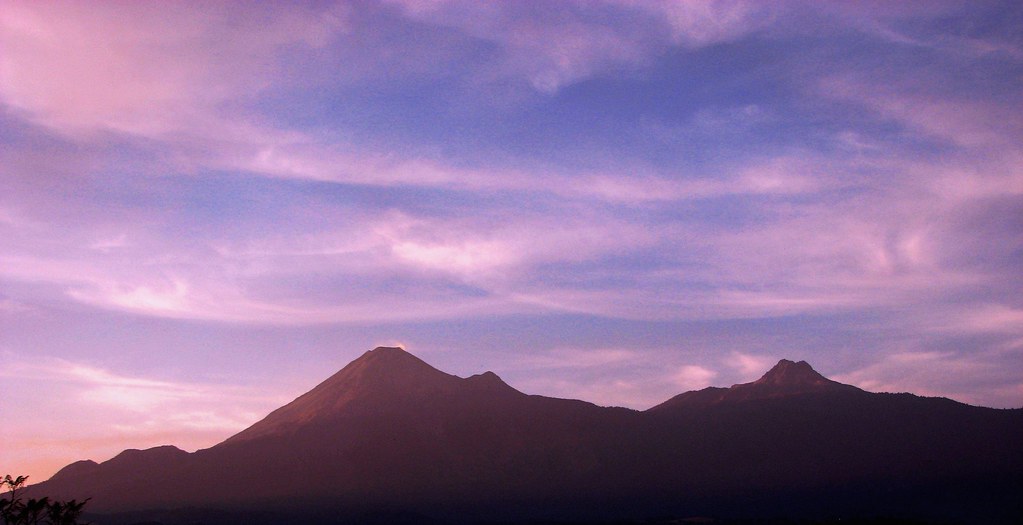
Volcán de Colima is a classic stratovolcano formed by successive layers of hardened lava, tephra, and volcanic ash. It is part of the Colima Volcanic Complex, which includes the older Nevado de Colima peak. This volcano has a long history of eruptions, with frequent activity characterized by explosive ash plumes, lava flows, and incandescent rockfalls. Its steep conical shape is punctuated by fumaroles and sulfur deposits near the summit. The volcano’s geology reveals a dynamic system fueled by subduction of the Cocos Plate beneath the North American Plate. Unique formations such as lava domes and pyroclastic deposits provide a vivid geological classroom for visitors. The ongoing activity makes it one of the most studied and visually dramatic volcanoes in North America.
Terrain and Hiking Experience on Volcán de Colima
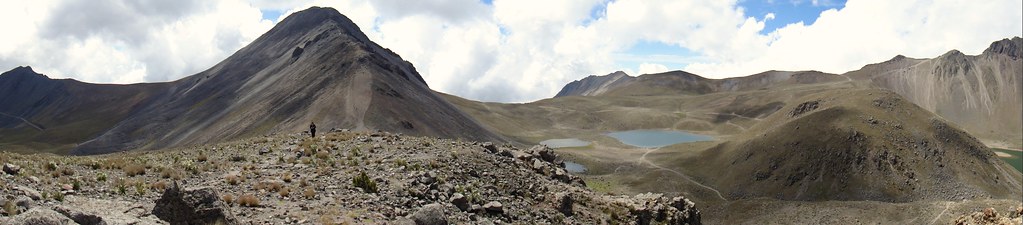
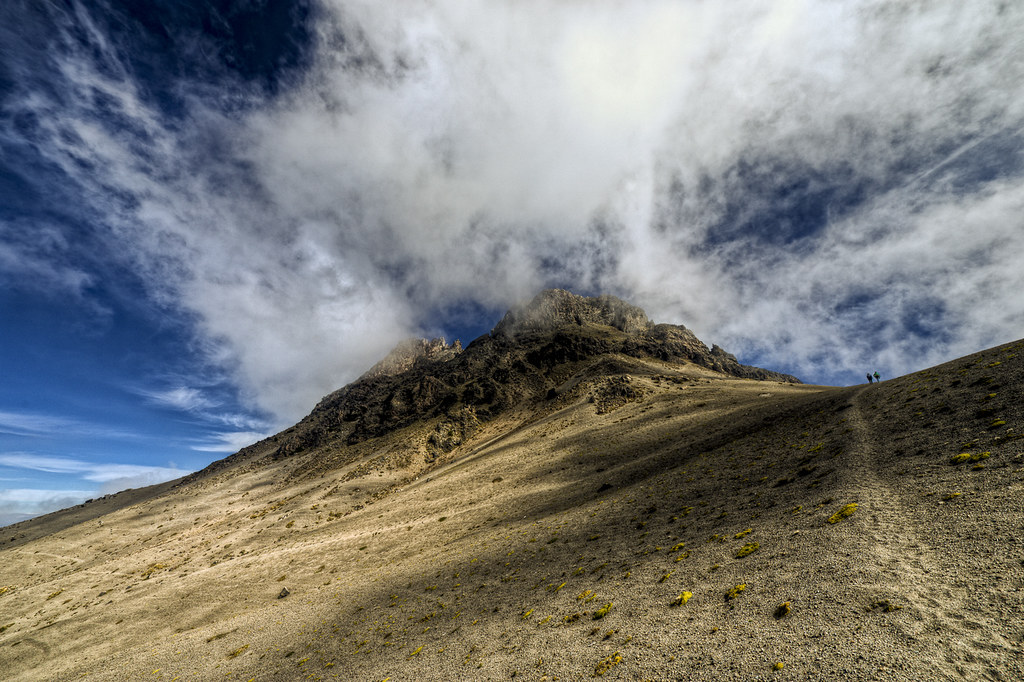
Trekking Volcán de Colima is a demanding adventure that challenges even experienced mountaineers. The terrain varies from dense cloud forests at lower elevations to loose volcanic ash and rugged lava rock near the summit. Hikers begin their ascent through coffee, sugarcane, and avocado plantations, which gradually give way to pine forests and then to barren volcanic slopes. The trail includes steep sections of loose pumice and ash, requiring careful footing and good balance. Scrambling over jagged lava rocks is common, especially near the crater rim, where the terrain becomes more technical. Altitude gain is significant, with an ascent of nearly 2,000 meters, which can cause altitude-related fatigue and requires acclimatization. Weather conditions can change rapidly; trekkers face strong winds, cold temperatures at night, and intense sun exposure during the day. The trail is well-marked but physically demanding, with some sections requiring the use of trekking poles and gloves for protection. The volcanic ash can be slippery, and volcanic gases near fumaroles may require caution. Overall, the hike combines physical endurance with technical skills, rewarding climbers with spectacular views and a close encounter with one of Mexico’s most active volcanoes.
What Makes Volcán de Colima Trek Unique
Volcán de Colima’s uniqueness lies in its status as one of the most active volcanoes in Mexico, offering trekkers a rare opportunity to witness ongoing volcanic processes safely. The frequent eruptions produce spectacular ash plumes and glowing lava flows visible from the trail. The proximity of the dormant Nevado de Colima peak adds geological diversity, allowing hikers to explore contrasting volcanic landscapes. The trek also passes through diverse ecosystems, from tropical plantations to high-altitude pine forests, supporting rich flora and fauna including endemic bird species. The cultural backdrop of nearby towns like Comala and the presence of traditional agriculture enrich the experience. The combination of technical mountaineering challenges, active volcanic phenomena, and vibrant natural and cultural surroundings makes this trek a standout adventure for volcano enthusiasts.
Summit and Crater Experience at Volcán de Colima
Reaching the summit of Volcán de Colima is a moment of awe and exhilaration. The crater rim offers panoramic views of the surrounding volcanic complex and the distant Pacific coast. The air is thin and cool, carrying the faint but unmistakable scent of sulfur. Near the crater, fumaroles emit steam and gases, and the ground radiates residual heat from recent eruptions. The sound of escaping volcanic gases creates a haunting atmosphere, punctuated by occasional distant rumbles. The landscape is a mosaic of fresh lava flows, ash deposits, and rugged rock formations. This sensory experience—sight, sound, smell, and touch—connects hikers intimately with the Earth’s fiery heart. The summit is also a vantage point for observing the dynamic activity of the volcano, making it a highlight for photographers and geology enthusiasts alike.
Best Time to Trek Volcán de Colima
The optimal time to hike Volcán de Colima is during the dry season, from November to April. During these months, weather conditions are more stable, with lower chances of rain and fog, which improves trail safety and visibility. Temperatures during the day range from mild to warm, while nights can be cold, especially at higher elevations. Avoid the rainy season (May to October) due to slippery trails, increased risk of landslides, and reduced visibility. Additionally, volcanic activity is monitored year-round, and climbers should check for any official advisories or temporary closures related to eruptions or gas emissions. Early morning starts are recommended to avoid afternoon winds and to enjoy clear views at sunrise. Planning your trek in the dry season maximizes safety and the quality of the volcanic experience.
Routes and Trail Options for Volcán de Colima
The primary route to Volcán de Colima’s summit begins at La Joya Campground, accessible via a 17-kilometer dirt road from the park entrance. From La Joya, the ascent to the summit typically takes about four hours. This route is steep and technical, requiring good fitness and mountaineering skills. Another challenging option is the El Fresnito–La Joya trail, also known as “La Ruta de los Tubos,” which covers approximately 12.5 kilometers with an elevation gain of 1,924 meters. This trail is recommended for advanced hikers and can take between five to ten hours depending on fitness. Guided tours often combine these routes over two days, camping at La Joya before summiting. Alternative trails include the El Bosque de Niebla path, which passes through cloud forest and offers a more moderate hiking experience but does not reach the active crater. Guided and self-guided options are available, though hiring a certified guide is strongly advised due to the volcano’s activity and technical terrain. Trail signage is present, but conditions can be challenging, especially near the summit.
Difficulty Assessment of Volcán de Colima Trek
Volcán de Colima is classified as a technical mountaineering trek. The steep elevation gain, loose volcanic ash, and rugged lava rock terrain demand a high level of physical fitness and hiking experience. Altitude effects above 3,000 meters require acclimatization to prevent altitude sickness. The trail involves scrambling and navigating unstable surfaces, making trekking poles and mountaineering gloves essential. Weather conditions can add difficulty, with cold temperatures, strong winds, and sudden changes. This trek is not suitable for beginners; it is best attempted by experienced hikers comfortable with technical terrain and variable volcanic conditions. Proper preparation, including physical training and gear, is critical for a safe and successful ascent.
Essential Gear for Volcán de Colima Trekking
Key gear for hiking Volcán de Colima includes sturdy hiking boots with excellent grip to handle loose ash and rocky terrain. Trekking poles help maintain balance on steep slopes. Layered clothing is vital to adapt to temperature fluctuations, including thermal base layers, a windproof and waterproof jacket, and gloves. A helmet is recommended for protection from falling rocks near the summit. Due to volcanic gases, a lightweight respirator or gas mask can be useful, especially near fumaroles. Sun protection—hat, sunglasses, and high-SPF sunscreen—is essential as the volcano offers little shade. A headlamp is necessary for early starts or late finishes. Carry sufficient water and high-energy snacks, as no water sources are available on the trail. A first-aid kit and map or GPS device are also important for safety.
Safety and Volcanic Hazards on Volcán de Colima
Volcán de Colima’s active status presents specific hazards for trekkers. Volcanic gases such as sulfur dioxide can cause respiratory irritation; hikers should monitor air quality and avoid fumarole areas if gas concentrations are high. The terrain near the crater is unstable, with loose rocks and ash that increase the risk of falls and rockslides. Sudden eruptions, though often preceded by warnings, remain a danger; visitors must heed official advisories from CONANP and local authorities. Weather can change rapidly, bringing cold temperatures, strong winds, and reduced visibility. It is essential to hike with a certified guide familiar with current volcanic activity and emergency procedures. Carrying communication devices and informing park officials of your itinerary enhances safety. Following marked trails and respecting park regulations minimizes environmental impact and personal risk.
Permits, Guides, and Logistics for Volcán de Colima
Visiting Volcán de Colima requires obtaining permits from the Parque Nacional Volcán Nevado de Colima authorities. An entrance fee of approximately 60 Mexican pesos is charged at the park gate. Due to the volcano’s active status and technical terrain, hiring a certified guide is strongly recommended and often mandatory for summit attempts. Local tour operators such as Admire Mexico Tours and Mex-ECO Tours offer guided trekking packages ranging from cultural tours to technical summit hikes. These operators provide essential services including transportation, permits, equipment rental, and safety briefings. Permits must be requested in advance, especially for overnight camping at La Joya Campground. The park restricts activities to designated trails and camping areas to protect the environment and ensure visitor safety. Visitors should plan logistics carefully, considering the rough 4×4-accessible dirt road to the park entrance and limited public transport options. Booking tours through reputable operators simplifies permit acquisition and enhances safety. Visitors are advised to check current volcanic activity reports and park regulations before planning their trip.
Where to Stay Near Volcán de Colima
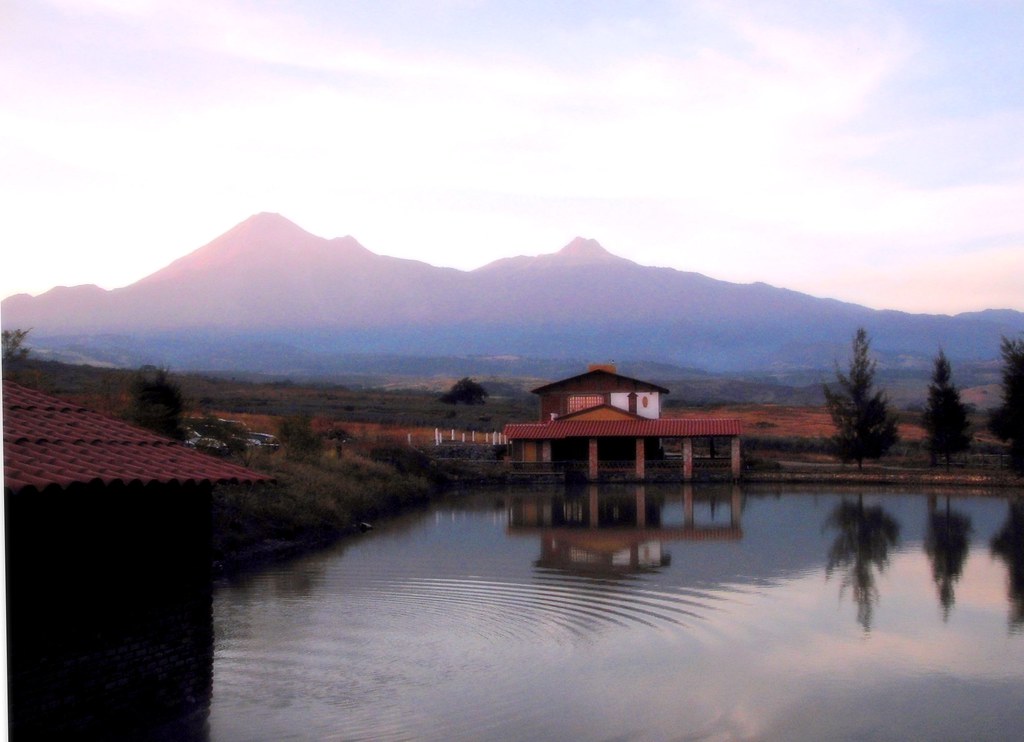
Accommodation options near Volcán de Colima cater to a range of preferences, from rustic cabins to comfortable hotels. The closest base for summit attempts is La Joya Campground inside the national park, offering basic camping facilities with parking and access to the trailhead. For more comfortable lodging, the town of Comala, about 30 minutes from the park, features charming options such as Cabañas del Volcán, which provide cozy cabins with amenities including hot water, Wi-Fi, kitchen facilities, and stunning volcano views. Comala is also known for its local restaurants and organic coffee shops, ideal for relaxing after a trek. The city of Colima, approximately one hour away, offers a wider selection of hotels like Hotel María Isabel and Hotel Concierge Plaza Colima, featuring modern comforts and easy access to transportation. Guadalajara, the nearest major city, is about a three-and-a-half-hour drive and serves as the main gateway with international airport connections. Many tour operators include transportation from these towns to the park. For those seeking a more immersive experience, local guesthouses and eco-lodges in the surrounding villages provide authentic cultural encounters and proximity to nature.