Hiking Barva Volcano: A Complete Trekking Guide to Costa Rica’s Cloud Forest Giant
Discover the enchanting Barva Volcano in Costa Rica, a dormant stratovolcano cloaked in lush cloud forest. This comprehensive trekking guide covers geology, terrain, routes, gear, safety, permits, and accommodations for an unforgettable moderate-difficulty hike to crater lakes and panoramic summits.
Quick Volcano Snapshot
| Attribute | Value |
|---|---|
| Volcano type | Stratovolcano |
| Elevation | 2906 meters |
| Location | Heredia Province, Costa Rica |
| Activity status | Dormant |
| Trekking difficulty | Moderate |
| Typical trek duration | 4-6 hours |
| Altitude gain | Approximately 600 meters |
| Terrain type | Cloud forest trails, volcanic ash slopes, crater lakes |
| Best season | December to April (dry season) |
| Temperature range | 8°C to 18°C (46°F to 64°F) |
| Permit requirement | Park entry permit required |
The Experience of Hiking Barva Volcano
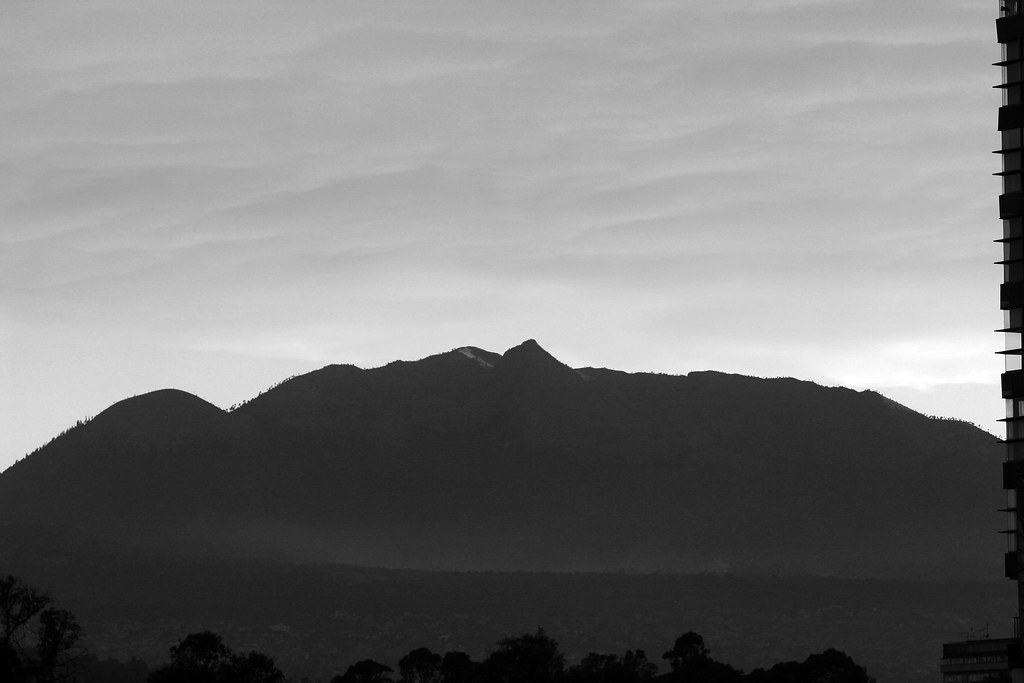
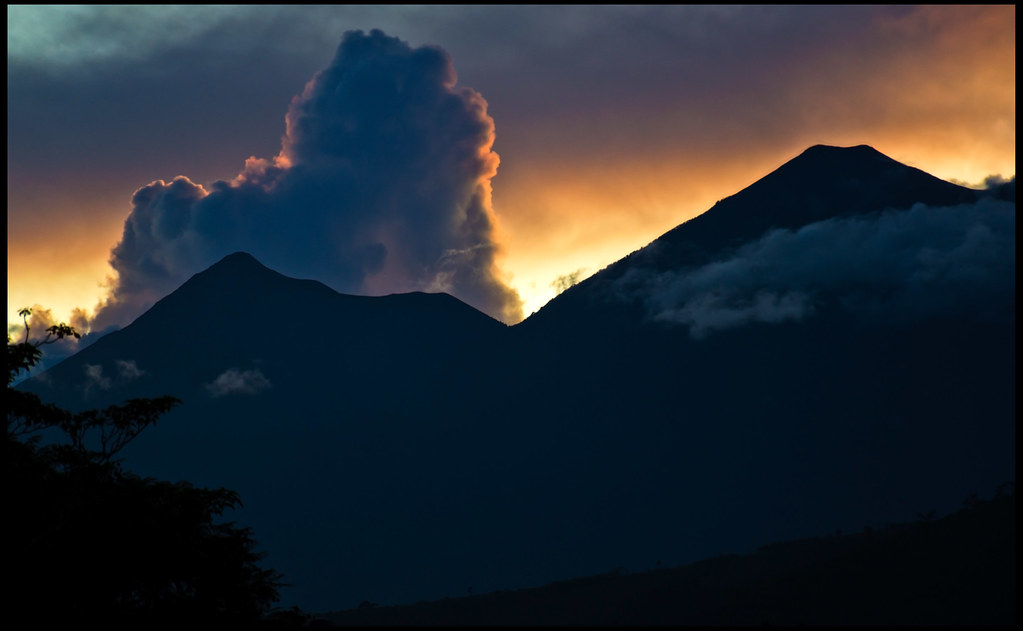
Approaching Barva Volcano is like stepping into a mystical realm where dense cloud forests shroud ancient volcanic peaks. The trail winds through moss-draped trees and misty veils, immersing hikers in a serene yet powerful landscape shaped by geological forces. The contrast between the lush greenery and the volcanic terrain creates a unique atmosphere of raw natural beauty. Reaching the crater, hikers are rewarded with tranquil crater lakes and sweeping views over Costa Rica’s verdant highlands, evoking a profound sense of connection to the Earth’s volcanic heartbeat.
Geological Background of Barva Volcano
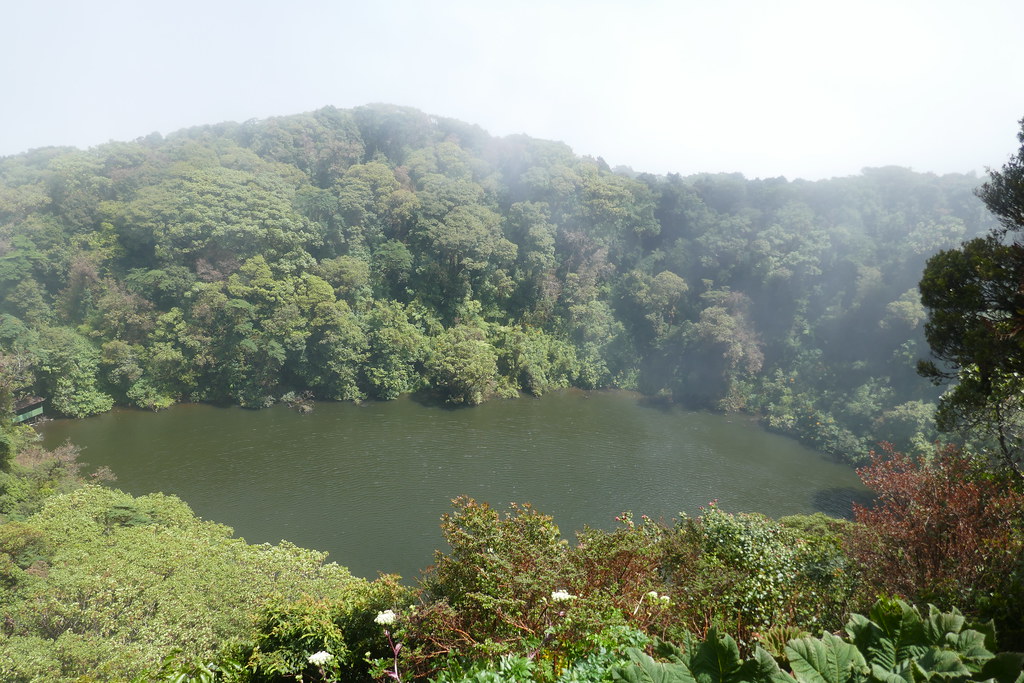
Barva Volcano is a dormant stratovolcano forming part of Costa Rica’s Cordillera Central mountain range. Rising to 2,906 meters, it is composed of multiple volcanic peaks and features several crater lakes formed by past eruptions. Unlike its more active neighbors, Barva has been dormant for thousands of years, allowing thick cloud forests to develop on its slopes. The volcano’s geology includes layers of andesitic lava flows, pyroclastic deposits, and rich volcanic soils that support diverse flora. Fumaroles and sulfur deposits are minimal due to its dormancy, but the volcanic landscape remains marked by ancient lava flows and crater formations, offering a fascinating glimpse into Costa Rica’s volcanic past.
Terrain and Hiking Experience on Barva Volcano
Hiking Barva Volcano presents a rewarding challenge through varied terrain that tests endurance and offers immersive natural beauty. The trail begins at the Barva Ranger Station, ascending through dense cloud forest characterized by moss-covered trees, ferns, and frequent mist that creates a cool, damp environment. The path is often muddy and slippery, especially during the rainy season, requiring sturdy hiking boots with good traction. As hikers gain elevation, the forest thins to reveal volcanic ash slopes and rocky outcrops. The terrain includes loose volcanic soil and occasional patches of pumice, demanding careful footing. Navigating these sections requires moderate fitness and surefootedness.
The ascent covers approximately 2.5 kilometers to the summit, with an altitude gain near 600 meters. Along the way, hikers encounter small streams and babbling brooks that add to the trail’s enchanting atmosphere. The trail’s moderate difficulty is compounded by unpredictable weather, with sudden rain showers and wind gusts common at higher elevations. The cloud forest ecosystem supports rich biodiversity, including over 500 bird species, making the hike appealing for wildlife enthusiasts.
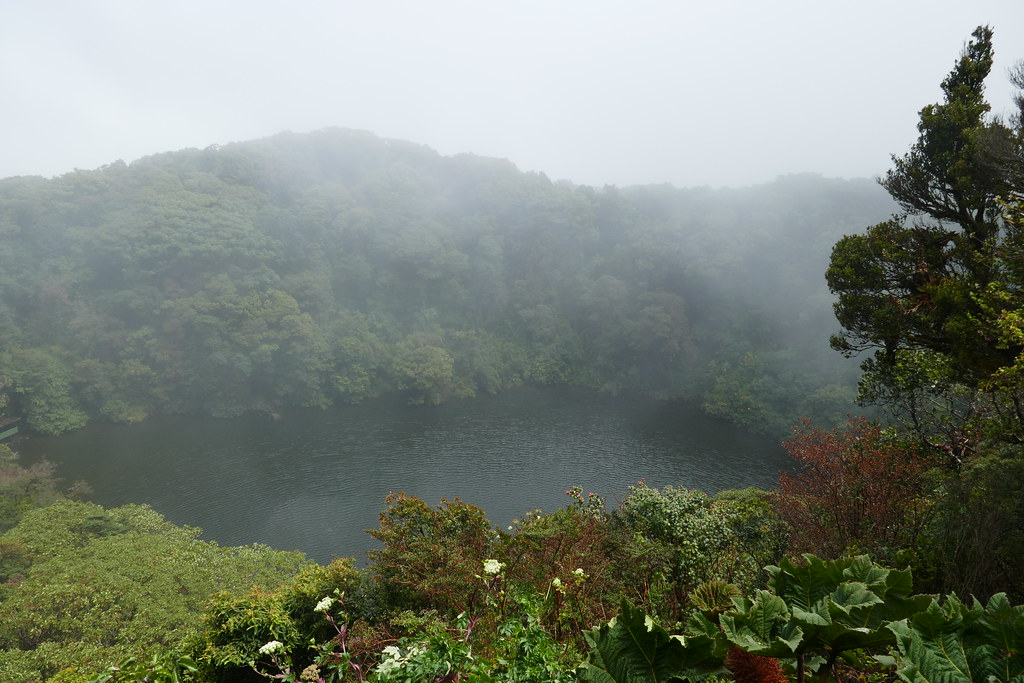
Near the summit, the terrain opens to reveal the volcano’s crater lakes, including Lago Barva and Copey Lagoon. These serene water bodies sit within volcanic craters, surrounded by lush vegetation and volcanic rock formations. The crater rim offers panoramic views of the surrounding highlands and distant volcanoes, rewarding hikers with breathtaking vistas. The combination of cloud forest ambiance, volcanic terrain, and crater lakes creates a unique hiking experience that blends adventure with natural wonder.
What Makes the Barva Volcano Trek Unique
Barva Volcano stands out for its enchanting cloud forest setting combined with volcanic features rarely found together. Unlike Costa Rica’s more active volcanoes, Barva’s long dormancy has allowed a rich ecosystem to flourish, making the trek a journey through both geological and biological diversity. The presence of multiple crater lakes nestled within volcanic craters adds a mystical quality to the landscape. The trail’s relative seclusion ensures a tranquil hiking experience away from crowded tourist spots. Bird watchers and nature lovers are drawn by the abundance of wildlife, including the elusive quetzal. The interplay of mist, moss, volcanic rock, and water creates a captivating atmosphere that is both serene and awe-inspiring.
The Summit and Crater Experience
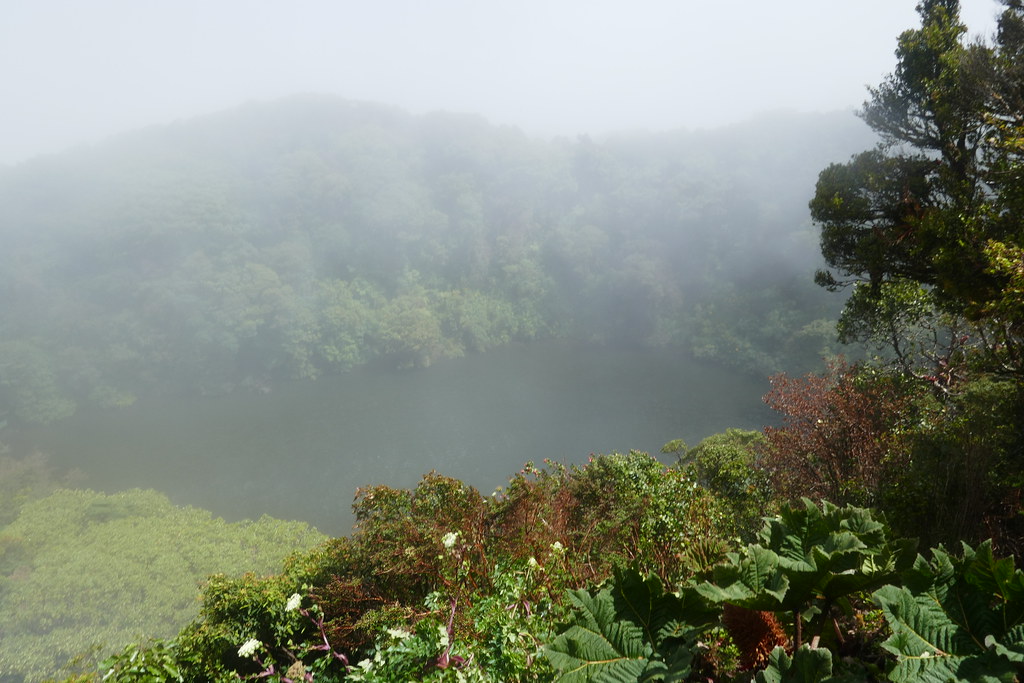
Reaching Barva’s summit is a moment of quiet triumph amid nature’s grandeur. The crater lakes shimmer beneath the mist, their still waters reflecting the surrounding cloud forest. The air carries a fresh, earthy scent mingled with faint traces of volcanic minerals. From the crater rim, panoramic views stretch across Costa Rica’s Central Valley and neighboring volcanoes, framed by rolling hills and dense forests. The summit’s cool breeze and occasional sunbreaks create a dynamic sensory experience. Unlike active volcanoes, there is no sulfurous smell or fumarolic activity, but the peaceful crater lakes and rugged volcanic formations evoke a profound sense of the Earth’s enduring power.
Best Time to Trek Barva Volcano
The optimal time to hike Barva Volcano is during Costa Rica’s dry season, from December to April, when trails are less muddy and weather conditions are more stable. The rainy season, spanning May to November, often brings heavy showers that can render trails slippery and challenging, sometimes leading to temporary closures. Early morning starts are recommended to avoid afternoon rains and to experience the mystical cloud forest veiled in morning mist. Temperatures range from 8°C to 18°C, so layering is essential. Seasonal considerations include monitoring park advisories for trail conditions and potential weather hazards.
Trekking Routes and Trail Options on Barva Volcano
The primary route to Barva Volcano’s summit begins at the Barva Ranger Station within Braulio Carrillo National Park. This trail spans approximately 2.5 kilometers with an altitude gain of about 600 meters, classified as moderate in difficulty. Hikers navigate through cloud forest, volcanic ash slopes, and rocky sections before reaching the crater lakes and summit. The trail is well-marked, but conditions can vary with weather, so consulting park rangers for current trail status is advised.
An alternative option is a shorter hike to Copey Lagoon, a scenic crater lake accessible when the main summit trail is closed due to muddy conditions. This route offers a less strenuous experience while still immersing hikers in volcanic and forest landscapes.
Guided tours are available through local operators who provide expert knowledge on geology, flora, and fauna. Self-guided hikers should obtain maps and trail information at the ranger station. The park’s infrastructure supports day hikes, with no overnight camping permitted near the summit. Access to the park requires a 4×4 vehicle due to rough road conditions leading to the trailhead.
Difficulty Assessment of Barva Volcano Trek
Barva Volcano’s trek is classified as a moderate volcano hike. The trail’s challenges include uneven, muddy terrain, steep ascents, and variable weather conditions typical of cloud forests. While technical climbing skills are not required, hikers should be prepared for slippery volcanic ash slopes and rocky sections demanding good balance and sturdy footwear. Altitude effects are mild but noticeable, with the summit at nearly 3,000 meters. A reasonable level of fitness is necessary to comfortably complete the 4 to 6-hour round trip. The trail is suitable for hikers with some prior experience in mountainous terrain but may be strenuous for beginners.
Essential Gear for Hiking Barva Volcano
Key gear for Barva Volcano includes waterproof hiking boots with strong grip to handle muddy and rocky terrain, and trekking poles to aid balance on slippery slopes. A waterproof jacket and quick-dry clothing are essential due to frequent rain and mist. Carrying a headlamp is recommended for early starts or late finishes. A hydration system and high-energy snacks will sustain energy levels. Sun protection such as a hat and sunscreen is necessary despite cloud cover. Insect repellent is advised for the forested sections. While volcanic gases are minimal, a lightweight face mask can help filter dust on dry trail segments.
Safety and Volcanic Hazards on Barva Volcano
Barva Volcano is dormant, presenting minimal volcanic hazards such as gas emissions or eruptions. However, safety concerns focus on trail conditions and natural risks. Muddy and slippery paths increase the risk of falls, especially during the rainy season. Loose volcanic ash and rocks require careful footing. Weather can change rapidly, bringing cold temperatures and reduced visibility. Hikers should stay on marked trails and heed ranger advice. There are no active fumaroles or sulfur vents, reducing respiratory hazards common on active volcanoes. Emergency services are limited, so preparation and caution are paramount. Braulio Carrillo National Park authorities monitor trail conditions and provide updates.
Permits, Guides, and Logistics for Barva Volcano Trek
Access to Barva Volcano is managed through Braulio Carrillo National Park, requiring visitors to obtain a park entry permit at the Barva Ranger Station. Entry fees are modest and support conservation efforts. Permits are available on-site, with no advance booking typically necessary, but hikers should verify current regulations before arrival.
Guided tours are offered by several reputable operators including Costa Rica Volcano Tours, Rainforest Adventures Costa Rica, and Eco Trek Costa Rica. These guides provide valuable insights into the volcano’s geology, cloud forest ecology, and local wildlife, enhancing the trekking experience. Guided hikes often include transportation from nearby towns and equipment recommendations.
Logistically, reaching the trailhead demands a 4×4 vehicle due to rough access roads. Public transport options are limited, so renting a vehicle or arranging shuttle services is advisable. The Barva Ranger Station serves as the main starting point, where hikers can obtain maps, trail condition updates, and safety information.
Visitors should plan for variable weather and trail conditions, especially during the rainy season when some paths may close temporarily. Carrying sufficient water, food, and appropriate gear is essential. The park prohibits camping near the summit, so all treks are day hikes. Early starts are recommended to maximize daylight and avoid afternoon rains. Overall, the combination of accessible permits, knowledgeable guides, and clear logistics makes Barva Volcano a rewarding destination for adventurous hikers.
Where to Stay Near Barva Volcano
Accommodation options near Barva Volcano cater to travelers seeking proximity to the trailhead and immersion in Costa Rica’s natural beauty. The nearby town of Vara Blanca, located approximately 15 kilometers from the Barva Ranger Station, offers several lodges and guesthouses. Notable among these is Poas Volcano Lodge, praised for its comfortable rooms, friendly staff, and scenic surroundings. The lodge features amenities such as hot showers, on-site dining, and easy access to local trails.
Other options include eco-lodges and small inns that emphasize sustainable tourism and provide a tranquil atmosphere amid cloud forest landscapes. Many accommodations offer shuttle services or can assist with arranging 4×4 transport to the trailhead, essential given the rough access roads.
For travelers preferring more urban conveniences, the city of Heredia and the capital San José are within a 1 to 1.5-hour drive, providing a wider range of hotels, restaurants, and services. However, staying closer to the volcano allows for earlier trail starts and a more immersive natural experience.
Visitors should book accommodations in advance during the dry season, when demand increases. The combination of comfortable lodging, local hospitality, and logistical support makes Vara Blanca and surrounding areas ideal bases for exploring Barva Volcano and Braulio Carrillo National Park.