Climbing Coropuna Volcano: The Ultimate Technical Mountaineering Guide to Peru’s Highest Volcano
Coropuna Volcano, the highest volcano in Peru at 6,425 meters, offers a challenging and rewarding technical mountaineering experience. This dormant complex volcano features extensive glaciers and requires proper acclimatization, technical gear, and expert guidance. This guide covers the geology, trekking terrain, routes, permits, logistics, accommodations, and safety considerations for climbers aiming to summit this majestic Andean giant.
Quick Volcano Snapshot
| Attribute | Value |
|---|---|
| Volcano type | Complex Stratovolcano |
| Elevation | 6,425 meters |
| Location | Arequipa Region, Peru |
| Activity status | Dormant |
| Trekking difficulty | Technical mountaineering |
| Typical trek duration | 3 to 4 days |
| Altitude gain | Approximately 1,700 meters from base camp to summit |
| Terrain type | Volcanic rock, moraine, glacier, snow |
| Best season | May to November (dry season) |
| Temperature range | Cold, sub-zero temperatures at summit; variable at lower elevations |
| Permit requirement | Mandatory permits required, typically arranged through tour operators |
The Experience of Hiking Coropuna Volcano
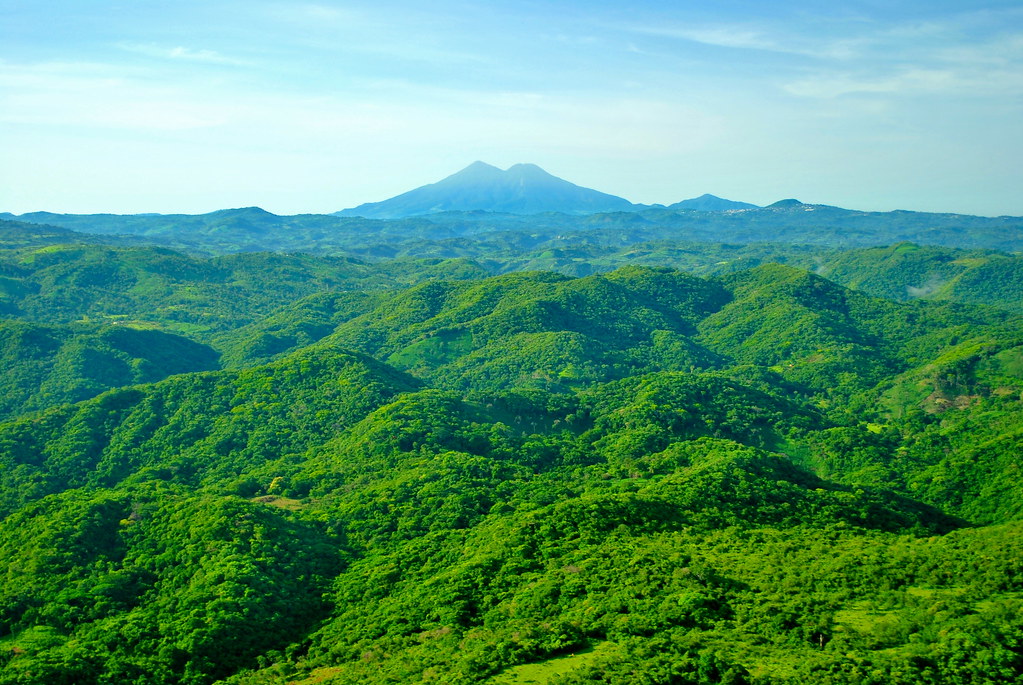
Approaching Coropuna Volcano is a journey into the heart of the Peruvian Andes, where the vastness of the landscape and the towering presence of the glacier-capped peak evoke a profound sense of awe. The trek begins in the arid desert valleys of Arequipa, gradually ascending through lush green highland oases before reaching the stark, icy slopes of the volcano. The contrast between the barren volcanic terrain and the surrounding Andean flora and fauna creates a dramatic backdrop. Climbers experience the raw power of geological forces as they navigate rocky ridges and glacial ice, culminating in the emotional triumph of standing atop Peru’s highest volcano, surrounded by panoramic views of the Andes.
Geological Background of Coropuna Volcano
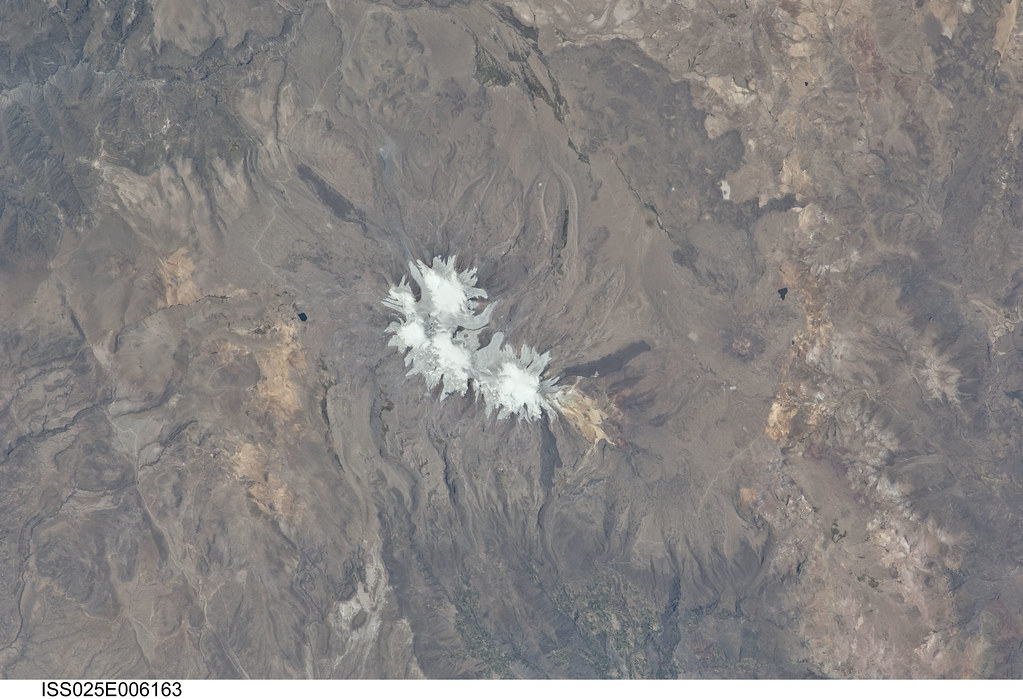
Coropuna is a complex stratovolcano located in southern Peru’s Arequipa region, standing at 6,425 meters, making it the highest volcano in the country and the third highest peak overall. Its formation dates back to multiple eruptive phases that built a massive volcanic edifice characterized by overlapping cones and extensive glaciation. The volcano’s summit is covered by large glaciers, which are among the largest in the tropical Andes. Coropuna’s dormant status means it has not erupted in recent history, but its geological features include ancient lava flows, pyroclastic deposits, and fumarolic activity evidenced by sulfur deposits. The volcano’s glaciers play a crucial role in the regional hydrology, storing vast amounts of ice that feed rivers downstream. Its geological complexity offers climbers a unique opportunity to witness volcanic and glacial processes intertwined in a high-altitude environment.
The Volcano Trek: Terrain and Hiking Experience
Climbing Coropuna is a demanding technical mountaineering expedition that challenges even experienced climbers. The trek begins with a drive from Arequipa through diverse landscapes, from desert valleys to green highlands, before reaching the high-altitude base camp near Pallarcocha Lagoon at approximately 4,743 meters. The terrain here is a mix of rocky moraine and sandy valleys, offering a relatively gentle introduction to the altitude.
From base camp, trekkers ascend to a high camp situated around 5,554 meters, traversing ridges and moraines that require careful footing. The trail includes sections of loose volcanic rock and scree, which can be unstable and demand good balance and trekking poles for support. The ascent to the high camp is moderately steep but manageable with acclimatization.
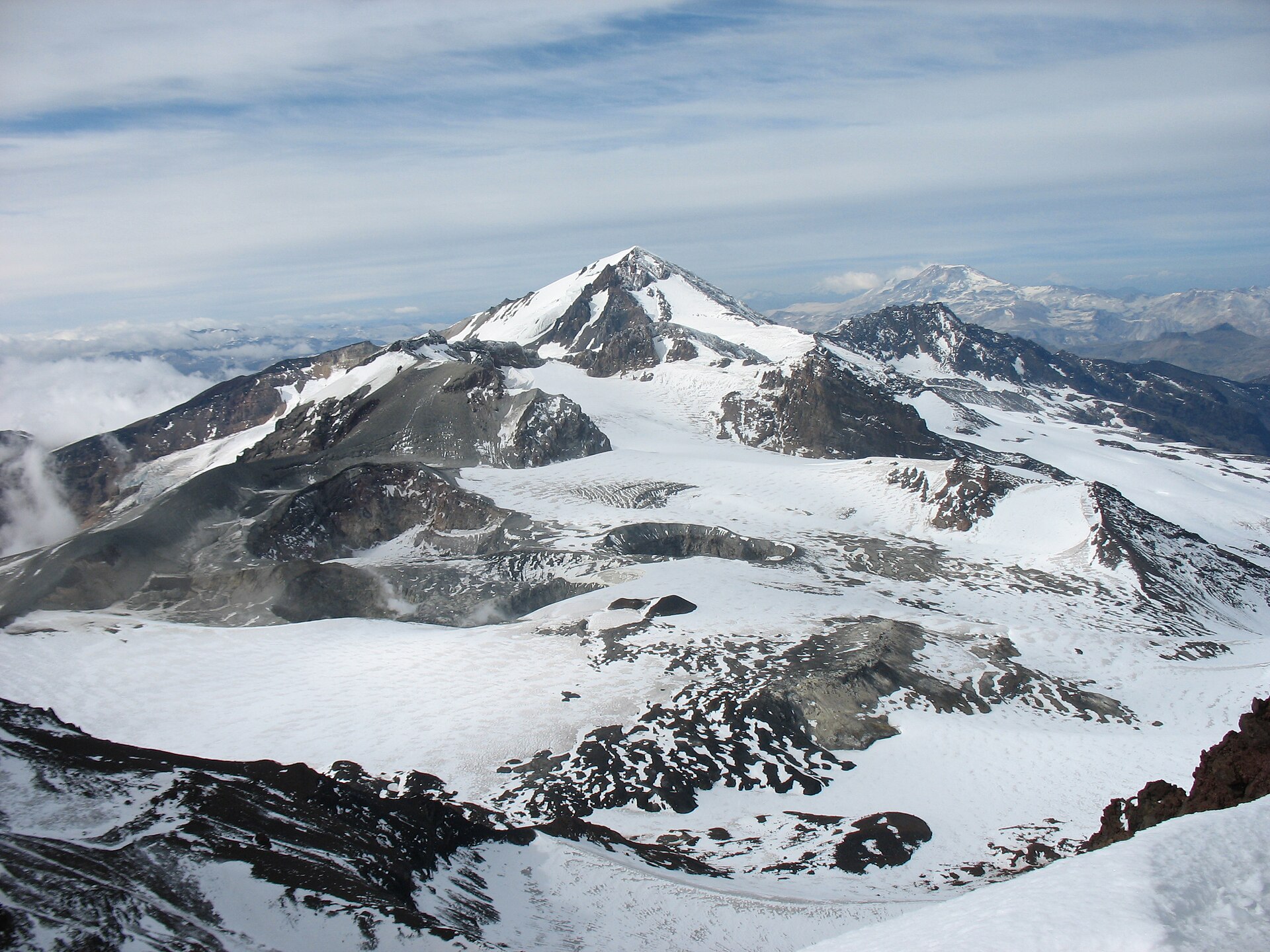
The summit day is the most challenging, starting in the early hours to avoid afternoon weather changes. Climbers face steep rocky ridges requiring route finding through a maze of large boulders. After this, the terrain transitions to glaciated slopes where crampons and ice axes are essential. Navigating the glacier involves careful attention to crevasse hazards and icy patches. The final ascent includes steep switchbacks on snow and ice, testing endurance and technical skills.
Altitude is a significant factor throughout the climb, with base camp already above 4,700 meters and the summit at 6,425 meters. Climbers must be well-acclimatized to avoid altitude sickness. Weather conditions can vary rapidly, with strong winds, cold temperatures, and occasional snowstorms. The terrain’s mix of volcanic rock, moraine, glacier, and snow demands versatile mountaineering skills and physical fitness.
Overall, the Coropuna trek offers a blend of high-altitude trekking, technical climbing, and glacier travel. The landscape is stark and dramatic, with expansive views of the Andes and neighboring volcanoes like Solimana. The solitude of the route, less frequented than other Peruvian peaks, adds to the sense of adventure and connection with the mountain environment.

What Makes the Coropuna Volcano Trek Unique
Coropuna stands out as Peru’s highest volcano and one of the largest volcanic complexes in the Andes, featuring extensive glaciers that are rare in tropical latitudes. Its combination of volcanic and glacial landscapes creates a unique environment for mountaineers. The volcano’s cultural significance as a sacred mountain for pre-Incan civilizations adds a profound historical dimension to the climb. Unlike more popular peaks, Coropuna offers a remote and solitary experience, with fewer climbers and less commercial tourism infrastructure. The trek includes visits to ancient petroglyphs and fossil sites nearby, enriching the adventure with archaeological and paleontological interest. The technical glacier crossing and high-altitude challenges make it a rewarding expedition for skilled climbers seeking to push their limits in a spectacular Andean setting.
The Summit and Crater Experience
Reaching the summit of Coropuna is a moment of profound achievement and breathtaking beauty. From the top at 6,425 meters, climbers are rewarded with sweeping panoramic views of the Andes, including neighboring peaks such as Ampato, Chila, and Solimana. The summit area is characterized by snow and ice fields, with the vast glacier expanse shimmering under the sun. The air is thin and cold, and the silence is punctuated only by the wind. Climbers often experience a mix of exhilaration and reverence, standing on a peak that holds both geological grandeur and cultural significance. The crater itself is a broad, ice-filled depression, a testament to the volcano’s dormant power. The descent offers time to reflect on the journey and the raw natural forces that shaped this majestic mountain.

Best Time to Trek Coropuna Volcano
The optimal climbing season for Coropuna is during the dry months from May to November. During this period, weather conditions are generally more stable, with less precipitation and clearer skies, which are crucial for safe glacier travel and summit attempts. Temperatures remain cold, especially at night and at high altitudes, but the risk of snowstorms and heavy rains is minimized. The wet season, from December to April, brings increased snowfall, slippery conditions, and higher avalanche risk, making climbing dangerous and less predictable. Climbers should also consider acclimatization schedules and avoid periods of strong winds or sudden weather changes common in the Andes. Early morning summit starts are recommended to avoid afternoon storms and to take advantage of firmer snow conditions.
Trekking Routes and Trail Options on Coropuna
The standard climbing route to Coropuna’s summit typically begins from the town of Chuquibamba or the agricultural valley of Majes, with access by 4×4 vehicles to the base camp near Pallarcocha Lagoon at around 4,743 meters. From base camp, climbers ascend to a high camp situated at approximately 5,554 meters, following a trail that traverses moraines and ridges. This approach allows for gradual acclimatization and preparation for the summit push.
The summit day involves a pre-dawn start, ascending rocky ridges and glacier slopes. The route includes three steep sections: a rocky ridge maze, a glacier crossing with icy patches, and a final steep snow slope with switchbacks leading to the summit plateau. Guides typically find the safest path to avoid crevasses and unstable ice.
Alternative routes are less common due to the technical nature of the terrain and the glacier coverage. Some expeditions may include acclimatization hikes to nearby peaks or valleys. The entire climb usually spans 3 to 4 days, with camping at base and high camps in tents.
Guided climbs are strongly recommended due to the technical glacier travel, altitude challenges, and route finding. Several reputable tour operators offer packages including transportation, guides, porters, camping equipment, and meals. Self-guided climbs are not advised without extensive mountaineering experience and local knowledge.

Difficulty Assessment of Coropuna Climb
Coropuna is classified as a technical mountaineering climb requiring advanced skills in glacier travel, ice and snow navigation, and high-altitude endurance. While the climb is not highly technical in terms of rock climbing, the presence of glaciers, crevasses, and steep snow slopes demands proficiency with crampons, ice axes, and rope techniques. The altitude is a significant challenge, with the summit at 6,425 meters, necessitating careful acclimatization to prevent altitude sickness.
Physical fitness must be excellent, as climbers face long days of trekking over difficult terrain, carrying gear, and coping with cold temperatures and thin air. The route includes steep rocky ridges and unstable scree, requiring sure-footedness and balance. Weather conditions can add to the difficulty, with potential for strong winds, sudden storms, and low visibility.
Overall, Coropuna is a demanding expedition suited for experienced mountaineers with prior high-altitude and glacier experience. It is not recommended for beginners or those without technical climbing skills.
Essential Gear for Climbing Coropuna Volcano
Climbing Coropuna requires specialized mountaineering equipment to safely navigate its glaciated and rocky terrain. Essential gear includes:
– Mountaineering boots compatible with crampons
– Crampons and ice axe for glacier and snow travel
– Climbing harness, helmet, and rope for glacier safety and crevasse rescue
– Warm, layered clothing including insulated jackets, waterproof shell, thermal base layers, gloves, and hats
– Trekking poles for stability on loose terrain
– Headlamp for early summit starts
– Sunglasses and high SPF sunscreen to protect against intense UV radiation at altitude
– Hydration system and high-energy food supplies
– Sleeping bag rated for sub-zero temperatures
– Tent and camping equipment suitable for high-altitude conditions
– First aid kit including medication for altitude sickness
– Navigation tools such as GPS, maps, and compass
Many tour operators provide rental gear and technical equipment, but climbers should verify availability and bring personal items for comfort and safety.
Safety and Volcanic Hazards on Coropuna
Although Coropuna is classified as dormant, safety considerations are paramount due to the mountain’s high altitude, glaciated terrain, and remote location. The primary hazards include altitude sickness, crevasses hidden beneath snow bridges, unstable rocky ridges, and sudden weather changes such as snowstorms and high winds. Climbers must be vigilant for signs of acute mountain sickness and be prepared to descend if symptoms worsen.
The glacier crossing requires technical knowledge to avoid crevasse falls, and the use of ropes and harnesses is essential. Loose scree and rockfall can pose risks on the ridges, especially during warmer parts of the day. Weather can deteriorate rapidly, reducing visibility and increasing the risk of hypothermia.
While volcanic activity is not currently a threat, climbers should stay informed through local authorities and guides about any changes in volcanic monitoring. Emergency response options are limited due to the remote setting, so thorough preparation, experienced guides, and proper acclimatization are critical for a safe expedition.
Permits, Guides, and Logistics for Climbing Coropuna
Climbing Coropuna requires obtaining permits, which are typically arranged through local tour operators or guiding companies. Permits are mandatory to access the protected areas and ensure environmental conservation. The cost of permits varies but is generally included in guided tour packages.
Several reputable tour operators specialize in Coropuna expeditions, including Peru Expeditions Tours, Peru Adventure Tours, Huillca Expedition, Wayra Peru Travel, Quechua Tours, Peru Ultimate Expedition, Peru Adventures Tours, and South America Climbing. These companies provide comprehensive services such as transportation from Arequipa, experienced certified mountain guides, porters to carry equipment, camping gear, meals, and acclimatization support.
The typical itinerary spans 3 to 4 days, starting with a private 4×4 transfer from Arequipa to the base camp near Pallarcocha Lagoon. The route includes camping at base and high camps, acclimatization hikes, and a pre-dawn summit push. Guides conduct safety briefings and technical training for glacier travel, including crampon and ice axe use.
Joining a group tour is cost-effective and provides safety in numbers, but private expeditions are available for those seeking a personalized experience. Climbers should communicate with operators well in advance to schedule departures, arrange gear rentals, and discuss fitness and technical requirements.
Logistics also involve preparing for altitude sickness with recommended medications such as acetazolamide, and ensuring proper physical conditioning. Weather conditions and road access can affect schedules, so flexibility is advised. Overall, professional guidance and organized logistics are essential for a successful and safe Coropuna climb.
Where to Stay and Nearby Bases for Coropuna Expeditions
The city of Arequipa serves as the primary gateway and staging point for Coropuna expeditions. Arequipa offers a wide range of accommodations, from budget hostels to mid-range hotels and luxury lodges, providing climbers with options to rest and acclimatize before the climb. Popular hotels include Casa Andina Select Arequipa, Hotel Libertador Arequipa, and Yanahuara Boutique Hotel, all offering comfortable amenities and easy access to city services.
Closer to the volcano, camping is the standard accommodation option. Base camp is typically established near Pallarcocha Lagoon at approximately 4,743 meters, where climbers set up tents in a remote, high-altitude environment. The high camp, located around 5,554 meters, is also a tented site situated in a sheltered sandy valley. These camps provide basic shelter and are equipped with communal cooking areas, but climbers must bring or rent appropriate camping gear.
There are no permanent lodges or hotels near the volcano itself due to the extreme altitude and protected status of the area. All overnight stays on the mountain are in tents, emphasizing the expedition nature of the climb.
For those seeking accommodations outside Arequipa, small towns such as Chuquibamba and Aplao offer limited guesthouses and local inns, but these are primarily used for logistical stops rather than extended stays.
Climbers should plan to spend at least one or two nights in Arequipa for acclimatization and gear preparation. Many tour operators include hotel stays in Arequipa as part of their packages, facilitating smooth transitions between city comforts and high-altitude camping.