
Hiking Mount Kakaramea (Rainbow Mountain): A Complete Volcano Trekking Guide to New Zealand’s Colorful Geothermal Peak
Mount Kakaramea, also known as Rainbow Mountain, is a dormant stratovolcano in New Zealand’s Central North Island. This moderate trek offers hikers a unique experience through vibrant geothermal landscapes, colorful mineral deposits, and panoramic summit views of surrounding volcanic peaks and lakes. This guide covers the geology, terrain, routes, safety, permits, and accommodations for an unforgettable volcano hiking adventure.
Quick Volcano Snapshot
| Attribute | Value |
|---|---|
| Volcano type | dacite stratovolcano |
| Elevation | 743 meters |
| Location | Central North Island, New Zealand |
| Activity status | dormant |
| Trekking difficulty | moderate |
| Typical trek duration | 2 to 3 hours round trip |
| Altitude gain | approximately 350 meters |
| Terrain type | volcanic clay, gravel, dirt paths, regenerating native bush |
| Best season | September to April |
| Temperature range | 10°C to 20°C during trekking season |
| Permit requirement | none |
Introduction: The Experience of Hiking Mount Kakaramea
Approaching Mount Kakaramea, or Rainbow Mountain, immerses you in a landscape alive with color and geothermal energy. The trail begins gently, winding through regenerating native bush before revealing steaming ridges painted in ochre, red, and orange hues. The contrast between lush greenery and the stark, mineral-streaked volcanic slopes creates a dramatic visual tapestry. As you ascend, the air carries the faint scent of sulfur, hinting at the mountain’s volcanic past. Reaching the summit rewards you with breathtaking 360-degree views of the Central North Island’s volcanic peaks, crater lakes, and dense forests. The experience is a vivid encounter with the Earth’s dynamic forces, blending natural beauty with geological wonder.
The Volcano Itself: Geological Background
Mount Kakaramea is a dacite stratovolcano located on the western edge of the Okataina Volcanic Centre within New Zealand’s Taupō Volcanic Zone. Its name, Maunga Kākaramea, means ‘mountain of coloured earth,’ reflecting the vivid mineral deposits that streak its slopes. The volcano’s formation involved multiple hydrothermal eruptions, with significant activity around 1300 CE, overlaying deposits from the 232 CE Hatepe eruption. The mountain features six craters likely formed by hydrothermal processes rather than magmatic eruptions. Its southern slopes are marked by fumarole clays and sulfur deposits, evidence of ongoing geothermal activity. The nearby Ngapouri-Rotomahana Fault influences the mountain’s geology, contributing to steam vents and hot springs in the area. These geological features create a dynamic landscape where volcanic minerals and geothermal forces shape the terrain.
The Volcano Trek: Terrain and Hiking Experience
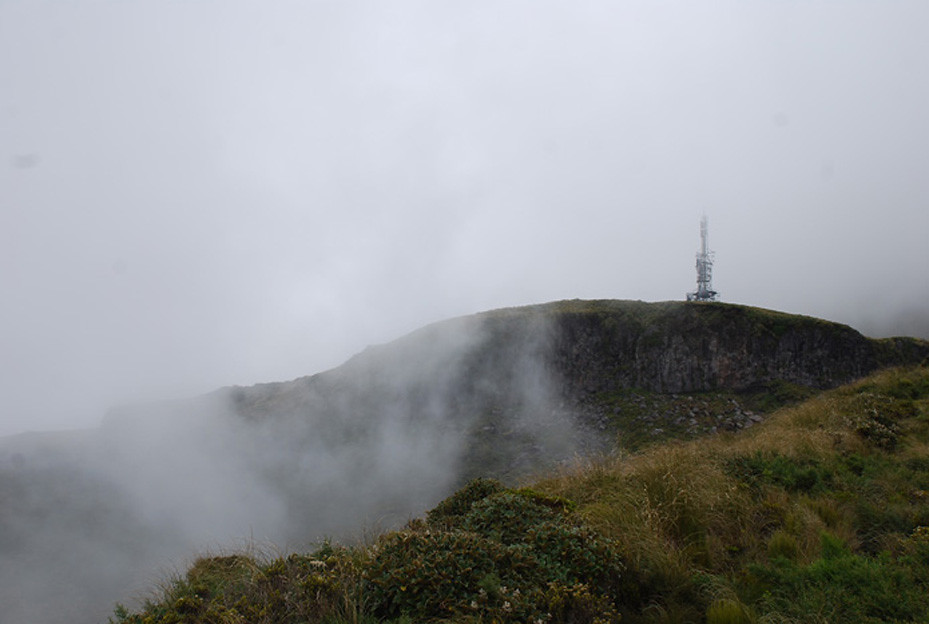
The trek up Mount Kakaramea offers a varied and engaging hiking experience that balances accessibility with the unique challenges of volcanic terrain. The trail begins with the Crater Lake Walk, a gentle 500-meter path leading to two emerald-colored crater lakes framed by striking ochre and red cliffs. This initial section is relatively easy, suitable for most fitness levels, and provides a glimpse into the mountain’s geothermal activity with visible steam vents and mineral-streaked rocks. Beyond the crater lakes, the trail ascends steadily through regenerating native bush, including rare plant species adapted to the geothermal environment. The path transitions onto exposed clay and gravel surfaces, which can be slippery, especially after rain. Hikers encounter steaming ridges where geothermal heat escapes through fumaroles, creating a surreal atmosphere of mist and warmth contrasting with the cool mountain air. The terrain demands moderate fitness due to the steady elevation gain of approximately 350 meters over 3 to 3.5 kilometers one way. The final 20 minutes involve a steeper climb onto a gravel 4WD road shared with occasional vehicles, requiring attentiveness for safety. The summit approach includes a short, steep ascent to the peak, where a fire watchtower and radio antenna mark the highest point. Throughout the hike, the trail offers multiple lookout points with panoramic views of surrounding volcanic peaks such as Mount Tarawera, Lake Rotomahana, the Paeroa Range, and the distant Tongariro National Park. The volcanic terrain features loose pumice, clay, and rocky outcrops, demanding sturdy footwear with good grip. Wind exposure near the summit can cause temperature drops, so layered clothing is advisable. For mountain bikers, the summit track is open for uphill riding only, connecting with the Te Ara Ahi Cycle Trail and the advanced downhill Te Ranga track. This dual-use adds dynamic energy to the trail but requires hikers to remain vigilant. Overall, the terrain combines the rawness of volcanic geology with regenerating forest, creating a trekking experience that is both physically rewarding and visually captivating.
What Makes This Volcano Trek Unique
Mount Kakaramea’s trek stands out for its vibrant geothermal landscape, where colorful mineral deposits create a natural palette of reds, oranges, yellows, and greens along steaming ridges. Unlike many volcanic hikes dominated by barren rock, this trail weaves through regenerating native bush, offering a rare blend of lush vegetation and volcanic features. The presence of two emerald crater lakes adds a serene contrast to the rugged terrain, providing excellent photographic opportunities. The mountain’s cultural significance is reflected in its Maori name, Maunga Kākaramea, and the summit’s nickname, Tihi-o-Rua, or ‘the owl’s perch,’ adding a spiritual dimension to the hike. The panoramic summit views encompass a vast volcanic landscape, including active geothermal areas and iconic peaks like Mount Tarawera and the Tongariro volcanic complex. Additionally, the trail’s accessibility and moderate difficulty make it suitable for a wide range of hikers, from families to seasoned adventurers. The integration of mountain biking routes adds a unique recreational dimension, allowing visitors to experience the volcano from multiple perspectives. This combination of geological wonder, cultural heritage, and diverse outdoor activities makes Mount Kakaramea a distinctive volcano trekking destination.
The Summit and Crater Experience
Reaching the summit of Mount Kakaramea is a moment of awe and reflection. The peak, marked by a fire watchtower and radio antenna, offers unobstructed 360-degree views that stretch across the Central North Island’s volcanic landscape. From here, hikers can gaze north to Mount Tarawera and the shimmering lakes of Tarawera, Rotomahana, and Rerewhakaaitu. To the west, the rugged Paeroa Range rises, while the east reveals the dense forests of Te Urewera and Kaimanawa. Southward, the vast Lake Taupō and the volcanic peaks of Tongariro National Park dominate the horizon. The summit’s exposed position often brings cool winds, heightening the sense of standing on a geological pinnacle shaped by fiery forces. The air carries faint traces of sulfur from the steaming ridges below, and the silence is punctuated only by the occasional call of native birds. The rounded summit knob, known as Tihi-o-Rua or ‘the owl’s perch,’ adds a poetic touch to the experience. The crater lakes seen earlier from the trail appear as tranquil emerald gems nestled among the ochre cliffs, a reminder of the mountain’s volcanic origins. The summit’s vantage point allows for spectacular sunrise and sunset views, where shifting light enhances the mountain’s rainbow hues and surrounding landscapes.
Best Time to Trek Mount Kakaramea
The optimal time to hike Mount Kakaramea is during New Zealand’s spring to autumn months, from September through April. During this period, weather conditions are generally mild, with daytime temperatures ranging from 10°C to 20°C, making for comfortable trekking. The trail is less likely to be slippery, and the geothermal features are more accessible without the interference of snow or heavy rain. Winter months can bring colder temperatures and occasional snow or frost, increasing the risk of slippery paths and reducing visibility. Additionally, strong winds near the summit can make the climb more challenging and less enjoyable. Visitors should monitor local weather forecasts and volcanic activity updates, although Mount Kakaramea is dormant and poses minimal eruption risk. Early morning hikes are recommended to avoid afternoon winds and to enjoy clear views and softer light for photography. Seasonal closures are rare, but it is advisable to check with the Department of Conservation or local visitor centers before planning your trek.
Trekking Routes and Trail Options
The primary route to Mount Kakaramea’s summit begins at the designated car park off State Highway 5, approximately 20 minutes’ drive south of Rotorua. The trail is an out-and-back path totaling 6 to 7 kilometers, with an elevation gain of about 350 meters. The hike typically takes 2 to 3 hours round trip, including time spent at the summit. The trek starts with the Crater Lake Walk, a short 500-meter trail leading to two picturesque crater lakes surrounded by colorful cliffs and steaming vents. This section is suitable for all fitness levels and can be enjoyed as a standalone short walk. From the crater lakes, the Summit Track ascends moderately through regenerating native bush and geothermal ridges. The trail surface varies from dirt paths to exposed clay and gravel, with some slippery sections, especially after rain. The final approach includes a 4WD gravel road shared with occasional vehicles, requiring hikers to stay alert. Mountain bikers can access the Summit Track for uphill riding only, connecting with the Te Ara Ahi Cycle Trail and the advanced downhill Te Ranga track. This dual-use trail system offers options for both hikers and cyclists, though hikers should be cautious of bike traffic on shared sections. There are no alternative entry points or loop trails; all hikes begin and end at the main car park. The trail is well-marked with information boards and signage, providing clear navigation for self-guided visitors. Guided tours are available through local operators, offering additional insights into the geology and ecology of the area.
Difficulty Assessment
Mount Kakaramea presents a moderate volcano trek suitable for hikers with a reasonable level of fitness. The trail’s steady elevation gain of approximately 350 meters over 3 to 3.5 kilometers one way requires endurance but does not involve technical climbing or scrambling. The terrain includes dirt, clay, and gravel surfaces, some of which can be slippery, especially in wet conditions. The final section involves a steeper ascent on a gravel road, demanding careful footing. Wind exposure near the summit can add to the challenge, particularly on cooler days. Altitude is not a significant factor at 743 meters, so altitude sickness is not a concern. The trail is well-maintained and clearly marked, making navigation straightforward for self-guided hikers. Overall, the trek is classified as a moderate volcano ascent, accessible to most hikers who are comfortable with uphill walking and variable trail conditions. Beginners with basic fitness can complete the hike with appropriate preparation and pacing.
Essential Volcano Trekking Gear
For a safe and enjoyable hike up Mount Kakaramea, the following gear is recommended: sturdy hiking boots with good grip to handle slippery clay and gravel surfaces; trekking poles to aid balance on uneven and steep sections; layered clothing including a windproof jacket to adapt to changing temperatures and wind exposure near the summit; sun protection such as a hat, sunglasses, and sunscreen, as the trail offers limited shade; a headlamp or flashlight if planning early morning or late afternoon hikes; sufficient water and snacks to stay hydrated and energized during the 2 to 3-hour trek; a camera or smartphone for capturing the vibrant geothermal features and panoramic views; and a small first aid kit for minor injuries. Gas masks or respirators are generally not required, as volcanic gas emissions are minimal and the volcano is dormant. However, hikers sensitive to sulfur odors should be prepared for occasional faint smells near steaming vents.
Safety and Volcanic Hazards
While Mount Kakaramea is a dormant volcano with minimal eruption risk, hikers should remain aware of specific hazards associated with volcanic terrain. Steaming vents and fumaroles emit hot gases that can cause burns or respiratory irritation if approached too closely. It is important to stay on marked trails and heed warning signs. The trail’s clay and gravel surfaces can become slippery, especially after rain, increasing the risk of falls. The final ascent along the 4WD road requires vigilance for occasional vehicles. Wind exposure near the summit can cause sudden temperature drops and affect balance. Unstable crater edges and loose scree are less prominent hazards here but caution is advised near the crater lakes and colorful ridges. Sudden weather changes are common in New Zealand’s volcanic regions; hikers should be prepared for rain, wind, and temperature fluctuations. The Department of Conservation monitors the area and provides safety information. Visitors should check for any trail closures or alerts before hiking. Carrying a map, informing others of your plans, and hiking with a companion enhance safety.
Permits, Guides, and Logistics
Access to Mount Kakaramea is free and unrestricted, with no permit requirements for hiking or mountain biking. The trailhead is located off State Highway 5, approximately 20 minutes’ drive south of Rotorua, with a free car park situated opposite Lake Ngahewa. Basic facilities at the trailhead include a long-drop toilet and a pavilion with picnic tables. Public transport does not serve the trailhead directly, so visitors typically arrive by private vehicle or bicycle. The Thermal Explorer Highway provides straightforward road access. Several local tour operators offer guided hikes and mountain biking tours that include Mount Kakaramea as a highlight. Notable companies include Rotorua Adventure Tours, Kiwi Mountain Bike Tours, and Thermal Explorer Guided Walks. These operators provide expert guidance, equipment rental, and insights into the region’s geology and ecology. Guided tours are recommended for visitors unfamiliar with volcanic landscapes or those seeking a deeper understanding of the area’s natural and cultural significance. Tours often combine the hike with visits to nearby geothermal attractions such as Waiotapu and Kerosene Creek. Visitors should prepare for variable weather and trail conditions, bringing appropriate gear and supplies. Dogs are not permitted on the track to protect native wildlife and vegetation. For the latest trail conditions, closures, and safety information, consult the New Zealand Department of Conservation website or local visitor centers in Rotorua.
Where to Stay Near Mount Kakaramea
The town of Rotorua, located approximately 26 kilometers north of Mount Kakaramea, serves as the primary base for visitors. Rotorua offers a wide range of accommodations catering to different budgets and preferences, including hotels, motels, holiday parks, and boutique lodges. Popular options include the Novotel Rotorua Lakeside, known for its lakeside views and central location, and the Rotorua Thermal Holiday Park, which provides family-friendly camping and cabin facilities. For a more intimate experience, the Black Swan Lakeside Boutique Hotel offers luxury suites with geothermal spa access. Closer to the trailhead, accommodation options are limited, but several lodges and guesthouses are available in nearby rural communities. The Kaingaroa Forest area, near the mountain, has limited lodging primarily suited for groups and outdoor enthusiasts. Many accommodations in Rotorua provide shuttle services or can arrange transport to the Rainbow Mountain trailhead. Visitors often combine their volcano trek with stays at Rotorua’s renowned geothermal spas and cultural experiences. Amenities in Rotorua include restaurants, outdoor gear shops, bike rentals, and tour operators specializing in volcano hiking and mountain biking. Booking in advance is recommended during peak tourist seasons to secure preferred lodging. For those seeking a wilderness experience, camping is permitted in designated areas within the Rainbow Mountain Scenic Reserve, though facilities are basic. Always check local regulations and weather conditions before camping.