
Mount Taranaki Volcano Trekking Guide: Conquer New Zealand’s Perfect Volcanic Cone
Mount Taranaki, a dormant stratovolcano in New Zealand’s North Island, offers a demanding and rewarding trekking experience. Known for its symmetrical cone and lush rainforest surroundings, this volcano trek challenges hikers with steep slopes, rocky ridges, and year-round crater ice. This guide covers geology, terrain, routes, permits, safety, and accommodation to prepare adventurers for a successful climb.
Quick Volcano Snapshot
| Attribute | Value |
|---|---|
| Volcano type | Stratovolcano |
| Elevation | 2,518 meters |
| Location | North Island, New Zealand |
| Activity status | Dormant |
| Trekking difficulty | Demanding |
| Typical trek duration | 8 to 10 hours round trip |
| Altitude gain | Approximately 1,572 meters |
| Terrain type | Lush rainforest, tussock grass, rocky ridges, volcanic scree, perennial crater ice |
| Best season | December to April |
| Temperature range | Varies from mild forest base to cold alpine summit; can drop below freezing near summit |
| Permit requirement | No permit required; registration recommended |
The Experience of Hiking Mount Taranaki
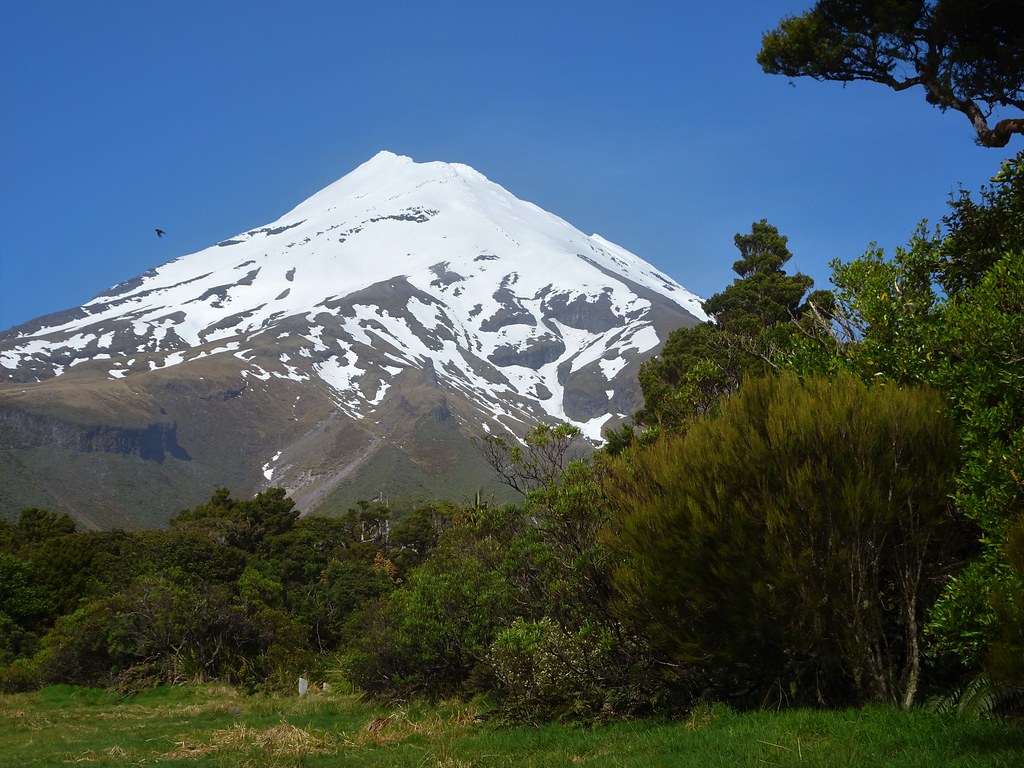
Approaching Mount Taranaki, the mountain’s perfect cone rises sharply above the lush, emerald rainforest that encircles its base. The contrast between the dense native bush and the stark volcanic slopes creates a dramatic landscape. As you ascend, the forest gives way to tussock and rocky terrain, revealing the raw geological power that shaped this land. The climb is physically demanding but deeply rewarding, culminating in a summit that offers breathtaking 360-degree views of the Tasman Sea and the North Island’s rugged interior. Standing near the crater, surrounded by ancient ice and volcanic rock, you feel a profound connection to the earth’s fiery past and the mountain’s spiritual significance to the Māori.
Geological Background of Mount Taranaki
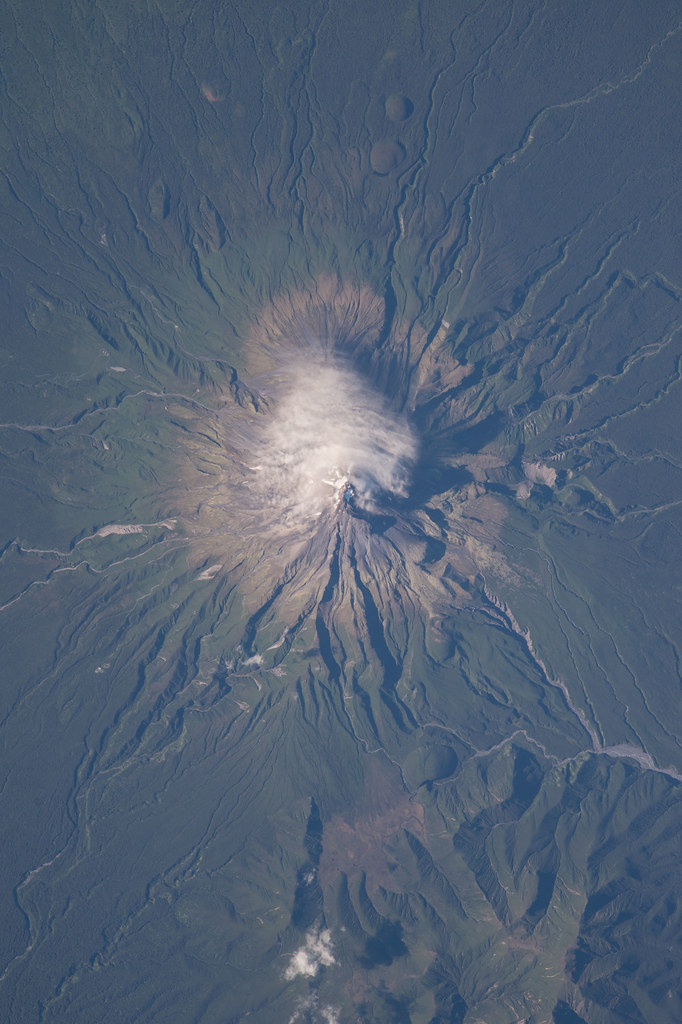
Mount Taranaki is a classic stratovolcano formed approximately 120,000 years ago through repeated eruptions of viscous lava and ash. Its near-perfect conical shape is the result of symmetrical lava flows and pyroclastic deposits that built up over millennia. The volcano last erupted around 1854, and since then it has remained dormant, though fumaroles and ice persist near the summit crater. The mountain’s geology features layered lava flows, scoria slopes, and a crater that contains perennial ice and snowfields. Volcanic minerals such as basalt and andesite dominate the terrain, while sulfur deposits and steam vents are occasionally visible near fumarolic areas. The surrounding landscape is shaped by past lahars and ash fall, creating fertile soils that support dense native forests. This geological history makes Mount Taranaki a fascinating study in volcanic evolution and alpine ecology.
Terrain and Hiking Experience on Mount Taranaki
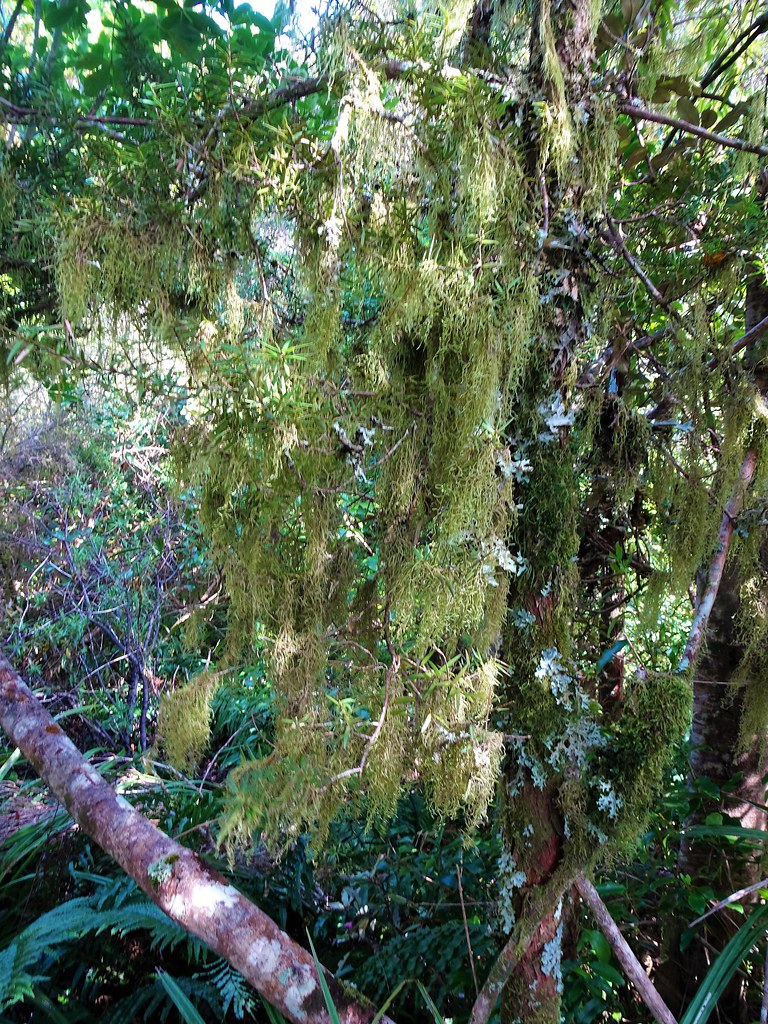
The trek up Mount Taranaki is a challenging journey through diverse and changing terrain that tests both physical endurance and technical skill. The ascent typically begins at the North Egmont Visitor Centre, where hikers pass through lush native forest filled with towering rimu, kamahi, and totara trees. This section offers a cool, shaded environment with soft forest floor underfoot, providing a gentle introduction to the climb. Soon, the trail transitions to the steep and relentless ‘Puffer’ section, a gravel road that ascends sharply through dense scrub and tussock grass. This part demands sustained effort as the gradient intensifies, and hikers often find themselves breathing heavily while pushing upward. The terrain here is loose and uneven, requiring sturdy boots and careful footing. Reaching Tahurangi Lodge at 1,492 meters offers a welcome respite. The lodge, privately owned but accessible to hikers, provides shelter and a small day room, with toilets located just below. Beyond the lodge, the trail becomes markedly more technical and exposed. The route climbs through the Hongi Valley, a rocky gully strewn with large boulders and marked by orange poles to guide hikers. This section can be slippery, especially in shaded or wet conditions, and requires careful navigation. Ascending from the valley, hikers encounter a long series of wooden stairs that lead onto the exposed ridge. The ridge walk is characterized by steep scoria slopes where every step can slide backward, making progress slow and demanding. The loose volcanic gravel requires strong balance and the use of trekking poles is highly recommended to reduce strain on knees and improve stability. The most technical part of the climb is ‘The Lizard,’ a prominent rocky spine at 2,134 meters. This section involves scrambling over large rocks and narrow ledges with steep drop-offs, demanding sure-footedness and a head for heights. The route is well-marked but exposed to wind and weather, making caution essential. After The Lizard, the trail descends slightly into the crater rim area, where hikers must cross perennial ice fields. The crater ice is present year-round and can be treacherous; crampons or an ice axe may be necessary depending on conditions. The final short climb to the summit rock requires careful footing on icy and rocky surfaces. Throughout the ascent, hikers experience rapid weather changes, from warm forested lower slopes to cold, windy alpine conditions near the summit. Temperatures can vary dramatically, and sudden storms or fog can reduce visibility to near zero. The combination of steep gradients, loose scree, rocky scrambling, and altitude gain (over 1,500 meters) makes this trek demanding and suitable only for well-prepared and experienced hikers. Despite the challenges, the trail rewards trekkers with stunning views of the surrounding national park, the Tasman Sea, and distant mountain ranges. The diverse terrain—from mossy forests to barren volcanic rock—offers a unique hiking experience that blends natural beauty with geological wonder.
What Makes the Mount Taranaki Trek Unique
Mount Taranaki stands out for its near-perfect symmetrical cone, often compared to Japan’s Mount Fuji, yet it remains far less crowded, offering a more solitary and immersive volcanic experience. The trek combines lush native rainforest at its base with stark alpine landscapes near the summit, creating a striking contrast rarely found in other volcano hikes. The mountain’s cultural significance to the Māori people adds a profound spiritual dimension to the climb. Taranaki Maunga is considered a living ancestor, and respect for the mountain’s mauri (life force) is integral to the trekking experience. This cultural reverence is reflected in guidelines that discourage camping, cooking, or littering near the summit. Geologically, the presence of perennial crater ice and snowfields is unusual for a volcano in this latitude, adding a glacial element to the volcanic terrain. The challenging scramble over The Lizard ridge and the icy crater crossing provide technical variety that appeals to experienced hikers seeking more than just a walk. The panoramic views from the summit are breathtaking, with the Tasman Sea on one side and the rugged North Island ranges on the other. The mountain’s isolation within Egmont National Park, surrounded by a circular rainforest, creates a unique natural amphitheater that enhances the sense of wilderness and adventure.
The Summit and Crater Experience on Mount Taranaki
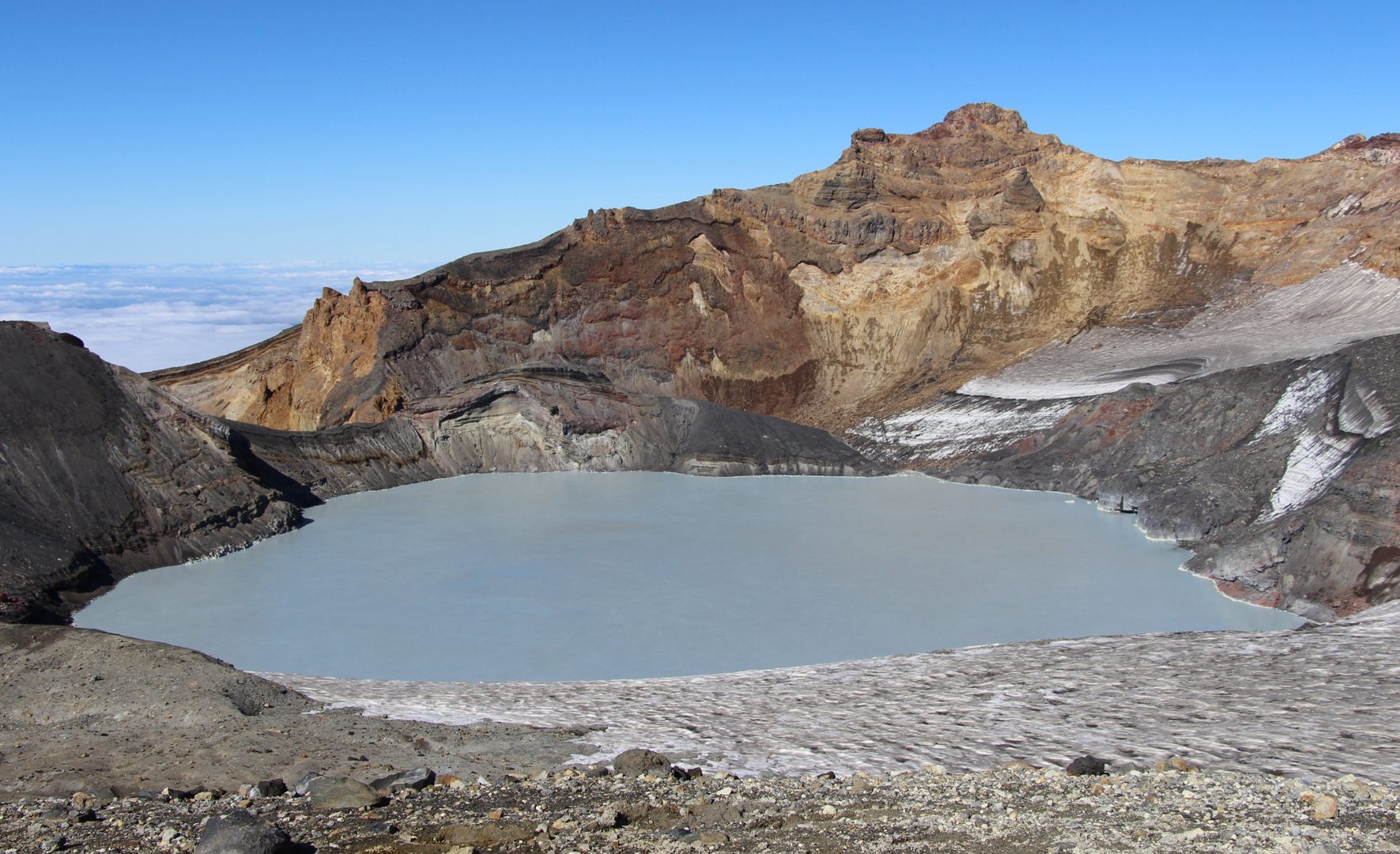
Reaching the summit of Mount Taranaki is a moment of profound achievement and awe. The final approach involves crossing a narrow rocky ledge into the crater, where the air is thin and cold. The crater itself holds ice and snow year-round, a stark reminder of the mountain’s alpine conditions despite its temperate location. At the summit rock, hikers are rewarded with sweeping 360-degree views. To the west, the vast Tasman Sea stretches to the horizon, while inland, the rolling hills and distant mountain ranges of the North Island unfold in every direction. The silence at the top is punctuated only by the wind and the occasional sound of shifting ice. The smell of cold, clean air mingled with faint sulfurous notes from fumaroles below adds to the sensory experience. The heat from fumaroles is not felt at the summit but can be detected near the crater rim. The summit area is sacred to the Māori, and visitors are asked to respect this by not standing directly on the peak or disturbing the environment. The sense of standing on a dormant volcano’s edge, surrounded by ancient ice and volcanic rock, evokes a deep connection to the earth’s dynamic forces and the mountain’s spiritual essence.
Best Time to Trek Mount Taranaki
The optimal trekking season for Mount Taranaki is from December to April, when the weather is generally more stable and the summit is mostly free of snow and ice, except within the crater. During these months, temperatures are milder, and the risk of sudden storms is reduced, making the climb safer and more enjoyable. From May to November, the mountain is often covered in snow and ice, particularly near the summit and crater. These conditions require advanced mountaineering skills and equipment such as crampons and ice axes. Only experienced climbers with alpine expertise should attempt the summit during this period. Weather on Mount Taranaki is notoriously unpredictable and can change rapidly at any time of year. Afternoon cloud build-up is common, often obscuring the summit by midday. For this reason, starting the climb early in the morning is strongly advised to maximize clear views and ensure a safe return before dark. Visitors should always check the latest weather forecasts from MetService and consult with the Egmont National Park Visitor Centre or North Egmont Visitor Centre for current track conditions and safety advice before setting out.
Trekking Routes and Trail Options on Mount Taranaki
The primary and most popular route to the summit of Mount Taranaki is the North Egmont Summit Track, starting from the North Egmont Visitor Centre at 946 meters elevation. This route covers approximately 6.3 kilometers one-way and involves an elevation gain of around 1,572 meters, typically taking 5 to 6 hours to ascend and 3 to 4 hours to descend. The trail begins with a boardwalk through native forest, progressing to the steep gravel road known as ‘The Puffer.’ From there, hikers reach Tahurangi Lodge, a key waypoint offering shelter and toilets. Beyond the lodge, the route becomes more technical, ascending through the rocky Hongi Valley and onto exposed scoria slopes. A notable feature of this route is ‘The Lizard,’ a rocky ridge requiring scrambling skills and careful navigation. The final section crosses perennial crater ice before reaching the summit rock. An alternative starting point is the Stratford Plateau car park on Pembroke Road, which provides access to the summit track via the ski field and Mangonui Ski Lodge. This route is slightly longer and offers different scenic perspectives. For those seeking less demanding hikes, the Mangorei Track to Pouākai Tarns is a popular option, offering spectacular views without the technical challenges of the summit climb. The Pouakai Circuit is a 2 to 3-day loop trail that traverses alpine ridges and passes the iconic Pouakai Tarns, known for their reflective views of Mount Taranaki. Shorter walks such as the Wilkies Pools and Dawson Falls tracks provide accessible options for families and casual hikers, showcasing the lush rainforest and waterfalls within Egmont National Park. Guided tours are available through operators like Egmont Hike and Venturenewzealand, offering expert support, safety briefings, and logistical assistance for summit climbs and multi-day treks.
Difficulty Assessment of Mount Taranaki Trek
Mount Taranaki’s summit climb is classified as a demanding volcano trek, suitable only for hikers with strong fitness, good hiking experience, and proper preparation. The trail combines steep gradients, loose scree, rocky scrambling, and exposed ridges that require sure-footedness and confidence at height. Altitude gain of over 1,500 meters and a total round-trip distance of approximately 12.6 kilometers add to the physical challenge. The climb typically takes 8 to 10 hours, with descent often requiring careful attention to avoid slips and falls on loose volcanic gravel. Technical skills are necessary for navigating The Lizard ridge and crossing the icy crater, where crampons and ice axes may be required depending on conditions. Weather variability and potential for sudden storms increase the risk, demanding good judgment and readiness to turn back if conditions deteriorate. This trek is not recommended for beginners or those with limited hiking experience. Adequate training, acclimatization, and equipment are essential for a safe and successful ascent.
Essential Gear for Mount Taranaki Volcano Trekking
Successful trekking on Mount Taranaki requires specialized gear to handle the varied terrain and unpredictable weather: sturdy hiking boots with excellent grip for rocky and scree slopes; trekking poles to aid balance and reduce knee strain, especially on descent; waterproof and windproof jacket and trousers to protect against sudden weather changes; warm insulating layers such as fleece or down jackets; hat, gloves, and sunglasses for sun protection and cold conditions; headlamp for early starts or emergency situations; crampons and ice axe, particularly if crossing the crater ice outside summer months; minimum 2 to 3 liters of water, as no drinking water is available on the track; high-energy food and snacks to sustain energy over the long climb; first aid kit and personal locator beacon (PLB) for safety; map or GPS device, although the route is marked with poles and signs. Packing smart and layering appropriately is vital due to rapid temperature shifts from forest base to alpine summit.
Safety and Volcanic Hazards on Mount Taranaki
While Mount Taranaki is dormant, the mountain presents significant natural hazards that require careful attention. The steep and loose volcanic scree slopes increase the risk of slips and falls, especially during descent when fatigue sets in. Rockfall is a hazard in the Hongi Valley and near The Lizard ridge, so hikers should remain vigilant and avoid lingering in exposed areas. The crater contains perennial ice and snow, which can be extremely slippery and may require crampons and an ice axe for safe crossing. Sudden weather changes are common, with rapid drops in temperature, strong winds, and fog reducing visibility. These conditions can disorient hikers and increase the risk of hypothermia. Volcanic gases are minimal due to the volcano’s dormancy, but hikers should be aware of the sulfurous smell near fumaroles and avoid venturing into fumarolic areas. The Department of Conservation and Egmont National Park Visitor Centres provide up-to-date safety information and weather forecasts. Hikers are advised to follow the Outdoor Safety Code: plan ahead, tell someone your plans, be aware of the weather, know your limits, and carry sufficient supplies. Emergency services are available, but rescue operations can be challenging due to the mountain’s terrain and weather. Carrying a personal locator beacon (PLB) and hiking with a partner or group enhances safety.
Permits, Guides, and Logistics for Mount Taranaki Trekking
Mount Taranaki and Egmont National Park do not require entry permits, and there is no park entry fee, making access straightforward for independent hikers. However, registration at the Visitor Centre before summit climbs is strongly recommended for safety and tracking purposes. Guided trekking services are offered by reputable operators such as Egmont Hike and Venturenewzealand. These companies provide expert guides familiar with the mountain’s terrain, weather patterns, and safety protocols. Guided tours often include transport arrangements, equipment advice, and support for less experienced hikers attempting the demanding summit climb. The summit climb is physically and technically challenging, so many hikers choose guided options to enhance safety and success rates. Guides also provide valuable cultural insights into the mountain’s significance to the Māori people. Logistically, the main trailheads are accessible by road from New Plymouth, approximately a 30 to 45-minute drive. The North Egmont Visitor Centre serves as the primary starting point for the summit track. Limited parking is available, especially during peak season, so arranging shuttle transport or drop-offs through local providers is advisable. There is no scheduled public transport to the trailheads; however, local shuttle services can be booked in advance. Hikers should plan for a full day on the mountain, carrying all necessary water and food, as no supplies are available on the track. Accommodation options near the park include private lodges such as Tahurangi Lodge inside the park, and a range of hotels, motels, and hostels in New Plymouth and Stratford. Booking in advance is recommended during the busy summer months. Safety briefings and up-to-date weather information can be obtained at the Egmont National Park Visitor Centre or North Egmont Visitor Centre. Hikers should always check current conditions and heed any track closures or warnings.
Where to Stay and Nearby Bases for Mount Taranaki Treks
Accommodation options for Mount Taranaki hikers range from mountain lodges within Egmont National Park to hotels and motels in nearby towns. Inside the park, Tahurangi Lodge is a privately owned mountain hut located at 1,492 meters along the summit track. It offers a small day shelter room and basic facilities, including toilets nearby. Access to the lodge is limited to hikers and requires prior arrangements for overnight stays, typically reserved for club members or guided groups. Other alpine club lodges on the mountain include Kapuni Lodge (Mount Egmont Alpine Club) and Stratford Mountain Club lodge. These require prior booking and are primarily used by experienced mountaineers. For most visitors, the nearby towns of New Plymouth and Stratford serve as convenient bases. New Plymouth, about 30 to 45 minutes’ drive from the park entrance, offers a wide range of accommodation including hotels, motels, bed and breakfasts, and holiday parks. Notable options include Bella Vista Motel, known for its comfort and proximity to outdoor gear shops, and the State Hotel on Devon Street, offering central location and amenities. Stratford, closer to the mountain’s southeast side, provides smaller-scale accommodation options and is ideal for hikers planning to start from the Stratford Plateau trailhead. Both towns offer cafes, restaurants, and outdoor equipment retailers, allowing hikers to prepare and recover comfortably. Shuttle services to trailheads can often be arranged from these towns. During peak hiking season (December to April), booking accommodation in advance is recommended due to high demand. Budget travelers can find hostels and holiday parks, while those seeking comfort have boutique hotels and motels available. Staying near the mountain allows early starts essential for summit climbs and provides access to local knowledge and weather updates from visitor centres.