

Mount Hikurangi Volcano Trekking Guide: Exploring New Zealand’s Sacred Alpine Summit
Mount Hikurangi, the highest non-volcanic peak in New Zealand’s North Island, offers a challenging alpine trek rich in cultural heritage and dramatic landscapes. This guide covers the geology, trekking experience, routes, permits, and accommodation for an unforgettable adventure.
Quick Volcano Snapshot
| Attribute | Value |
|---|---|
| Volcano type | Extinct Stratovolcano |
| Elevation | 1752 m |
| Location | East Coast, North Island, New Zealand |
| Activity status | Dormant |
| Trekking difficulty | Moderate |
| Typical trek duration | 8-10 hours (day hike) |
| Altitude gain | Approx. 1200 m |
| Terrain type | Alpine terrain with scree slopes, rocky ridges, farmland |
| Best season | Summer to early autumn (December to April) |
| Temperature range | -5°C to 15°C (variable, alpine conditions) |
| Permit requirement | Booking required for hut; guided tours recommended |
Introduction: The Experience of Hiking Mount Hikurangi
Approaching Mount Hikurangi, the landscape shifts from lush farmland to rugged alpine terrain, revealing a mountain steeped in both natural grandeur and deep cultural significance. The trek challenges hikers with its steep slopes and unpredictable weather, yet rewards with sweeping views over the East Coast and the chance to stand atop the highest non-volcanic peak in New Zealand’s North Island. The air is crisp and often filled with the scent of native alpine flora, while the summit offers a profound sense of connection to the land and the Ngāti Porou people who revere this mountain as sacred. Reaching the summit is an emotional journey, blending physical achievement with spiritual reflection.
The Volcano Itself: Geological Background
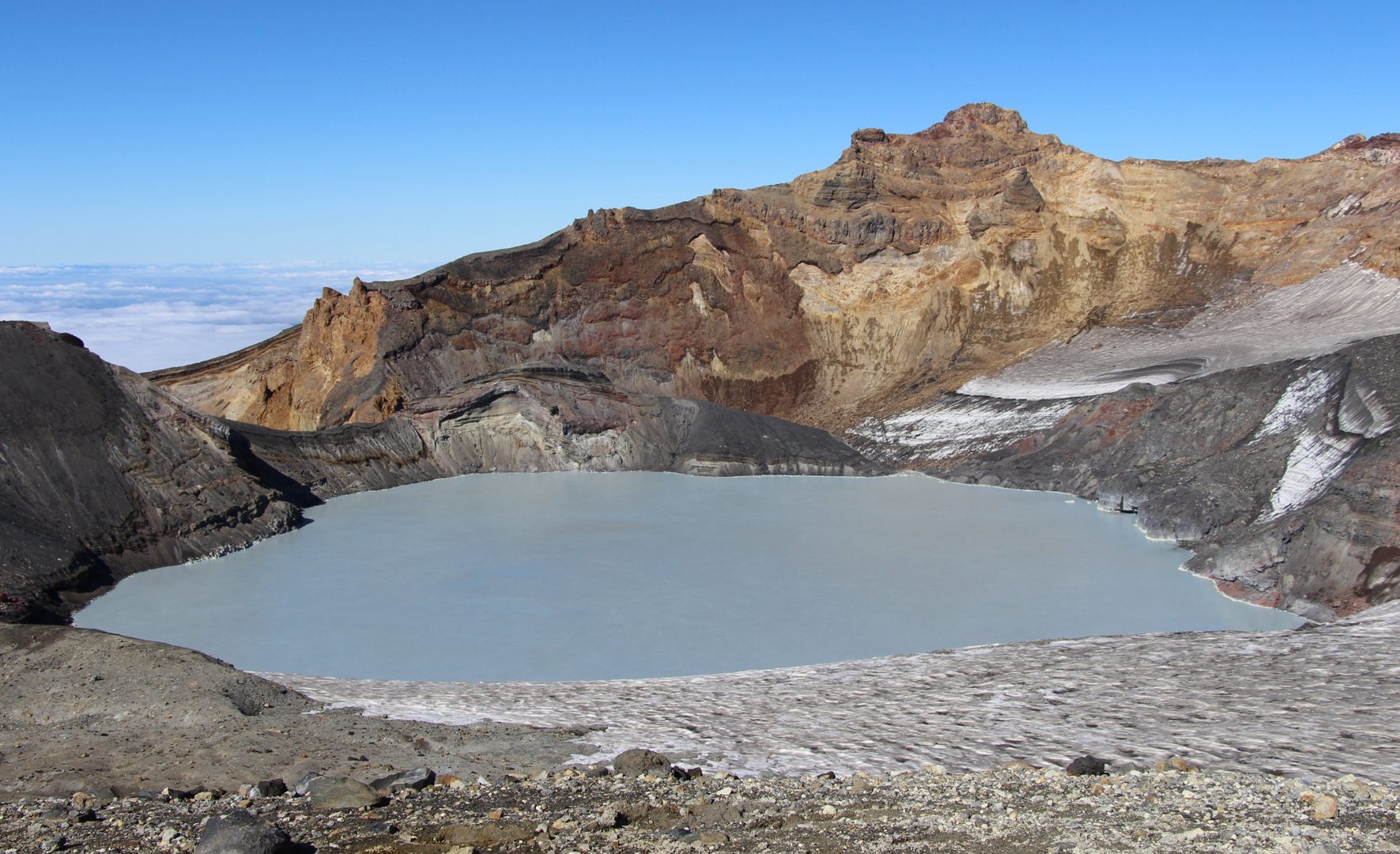
Mount Hikurangi is classified as an extinct stratovolcano, rising to 1752 meters above sea level. Unlike many volcanic peaks in New Zealand, Hikurangi is no longer active, having formed millions of years ago through successive volcanic eruptions that built its layered structure. Its geology is characterized by hardened lava flows and volcanic rock formations that have since been shaped by erosion and glaciation. The mountain’s summit area features alpine terrain with scree slopes and rocky ridges, remnants of its volcanic past. Although dormant, the mountain’s volcanic origins contribute to the unique soil composition that supports distinctive alpine vegetation. The presence of volcanic minerals and the mountain’s rugged profile tell the story of a dynamic geological past that continues to fascinate geologists and trekkers alike.
The Volcano Trek: Terrain and Hiking Experience
The trek up Mount Hikurangi is a demanding alpine adventure that requires both physical fitness and backcountry experience. The trail begins through private farmland, where hikers must respect gates and livestock, before ascending into increasingly rugged terrain. As the elevation rises, the landscape transforms into a stark alpine environment marked by rocky outcrops, tussock grasses, and native shrubs. The last 400 meters to the summit is particularly challenging, consisting of a steep scree slope with unstable footing that demands careful navigation to avoid rockfall hazards. Weather conditions can change rapidly, with fog, rain, strong winds, and even snow possible year-round, adding to the difficulty. Hikers should be prepared for cold temperatures and reduced visibility, making good wayfinding skills essential. The trail is designed for daylight hiking only, and poor visibility or adverse weather should prompt turning back for safety. Along the route, trekkers experience a variety of terrain types including loose volcanic rock, steep ascents, and narrow ridges that test endurance and balance. The physical exertion is rewarded with panoramic views of the surrounding East Coast region and the chance to witness the mountain’s unique alpine flora. The combination of cultural significance, challenging terrain, and unpredictable weather makes the Mount Hikurangi trek a memorable and authentic backcountry experience.
What Makes This Volcano Trek Unique
Mount Hikurangi stands apart from other New Zealand peaks due to its profound cultural significance to the Ngāti Porou iwi, who regard it as a sacred ancestral mountain. The trek offers more than just natural beauty; it is a journey through Māori heritage, with nine large whakairo (carvings) depicting the legendary ancestor Māui and his family positioned along the trail. These carvings serve as cultural markers and storytelling points, enriching the hiking experience with deep spiritual meaning. Unlike many volcanic treks, Hikurangi is the highest non-volcanic peak in the North Island, offering a distinctive alpine environment with unique native vegetation. The mountain’s remote location and challenging terrain provide a sense of solitude and wilderness that few other hikes can match. Additionally, the opportunity to join guided tours led by local Māori guides adds an educational and immersive dimension, connecting visitors to the land’s history and legends. This blend of natural grandeur, cultural heritage, and backcountry challenge makes Mount Hikurangi a truly unique volcano trekking destination.
The Summit and Crater Experience
Reaching the summit of Mount Hikurangi is a moment of awe and reflection. Although the peak is not an active volcanic crater, the alpine summit offers expansive views across the East Coast and beyond, with the Pacific Ocean visible on clear days. The air is often crisp and cold, carrying the faint scent of native alpine plants. At the summit, hikers encounter the nine magnificent Māori carvings, each telling stories of Māui and his whānau, which imbue the place with spiritual significance. The silence at the peak is profound, broken only by the wind sweeping across the rocky ridges. The experience is both humbling and exhilarating, as trekkers stand atop a mountain that has shaped local identity for centuries. The summit’s exposed position means weather conditions can be harsh, so visitors should be prepared for strong winds and sudden temperature drops. This final stage of the trek offers a powerful connection to both nature and culture, making the summit experience unforgettable.
Best Time to Trek Mount Hikurangi
The optimal time to hike Mount Hikurangi is during the Southern Hemisphere summer and early autumn months, from December to April. During this period, weather conditions tend to be more stable, with reduced chances of snow and extreme cold. However, the mountain’s alpine environment means weather can still be unpredictable, with sudden rain, fog, and strong winds possible at any time. Trekkers should avoid attempting the climb in winter or during poor visibility due to the steep scree slopes and exposed ridges that become hazardous when wet or icy. Additionally, public access to the mountain is closed annually from 12 noon on December 31st to 12 noon on January 1st for the Hikurangi Maunga Dawn Event, a culturally significant occasion. Planning your trek outside this closure period and checking for any temporary track closures due to farming or cultural reasons is essential. Early morning starts are recommended to maximize daylight hours and avoid afternoon weather changes.
Trekking Routes and Trail Options
The primary route to Mount Hikurangi’s summit is the Te Ara ki Hikurangi track, a challenging backcountry trail that requires advanced navigation and tramping experience. The trailhead begins near Ruatoria and crosses private farmland, so hikers must respect property boundaries and livestock. The route ascends steadily through native bush and alpine vegetation before reaching the open summit area. The last 400 meters involve a steep scree slope with unstable footing, demanding careful attention and physical effort. The entire trek typically takes 8 to 10 hours for a return trip and is recommended only for experienced trampers with good fitness and backcountry skills. Camping is not permitted along the track, but there is a hut administered by Te Rūnanganui o Ngāti Porou located partway up the trail. This hut requires advance booking and provides basic shelter and facilities. For those seeking a less strenuous experience or cultural immersion, Maunga Hikurangi Tours offers guided 4WD access and walking tours that include visits to the nine whakairo carvings and insights into Māori heritage. These tours provide an alternative way to experience the mountain’s significance without the full backcountry trek. Overall, the route options balance between a demanding alpine hike and culturally rich guided experiences, catering to a range of visitor interests and abilities.
Difficulty Assessment
Mount Hikurangi is classified as a moderate to demanding volcano trek. The trail requires above-average fitness and backcountry experience due to its length, elevation gain of approximately 1200 meters, and challenging terrain. The steep scree slopes near the summit present a technical challenge that demands sure-footedness and caution. The alpine environment exposes hikers to rapidly changing weather, including cold temperatures, strong winds, and poor visibility, which can increase the difficulty. Navigation skills are essential as the track crosses private farmland and less-defined sections. This trek is not suitable for beginners or casual hikers; it is best attempted by those with prior experience in mountainous or alpine conditions. The presence of a hut along the route offers some respite but does not reduce the overall physical demands. In summary, Mount Hikurangi is a moderate volcano trek with demanding sections, requiring preparation, fitness, and respect for the mountain’s conditions.
Essential Volcano Trekking Gear
For a safe and successful trek up Mount Hikurangi, hikers should equip themselves with appropriate gear tailored to alpine and backcountry conditions. Essential items include sturdy hiking boots with excellent grip to handle scree and rocky terrain, trekking poles for stability on steep slopes, and gaiters to protect against volcanic ash and debris. Weatherproof and warm clothing layers are crucial, including a windproof jacket, thermal base layers, and waterproof outerwear to cope with sudden weather changes. A headlamp is recommended for early starts or emergencies. Given the potential for poor visibility and navigation challenges, carrying a detailed topographic map (NZTopo50 BE44 Te Puia Springs) and a reliable compass or GPS device is vital. Ample water and high-energy food supplies are necessary, as there are no water sources along the trail. Communication devices such as a fully charged mobile phone or satellite messenger improve safety. Sun protection, including sunscreen, sunglasses, and a hat, is important due to the exposed alpine environment. Finally, a first aid kit and emergency shelter are advisable for unforeseen circumstances.
Safety and Volcanic Hazards
Although Mount Hikurangi is an extinct volcano with no current volcanic activity, the alpine environment presents significant safety challenges. The steep scree slopes near the summit are prone to rockfall and unstable footing, requiring extreme caution to prevent slips and injuries. Weather conditions can deteriorate rapidly, with fog, rain, snow, and strong winds creating hazardous situations and reducing visibility. Hikers should be prepared to turn back if conditions worsen. The trail crosses private farmland, so respecting property boundaries and livestock is essential to avoid conflicts. There are no volcanic gases or eruption risks, but the mountain’s elevation and exposure can cause altitude-related fatigue and hypothermia if unprepared. The Department of Conservation and local iwi provide track alerts and closures, which hikers must heed for safety and cultural respect. It is recommended to hike only during daylight hours and to inform others of your plans. Guided tours with local experts offer an added layer of safety and cultural insight.
Permits, Guides, and Logistics
Access to Mount Hikurangi requires careful planning due to its cultural significance and challenging terrain. The primary hiking route, Te Ara ki Hikurangi track, crosses private farmland and is managed in partnership with the Ngāti Porou iwi. Hikers must obtain permission and book the public hut in advance through Te Rūnanganui o Ngāti Porou, which administers the track and accommodation. Hut bookings can be made online at www.maungahikurangi.com/book-online or by contacting their office at 1 Barrys Avenue, Ruatoria (phone +64 6 864 9004, email info@maungahikurangi.com). The hut fee is approximately NZD 15 per adult and NZD 10 per child. Camping is not permitted along the track to protect the environment and respect cultural protocols. Due to the track’s difficulty and the mountain’s spiritual importance, guided tours are highly recommended. Maunga Hikurangi Tours is the only company authorized to provide 4WD access and guided walks, offering daily tours that include visits to the nine whakairo carvings and cultural storytelling. Experience Hikurangi Guided Tours also offers 4WD and walking tours with expert local guides. These services provide valuable insights into Māori heritage and ensure safe navigation of the terrain. Another reputable operator is Haka Tours, which offers cultural experiences across New Zealand, including the East Coast region. Visitors should be aware of seasonal closures, including the annual public access restriction from 12 noon on December 31st to 12 noon on January 1st for the Hikurangi Maunga Dawn Event. Road access to the trailhead is via State Highway 35, with alternative routes available through State Highway 2. Waioweka Gorge on State Highway 2 currently operates under convoy access due to weather-related events, so travelers should check the latest road conditions before arrival. Overall, securing permits, booking accommodation, and considering guided tours are essential steps to ensure a respectful, safe, and enriching visit to Mount Hikurangi.
Where to Stay Near Mount Hikurangi
Accommodation options near Mount Hikurangi are limited but comfortable, primarily centered around the nearby town of Ruatoria and the surrounding East Coast region. The most convenient base for trekkers is the Maungahikurangi hut located on the trail itself, administered by Te Rūnanganui o Ngāti Porou. This hut offers basic shelter and facilities and must be booked in advance. Staying here allows early access to the summit and immersion in the mountain’s environment. In Ruatoria, visitors can find local guesthouses and lodges that provide a warm welcome and essential amenities. For example, Hicks Bay Motel Lodge offers guided tours and comfortable lodging, serving as a gateway for cultural and trekking experiences. Further afield, Gisborne provides a wider range of accommodations including hotels, motels, and holiday parks, approximately a one-hour drive from the trailhead. Options in Gisborne include boutique lodges and budget-friendly hotels, catering to diverse traveler preferences. While there are no large-scale resorts near the mountain, the local accommodations emphasize authentic hospitality and connection to the Ngāti Porou community. Visitors are encouraged to book well in advance, especially during peak trekking seasons, and to respect local customs and environmental guidelines. The proximity of these bases to the trailhead facilitates logistics for transport, gear preparation, and cultural tours, making them ideal starting points for the Mount Hikurangi adventure.

