
Mount Ruapehu Volcano Trekking Guide: Conquer New Zealand’s Highest Active Volcano
Mount Ruapehu, New Zealand’s highest active stratovolcano, offers a demanding yet rewarding trekking experience. This guide covers geological insights, terrain challenges, route options, safety protocols, permits, and accommodation near the volcano.
Quick Volcano Snapshot
| Attribute | Value |
|---|---|
| Volcano type | Stratovolcano |
| Elevation | 2,797 m (9,177 ft) |
| Location | Central North Island, New Zealand |
| Activity status | Active |
| Trekking difficulty | Demanding |
| Typical trek duration | 5-8 hours |
| Altitude gain | 633-1033 m |
| Terrain type | Volcanic rock, ash slopes, rugged volcanic terrain |
| Best season | January to March (summer) |
| Temperature range | -5°C to 15°C (varies with altitude and season) |
| Permit requirement | No special permit required, but guided treks recommended |
Introduction: The Experience of Hiking Mount Ruapehu
Approaching Mount Ruapehu, the tallest peak on New Zealand’s North Island, is like stepping into a realm of raw geological power. The landscape unfolds with vast volcanic plains, rugged lava fields, and the stark contrast of alpine forests giving way to barren, ash-covered slopes. As you ascend, the air thins and the temperature drops, heightening the sense of adventure. Reaching the crater lake near the summit, a steaming, acidic pool nestled within the volcano’s caldera, offers a profound connection to the Earth’s fiery heart. The panoramic views of Tongariro National Park’s volcanic zone from this vantage point are breathtaking, a reward for the demanding climb and a reminder of nature’s immense forces.
The Volcano Itself: Geological Background
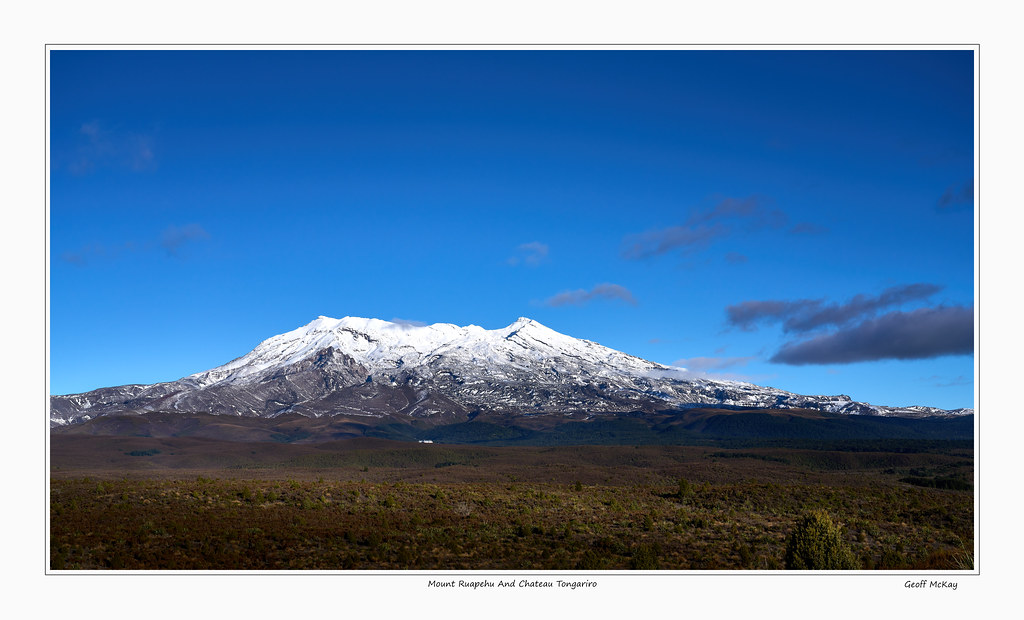
Mount Ruapehu is an active stratovolcano formed by successive layers of hardened lava, tephra, and volcanic ash. It rises to 2,797 meters, making it the highest point on New Zealand’s North Island. The volcano is part of the Taupo Volcanic Zone and has a complex history of eruptions, with over 60 recorded since 1945. Its summit hosts a crater lake, one of the few active volcanic lakes in the world, whose water chemistry and level fluctuate with volcanic activity. The lake is acidic and heated by underlying magma, occasionally causing phreatomagmatic eruptions. The volcano’s slopes are dotted with fumaroles and sulfur deposits, and its eruptions have shaped the surrounding landscape with lava flows and pyroclastic deposits. The geological activity continues to be closely monitored due to the potential hazards posed by lahars and eruptions.
The Volcano Trek: Terrain and Hiking Experience
Hiking Mount Ruapehu is a challenging adventure that demands physical fitness and careful preparation. The terrain varies dramatically from lush alpine forests at the base to stark volcanic rock and ash slopes near the summit. Trekkers typically start from Whakapapa Village or the Whakapapa Ski Area, ascending through mixed terrain that includes well-formed trails, loose pumice, and rugged lava fields. The upper slopes are steep and exposed, with loose scree and volcanic debris that require sure-footedness and trekking poles for stability. The volcanic terrain is often uneven and unmarked above the ski fields, especially on routes leading to the crater lake, demanding good navigation skills. Weather conditions can change rapidly, with strong winds and temperature drops common near the summit. Altitude effects may cause breathlessness and fatigue, so pacing is essential. The hike offers spectacular views of the Tongariro volcanic complex and the surrounding wilderness, with the crater lake providing a dramatic focal point. The combination of physical challenge, geological wonder, and breathtaking scenery makes the Mount Ruapehu trek a memorable experience for seasoned hikers.
What Makes This Volcano Trek Unique
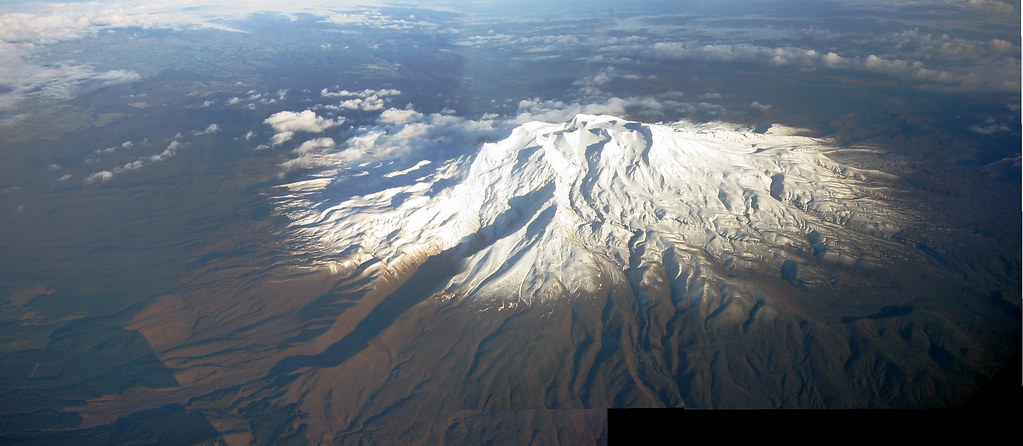
Mount Ruapehu stands out as New Zealand’s largest active volcano, featuring a rare volcanic crater lake that changes with the volcano’s mood. Unlike many volcanoes, Ruapehu combines active geothermal phenomena with ski fields, offering a unique blend of adventure sports and volcanic exploration. The summit’s crater lake, with its vivid colors and steaming vents, provides an extraordinary spectacle. The mountain’s cultural significance to the local Māori iwi adds a rich layer of heritage to the trek. The vast Tongariro National Park, a UNESCO Dual World Heritage site, surrounds Ruapehu, offering diverse landscapes from alpine meadows to volcanic deserts. The opportunity to climb multiple peaks, including Dome Peak and Tahurangi Peak, adds variety and challenge. The contrast between winter ski activities and summer volcanic hikes makes Ruapehu a year-round destination for outdoor enthusiasts.
The Summit and Crater Experience
Reaching the summit of Mount Ruapehu is a moment of awe and exhilaration. The crater lake, nestled at around 2,672 meters, emits a faint sulfurous smell, and the heat from fumaroles can be felt through the volcanic rock. The lake’s acidic waters shimmer with a surreal blue-green hue, framed by rugged crater walls. The summit offers sweeping panoramic views across Tongariro National Park’s volcanic landscape, including neighboring peaks like Mount Ngauruhoe and Mount Tongariro. The sound of escaping gases and the occasional steam vent remind hikers of the mountain’s living nature. The sense of standing on an active volcano’s edge, surrounded by vast wilderness, is both humbling and thrilling, making the summit experience unforgettable.

Best Time to Trek Mount Ruapehu
The ideal time to trek Mount Ruapehu is during the Southern Hemisphere summer months, from January to March, when weather conditions are generally more stable and temperatures milder. Snow can linger on the upper slopes year-round, but summer offers the safest and most accessible window for hiking. Winter transforms Ruapehu into a ski destination, with heavy snow and icy conditions making trekking hazardous. Weather can change rapidly, so hikers should always check volcanic activity updates and weather forecasts before setting out. Clear days provide the best visibility and safer conditions for summit climbs. Volcanic alert levels should be monitored closely, as increased activity may restrict access to the crater area.
Trekking Routes and Trail Options
Mount Ruapehu offers several trekking routes catering to different levels of experience. The most popular route to the crater lake starts at the Whakapapa Ski Area, ascending via the Sky Waka gondola to Knoll Ridge Cafe, then continuing on foot through rugged volcanic terrain. This route is approximately 7 km one way and typically takes 5 hours round trip when using the gondola, or about 7 hours if hiking from the base. For those seeking a longer challenge, hiking the entire way from Iwikau Village adds about 2 hours to the ascent. The trail is unmarked above the ski fields, requiring good navigation skills. Dome Peak, at 2,746 meters, is the most commonly climbed summit, offering stunning views and a slightly less demanding ascent than the highest point, Tahurangi Peak (2,797 meters). Guided treks are available and recommended for safety and local knowledge, especially for the unmarked upper slopes. Alternative walks around the mountain include forest trails like the Mangawhero Forest Walk and shorter scenic routes near Ohakune, providing options for all fitness levels.

Difficulty Assessment
Mount Ruapehu is classified as a demanding volcano trek. The combination of steep ascents, loose volcanic scree, and high altitude requires a good level of fitness and hiking experience. The unmarked upper slopes and variable weather conditions add to the challenge. Trekkers should be comfortable with rugged terrain and prepared for rapid weather changes. The altitude gain ranges from 633 to over 1,000 meters depending on the route, and the climb can be physically taxing. This trek is not suitable for beginners or those without prior mountain hiking experience. Proper preparation, including acclimatization and carrying essential gear, is essential for a safe and successful ascent.
Essential Volcano Trekking Gear
For trekking Mount Ruapehu, essential gear includes sturdy hiking boots with excellent grip for loose volcanic rock and scree. Trekking poles are highly recommended to aid balance and reduce strain on knees during steep descents. Layered clothing is crucial to adapt to temperature changes, including thermal base layers, fleece mid-layers, and a waterproof, windproof jacket. Gloves, a beanie, and sunglasses protect against cold and sun exposure. A headlamp is useful for early starts or late finishes. Carry sufficient water and high-energy snacks, as there are no facilities on the upper slopes. A map, compass, or GPS device is necessary for navigation, especially since the upper trail is unmarked. A gas mask or respirator is generally not required but may be useful if volcanic gases increase. Sunscreen and sun protection are essential due to high UV exposure at altitude.
Safety and Volcanic Hazards
Mount Ruapehu is an active volcano with inherent risks. Volcanic gases such as sulfur dioxide can be harmful, especially near fumaroles and the crater lake. The crater lake itself is acidic and unstable, with the potential for sudden phreatomagmatic eruptions or lahar flows if the tephra dam containing the lake collapses. Hikers should stay informed of the current volcanic alert level issued by New Zealand’s geological monitoring agencies. The upper slopes feature unstable terrain with loose scree and steep ridges, increasing the risk of slips and falls. Weather can change rapidly, bringing cold temperatures, strong winds, and poor visibility. It is essential to hike with a partner or group, carry appropriate safety gear, and follow guidance from local authorities and tour operators. In case of an eruption warning, move immediately to higher ground and follow evacuation instructions.
Permits, Guides, and Logistics
Mount Ruapehu does not require special permits for hiking; however, due to the challenging terrain and volcanic hazards, guided treks are strongly recommended. Several reputable tour operators offer guided hikes, including Adrift Tongariro and Premium Mt Ruapehu Summit Plateau Guided Group Hike. These operators provide experienced guides, safety equipment, and transport logistics, enhancing safety and the overall experience. Guided tours typically start from Whakapapa Ski Area and include instruction on volcanic hazards and route navigation. The cost for guided hikes starts around NZD 350 per person, with tours lasting approximately 7 to 8 hours. Visitors should book in advance, especially during peak summer months. Access to the upper slopes is weather-dependent, and tours may be canceled or rescheduled due to volcanic activity or adverse weather. Transport options include driving to Whakapapa Village or using shuttle services from nearby towns like Ohakune. The Sky Waka gondola offers a convenient lift to Knoll Ridge Cafe, reducing the hiking distance and time. Hikers should check volcanic alert levels and weather forecasts before planning their trek and register their plans with local authorities or guides.
Where to Stay Near Mount Ruapehu
Whakapapa Village, located at the base of Mount Ruapehu within Tongariro National Park, serves as the primary gateway for climbers and hikers. It offers several accommodation options, including the Skotel Alpine Resort, which provides budget-friendly rooms with essential amenities and proximity to the ski fields and trailheads. For mid-range comfort, The Park Hotel Ruapehu offers well-appointed rooms and easy access to Whakapapa Ski Area. Tongariro Suites caters to travelers seeking luxury accommodation with modern facilities and stunning mountain views. Nearby Ohakune, approximately 23 kilometers from the mountain, is a vibrant town with a wider range of lodging options, from cozy motels like Ruapehu Mountain Motel and Lodge to unique vacation rentals such as the Pumice Tiny House and The Gingerbread House with Spa. Ohakune also offers amenities including restaurants, gear rental shops, and shuttle services to the mountain. Many accommodations provide free Wi-Fi, parking, and facilities for drying gear after hikes or ski days. Staying in these bases allows easy access to trailheads, visitor centers, and local tour operators, making them ideal for preparing and recovering from the demanding trek.