
Hiking Mount Kaimon: The Ultimate Volcano Trekking Guide to Kyushu’s Satsuma Fuji
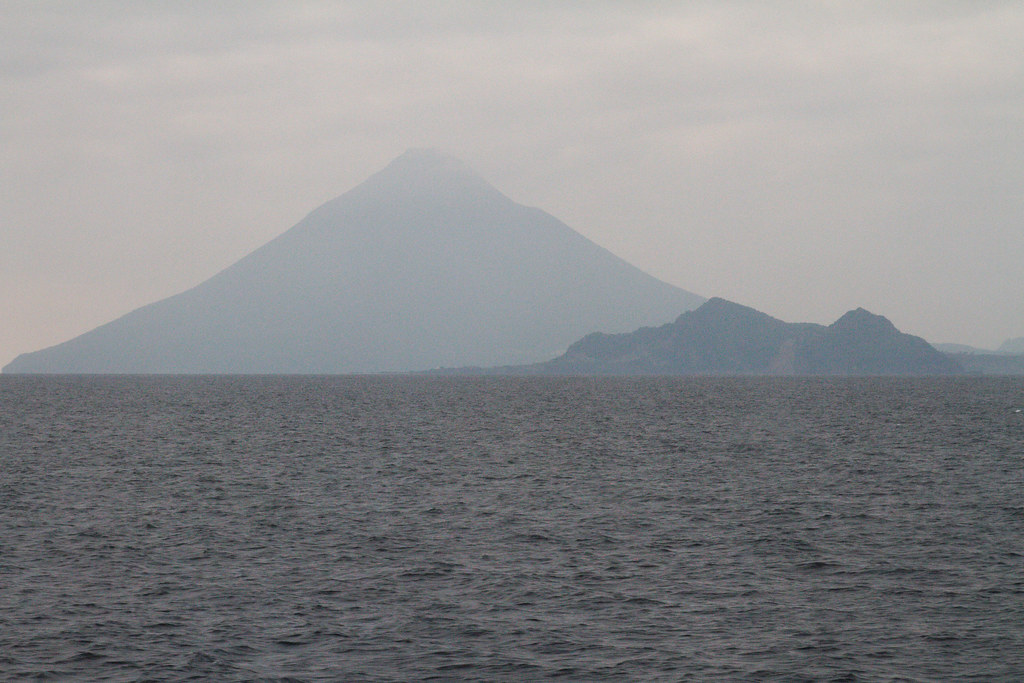
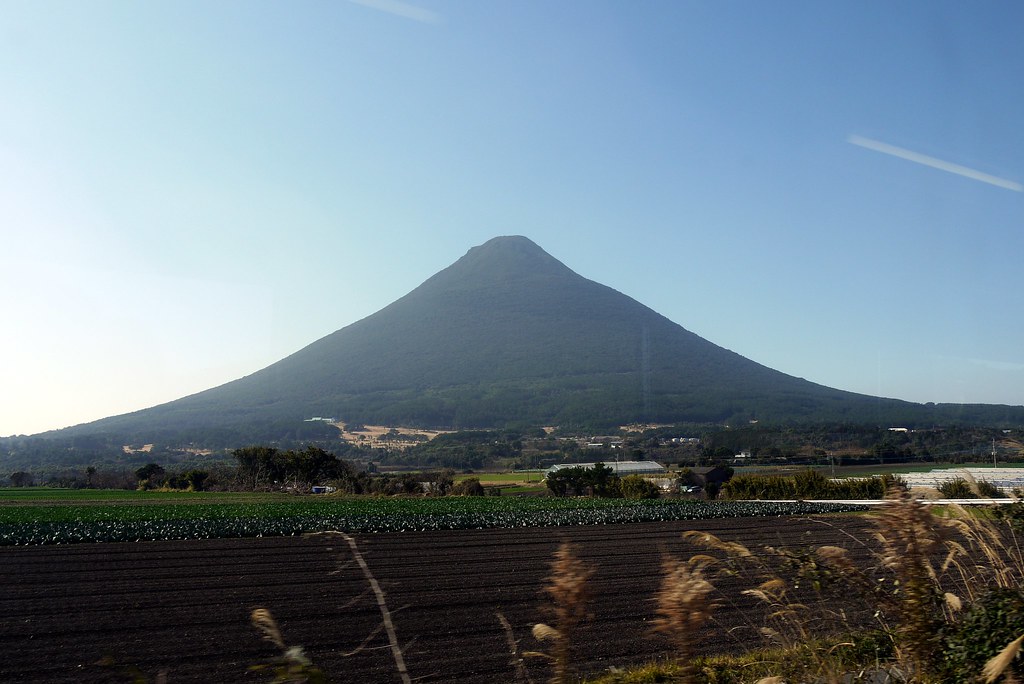
Mount Kaimon, known as the ‘Satsuma Fuji’ for its perfect conical shape, is a dormant stratovolcano in southern Kyushu, Japan. This moderate trek offers a steep, rocky trail through lush forests and volcanic terrain, culminating in breathtaking coastal views from the 924-meter summit. This guide covers geology, terrain, routes, logistics, and accommodations for an unforgettable volcano hiking experience.
Quick Volcano Snapshot
| Attribute | Value |
|---|---|
| Volcano type | Stratovolcano |
| Elevation | 924 meters |
| Location | Kyushu, Japan |
| Activity status | Dormant |
| Trekking difficulty | Moderate |
| Typical trek duration | 3 to 4 hours round trip |
| Altitude gain | 730 meters |
| Terrain type | Rocky trails, volcanic ash slopes, forest paths |
| Best season | February to April |
| Temperature range | 10°C to 25°C (varies seasonally) |
| Permit requirement | None |
The Experience of Hiking Mount Kaimon
Approaching Mount Kaimon, the strikingly symmetrical cone rises sharply from the southern Kyushu coastline, dominating the landscape with its elegant silhouette. The trek begins beneath dense forest canopies, where the air is cool and filled with the scent of cedar and wildflowers. As you ascend, the trail steepens, winding through rocky outcrops and volcanic debris, challenging your footing and stamina. The contrast between the lush greenery below and the barren volcanic summit above creates a vivid sense of geological power and transformation. Reaching the summit, you are rewarded with sweeping views of the Pacific Ocean, the Satsuma Peninsula, and distant islands like Yakushima. The emotional impact of standing atop this dormant giant, feeling the raw energy of the Earth beneath your feet, is profound and unforgettable.

Geological Background of Mount Kaimon
Mount Kaimon is a classic stratovolcano formed by layers of hardened lava, volcanic ash, and tephra, creating its iconic conical shape reminiscent of Mount Fuji. Rising 924 meters above sea level, it is part of the Kirishima-Yaku National Park and the submerged Aira caldera system in Kagoshima Bay. The volcano last erupted in 885 AD, and since then, it has remained dormant, allowing vegetation to reclaim much of its lower slopes. The summit features a small lava dome complex, and the trail passes through areas of lapilli and volcanic rock. The volcano’s geology includes eroded dry creek beds with towering dirt walls, and the terrain transitions from forested slopes to rocky volcanic paths near the peak. Sulfur deposits and fumaroles are minimal due to its dormancy, but the mountain’s volcanic origins are evident in its rugged terrain and mineral-rich soils.
Terrain and Hiking Experience on Mount Kaimon
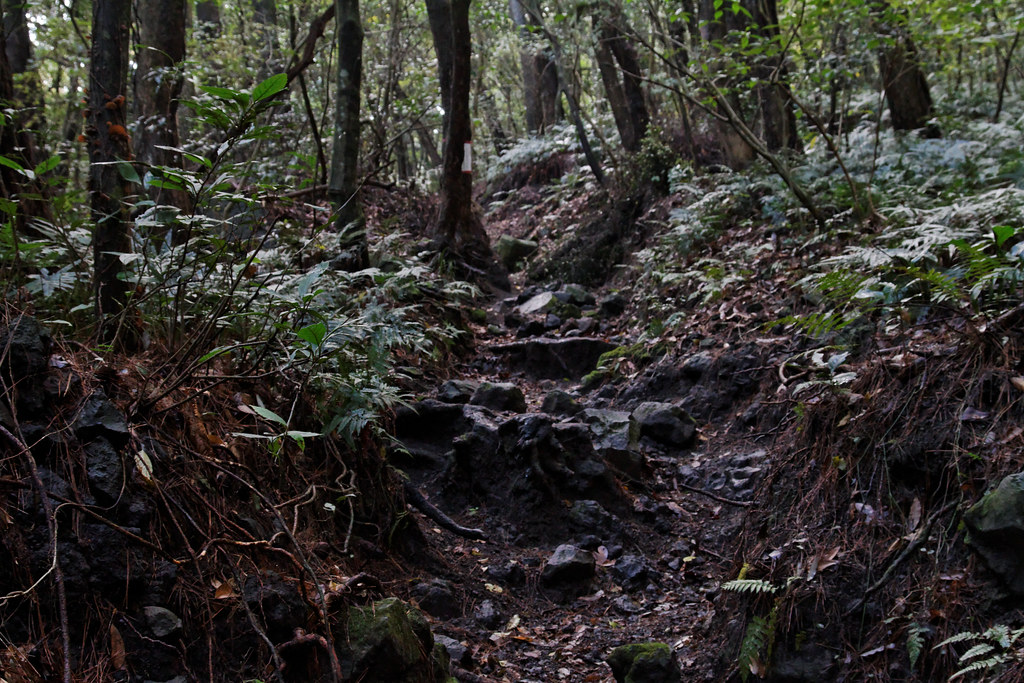
The hike up Mount Kaimon is a dynamic journey through varied volcanic terrain that tests both physical endurance and hiking skills. The trail spans approximately 6.5 kilometers round trip, with an elevation gain of about 730 meters, making it a moderately challenging ascent suitable for hikers with a reasonable fitness level. The initial section of the trail winds through dense laurel and cedar forests, offering shade and a respite from the sun. This part of the hike features a steady incline with well-defined dirt paths, but hikers should be prepared for occasional uneven ground and tree roots.
As you progress, the trail enters a heavily eroded dry creek bed characterized by towering dirt walls on either side. This section is notable for its lack of wind, which can cause temperatures to rise significantly during summer months, sometimes making the hike physically demanding due to heat. The terrain here is loose and dusty, requiring careful footing to avoid slips.
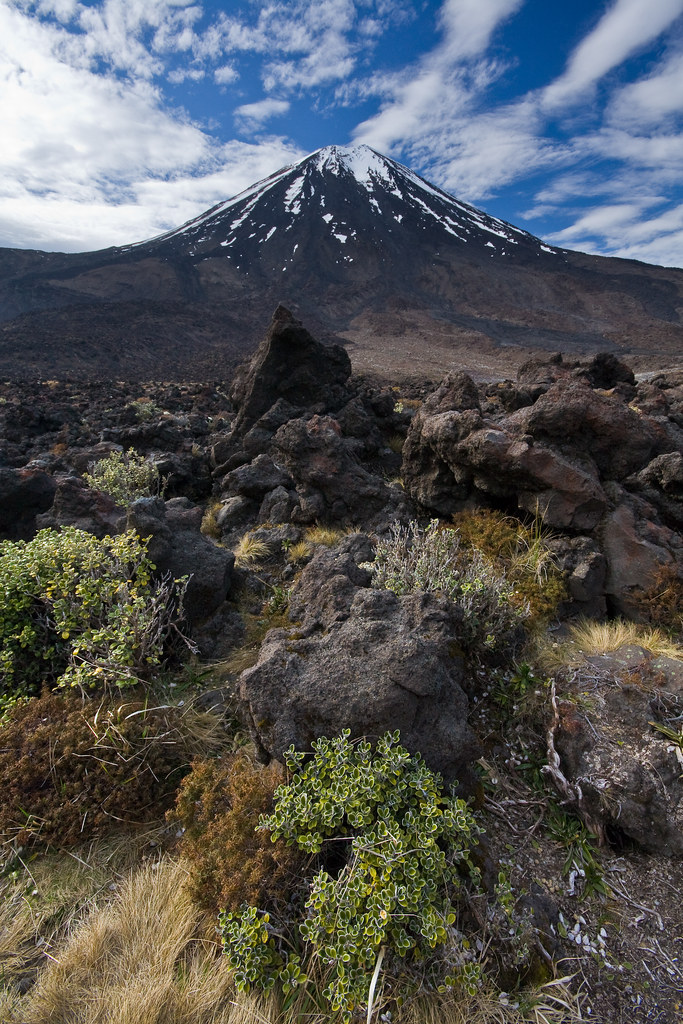
Beyond the creek bed, the environment shifts dramatically to a rocky volcanic landscape. The trail becomes steeper and more technical, with sections requiring scrambling over boulders and navigating ladders and ropes installed to assist climbers. The volcanic rocks are sharp and uneven, demanding sturdy hiking boots with good grip. The exposure increases near the summit, with little vegetation and open ridges where wind and weather can be more intense.
Throughout the ascent, hikers are treated to spectacular views of the surrounding Kagoshima Bay, the Osumi Peninsula, and the Pacific Ocean. The trail’s single route spirals around the mountain without switchbacks, providing a continuous upward challenge. Descending requires caution, especially on the rocky sections where loose scree can strain knees and ankles. Overall, the hike offers a rewarding blend of forested paths, volcanic rock scrambling, and panoramic vistas, making it a memorable volcano trekking experience.
What Makes the Mount Kaimon Trek Unique
Mount Kaimon’s trek is distinguished by its near-perfect conical shape, earning it the nickname ‘Satsuma Fuji’ due to its resemblance to Japan’s iconic Mount Fuji. Unlike many volcano hikes, Mount Kaimon rises directly from sea level, offering a dramatic elevation gain over a relatively short distance. The trail’s unique feature is its single, spiraling path that ascends without switchbacks, providing a continuous and engaging climb.
The hike combines diverse environments, from lush laurel forests to barren volcanic rock, showcasing the mountain’s geological history and ecological variety. The summit rewards trekkers with sweeping coastal views, including sights of Yakushima and Tanegashima islands, and the active Sakurajima volcano in the distance. The trail’s ladders and ropes add an adventurous element, making the ascent more interactive and exciting.
Culturally, Mount Kaimon holds significance as one of Japan’s 100 famous mountains, attracting hikers who appreciate both natural beauty and historical reverence. The mountain’s proximity to hot springs and the scenic Ibusuki area enhances its appeal, allowing visitors to combine trekking with relaxation and cultural exploration.
Summit and Crater Experience on Mount Kaimon
Reaching the summit of Mount Kaimon is a moment of triumph and awe. The peak offers unobstructed panoramic views over Kagoshima Bay, the Osumi Peninsula, and the vast Pacific Ocean. On clear days, the sight extends to the lush Yakushima and Tanegashima islands, as well as the active Sakurajima volcano, creating a breathtaking volcanic panorama.
The summit itself is rocky and exposed, with the remnants of the volcanic crater visible but subdued due to the mountain’s dormancy. The air carries a faint earthy scent, and the absence of fumaroles or sulfur vents underscores the volcano’s quiet state. The wind can be brisk, adding to the sense of standing on a powerful geological monument.
The experience is heightened by the contrast between the strenuous climb and the serene, expansive views. The summit is a perfect spot for reflection, photography, and appreciating the raw beauty of volcanic landscapes. The sense of connection to the Earth’s fiery past is palpable, making the summit a deeply rewarding destination for volcano enthusiasts and hikers alike.
Best Time to Trek Mount Kaimon
The optimal trekking season for Mount Kaimon is from February to April when temperatures are mild, and the weather is generally stable. During this period, hikers can enjoy comfortable conditions without the intense heat and humidity typical of summer months. Spring also brings vibrant flora along the trail, enhancing the scenic experience.
Summer (June to August) can be challenging due to high temperatures, especially in the dry creek bed section where lack of wind can cause heat to build up. Hikers attempting the trail in summer should carry ample water, wear sun protection, and start early to avoid midday heat.
Autumn offers cooler temperatures and clear skies but can bring occasional rain, making the rocky trail slippery. Winter months are cold but usually snow-free, though weather conditions can be unpredictable.
It is advisable to check local weather forecasts and volcanic activity updates before planning your hike. While Mount Kaimon is dormant, sudden weather changes and strong winds near the summit can affect safety. Early morning climbs are recommended to avoid afternoon winds and to witness spectacular sunrises over the volcanic landscape.
Routes and Trail Options for Mount Kaimon
Mount Kaimon features a single well-marked trail that spirals up the volcano’s slopes from the Kaimon Sanroku Fureai Park trailhead. The route is approximately 3.25 kilometers one way, making the round trip about 6.5 kilometers. The trail ascends steadily with an elevation gain of roughly 730 meters, culminating at the 924-meter summit.
The hike begins with a forested path leading to the second station, where the trail enters a dry creek bed with towering dirt walls. This section is notable for its heat retention during summer and requires careful footing on loose soil. Beyond the fifth station, the terrain transitions to volcanic rock, with steeper inclines and occasional ladders and ropes to assist climbers.
There are no alternative routes or side trails, so hikers follow the same path up and down. The trail is equipped with station markers and rescue points, aiding navigation and safety. Guided tours are available through operators such as Hike Master Japan and Walk Japan, offering expert insights and logistical support.
Access to the trailhead is convenient by car, with parking available near the campground about a five-minute walk from the start. Public transport options include reaching Kaimon Station by train, followed by a 30-minute walk or short taxi ride to the trailhead. The straightforward route and clear signage make Mount Kaimon accessible for self-guided hikers as well.
Difficulty Assessment of the Mount Kaimon Trek
Mount Kaimon is classified as a moderate volcano trek. The trail’s steady incline and elevation gain of 730 meters over a relatively short distance demand good cardiovascular fitness and leg strength. The absence of switchbacks means the ascent is continuous, which can be physically taxing.
The terrain varies from forest paths to loose volcanic ash and rocky sections requiring scrambling. Ladders and ropes are present near the summit to assist with steep climbs, adding a mild technical element. While no specialized climbing equipment is needed, hikers should be comfortable with uneven surfaces and some exposure.
Altitude sickness is generally not a concern due to the mountain’s modest elevation of 924 meters. However, hikers should be prepared for temperature changes and wind exposure near the summit. Overall, the trek is suitable for hikers with moderate experience and good physical condition, including adventurous beginners willing to take on a challenging but rewarding climb.
Essential Gear for Hiking Mount Kaimon
Proper gear is crucial for a safe and enjoyable hike up Mount Kaimon. Recommended equipment includes sturdy hiking boots with good grip to navigate rocky and uneven volcanic terrain. Trekking poles can provide stability on steep ascents and descents.
Given the trail’s exposure and potential heat, especially in the dry creek bed section, sun protection such as a wide-brimmed hat, sunglasses, and high-SPF sunscreen is essential. Lightweight, breathable clothing is advised, with layers to adjust for temperature changes near the summit.
A windproof jacket is recommended for summit conditions, where winds can be strong and temperatures cooler. Carrying sufficient water (at least 2 liters) and high-energy snacks is vital, as there are no water sources on the trail.
A headlamp or flashlight is useful for early morning or late afternoon hikes. While volcanic gases are minimal due to dormancy, sensitive hikers may consider a light dust mask to protect against volcanic ash and dust. A basic first aid kit and a map or GPS device are also advisable for safety.
Safety and Volcanic Hazards on Mount Kaimon
Mount Kaimon is a dormant volcano with no recent eruptive activity since 885 AD, significantly reducing volcanic hazards. However, hikers should remain vigilant about general mountain safety and terrain-related risks.
The trail includes steep, rocky sections with ladders and ropes, where slips and falls are possible. Loose volcanic scree and boulders require careful footing, especially during descent when knees are vulnerable. Weather can change rapidly near the summit, with strong winds and sudden temperature drops.
There are no active fumaroles or sulfur vents, so exposure to volcanic gases is minimal. Nonetheless, hikers should heed any official warnings or trail closures issued by local authorities or the Kirishima-Yaku National Park management.
Emergency rescue points are marked along the trail, and mobile phone coverage is generally available near the trailhead but may be limited higher up. It is advisable to hike with a companion or inform someone of your plans. Carrying a basic first aid kit and knowing emergency contact numbers enhances safety.
Permits, Guides, and Logistics for Mount Kaimon Trekking
Mount Kaimon does not require any special permits or fees for hiking, making it accessible for independent trekkers year-round. The trail is well-maintained and clearly marked, allowing self-guided hikes without restrictions.
For those seeking expert guidance, several reputable tour operators offer guided hikes and logistical support. Hike Master Japan provides detailed tours including transportation, local insights, and safety briefings. Walk Japan offers expedition-style tours that combine Mount Kaimon with other Kyushu volcanic destinations. We Free Spirits also organizes hiking experiences with personalized itineraries.
Access logistics are straightforward. The nearest major city is Kagoshima, approximately 1.5 hours by car. Public transport options include trains to Kaimon Station, followed by a 30-minute walk or short taxi ride to the trailhead. Parking is available near the Kaimon Sanroku Fureai Park campground, a five-minute walk from the trail start.
Flights to Kagoshima vary between $100 and $200 USD one-way from major Japanese cities. Overnight ferries from Osaka to Beppu or Kagoshima offer alternative travel modes, though ferry ports may require additional shuttle transfers.
Hikers should plan transportation carefully, especially when relying on infrequent bus services in the area. Carrying sufficient water and food is essential, as there are no facilities on the mountain. Weather conditions and seasonal heat should be considered when scheduling hikes. Guided tours often include equipment rental, transport arrangements, and local accommodation bookings, providing a hassle-free experience for international visitors.
Where to Stay Near Mount Kaimon
Accommodation options near Mount Kaimon cater to a range of preferences, from traditional inns to modern hotels and private rentals. The nearby city of Ibusuki is the most convenient base, located approximately 25 minutes from the trailhead.
Ibusuki offers several well-regarded hotels such as the Ibusuki Bay Hills Hotel & Spa, known for its hot spring baths and comfortable amenities. The Ibusuki Phoenix Hotel and Ibusuki Royal Hotel provide quality lodging with easy access to local attractions and transport links.
For a more traditional experience, guesthouses like Ibusuki Fusuien and Kyukamura Ibusuki offer Japanese-style rooms and hospitality. Many accommodations feature onsen (hot spring) facilities, perfect for relaxing after a day of hiking.
For travelers seeking privacy and scenic coastal views, private rentals such as the ‘Hello! Brandnew Days Inn’ in Minamiozen provide beachfront stays with modern conveniences, including BBQ facilities, WiFi, and spacious decks overlooking Kinko Bay and Mount Kaimon itself.
Parking is generally available at accommodations, facilitating easy access to the trailhead by car. Public transport users can stay in Ibusuki or Kagoshima city and use local buses or trains to reach Kaimon Station, followed by a short walk or taxi ride to the mountain.
Early booking is recommended during peak hiking seasons (February to April) to secure preferred lodging. Combining your stay with visits to nearby attractions such as the Ibusuki sand baths, Flower Park Kagoshima, and the historic samurai district of Chiran enriches the overall experience.