
Trekking Mount Manam: Papua New Guinea’s Most Active Stratovolcano Adventure
Mount Manam, one of Papua New Guinea’s most active stratovolcanoes, offers a demanding and thrilling trekking experience. This guide covers its geology, terrain, routes, safety, permits, and accommodation options for adventurous volcano hikers.
Quick Volcano Snapshot
| Attribute | Value |
|---|---|
| Volcano type | Stratovolcano |
| Elevation | 1,800 meters (5,900 feet) |
| Location | Manam Island, Madang Province, Papua New Guinea |
| Activity status | Active |
| Trekking difficulty | Demanding |
| Typical trek duration | Varies; limited due to activity and access restrictions |
| Altitude gain | Up to 1,800 meters |
| Terrain type | Basaltic-andesitic lava flows, ash slopes, pyroclastic avalanche valleys |
| Best season | Dry season (May to October) preferred for safer conditions |
| Temperature range | Tropical island climate with cooler temperatures near summit |
| Permit requirement | Strict permits required due to active volcanic status and safety concerns |
Introduction: The Experience of Hiking Mount Manam
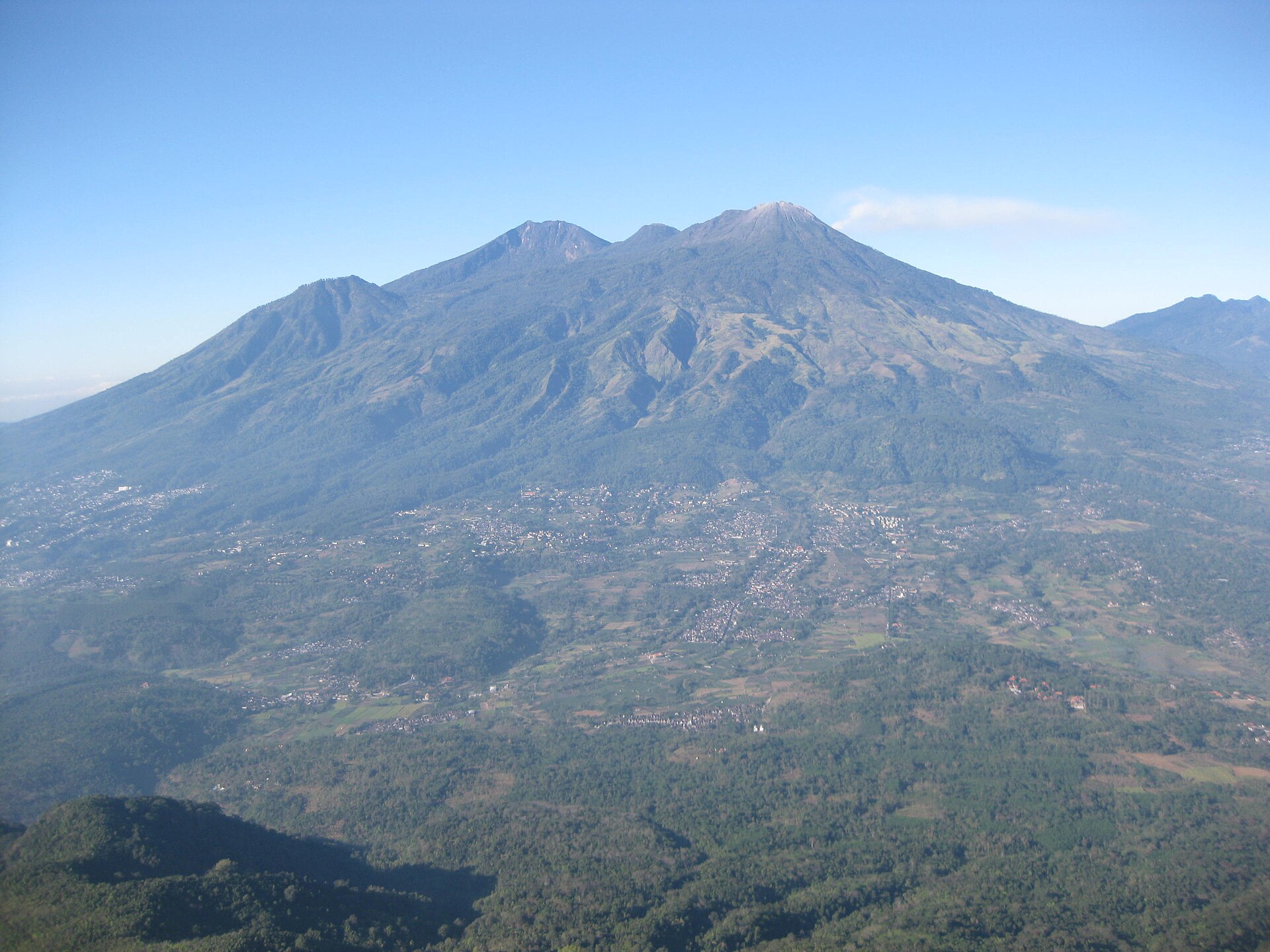
Approaching Mount Manam, the dramatic silhouette of this active stratovolcano rises sharply from the Bismarck Sea, its symmetrical cone punctuated by four deep avalanche valleys. The landscape is raw and elemental, shaped by frequent eruptions that have forged a stark contrast between blackened lava fields and the surrounding tropical ocean. Trekking here is an immersion into the relentless power of Earth’s geology, where the air carries the faint scent of sulfur and the ground beneath hints at recent volcanic activity. Reaching the crater rim offers an intense encounter with the volcano’s fiery heart, a place where the forces of nature remain vividly alive.
The Volcano Itself: Geological Background
Mount Manam is a basaltic-andesitic stratovolcano located on Manam Island, formed by subduction processes along the Bismarck volcanic arc. Its steep, symmetrical cone rises to 1,800 meters above sea level and is characterized by four prominent avalanche valleys that channel pyroclastic flows and lava during eruptions. These valleys represent significant hazards due to their ability to focus destructive avalanches. Manam has been erupting intermittently since at least 1616, with frequent mild to moderate explosive eruptions producing ash plumes, lava flows, and pyroclastic density currents. The volcano’s summit hosts two craters, with the southern crater historically more active, emitting incandescent plumes and sulfur dioxide clouds. The island’s geology is marked by fresh lava deposits, sulfur vents, and fumaroles, illustrating the dynamic volcanic processes shaping this remote Pacific island.
The Volcano Trek: Terrain and Hiking Experience
Trekking Mount Manam is a demanding endeavor that challenges hikers with a variety of volcanic terrains and environmental conditions. The ascent begins at sea level on the island’s coast, progressing through dense tropical vegetation before reaching the stark volcanic landscape. Hikers encounter steep slopes composed of loose volcanic ash and pumice, which require careful footing to avoid slips. The terrain includes rugged lava flows with sharp, jagged rocks that necessitate scrambling and cautious navigation. The four avalanche valleys, known locally as ‘avalanche valleys,’ are particularly notable for their steepness and the history of pyroclastic flows that have shaped them. These valleys can be treacherous, especially during or after volcanic activity, and are generally avoided during heightened alert levels. As trekkers approach the summit, the air thins and temperatures drop, with wind exposure increasing the challenge. The crater rim offers uneven ground with fumarolic vents emitting sulfurous gases, adding to the sensory intensity of the climb. The volcanic ash and loose scree make descent equally challenging, often requiring controlled sliding techniques. Overall, the hike demands high physical fitness, sure-footedness, and readiness for rapidly changing weather and volcanic conditions. Due to ongoing volcanic activity, access is often restricted, and trekking is only possible with authorized guides and permits.
What Makes This Volcano Trek Unique
Mount Manam’s status as one of Papua New Guinea’s most active volcanoes makes its trek uniquely thrilling and unpredictable. The volcano’s frequent eruptions produce dramatic ash plumes and incandescent lava flows visible from the surrounding sea, creating a vivid spectacle. The island’s isolation and the cultural heritage of the Manam Islanders add depth to the experience, blending natural power with human resilience. The four avalanche valleys channel pyroclastic flows, a rare and dangerous feature that underscores the volcano’s volatility. Unlike more accessible volcanoes, Manam’s ongoing activity and the history of evacuations create a sense of raw immediacy. The opportunity to witness an active Pacific stratovolcano in such a dynamic state, combined with the challenge of navigating its rugged terrain, sets this trek apart as a true adventure for experienced volcano hikers.
The Summit and Crater Experience
Reaching Mount Manam’s summit is a moment of profound awe and respect for nature’s power. The crater rim reveals a landscape marked by recent volcanic activity: steaming fumaroles vent sulfurous gases that tint the air with a sharp, acrid scent. The ground vibrates subtly with the volcano’s restless energy, and the sound of escaping gases punctuates the silence. From the summit, panoramic views stretch across the Bismarck Sea, with the island’s blackened lava fields contrasting against the vibrant blue ocean. The sight of ash plumes rising intermittently from the southern crater reminds trekkers of the volcano’s living force. The experience is both humbling and exhilarating, a direct encounter with the fiery heart of the Earth.
Best Time to Trek Mount Manam
The optimal period for trekking Mount Manam is during Papua New Guinea’s dry season, from May to October, when weather conditions are more stable and rainfall is minimal. This reduces the risk of slippery trails and mudslides on the volcanic slopes. However, due to the volcano’s frequent activity, trekking is subject to volcanic monitoring and access restrictions that can change rapidly. Climbers should avoid the wet season (November to April) when heavy rains increase hazards such as landslides and unstable terrain. Additionally, volcanic ash emissions and gas concentrations can fluctuate, so it is essential to consult local volcanic observatories and authorities for current conditions before planning a trek.
Trekking Routes and Trail Options
Mount Manam’s active status and safety concerns limit the availability of established trekking routes. Historically, access to the island was possible via boat from the mainland near Bogia, with trails ascending from coastal villages through tropical forest to the summit. The primary route follows a path that skirts the hazardous avalanche valleys, which are prone to pyroclastic flows and avalanches during eruptions. Due to ongoing volcanic activity, official trekking routes are often closed or require special permits and guided access. Authorized tour operators such as Trans Niugini Tours and New Guinea Natural Tours coordinate logistics, including transport to the island and guided climbs. These operators emphasize safety and adhere to government regulations, adjusting itineraries based on volcanic activity levels. Treks typically involve a multi-day itinerary with camping or temporary shelters, as permanent accommodations on Manam Island are limited due to evacuation history. Alternative trekking experiences in the region focus on nearby volcanic landscapes or mainland cultural treks when Manam access is restricted.
Difficulty Assessment
Mount Manam is classified as a demanding volcano trek due to its steep slopes, loose volcanic ash terrain, and exposure to volcanic hazards. The ascent involves significant altitude gain from sea level to 1,800 meters, requiring excellent cardiovascular fitness and endurance. Technical climbing skills are not generally required, but hikers must be adept at navigating unstable scree and sharp lava rocks. The active volcanic environment adds complexity, with potential exposure to volcanic gases and sudden changes in conditions. This trek is suitable only for experienced hikers comfortable with remote, rugged terrain and capable of responding to emergency situations. Due to the volcano’s activity, trekking is only permitted with authorized guides and after obtaining necessary permits.
Essential Volcano Trekking Gear
Trekking Mount Manam requires specialized gear to handle volcanic terrain and active conditions. Essential items include sturdy hiking boots with excellent grip for loose ash and jagged lava rocks, trekking poles to aid balance on steep slopes, and gaiters to protect against volcanic ash. A windproof and waterproof jacket is necessary to cope with sudden weather changes. Due to sulfurous gases near the crater, a gas mask or respirator is recommended for sensitive individuals. Sun protection such as a wide-brimmed hat, sunglasses, and high-SPF sunscreen is vital, as the volcanic landscape offers little shade. Hydration systems are critical to maintain fluid intake in the tropical climate. A headlamp is useful for early starts or late finishes. Additionally, carrying a first aid kit and emergency communication device is advised given the remote and hazardous environment.
Safety and Volcanic Hazards
Mount Manam’s frequent eruptions and active status present significant safety challenges for trekkers. Hazards include sudden ash emissions, pyroclastic flows channeled through the avalanche valleys, and exposure to toxic volcanic gases such as sulfur dioxide. The unstable crater rim and loose volcanic scree increase the risk of falls and rockslides. Weather conditions can change rapidly, with strong winds and heavy rains exacerbating dangers. Due to these risks, access to Manam Island and the volcano is strictly regulated by Papua New Guinea authorities and volcanic monitoring agencies. Trekkers must adhere to official warnings and only proceed with experienced guides familiar with current volcanic activity. Emergency evacuation plans are essential, and travelers should have comprehensive travel insurance covering volcanic hazards. Continuous monitoring by the Rabaul Volcanological Observatory and the Darwin Volcanic Ash Advisory Centre provides updates on eruption status and ash plume dispersal.
Permits, Guides, and Logistics
Access to Mount Manam is highly restricted due to its active volcanic status and associated risks. Trekking the volcano requires obtaining special permits from Papua New Guinea government authorities, which are granted only under strict safety conditions. The island was evacuated in 2004 following a major eruption, and although some residents have returned, tourism infrastructure remains minimal and fragile. Independent trekking is not permitted; all visits must be arranged through authorized tour operators who coordinate with local authorities and volcanic monitoring agencies. Leading companies offering expeditions to Mount Manam include Trans Niugini Tours, New Guinea Natural Tours, No Roads Expeditions, Flynn’s Tours, and Travel PNG Guide Tours. These operators provide comprehensive services including transport logistics from Madang or Bogia, experienced local guides, safety briefings, and emergency support. Costs for permits and guided tours vary but are generally significant due to the complexity and risk management involved. Visitors should plan well in advance, maintain flexible itineraries, and prioritize safety. Given the volcano’s ongoing activity, tours may be canceled or postponed at short notice. Travelers are advised to maintain close communication with operators and monitor volcanic alerts continuously.
Where to Stay Near Mount Manam
Permanent accommodations on Manam Island are extremely limited due to evacuation history and ongoing volcanic activity. Most trekkers base themselves on the Papua New Guinea mainland, primarily in Madang Province, which offers the best access points to the island. Madang town features several hotels and lodges catering to travelers, including the Madang Resort Hotel and the Madang Lodge, both offering comfortable amenities and proximity to the coast for boat transfers. For those seeking more upscale options, the Walindi Plantation Resort, located north of Madang, provides luxury accommodation with excellent facilities and access to diving and cultural tours. Bogia, a smaller coastal town near the island, serves as a logistical hub for local communities and some tour operations but has limited lodging options. Due to the remote and volatile nature of Manam, overnight stays on the island itself are generally limited to temporary camps arranged by tour operators during expeditions. These camps are basic and designed for short-term use, emphasizing safety and rapid evacuation capability. Travelers should plan to stay in Madang or nearby mainland bases before and after their Manam trek, ensuring access to medical facilities, communication, and transport services.