
Mount Arjuno Volcano Trekking Guide: Conquer East Java’s Dormant Giant
Mount Arjuno, a majestic dormant stratovolcano in East Java, Indonesia, offers a demanding yet rewarding trekking experience through lush montane forests, volcanic craters, and cultural landscapes. This comprehensive guide covers routes, terrain, safety, permits, accommodations, and expert tips for adventurers seeking to summit this iconic peak.
Quick Volcano Snapshot
| Attribute | Value |
|---|---|
| Volcano type | Stratovolcano |
| Elevation | 3,339 meters |
| Location | East Java, Indonesia |
| Activity status | Dormant |
| Trekking difficulty | Demanding |
| Typical trek duration | 2 to 4 days |
| Altitude gain | Approximately 2,579 meters from Tretes trailhead |
| Terrain type | Montane forest, volcanic scree, rocky ridges, alpine grasslands |
| Best season | April to September (dry season) |
| Temperature range | 5°C to 20°C depending on elevation and time of day |
| Permit requirement | Mandatory permits obtained at Tretes or Sumber Brantas |
The Experience of Hiking Mount Arjuno
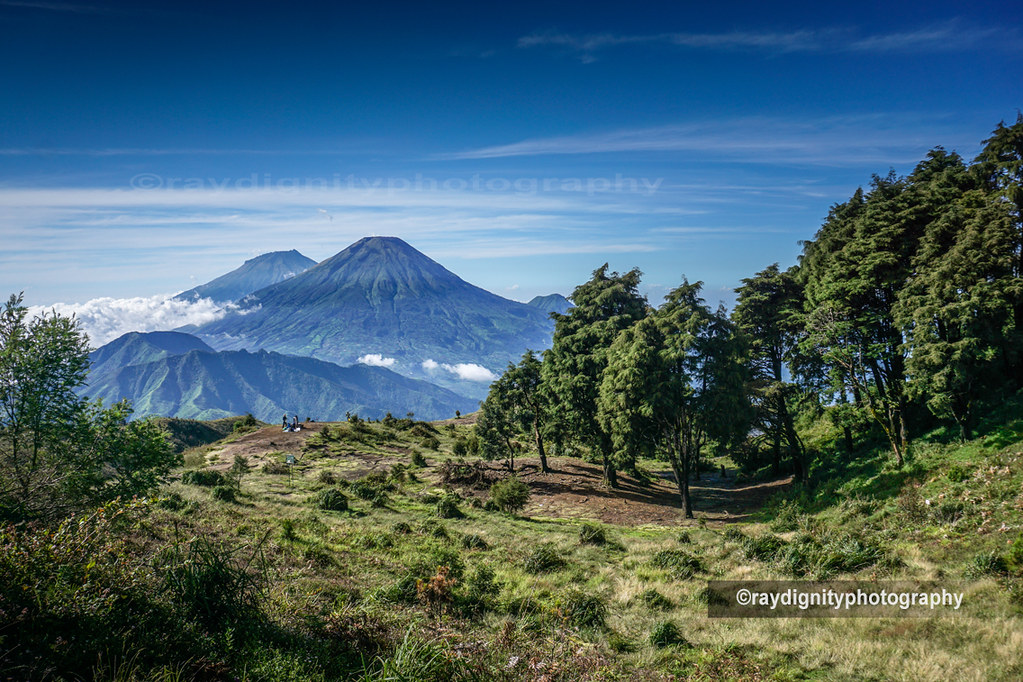
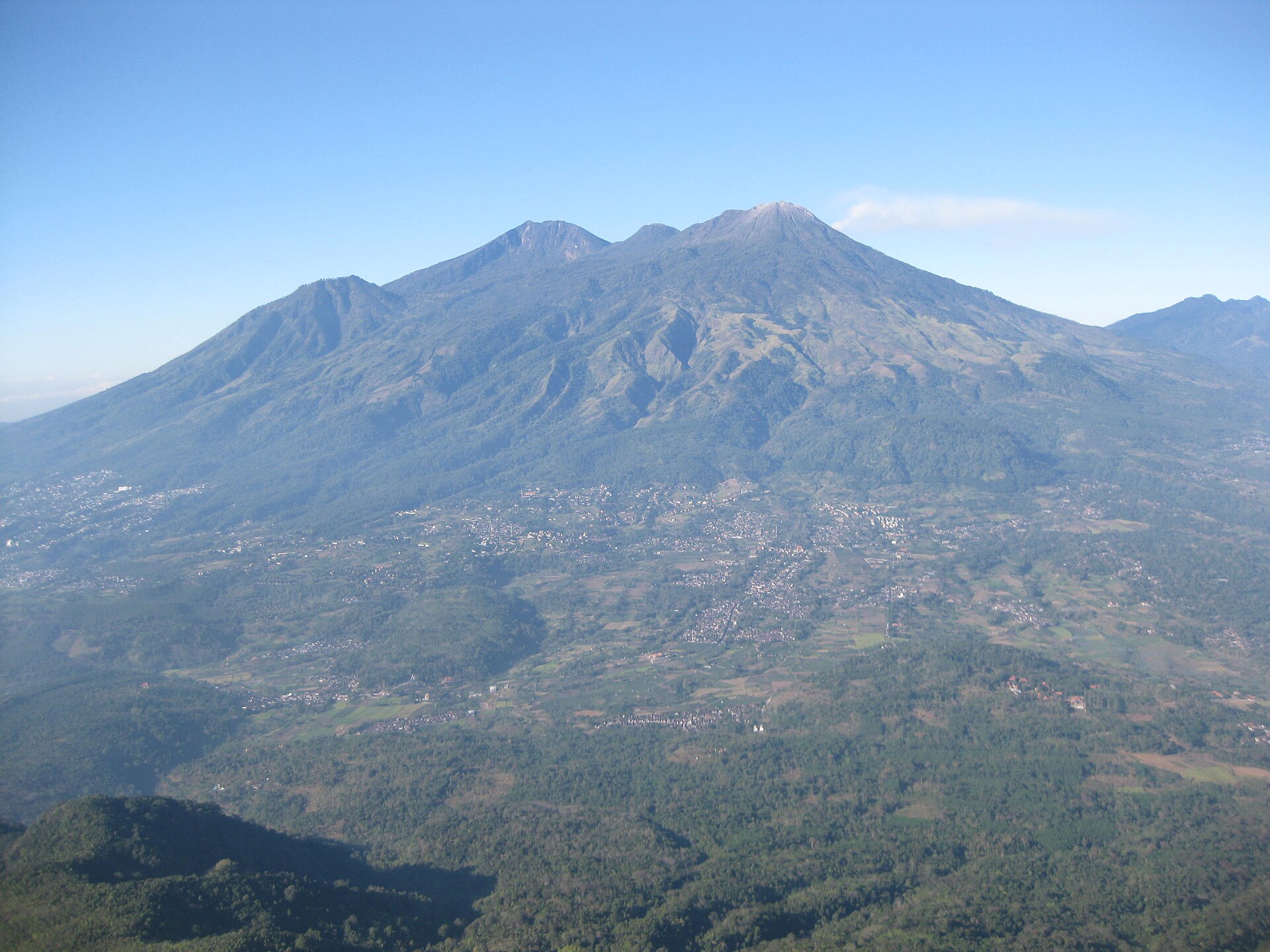
Approaching Mount Arjuno, trekkers are greeted by a towering dormant giant cloaked in dense montane forest and crowned with rugged volcanic peaks. The trail weaves through lush greenery, punctuated by occasional clearings revealing sweeping views of East Java’s volcanic landscape. The air grows cooler and thinner as you ascend, and the terrain shifts from soft forest floor to rocky volcanic scree. Reaching the summit, the panorama unfolds: neighboring peaks like Mount Welirang with its active fumaroles, distant Mount Semeru, and the patchwork of tea plantations below. The emotional crescendo of standing atop Arjuno’s summit is a profound connection to the raw geological forces that shaped this land.

Geological Background of Mount Arjuno
Mount Arjuno is a stratovolcano formed through successive layers of hardened lava, tephra, and volcanic ash. It is part of the Arjuno-Welirang volcanic complex in East Java, Indonesia. Arjuno itself is dormant, towering at 3,339 meters, making it the second-highest peak in East Java. The volcano’s formation dates back to multiple eruptive phases, with its last known activity occurring centuries ago, contrasting with its neighbor Welirang, which remains active. The summit features rugged rocky outcrops and sparse vegetation, while fumarolic activity is present mainly on Welirang. The area is rich in volcanic minerals and sulfur deposits, remnants of past eruptions. The volcanic landscape includes steep ash slopes, lava fields, and fumarole fields, offering a vivid display of volcanic geology.
Terrain and Hiking Experience on Mount Arjuno
The trek up Mount Arjuno is a demanding journey through varied terrain that challenges even experienced hikers. Starting from the popular Tretes trailhead at 760 meters elevation, the path initially traverses pine forests and farmland, offering a gentle introduction. As you ascend, the trail becomes steeper and rockier, transitioning into volcanic scree and loose pumice that require careful footing. The route passes through several waypoints including Pos Kokopan, Pondok Baru, and the sulfur miners’ huts near Pondokan at around 2,450 meters, where the terrain shifts to a rugged volcanic plateau. Above Pondokan, hikers face a choice of routes: a direct steep climb via Lembah Kidang to the Arjuno summit or a longer path via the Taman Dewa pass connecting to the Kembar peaks. The upper slopes are characterized by alpine pine forests, tussock grasslands, and exposed rocky ridges. Wind conditions can be harsh near the summit, and temperatures drop significantly, especially before dawn. The trail demands good physical fitness and sure-footedness, as sections involve scrambling over volcanic rocks and navigating loose scree slopes. Altitude effects may be felt above 2,500 meters, so acclimatization and pacing are important. The volcanic terrain is dynamic, with fumaroles and sulfur vents near Welirang adding to the unique hiking environment. Descents can be tough on the knees due to steep, rocky paths. Overall, the hiking experience combines the serenity of dense montane forests with the stark beauty of volcanic landscapes, culminating in breathtaking summit views that reward the effort.
What Makes the Mount Arjuno Trek Unique
Mount Arjuno offers a unique blend of geological, ecological, and cultural features that set it apart from other volcano treks. Its status as a dormant stratovolcano provides a contrast to the neighboring active Welirang, allowing trekkers to experience both calm and dynamic volcanic environments in one journey. The presence of traditional sulfur miners on Welirang adds a human element to the volcanic landscape, showcasing age-old mining practices amid steaming fumaroles. The trek traverses diverse ecosystems, from tropical montane forests rich in wildlife to alpine pine and tussock grasslands near the summit. The mountain is steeped in local mythology, named after Arjuna, a hero from the Mahabharata epic, and dotted with ancient temples and sacred sites along the trails. The opportunity to camp between the twin Kembar peaks and witness sunrise views over East Java’s volcanic chain, including Mount Semeru, enhances the adventure. The combination of challenging terrain, cultural encounters, and spectacular natural beauty makes the Mount Arjuno trek a rewarding and distinctive experience.
Summit and Crater Experience on Mount Arjuno
Reaching the summit of Mount Arjuno is a moment of awe and accomplishment. The peak, at 3,339 meters, is marked by scattered volcanic rocks and offers panoramic views of East Java’s volcanic landscape. From here, hikers can see the active fumaroles of Mount Welirang, the distant cone of Mount Semeru, and the lush tea plantations below. The summit area is exposed and often windy, with temperatures dropping to as low as 5°C. The air carries the faint scent of sulfur from nearby fumaroles, especially on the Welirang side. The silence at the top is profound, broken only by the wind and the occasional call of wildlife. The crater itself on Arjuno is largely inactive, with no significant fumarolic activity, but the rugged terrain and rocky outcrops provide a dramatic setting. The experience is both sensory and spiritual, offering a tangible connection to the earth’s volcanic forces and the vastness of the surrounding landscape.
Best Time to Trek Mount Arjuno
The optimal trekking season for Mount Arjuno is during the dry months from April to September. During this period, the weather is generally stable, with lower chances of rain and clearer skies, enhancing visibility and summit views. Temperatures range from mild to cool, especially at higher elevations. The rainy season, from November to March, brings heavy showers, slippery trails, and increased risk of landslides, making trekking hazardous. Additionally, volcanic activity on neighboring Welirang can occasionally lead to temporary trail closures or increased sulfur gas emissions. Early morning starts are recommended for summit attempts to avoid afternoon clouds and to experience spectacular sunrises. Trekking outside peak tourist months (June to August) can offer a quieter experience with fewer crowds. Always check local volcanic activity reports and weather forecasts before planning your trek.
Trekking Routes and Trail Options on Mount Arjuno
Mount Arjuno can be ascended via several established routes, each offering distinct experiences. The Tretes Route is the most popular and well-defined trail, starting at Tretes village (760 m). This route ascends through pine forests and farmland, passing waypoints such as Pos Kokopan, Pondok Baru, and the sulfur miners’ huts at Pondokan (2,450 m). Trekkers typically camp at Pondokan or Lembah Kijang base camp. From here, the summit can be reached via a direct steep climb through Lembah Kidang or a longer route via the Taman Dewa pass and the twin Kembar peaks. The trek usually takes 2 days with an overnight camp. The Sumber Brantas/Cangar Route starts higher up at Sumber Brantas village and offers quicker access to the saddle between the Kembar peaks. Hikers can then choose to summit either Welirang or Arjuno. This trail is shorter but involves steeper sections and less infrastructure. The Selekta Route approaches from the southwest near Batu and is less frequented, offering a more remote trekking experience. It connects with the main trail network near Tretes. The Lawang Route starts from the east near Lawang tea plantations and is known for its gentler ascent through lush forest, often used for descent. It requires good navigation skills and is less crowded. All routes require at least one overnight stop due to the elevation gain and trail length. Guides are highly recommended, especially for the less marked upper slopes where trails can be confusing. The Tretes route is favored for its scenic views, water sources, and relative ease of navigation.
Difficulty Assessment of Mount Arjuno Trek
Mount Arjuno is classified as a demanding volcano trek. The challenges include steep ascents, loose volcanic scree, rocky ridges, and uneven forest paths requiring good balance and sure-footedness. The summit at 3,339 meters can cause mild altitude effects; acclimatization and pacing are important. No technical climbing gear is needed, but trekking poles and sturdy boots are essential. A high level of cardiovascular fitness and endurance is necessary to manage long days of uphill hiking and carrying gear. This trek is not suitable for beginners or those with limited hiking experience. Preparation, proper gear, and possibly hiring a guide are recommended to ensure safety and enjoyment.
Essential Gear for Mount Arjuno Trekking
Successful trekking on Mount Arjuno requires specialized gear suited to volcanic and montane environments. Essential items include hiking boots with good grip and ankle support for rocky and loose terrain, trekking poles to aid balance on steep and uneven slopes, and layered clothing including moisture-wicking base layers, insulating mid-layers, and a windproof, waterproof outer shell. Warm hat and gloves are necessary for cold summit conditions. A headlamp is important for early morning or night trekking. A backpack with hydration system and capacity for food, water, and extra clothing is required. While a gas mask or respirator is generally not required, it may be useful near sulfur vents on Welirang. Sun protection such as sunglasses, sunscreen, and a wide-brimmed hat is important due to high UV exposure. A sleeping bag rated for cold temperatures is needed for camping. Carry a basic first aid kit and personal medications. Waterproof bags or dry sacks help protect gear from rain and moisture. Carrying sufficient water and energy-rich snacks is essential, as water sources are limited above base camps.
Safety and Volcanic Hazards on Mount Arjuno
While Mount Arjuno is dormant, safety precautions remain critical due to the challenging terrain and proximity to active volcanic areas. Volcanic gases such as sulfur dioxide are present mainly on nearby Mount Welirang; trekkers sensitive to gases should avoid fumarole fields. The terrain includes loose scree, volcanic ash slopes, and rocky outcrops that pose risks of slips and falls. Sudden weather changes including fog, rain, and strong winds can reduce visibility and increase hypothermia risk. Altitude sickness symptoms may occur; proper acclimatization and descending if symptoms worsen are essential. Navigation can be difficult on upper trails with multiple intersecting paths; hiring a knowledgeable local guide is strongly advised. Wildlife encounters, such as with deer or wild pigs, require caution. Local authorities monitor volcanic activity, and trekkers should heed any closures or warnings. Carrying a communication device and informing others of your itinerary enhances safety.
Permits, Guides, and Logistics for Mount Arjuno Trekking
Trekking Mount Arjuno requires careful planning regarding permits, guides, and logistics to ensure a safe and enjoyable experience. Permits are mandatory and can be obtained at official offices in Tretes or Sumber Brantas. The permit fees are modest and contribute to conservation efforts. Guides are highly recommended due to the complex trail network and challenging terrain, especially above the base camps. While the Tretes to Welirang route is relatively well-marked, other trails can be confusing. Local guiding companies such as Climb Indonesia, Adventure Indonesia Tours, SGTREK, IWannaTravel, and Surabaya Bromo Tour offer professional English-speaking guides, porters, and full trekking packages. Typical trekking packages span 2 to 4 days, including transportation from Surabaya or Malang airports, accommodation in hotels or campsites, meals, camping gear, and permits. For example, the popular 3-day itinerary includes arrival in Surabaya, transfer to Tretes, trekking to Lembah Kijang base camp, summit attempts on Welirang and Arjuno, and return. Logistically, Surabaya Juanda International Airport is the main gateway, with transfers by private car or minibus to trailheads. Accommodation options range from hotels in Tretes and Batu to tent camping at base camps. It is advisable to arrange guides and permits in advance, especially during peak trekking seasons. Porters are available to carry heavy gear, allowing trekkers to focus on the climb. Safety briefings and equipment checks are standard practice by reputable operators. Overall, engaging a local tour operator simplifies the process, enhances safety, and supports the local economy.
Where to Stay and Nearby Bases for Mount Arjuno Trekking
The main gateway to Mount Arjuno is the mountain resort town of Tretes, located approximately 60 kilometers from Surabaya. Tretes offers a range of accommodations from budget guesthouses to comfortable hotels such as Tanjung Plaza Hotel and local homestays. The town provides essential services including guide offices, permit registration, and supply shops. For those seeking proximity to the trailhead, several lodges and guesthouses in Tretes offer easy access to the start of the trek. Amenities typically include hot showers, Wi-Fi, and dining options featuring local cuisine. During the trek, camping is the primary accommodation option at base camps such as Lembah Kijang and Pondokan near the sulfur miners’ settlement. These campsites provide basic facilities including tent rentals, cooking areas, and water sources. Camping here immerses trekkers in the volcanic environment and offers unique wildlife encounters, such as hearing the calls of deer at night. Further afield, the town of Batu and the city of Malang serve as regional hubs with a wider selection of hotels, resorts, and eco-lodges. These locations are ideal for pre- or post-trek relaxation and offer additional amenities such as spas and cultural attractions. For those continuing on to nearby volcanic destinations like Mount Welirang or Mount Bromo, accommodations range from rustic mountain lodges to more upscale resorts with panoramic views. Booking in advance is recommended during peak seasons to secure preferred lodging. Overall, the combination of mountain resort towns, base camp camping, and regional city accommodations provides flexible options tailored to different trekking styles and budgets.