
Hiking Mount Maunganui (Mauao): A Complete Volcano Trekking Guide to New Zealand’s Iconic Coastal Cone
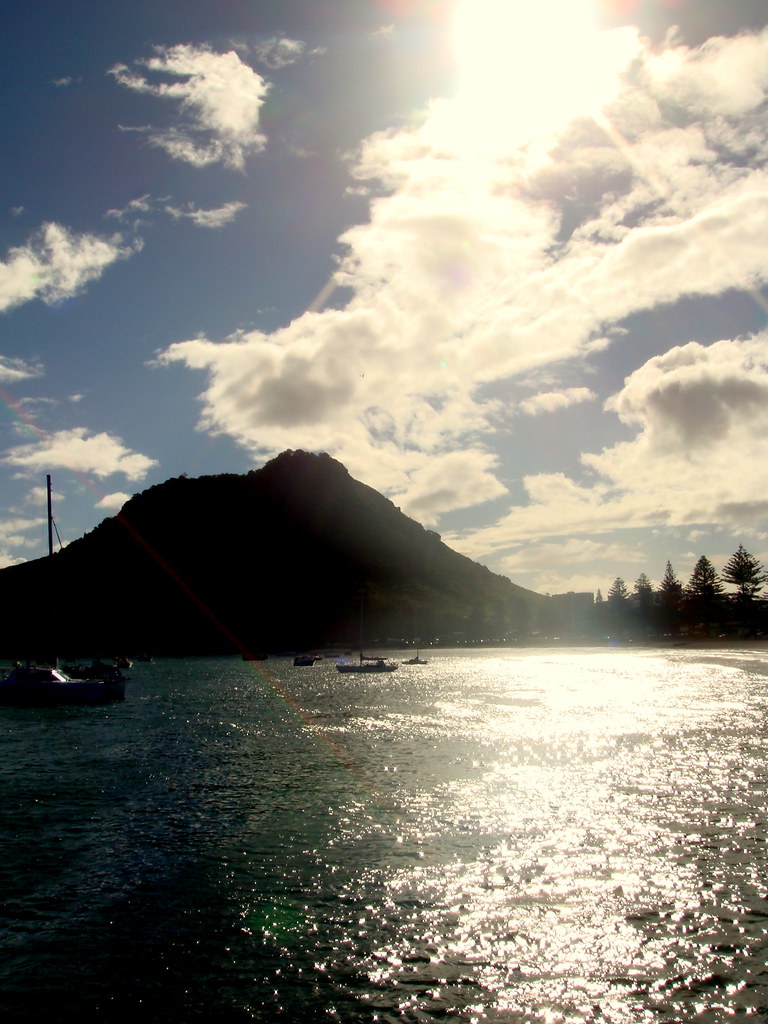
Mount Maunganui, also known as Mauao, is an extinct stratovolcano rising 232 meters above sea level on New Zealand’s Bay of Plenty coast. This accessible and family-friendly volcano trek offers panoramic views of Tauranga, the Pacific Ocean, and surrounding landscapes. With well-maintained tracks, including a scenic base loop and several summit routes, hikers of all levels can experience the unique blend of volcanic geology, coastal beauty, and rich Māori heritage.
Quick Volcano Snapshot
| Attribute | Value |
|---|---|
| Volcano type | Extinct Stratovolcano |
| Elevation | 232 meters |
| Location | Bay of Plenty, New Zealand |
| Activity status | Extinct |
| Trekking difficulty | Easy to Moderate |
| Typical trek duration | 45 minutes to 1.5 hours depending on route |
| Altitude gain | Approximately 232 meters |
| Terrain type | Volcanic rock, compacted dirt, wooden boardwalks |
| Best season | Year-round; spring and autumn preferred for fewer crowds |
| Temperature range | Mild coastal climate with variable conditions |
| Permit requirement | No permits required |
The Experience of Hiking Mount Maunganui
Approaching Mount Maunganui, or Mauao as it is known locally, you are greeted by a striking volcanic cone rising sharply from the coastal landscape. The contrast between the lush native Pohutukawa forests clinging to its slopes and the expansive blue Pacific Ocean creates a dramatic setting. As you ascend, the air carries a fresh ocean breeze, mingling with the earthy scent of volcanic rock and native flora. The climb is invigorating yet accessible, inviting hikers to connect with the mountain’s ancient power. Reaching the summit, the panorama unfolds in every direction — Tauranga’s cityscape, the shimmering harbor, and endless ocean horizons. This moment of standing atop an extinct volcano, surrounded by natural beauty and cultural significance, is both humbling and exhilarating.
Geological Background of Mount Maunganui
Mount Maunganui is an extinct stratovolcano formed approximately 2.5 million years ago through successive lava flows and volcanic activity. Its cone shape is typical of stratovolcanoes, built from layers of hardened lava, ash, and volcanic debris. Over millennia, erosion and weathering have sculpted its slopes, exposing rugged rock formations and ancient lava flows. The volcano’s summit features remnants of its original crater, now heavily eroded and overgrown with native vegetation. The mountain’s geology includes basaltic rock rich in volcanic minerals, providing a unique substrate for the Pohutukawa trees that thrive on its flanks. Although dormant, Mauao’s volcanic origins remain evident in its dramatic profile and rocky terrain, offering hikers a tangible connection to New Zealand’s fiery geological past.
Terrain and Hiking Experience on Mount Maunganui
The hiking experience on Mount Maunganui is characterized by well-maintained trails that accommodate a wide range of fitness levels, making it one of New Zealand’s most accessible volcanic treks. The base track is a 3.4-kilometer loop encircling the mountain, offering gentle gradients and firm surfaces suitable for walkers, runners, and even some mobility equipment users. This loop trail provides stunning views of the harbor, ocean, and surrounding beaches, with occasional benches and shaded spots beneath ancient Pohutukawa trees for rest and contemplation. For those seeking a more challenging ascent, several summit routes are available. The Te Ara Motukauri (4WD track) offers a gradual climb starting from Pilot Bay, featuring a dirt path with some steep and slippery sections but no stairs. This route demands sturdy footwear with good grip due to uneven volcanic rock and occasional loose gravel. The Waikorire track is the quickest and steepest path to the summit, featuring numerous stairs and a direct climb that tests cardiovascular fitness and leg strength. The Oruahine track, starting from the ocean side of the base track, provides a scenic but moderately steep climb, connecting to the 4WD track near the summit. Hikers should expect varied terrain including compacted dirt, volcanic rock outcrops, and wooden boardwalks near the surf club area. The volcanic soil supports dense native vegetation, creating shaded sections that contrast with exposed ridges where wind and sun are more intense. Weather conditions can change rapidly; coastal winds may increase near the summit, and temperatures can fluctuate, so layered clothing is advisable. The altitude is modest at 232 meters, so altitude sickness is not a concern, but the steepness of some paths can be physically demanding for beginners. Overall, the terrain offers a rewarding mix of natural volcanic features and coastal landscapes, with clear wayfinding signage and safety measures in place. The presence of steep drop-offs and occasional rockfall areas requires hikers to remain vigilant, especially on narrow sections. The combination of accessible base trails and more strenuous summit routes makes Mount Maunganui an ideal destination for families, casual walkers, and more experienced hikers alike.
What Makes the Mount Maunganui Trek Unique
Mount Maunganui’s trek stands out for its remarkable coastal setting, blending volcanic geology with ocean vistas. Unlike many inland volcanoes, Mauao rises directly from a narrow peninsula, offering panoramic views of both the Pacific Ocean and Tauranga’s urban landscape. The mountain’s cultural significance to the local Māori iwi adds a profound layer of meaning, with the maunga regarded as a sacred ancestor and a symbol of manaakitanga — care and respect. The trek’s accessibility and variety of routes cater to a broad audience, from families and casual walkers to fitness enthusiasts. The juxtaposition of volcanic rock formations, native Pohutukawa forests, and white sandy beaches creates a diverse natural environment rarely found in a single hike. Additionally, the proximity to vibrant beachside communities allows hikers to combine their volcanic adventure with local water sports, dining, and relaxation. Seasonal events, such as the crimson bloom of Pohutukawa trees in December, enhance the trek’s visual appeal. The mountain’s relatively low elevation and well-maintained paths make it a unique volcano hike that balances geological intrigue with comfort and safety, making it a must-visit for volcano enthusiasts and casual tourists alike.
Summit and Crater Experience on Mount Maunganui
Reaching the summit of Mount Maunganui is a moment of awe and reward. From the top, hikers are treated to a sweeping 360-degree panorama encompassing the Bay of Plenty’s sparkling waters, Tauranga’s cityscape, and the distant Kaimai Ranges. The summit area is spacious, with picnic tables and large rocks perfect for resting and soaking in the views. Though the original volcanic crater is heavily eroded and overgrown, the summit’s rocky outcrops and native trees hint at the mountain’s fiery origins. The air here carries a fresh ocean scent, occasionally mingled with the earthy aroma of volcanic stone and native flora. The soundscape is dominated by coastal winds and distant waves, creating a serene atmosphere. Visitors should exercise caution near the edges, as some drop-offs are steep. The summit’s elevation is modest but offers a commanding vantage point that makes the climb worthwhile. Photographers and nature lovers will find ample opportunities to capture the interplay of light on the ocean and land, especially during sunrise and sunset.
Best Time to Trek Mount Maunganui
Mount Maunganui can be trekked year-round due to its mild coastal climate. However, the best times to hike are during sunrise or sunset when the lighting enhances the spectacular views and temperatures are cooler. Summer months offer longer daylight hours and generally stable weather, but the trails can become busy, especially on weekends and holidays. Spring and autumn provide pleasant temperatures and fewer crowds, ideal for those seeking a quieter experience. Winter is cooler and wetter, with occasional strong coastal winds, so hikers should prepare accordingly. Weather can change rapidly, so checking local forecasts before setting out is recommended. There are no volcanic activity restrictions since Mount Maunganui is extinct, but trail maintenance or weather-related closures may occur. Early morning hikes help avoid midday sun exposure, and hikers should bring sun protection and sufficient water regardless of the season.
Routes and Trail Options on Mount Maunganui
Mount Maunganui offers several well-marked trails catering to different preferences and fitness levels. The primary options include the Base Track and multiple summit routes. The Base Track (Te Ara Tūtanga) is a 3.4-kilometer loop around the mountain’s base, taking approximately 45 minutes to complete. It features gentle gradients, a wide path suitable for walkers, runners, and some mobility devices, and offers continuous views of the harbor and ocean. This loop can be started from either Pilot Bay (Waikorire) or Main Beach (Hinekite Takutai). It is ideal for families, casual walkers, and those seeking a scenic, low-effort hike. For summit ascents, the main routes are: Te Ara Motukauri (4WD track): Starting at Pilot Bay, this track provides a gradual climb without stairs but includes some steep and slippery sections. It takes about 40-45 minutes to reach the summit. Vehicles are prohibited except for maintenance and emergency use. Waikorire Track: The quickest and steepest route to the summit, featuring numerous stairs and a direct ascent. It is physically demanding but rewards hikers with ocean views along the way. Oruahine Track: Beginning from the ocean side of the base track, this moderately steep trail connects to the 4WD track near the summit. It offers a scenic climb with views over Tauranga and the harbor. Hikers often combine routes, ascending via the 4WD track and descending the Waikorire track to experience varied terrain and perspectives. Wayfinding signage is present throughout, and the trails are maintained by Tauranga City Council. All routes require sturdy footwear with good grip due to volcanic rock and occasional loose gravel. The summit climb is moderately strenuous but accessible to most hikers with reasonable fitness.
Difficulty Assessment of Mount Maunganui Trek
Mount Maunganui is classified as an easy volcano trek suitable for beginners and families. The base track is flat and well-formed, requiring minimal fitness and no technical skills. Summit routes are moderately challenging due to steep sections and stairs but remain accessible to most hikers with average fitness. The highest elevation is 232 meters, so altitude effects are negligible. The main physical demands come from the steepness of summit paths, particularly the Waikorire track with its many stairs. The 4WD track offers a gentler ascent but includes some slippery and uneven volcanic rock sections. No technical climbing equipment or mountaineering experience is necessary. Hikers should be prepared for variable weather, sun exposure, and uneven terrain. Overall, the trek is ideal for casual hikers, fitness enthusiasts, and families seeking a rewarding volcanic hike with spectacular coastal views.
Essential Gear for Hiking Mount Maunganui
For a safe and enjoyable hike on Mount Maunganui, essential gear includes comfortable hiking shoes with good grip to navigate volcanic rock and stairs; sun protection such as a hat, sunscreen, and sunglasses due to exposed sections; ample water to stay hydrated, especially on warm days; lightweight layered clothing to adjust for temperature changes and coastal winds; a small backpack to carry snacks, water, and personal items; a camera or smartphone for capturing panoramic views; optional trekking poles for additional support on steep or slippery sections; and a charged mobile phone for emergencies. Gas masks or respirators are not necessary as the volcano is extinct and emits no volcanic gases. Headlamps are useful if hiking at dawn or dusk. Weather-appropriate rain gear is recommended during wetter months.
Safety and Volcanic Hazards on Mount Maunganui
Mount Maunganui is an extinct volcano with no current volcanic activity, eliminating risks such as eruptions or volcanic gas emissions. However, hikers should remain cautious of natural hazards associated with volcanic terrain and coastal environments. Steep drop-offs and rocky outcrops near the summit require careful footing and attention, especially in wet or windy conditions. Loose scree and gravel on some trails can increase the risk of slips and falls. The Waikorire track’s numerous stairs can be physically demanding and slippery when wet. Weather can change rapidly, with strong coastal winds and sudden rain showers. Hikers should check weather forecasts and dress accordingly. Sun exposure is significant on exposed ridges, so sun protection is essential. Trail maintenance and safety signage are managed by Tauranga City Council, which monitors conditions and may close tracks temporarily for repairs or hazards. Emergency services are accessible from nearby urban areas. Overall, Mount Maunganui offers a safe hiking environment with minimal volcanic hazards, but standard outdoor safety precautions should be observed.
Permits, Guides, and Logistics for Mount Maunganui Trekking
Mount Maunganui is a public historic reserve managed by Tauranga City Council, and no permits are required to hike the mountain or use its walking tracks. Access is free and open year-round, with trails maintained to high standards for safety and accessibility. While self-guided hiking is common due to clear signage and well-marked paths, several local tour operators offer guided walks that provide cultural insights, geological explanations, and enhanced safety. Notable operators include Tauranga City Council Guided Walks, Bay of Plenty Outdoor Adventures, and Mount Maunganui Hiking Tours. These services often incorporate Māori heritage storytelling and environmental education, enriching the trekking experience. Logistically, Mount Maunganui is easily accessible from Tauranga city, with multiple public car parks within walking distance of trailheads. Parking is free during the day but not permitted overnight. Public transport options include local buses connecting Tauranga to Mount Maunganui. Hikers are advised to bring water, sun protection, and suitable footwear. Facilities such as public toilets and water fountains are available near trail entrances at Pilot Bay and Main Beach. The summit area has picnic tables but no commercial services. Seasonal weather can affect trail conditions; checking local updates from Tauranga City Council is recommended before hiking. Emergency contact information is posted at trailheads. In summary, Mount Maunganui offers hassle-free access with no permit requirements, supported by local guiding services and well-developed infrastructure, making it an ideal destination for both independent and guided volcano trekking.
Where to Stay Near Mount Maunganui
Accommodation options near Mount Maunganui cater to a range of preferences and budgets, all within easy reach of the volcano’s trailheads. The town of Mount Maunganui itself offers a vibrant beachside atmosphere with numerous hotels, motels, holiday parks, and serviced apartments. Notable accommodations include Oceanside Resort & Twin Towers, located at the foot of the mountain, offering beachside rooms with garden views and proximity to the Mount saltwater Hot Pools. This resort is ideal for families and couples seeking comfort and convenience. For travelers seeking luxury, penthouse suites with panoramic ocean and sunset views are available in the town center, providing spacious living areas and modern amenities. These accommodations often feature balconies overlooking the beach and are within walking distance of cafes, restaurants, and shops. Budget options include local hostels and holiday parks, such as the Mount Maunganui Beachside Holiday Park, which is adjacent to the base of the mountain and provides easy access to the walking tracks. These facilities offer communal kitchens, camping sites, and family-friendly environments. Public car parks near the mountain provide convenient access for day hikers, with no overnight parking allowed. The proximity of accommodations to trailheads means early starts for sunrise hikes are feasible without long transfers. Nearby Tauranga city, just a short drive away, offers additional lodging options, including boutique hotels and serviced apartments, for those preferring urban amenities. Overall, the Mount Maunganui area combines coastal charm with excellent lodging choices, making it a perfect base for volcano trekking and exploring the Bay of Plenty region.