
Mount Lokon Volcano Trekking: A Complete Guide to Indonesia’s Active Stratovolcano Adventure
Mount Lokon, an active stratovolcano in North Sulawesi, Indonesia, offers a thrilling moderate trek through volcanic terrain to its smoking Tompaluan crater. This guide covers geology, trekking routes, safety, permits, and local accommodations for an unforgettable volcano hiking experience.
Quick Volcano Snapshot
| Attribute | Value |
|---|---|
| Volcano type | Stratovolcano |
| Elevation | 1,580 meters |
| Location | North Sulawesi, Indonesia |
| Activity status | Active |
| Trekking difficulty | Moderate |
| Typical trek duration | 3-4 hours round trip |
| Altitude gain | Approximately 800 meters |
| Terrain type | Lava fields, rocky slopes, dry riverbeds, grassy ridges |
| Best season | May to September (dry season) |
| Temperature range | 15°C to 25°C |
| Permit requirement | Required from local authorities |
The Experience of Hiking Mount Lokon
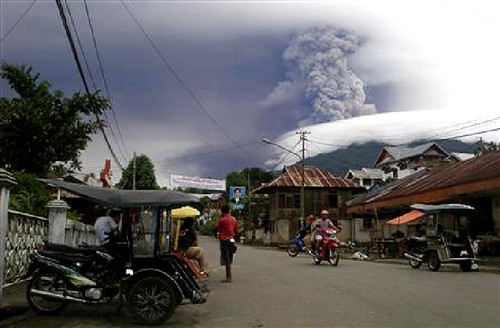
Approaching Mount Lokon, the landscape shifts dramatically from lush agricultural fields to stark volcanic terrain. The twin peaks of Lokon and Empung rise like ancient sentinels, their slopes scarred by lava flows and fumaroles. Hiking here is a visceral encounter with geological power — the air tinged with sulfur, the ground beneath your feet a mosaic of hardened lava and volcanic ash. As you ascend, the panorama unfolds: the city of Tomohon nestles below, while the active Tompaluan crater emits steam and occasional rumbles. Reaching the crater rim, the raw energy of the volcano is palpable — a place where earth’s fiery heart is visible and audible. This trek offers not just physical challenge but an emotional connection to the dynamic forces shaping our planet.
Geological Background of Mount Lokon
Mount Lokon is a stratovolcano forming part of a twin volcanic complex with Mount Empung, located in North Sulawesi, Indonesia. The two peaks stand approximately 2.2 kilometers apart, with Lokon reaching 1,580 meters in elevation. The volcano’s formation dates back around 7,500 years, shaped by successive eruptions that have built its steep, dome-shaped profile. The active Tompaluan crater, situated in the saddle between Lokon and Empung, is the primary source of recent eruptions. These eruptions are typically small but frequent, producing lava flows, ash emissions, and fumarolic activity. The volcanic landscape features hardened lava fields, sulfur deposits, and fumaroles emitting steam and volcanic gases. The geology here is a vivid textbook of volcanic processes, illustrating the dynamic interplay between magma, hydrothermal fluids, and surface conditions. The volcano’s activity is closely monitored due to its proximity to populated areas.
The Volcano Trek: Terrain and Hiking Experience
The trek to Mount Lokon’s Tompaluan crater is a moderately challenging hike that combines diverse volcanic terrain with rewarding views. Starting from the town of Tomohon, situated at around 800 meters elevation, the trail initially winds through rural landscapes and agricultural fields, offering a gentle warm-up with scenic vistas of the volcano’s twin peaks. As the path approaches the mountain, hikers encounter a small stone quarry before entering the volcanic zone.
The main ascent follows a dry riverbed, which is an ancient lava flow. This section can be slippery due to smooth volcanic rock surfaces and moss, requiring careful footing. The terrain here is rocky and uneven, with loose pumice and volcanic ash underfoot. The trail climbs steadily, gaining approximately 800 meters in altitude over 2 to 3 kilometers. Hikers will notice the vegetation thinning out, replaced by hardy grasses and sparse shrubs adapted to the volcanic soil.
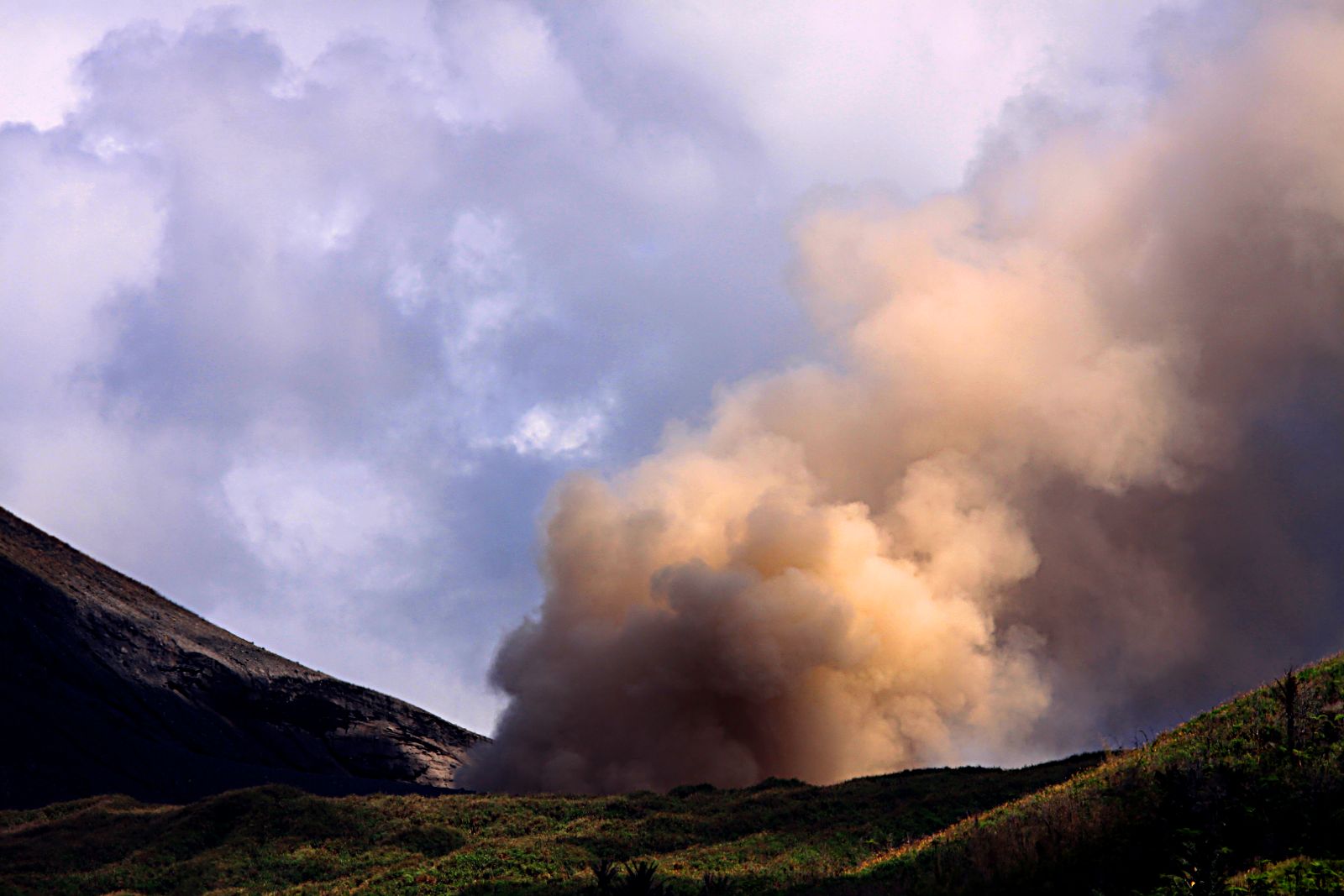
Near the crater, the landscape becomes more rugged and exposed. The Tompaluan crater rim is accessible after about 60 to 90 minutes of climbing from the quarry. The crater area is characterized by steaming fumaroles, sulfur vents, and a lunar-like terrain of black volcanic rock and ash. The air carries a distinct sulfur smell, and occasional small eruptions or rumblings may be heard, underscoring the volcano’s active status.
For those seeking to reach the true summit of Mount Lokon at 1,580 meters, the path becomes more demanding. The upper slopes are covered with tall, razor-sharp grasses that can impede progress. Trekking gloves and long trousers are recommended to navigate this section safely. The summit trail is narrow and less defined, requiring some route-finding skills and physical effort to hack through vegetation. The summit offers panoramic views of Tomohon, Lake Tondano, and neighboring volcanic peaks such as Soputan.
Throughout the hike, trekkers should be prepared for variable weather conditions. Temperatures can range from cool in the early morning to warm during the day, with occasional strong winds near the summit. Altitude effects are mild but noticeable, and hikers should pace themselves accordingly. The volcanic terrain demands sturdy hiking boots with good grip, and trekking poles can provide additional stability on loose or slippery sections.
Overall, the Mount Lokon trek offers a dynamic hiking experience that blends natural beauty, geological intrigue, and physical challenge. The diversity of terrain—from cultivated fields to volcanic rock and grassy ridges—makes this volcano hike uniquely rewarding for adventurous travelers.

What Makes the Mount Lokon Trek Unique
Mount Lokon stands out for its status as one of Indonesia’s most active volcanoes, with frequent small eruptions and visible fumarolic activity at the Tompaluan crater. Unlike many dormant volcano treks, hikers here witness the raw power of an active volcanic system, with steaming vents and occasional rumblings providing a thrilling backdrop. The twin volcano complex, including the older Empung peak with its deep vegetated crater, adds geological diversity to the experience.
The trek’s proximity to the vibrant town of Tomohon offers a cultural dimension, where local traditions and hospitality enrich the adventure. The trail’s passage through agricultural landscapes before entering stark volcanic terrain creates a striking contrast, highlighting the volcano’s influence on the surrounding environment. The challenging upper slopes with razor-sharp grasses and the opportunity to reach a relatively untouched summit crowned by a historic trig pillar add to the trek’s allure.
Mount Lokon’s active status means that safety and monitoring are integral to the trekking experience, with local guides providing expert knowledge and real-time updates. This combination of geological activity, natural beauty, and cultural context makes the Mount Lokon trek a compelling and unique volcano hiking destination.
The Summit and Crater Experience
Reaching the Tompaluan crater rim of Mount Lokon is a moment charged with sensory intensity. The crater, approximately 150 by 250 meters wide, emits steam and sulfurous gases that fill the air with a pungent aroma. The ground vibrates subtly with the volcano’s internal activity, and the occasional hiss of escaping gases punctuates the silence. The terrain here is stark and otherworldly — black volcanic rock, ash deposits, and steaming fumaroles create a lunar landscape.
From the crater rim, hikers can gaze into the active vent area, witnessing the dynamic forces shaping the volcano. The panoramic views extend over the city of Tomohon, the surrounding highlands, and neighboring volcanic peaks such as Soputan. For those who continue to the true summit, the experience culminates in a secluded vantage point atop a grassy ridge crowned by a Dutch-era trig pillar. Here, the vista expands to include Lake Tondano and the distant Bunaken islands, offering a breathtaking reward for the effort.
The summit area is quiet and remote, with the deep crater and fumarolic activity reminding visitors of the mountain’s volatile nature. The combination of geological spectacle and sweeping views makes the summit and crater experience unforgettable.
Best Time to Trek Mount Lokon
The optimal time to hike Mount Lokon is during the dry season, from May to September, when trails are most accessible and weather conditions are stable. During these months, the skies are generally clear, providing excellent visibility of the crater and surrounding landscapes. Early morning treks are recommended to avoid midday heat and to catch spectacular sunrises over the volcanic terrain.
Outside the dry season, heavy rains can make the trail slippery and increase the risk of mudflows. Additionally, the rainy season may coincide with increased volcanic activity or ashfall, leading to temporary closures or restricted access for safety reasons. It is essential to check current volcanic activity reports and local advisories before planning your trek.
Volcanic monitoring agencies maintain alert levels for Mount Lokon, and hikers should respect any restrictions or danger zone boundaries, especially around the active Tompaluan crater. Wearing protective gear such as masks is advisable during periods of increased gas emissions or ashfall.
Planning your trek during the dry season with a local guide ensures the safest and most rewarding experience on Mount Lokon.
Trekking Routes and Trail Options on Mount Lokon
The primary trekking route to Mount Lokon’s Tompaluan crater begins in the town of Tomohon, which serves as the main base for climbers. From Tomohon, the trail initially follows rural roads and agricultural fields before entering volcanic terrain near a small stone quarry. The ascent continues along a dry riverbed, an ancient lava flow, which is the main path to the crater rim.
This route is approximately 4 to 5 kilometers round trip, with an elevation gain of about 800 meters. The hike typically takes 3 to 4 hours, depending on fitness and pace. The trail is moderately challenging, with rocky and sometimes slippery sections, especially near the quarry and along the lava flow.
Most trekkers stop at the Tompaluan crater rim, which is the safest and most accessible point to witness volcanic activity. For experienced hikers seeking a greater challenge, a less defined path leads from the crater rim to the true summit of Mount Lokon at 1,580 meters. This upper route involves navigating through tall, sharp grasses and requires physical endurance and caution.
Guided tours are strongly recommended due to the volcano’s active status and the need for local knowledge of trail conditions and safety protocols. Several local operators, including Indopremier Tour, Manado Safari Tours, Gumilang Tours, and Jotje Lala Tours and Travel, offer guided treks with transportation, permits, and expert guidance.
Alternative routes or extended hikes combining Mount Lokon with nearby volcanoes such as Mount Mahawu are also available, providing options for half-day or full-day adventures. These combined treks showcase the volcanic diversity of North Sulawesi and enrich the trekking experience.
Difficulty Assessment of Mount Lokon Trek
Mount Lokon is classified as a moderate volcano trek suitable for hikers with a reasonable level of fitness and some prior hiking experience. The trail features a steady ascent with an altitude gain of approximately 800 meters, over rocky and uneven volcanic terrain.
The main challenges include navigating slippery lava rock surfaces, loose pumice, and steep sections near the crater rim. The upper summit route adds difficulty due to dense razor-sharp grasses and less defined paths, requiring agility and protective clothing.
Altitude effects are mild but can cause fatigue for those unaccustomed to elevations around 1,500 meters. Weather conditions such as wind and temperature fluctuations near the summit also add to the challenge.
Technical climbing skills are not required, but sturdy hiking boots, trekking poles, and good physical conditioning are essential. The presence of active volcanic gases and occasional eruptions necessitates caution and adherence to safety guidelines.
Overall, Mount Lokon offers a rewarding moderate trek that balances adventure with accessibility for prepared hikers.
Essential Volcano Trekking Gear for Mount Lokon
Preparing for a trek on Mount Lokon requires specific gear to ensure safety and comfort in volcanic terrain. Essential items include sturdy hiking boots with good grip to handle slippery lava rocks and loose pumice. Trekking poles are recommended for stability on uneven ground.
Protective clothing such as long trousers and gloves is necessary, especially if attempting the summit route through razor-sharp grasses. A windproof jacket and layered clothing help manage temperature changes and wind exposure near the crater.
Due to the active volcanic gases, carrying a gas mask or respirator is advisable during periods of increased fumarolic activity or ashfall. A headlamp is useful for early morning starts to catch sunrise views.
Hydration systems or water bottles are critical, as there are no water sources on the trail. Sun protection including a hat, sunglasses, and sunscreen is important since the trail offers little shade.
Additional items include a first aid kit, snacks for energy, and a camera to capture the dramatic volcanic landscapes. Hiring a local guide often includes provision of safety equipment and expert advice.
Safety and Volcanic Hazards on Mount Lokon
Mount Lokon’s status as an active volcano presents specific hazards that hikers must respect. The primary risks include exposure to volcanic gases such as sulfur dioxide, which can cause respiratory irritation. During periods of increased activity, ashfall and sudden phreatic eruptions may occur, posing dangers to those near the crater.
The terrain itself is hazardous, with unstable crater edges, loose scree, and slippery lava rock surfaces. Falling rocks and sudden changes in weather, including strong winds and rain, can increase the risk of accidents.
Authorities have established a danger zone with a 2.5-kilometer radius around the Tompaluan crater, which hikers should not enter during elevated alert levels. It is essential to check current volcanic activity reports from the Indonesian Geological Agency and adhere to local warnings.
Wearing protective gear such as masks and goggles is recommended during ashfall. Staying on marked trails and trekking with experienced local guides enhances safety. Emergency plans and communication devices should be part of any trekking preparation.
Respecting these safety measures ensures a secure and enjoyable experience while appreciating the dynamic power of Mount Lokon.
Permits, Guides, and Logistics for Mount Lokon Trekking
Trekking Mount Lokon requires securing permits from local authorities, as the volcano is active and monitored closely for safety. Visitors must obtain a hiking permit, typically arranged through local government offices in Tomohon or via tour operators. Permit fees are modest but mandatory to regulate access and ensure visitor safety.
Hiring a licensed local guide is strongly recommended and often required. Guides provide essential knowledge of volcanic activity, trail conditions, and safety protocols. They also facilitate communication with authorities and assist in emergencies. Several reputable tour operators specialize in Mount Lokon trekking, including Indopremier Tour, Manado Safari Tours, Gumilang Tours, and Jotje Lala Tours and Travel. These companies offer comprehensive packages covering permits, guiding services, transportation, and equipment rental.
Logistically, most treks start from Tomohon, a town approximately 30 kilometers from Manado’s Sam Ratulangi International Airport. From Manado, travelers can take taxis, ride-sharing services, or public transport to Tomohon. Local transport or operator-arranged vehicles then bring trekkers to the trailhead near the stone quarry.
Trek durations range from 3 to 4 hours round trip to the Tompaluan crater rim, with options to extend to the summit for experienced hikers. Early morning departures are common to maximize daylight and favorable weather.
Tour operators also provide safety briefings, volcanic activity updates, and necessary gear such as gas masks during periods of elevated activity. Booking in advance is advised, especially during the dry season from May to September.
Overall, the permit process and guided trekking infrastructure are well established, ensuring a safe and organized volcano hiking experience on Mount Lokon.
Where to Stay Near Mount Lokon
The town of Tomohon serves as the primary base for Mount Lokon trekking, offering a range of accommodation options catering to different budgets and preferences. Tomohon is located about 30 kilometers south of Manado and sits at an elevation of approximately 800 meters, providing a cool climate and scenic surroundings.
Among the notable accommodations is Lokon Inn (also known as Lokon Volcano Resort), situated in Kakaskasen Tiga, Tomohon. This hotel offers comfortable rooms with modern amenities, stunning views of Mount Lokon, and a kid-friendly environment. Guests appreciate its serene setting and proximity to hiking trailheads. Lokon Inn provides easy access to local attractions such as Lake Linow and the Yesus Memberkati Statue.
Other lodging options in Tomohon include guesthouses, boutique hotels, and homestays that offer authentic local hospitality. Many establishments can arrange guided tours and transportation to the volcano trailheads. Booking in advance is recommended during peak trekking season (May to September) to secure availability.
For travelers preferring to stay in Manado, the provincial capital, there is a wider selection of hotels ranging from budget to upscale. Manado is approximately a 45-minute drive from Tomohon and offers urban amenities, shopping, and dining options. However, staying in Tomohon is more convenient for early morning starts and a more immersive volcanic experience.
Overall, the accommodation infrastructure around Mount Lokon is well developed, combining comfort with accessibility to the volcano. Visitors can enjoy a restful stay while preparing for their volcanic adventure.